

By chance or not, the first two spots to the right of the entrance to the round Emerald Hall of Zagreb’s Hotel Esplanade, at the fine Dalmatian Wine Icons event, belonged to the wineries Ante Sladić from Plastovo near Skradin and Baraka from the Srima peninsula not far from Šibenik. Ante Sladić’s Maraština 2022 was the best-rated white wine at the first Festival of the 100 Best Wines of Croatia, organised by Vinski klub last year. Filip Baraka’s Prisbus Riserva 2018, a red from cabernet sauvignon and merlot, earned the highest score among all 100 wines this year. Anyone who began tasting from the right – that is, with the great wines – did not have it easy afterwards. Quite by chance, the Vinski klub team started from the left, and so brought its circular enjoyment to the best possible conclusion. 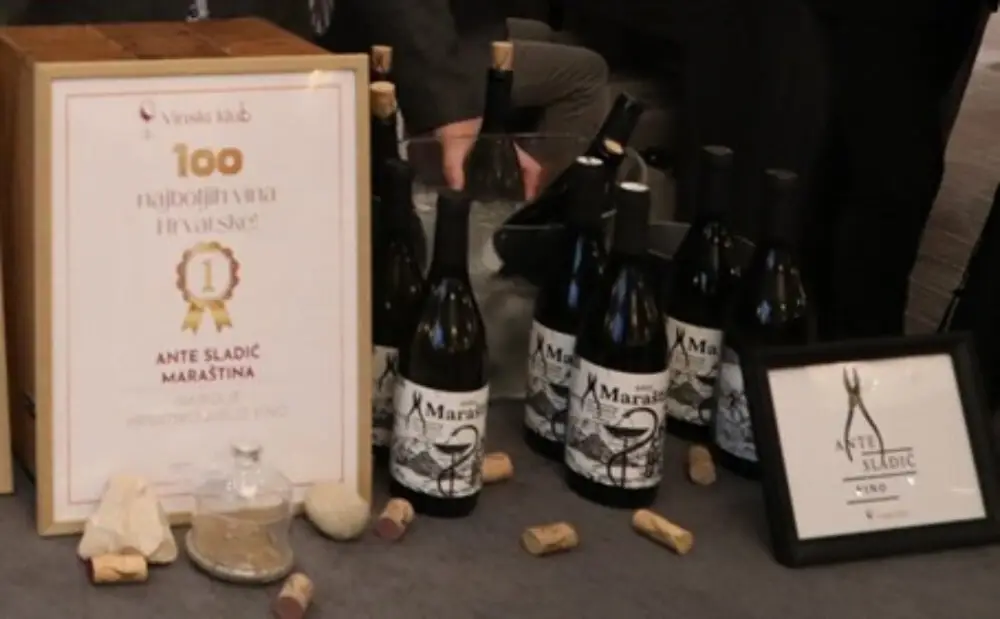
The wineries of Croatia’s south, 41 of them, presented their finest wines at the Esplanade, each showing a maximum of three labels they are most proud of. These are challenging times for winemakers, as evidenced by the fall in the total vineyard area planted in Croatia, yet Dalmatia’s producers are recording growth in wine sales, especially in the white and rosé categories. Dalmatia’s advantages over Croatia’s other regions are its diversity of varieties and styles, and its authenticity. The number of indigenous varieties in Dalmatia exceeds the combined total of the indigenous varieties in Croatia’s other three wine regions. 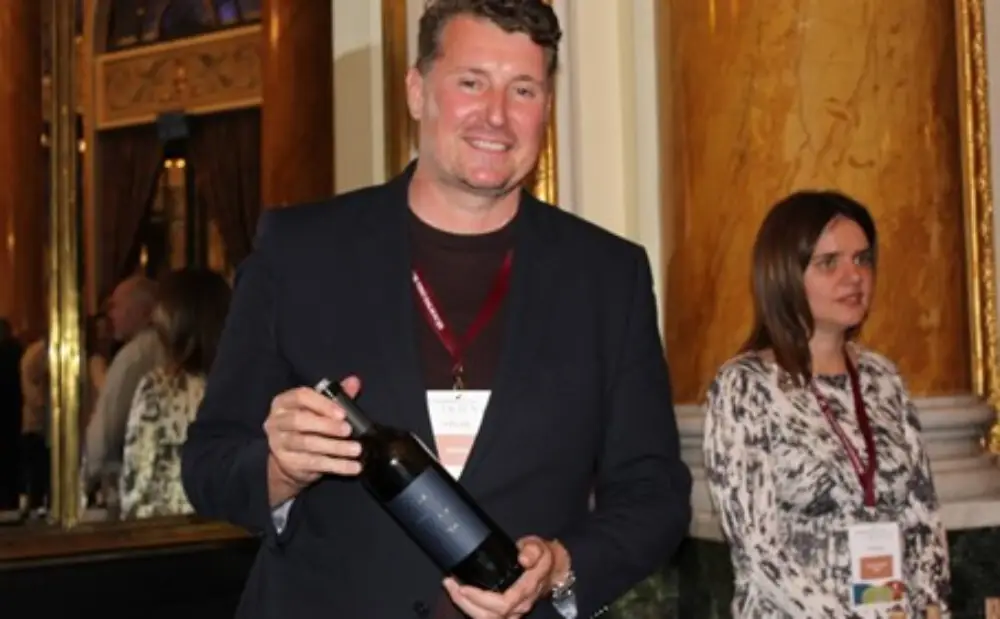
Among the white Dalmatian wines a clear rise in quality can be seen. It is the result of an ever better understanding of the varieties, evident in a sound approach in the cellar and appropriate stylistic forms. There are fewer and fewer wines needlessly weighed down by oak and overlong macerations, and ever more fresh ones with pronounced aromatics. Leading the way are wines from the Dalmatian hinterland, chiefly Plastovo and Imotski, while the more structured and complex ones come mostly from the coast and the islands. It was a pleasure to see the indigenous varieties in the foreground – above all Pošip, Vugava, Maraština/Rukatac and Kujundžuša. 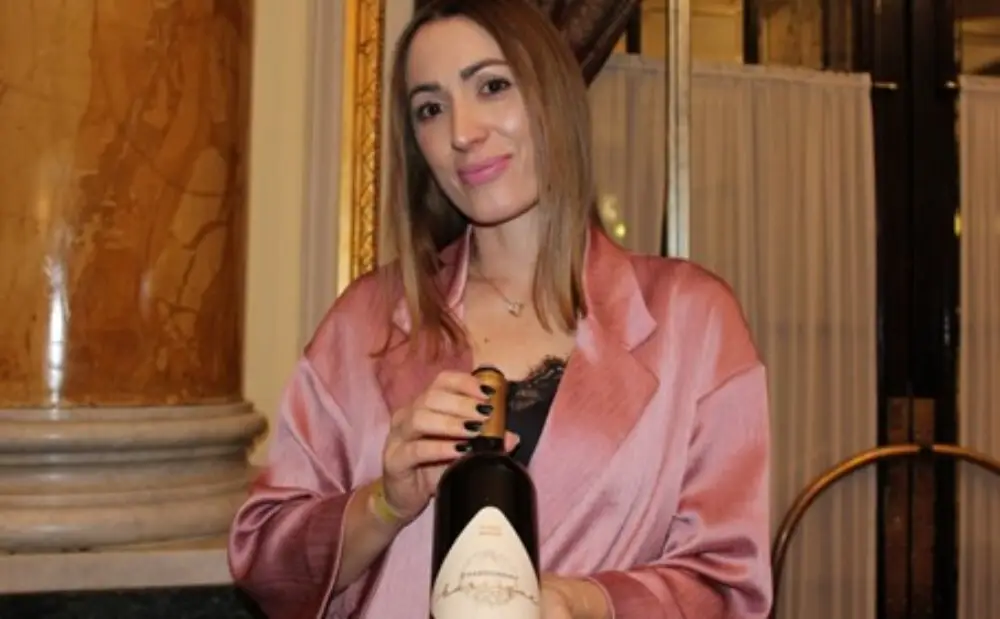
A great deal of work is also being done on the introduced varieties, as shown by several very good chardonnays. There is serious room for improvement with the macerated white wines. Some producers are inclined towards needlessly long macerations and inappropriate ageing in toasted oak, which weighs the wines down and leaves them disjointed. Such wines demand from their makers a better understanding and a clearer vision of the final product. Still, progress is visible in oenological terms: there is less and less volatile acidity and fewer off-aromas.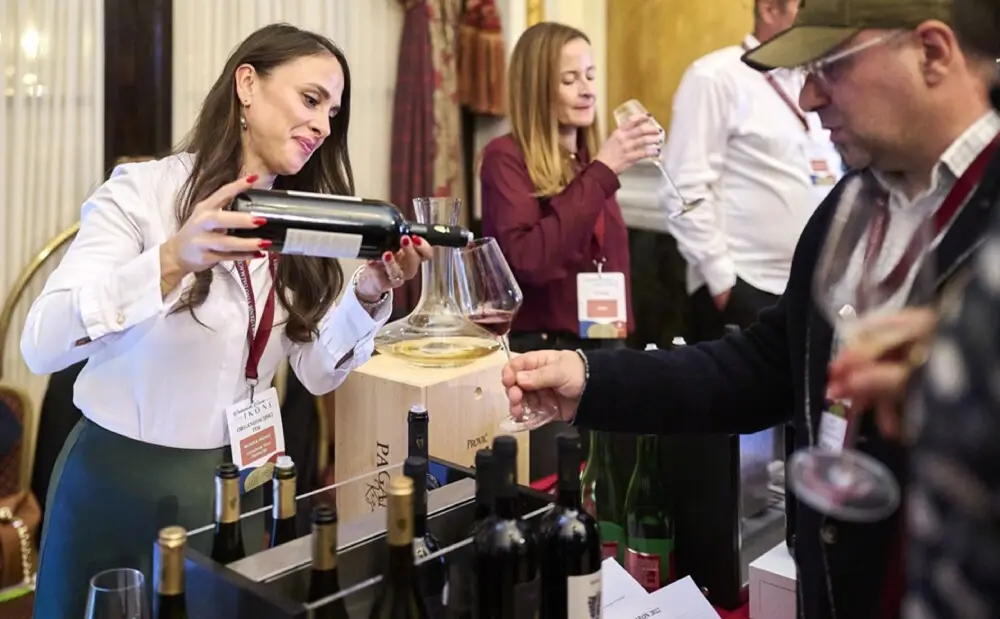
The reds displayed many fine qualities, but also some old failings, chiefly those made from Plavac Mali. Some producers showed the variety’s potential and its ultimate reach through truly special wines. There were archival Plavac Mali in excellent form, yet also too many unready ones, laden with tannins that will not be polished for a long time to come. In some, green tannins were present that will never ripen. The wines from Bordeaux varieties showed plenty of good, which is no great novelty, as did the excellent Babić and Crljenak (Crljenak Kaštelanski, the Dalmatian ancestor of Zinfandel). The fine Prošek – the region’s traditional sweet wine from dried grapes – deserves special praise. There are more and more of them, and progress is visible in craft terms through the purity and precision of these wines from dried grapes. 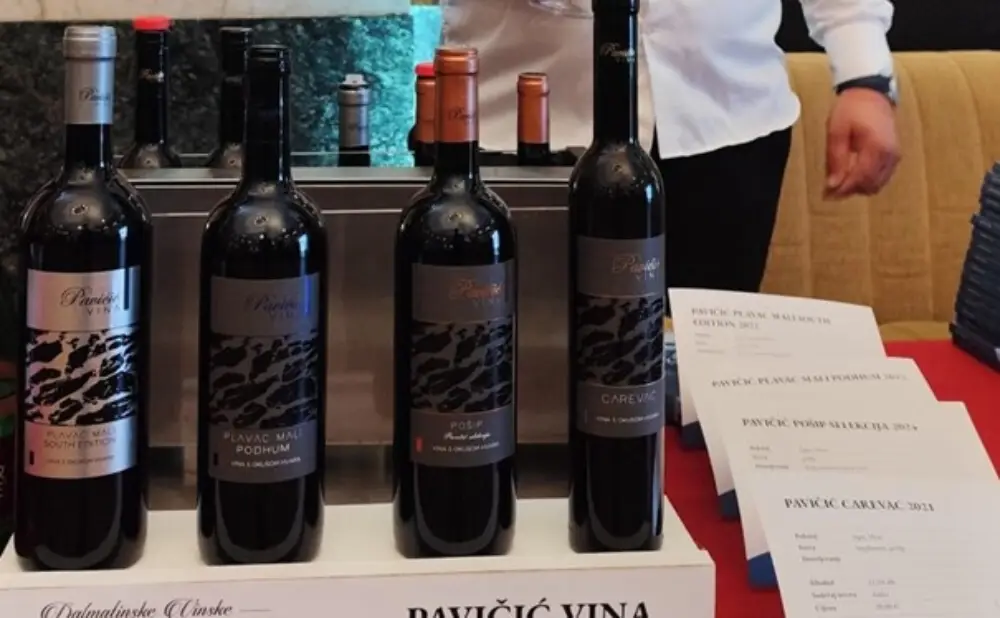
Among them is certainly Carevac, the Pavičić family’s sweet wine from dried Bogdanuša berries, seasoned with a little Pošip and named after a sun-drenched vineyard in the heart of the Ager on Hvar. Fine too is the Prošek Marašćina 2019 from the Birin winery in Vodice. It is made from Maraština, and the letter “ć” is no typo. The old sweet favourites confirmed their beauty as well – Deorum from the Marko Sladić winery in Plastovo, and the Stagnum dessert wine of the Miloš family from Ponikve on Pelješac. Stalagmit 2023 is Miloš’s Rukatac – the Pelješac name for Maraština – which, as expected, delighted among the dry whites too, as did the wines of the Imotski district: Kujundžuša Riserva 2019 from the Grabovac winery and Katich Mirite Blanc 2022, a blend of chardonnay (80 percent) and sauvignon. 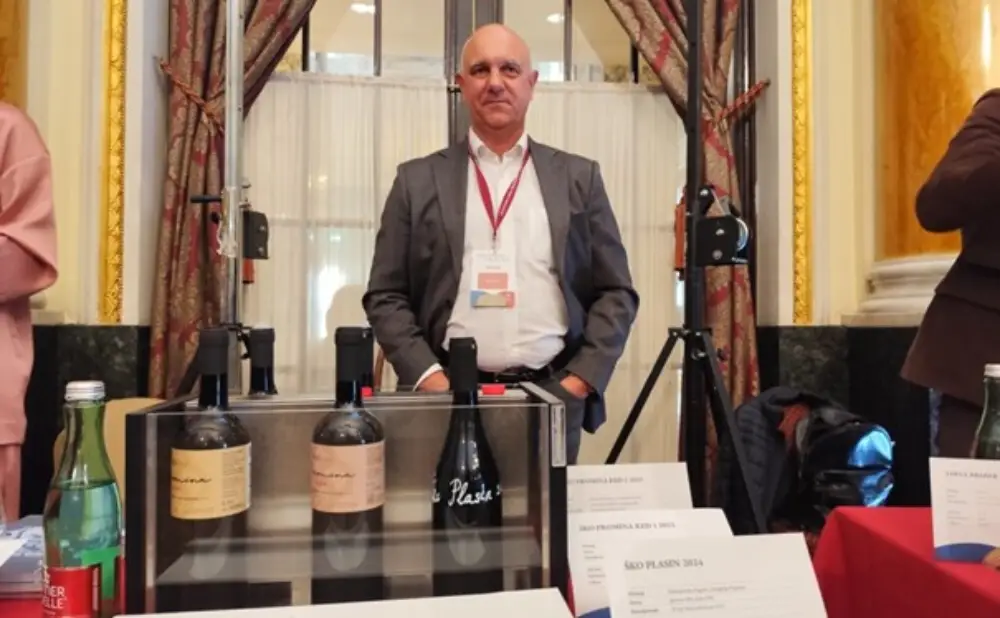
A lovely red surprise arrived from the Ško Vina winery in Oklaj: Plasin 2024 is a beautiful, fresh blend of the indigenous varieties Plavina and Lasin. The wine has no label yet, it could be called springlike, and it will reach the market in – spring. The legendary Ivan Kovač Matela from Kaštela, for who knows how many times, delighted with his Crljenak Esenca. It is a wine you either love or do not. We, at Vinski klub, well – we love it. And Matela had a new Esenca hidden under the counter, made from Plavac Mali. It was something of a premiere for friends and members of the public he took a particular liking to. What everyone could taste, and should have, was Svrdlovina 2023 from the Bora winery in Podgradina near Posedarje. It is a red variety that had almost vanished, and at the end of the last decade the Zadar winemaker Mladen Anić returned it to the vineyard, so we now have it in bottle as well.
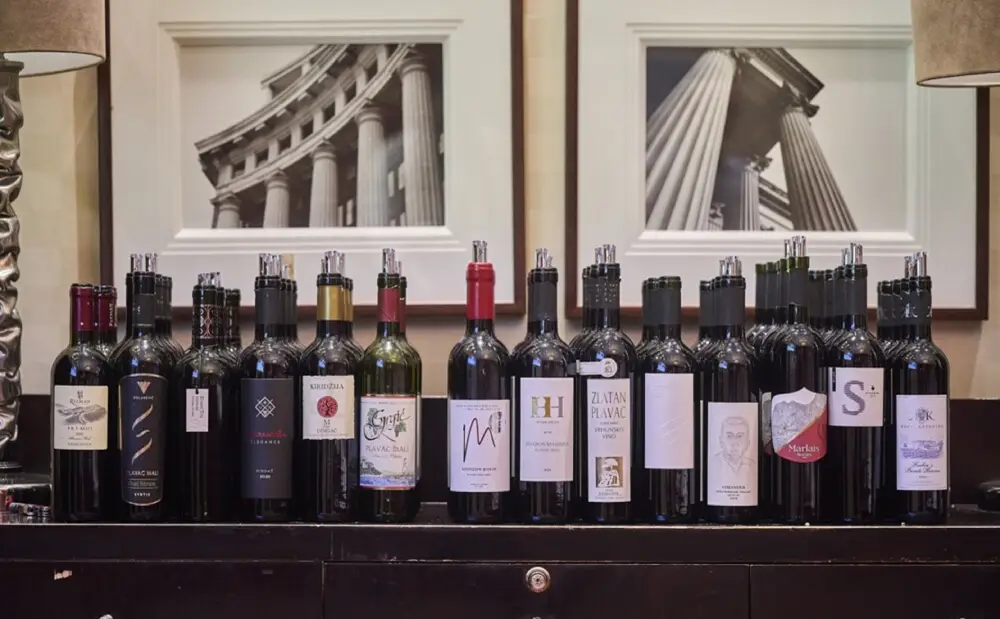
This year the Icons also featured the masterclass Veliki plavac mali (Great Plavac Mali), devoted to Dalmatia’s most important variety and Croatia’s most widely planted red. Saša Špiranec presented 14 wines from the sites where Plavac Mali gives its best results: Dingač, Ponikve and Postup on Pelješac, as well as Komarna, Hvar, Vis and Brač. Also presented was the first issue of the magazine Vino Dalmatia, a comprehensive English-language guide to Dalmatian wines produced in collaboration with the wine journalist Katherine Pepper and aimed at wine lovers coming to Croatia. Every registered visitor received a copy.
Photos: Vinart, Vinski klub and Ivana Pranjić/Cork Croatia