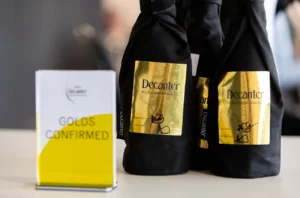


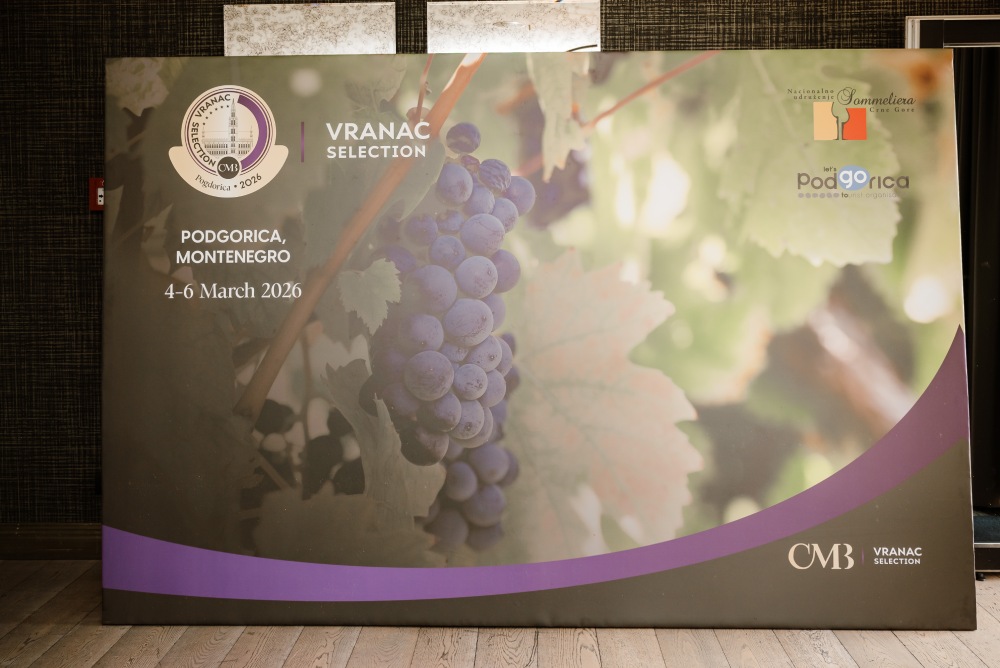
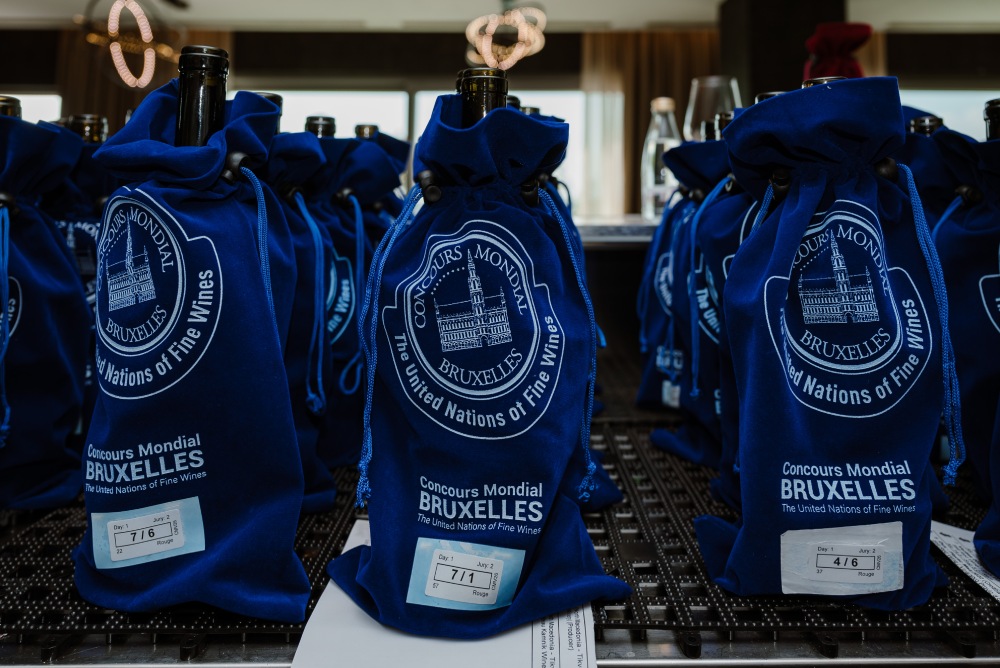
The second edition of Vranac Selection, held under the auspices of the Concours Mondial de Bruxelles, took place in early March 2026 at the prestigious Hilton hotel in Podgorica. After a successful first edition in North Macedonia, the event has established itself as a leading wine competition dedicated to the indigenous grape varieties of south-eastern Europe, with an emphasis on identity, origin and terroir specificity, for the purpose of a qualitative evaluation of the Vranac variety – the emblematic dark-skinned red of Montenegro and the wider Balkans – at international level. It is a unique judging model that isolates the variety from its wider context and allows a more precise analysis of its typicity, stylistic variations and oenological potential.
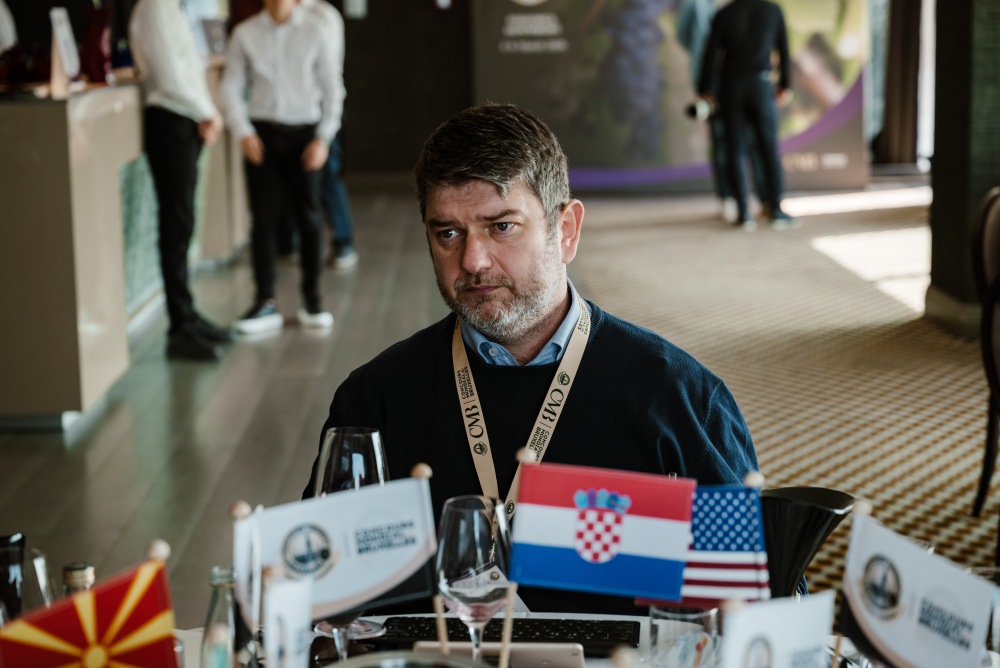
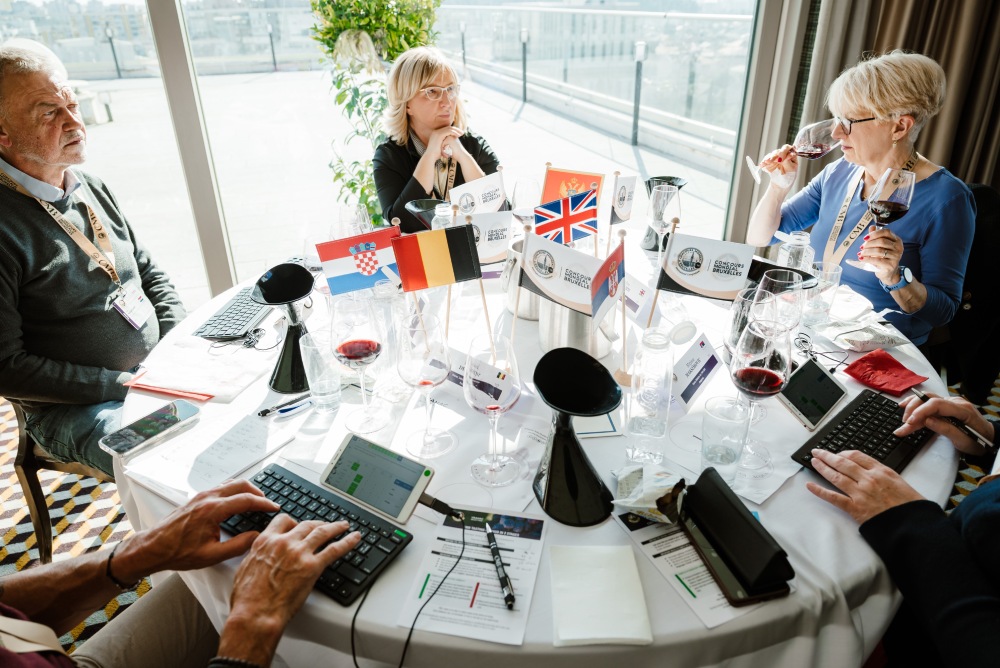
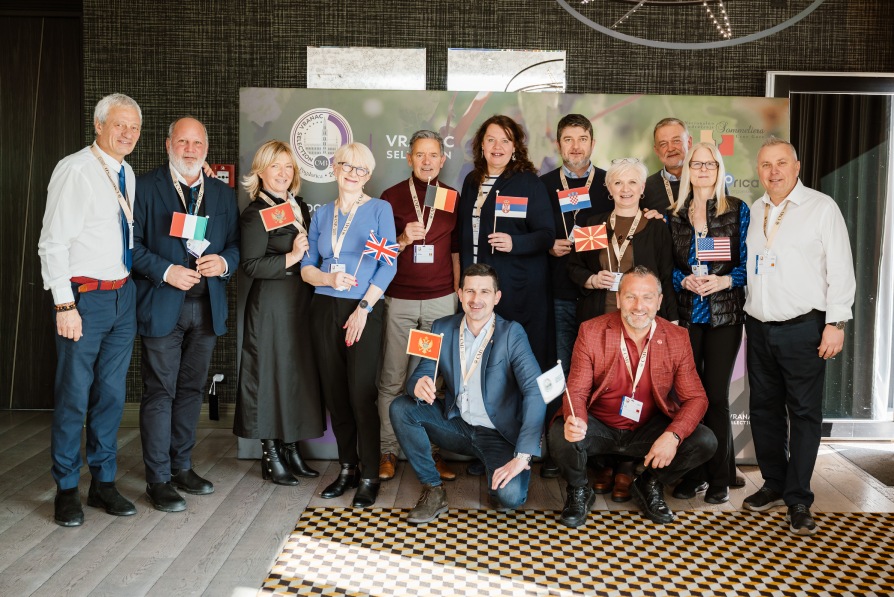
More than 100 samples were entered, predominantly Vranac, but also Crljenak – or Kratošija, as our eastern neighbours call it – and the occasional Plavac (Plavac Mali), so that all three of the most significant dark-skinned varieties of the Adriatic-Dinaric basin were represented. The judging panel was chaired by MW Caroline Gilby (UK), and the international jury comprised wine experts from the United States, North Macedonia, Serbia, Belgium, Montenegro, Italy and Croatia, the last of these represented by the undersigned.
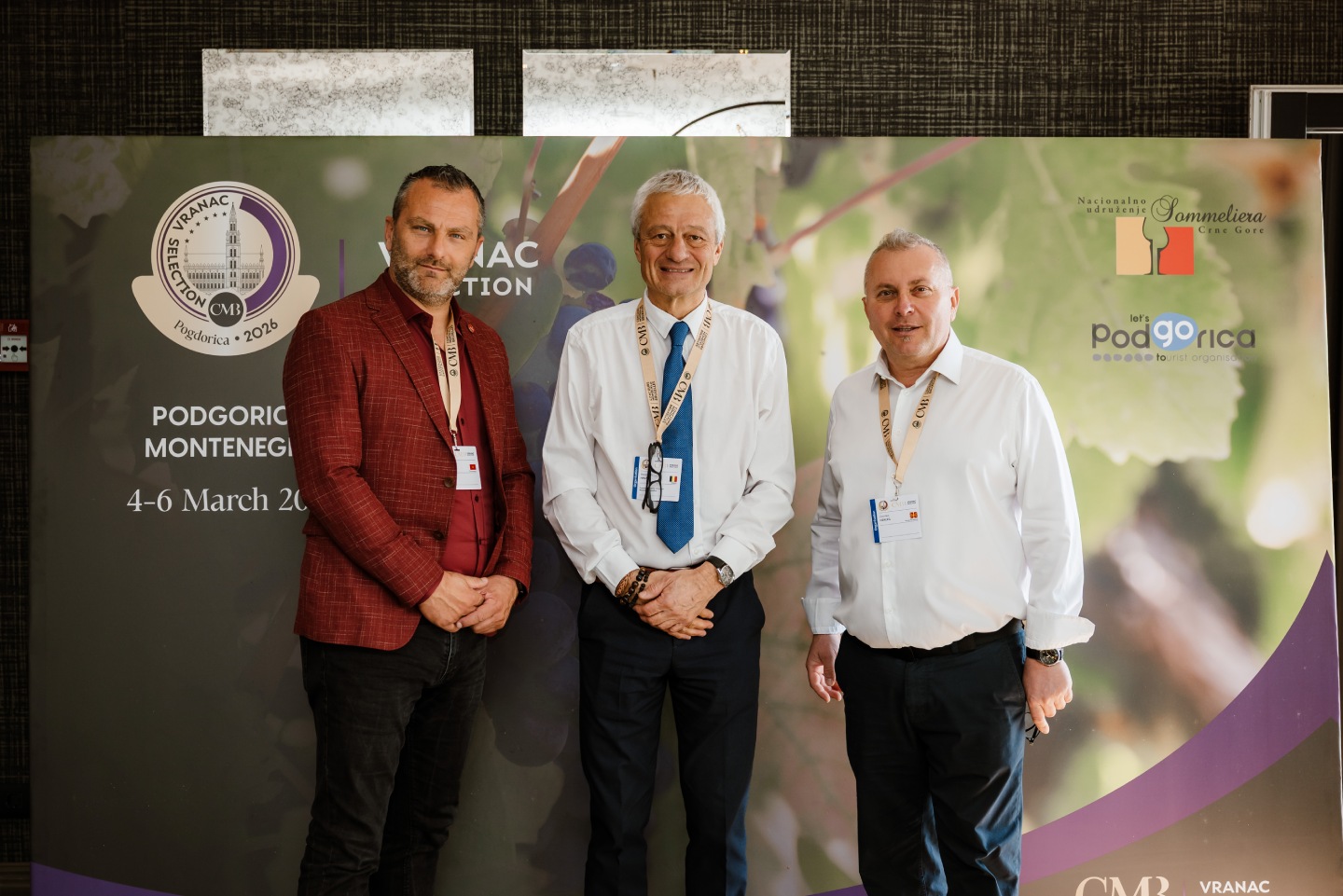
Beyond the judges, distinguished company was gathered around the project’s organisation, led by Baudouin Havaux, president of the CMB, who stressed that Vranac is the finest ambassador of south-eastern European viticulture and that the CMB’s task is to introduce the variety to a global audience.
Zvonko Herceg, director of Vranac Selection by CMB, asserted that the diversity and tradition of cultivating the Balkans’ indigenous varieties, combined with strategic alignment, are powerful levers for securing a serious position on the global wine scene.
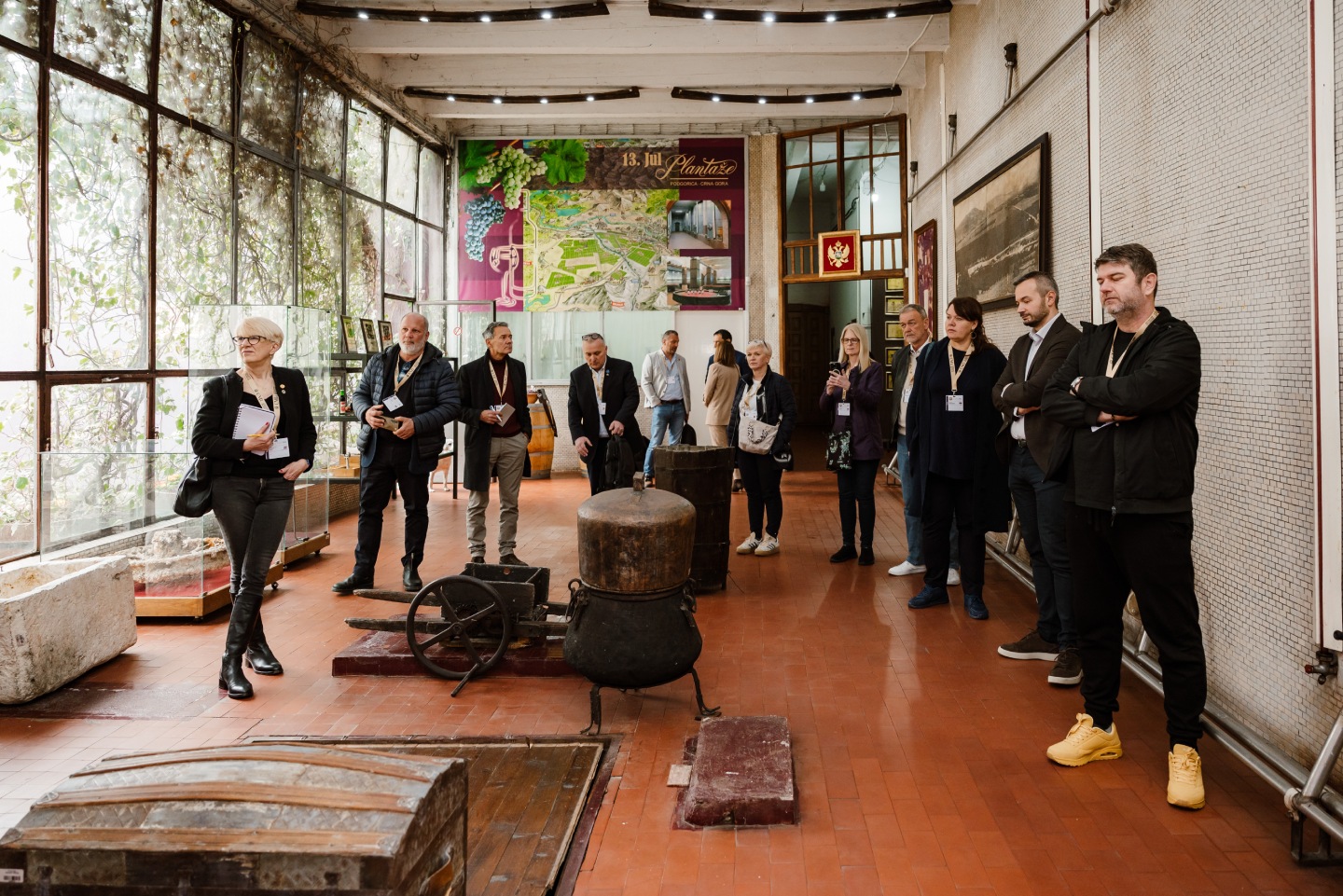
An excellent host and co-organiser was Luka Bešić, president of the national sommelier association of Montenegro and co-organiser of the esteemed MonteVino wine festival, which was held at the same time, giving Vranac Selection participants the chance to visit it. As part of the three-day programme, the host also arranged a visit to the cult giant Plantaže, home to the largest single vineyard in Europe, the young and highly ambitious Keković winery, and the family wineries Brajović and Ražnatović.
The wines at the judging were of high quality, and Vranac once again showed its versatility – proving that, besides being the main star, it is also a superb team player that, in partnership with other varieties, significantly raises a wine’s quality. It is notable that with most Vranac wines the sole focus is no longer on the expression of power; increasing attention is being paid to elegance and freshness, which nominates the variety as a relevant participant on the global wine scene.
After this detailed insight into the variety and its potential, from a Croatian perspective a legitimate question arises: why, apart from the Imotski winery Grabovac, are there no serious producers of Vranac, even though this great variety has a natural habitat in the Dalmatian hinterland – something the Grabovac family continually prove with their Vranac, which ranks among the very top of Croatian red wines.
The results of the judging can be seen at https://results.vranecselection.com/en/results/2026

22 March 2026
Written by: VinskiKlub.hr