


With 96 of a possible 100 points, Prisbus Riserva 2018 from the Baraka winery on the Srima peninsula between Šibenik and Vodice was the finest wine of the second edition of the 100 Best Wines of Croatia judging and the eponymous Festival that Vinski klub staged early this year at the Sheraton Zagreb Hotel. The holiday season is certainly the moment to taste the very best wines from across Croatia, and this time we recommend the Dalmatian ones. Prisbus was also the best red — or, in the Croatian idiom, “black” — wine, and from Filip Baraka’s beautiful winery the excellent Babić 2021 also made the Top 100.
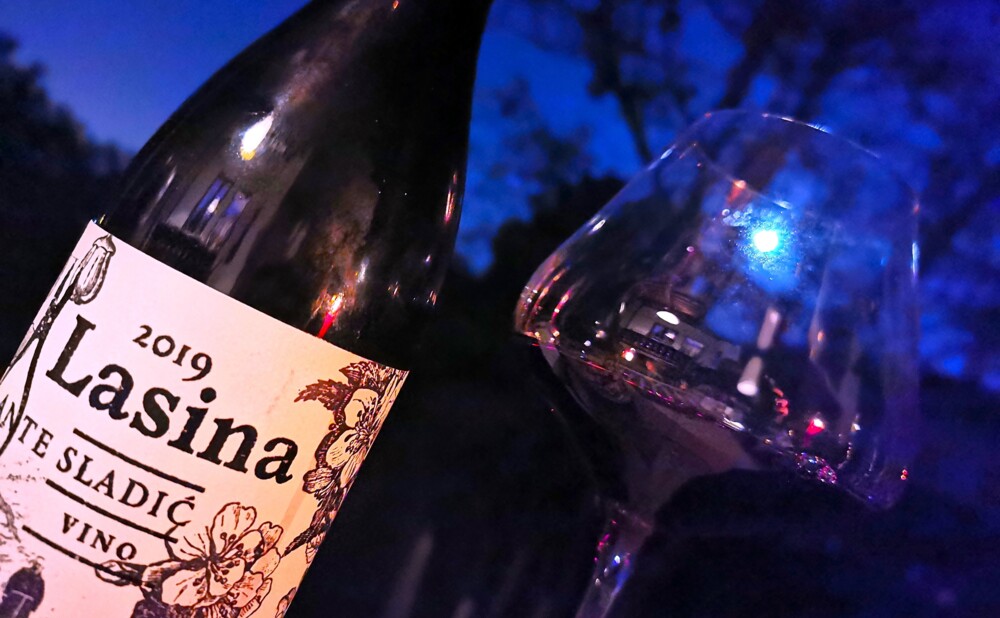
In the Šibenik hinterland, in Plastovo above Skradin, sits the Ante Sladić winery, whose lovely Lasina 2021 earned a place among this year’s Top 100. Last year, we recall, Ante Sladić’s Maraština was crowned the best white wine from Croatia. South of Šibenik lies Jadrtovac, a gorgeous vineyard site visible even from the motorway, home to the tasting room of the Testament winery. From it comes an outstanding Tribidrag 2021 — a variety also known as Crljenak, a close relative of Plavac Mali.
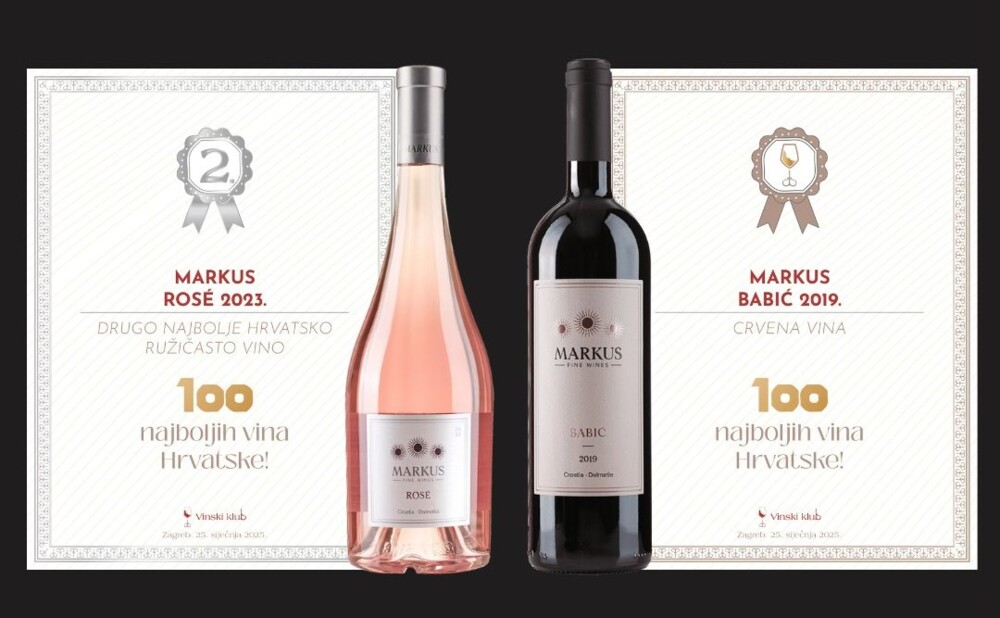
The Italians call it Primitivo, the Americans Zinfandel, Montenegrins and Macedonians Kratošija — and to us it is native. A little further south lies Primošten, beside which grows the fruit for the outstanding Babić Markus 2019. The winery, however, is in Kaštel Novi, with a tasting room in Split. From the Markus winery came the judging’s second-best rosé as well: the Rosé 2023 made from Syrah and Grenache grown in Nadin, in the Ravni Kotari.

The northernmost Dalmatian among the Top 100 is Boškinac Cuvée 2018. The winery sits near Novalja on the island of Pag, below a hotel and restaurant with a Michelin star, while the grapes for this fine Bordeaux blend of Cabernet Sauvignon and Merlot come from the Zadar hinterland. Heading down the coast toward the far south, it is worth stopping at Komarna, a wine district beside the Pelješac Bridge, to taste the Plavac Mali Rosé 2023 from the Terra Madre winery and drink in the view of Pelješac.
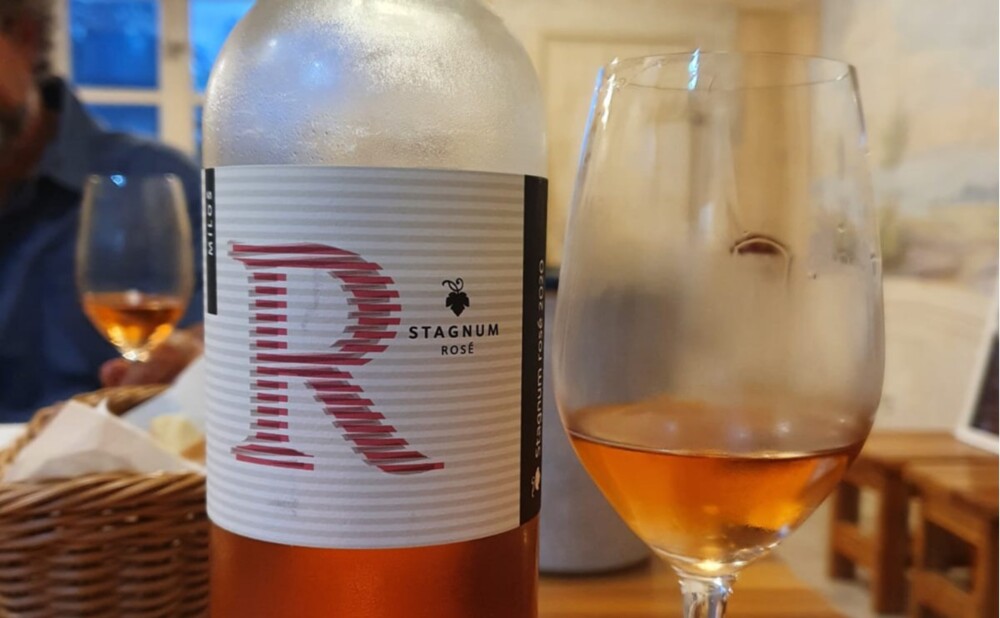
From Komarna toward the peninsula’s wine side, the first stop is the family-run Miloš winery in Ponikve. Their Rukatac Stalagmit is outstanding, and for their black Plavac wines under the Stagnum label they are known the world over; from that same variety comes the Stagnum Rosé in this year’s Top 100. The selection also spotlights the rosés Saints Hills St. Heels 2023 and Korta Katarina Rosé 2023 from Orebić, while the true Plavac wines — dark and powerful — are Vedran Kiridžija’s Dingač 2021 from Potomje (Dingač being one of Dalmatia’s most celebrated grand-cru sites), Miloš’s Stagnum 2015 and Korta Katarina’s Reuben’s Private Reserve 2013.

Pelješac’s white trump card is the amber Grk 2021 from the Križ winery in Potomje, while from Korčula — the island opposite Potomje and Orebić, from which the variety hails — come Grk Defora 2022 from the Bire winery and Grk 2023 from the Cebalo winery in Lumbarda. Next are the Pošip wines Sv. Ivan Selekcija 2023 and Sv. Ivan 2023 from the Šain Marelić winery, the legendary Statut 2019 by Luka Krajančić from Čara, and Merga Victa 2023 from Smokvica’s Black Island Winery. From the far south we also recommend the Malvasija Dubrovačka 2023 from the Konavle winery Zoro and the skin-macerated Blasius 2022, from the same variety, by the Crvik winery in Komaji near Čilipi.
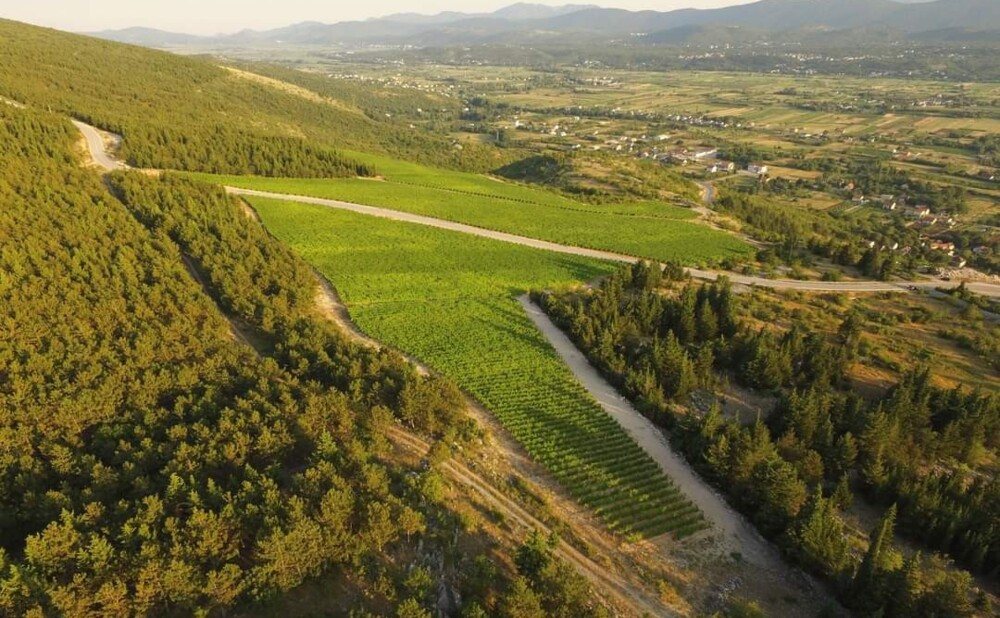
In the Dalmatinska Zagora hinterland one should by all means savour two great wines. Draga 2021 from the Grabovac winery is a singular blend of Kujundžuša, Pošip, Žilavka, Sauvignon and Chardonnay from the Vučja Draga vineyard, planted on the slopes above Imotski where the wide day-to-night temperature swing lets the grapes hold on to their freshness. Mirite Noir Riserva 2018 from the Imotski winery Katich, meanwhile, is a grand blend of Syrah (50 percent) and Cabernet Sauvignon (40 percent), seasoned with a touch of Merlot.
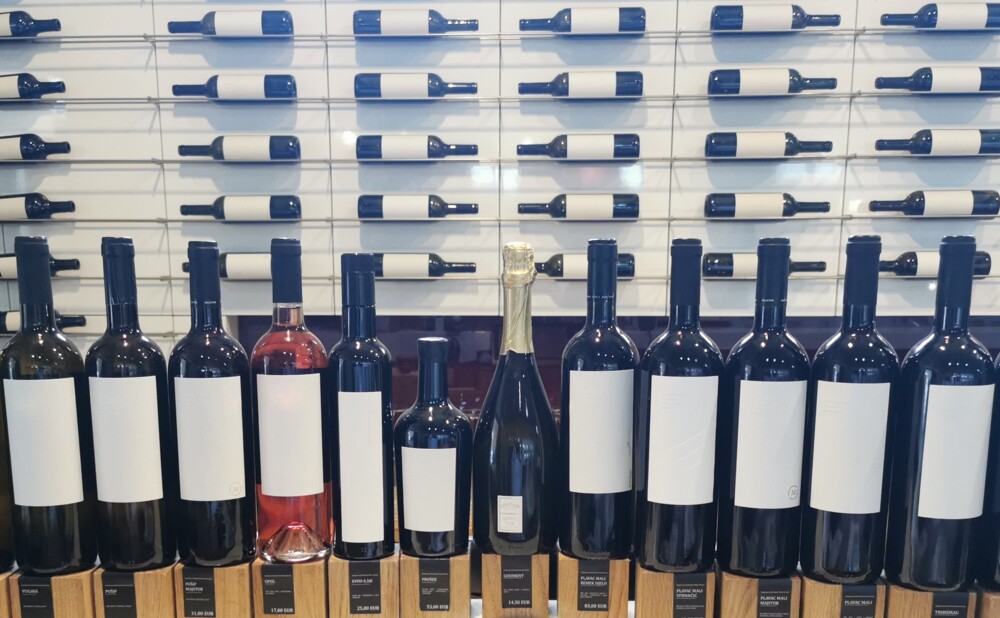
From the island of Brač, two Stina wines made the Top 100: Plavac Mali Stipančić 2019 and Prošek. They are recognisable for labels that seem to bear nothing at all — the lettering is there, but as if carved into stone, barely visible. From Hvar the selection features the great Zlatan Plavac Exclusive 2018 from the Zlatan Otok winery in Sveta Nedjelja and Opolo Nobile 2023 from the Bastijana winery in Jelsa. Hvar also supplies half the fruit for yet another great red — Jeka Dalmatia 2019 by sommelier Daniel Čečavac and brothers Dario and Boris Gašpar.
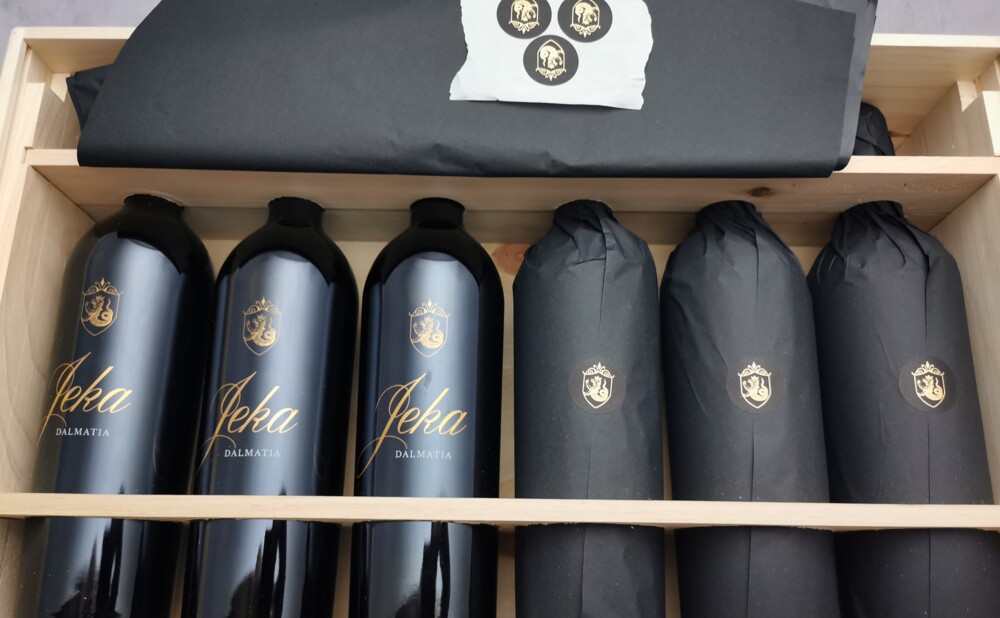
From the famous Hvar site of Medvid Bod comes Plavac Mali; a further 25 percent is Trnjak from the Vrgorac brothers and 25 percent Vranac from Imotski. The wine was made at the Gašpar winery and is brimming with southern passion! The first variety lent power and body, the second energy and charm, and the third the tannic structure, breadth and depth of this sensational maritime-continental Dalmatian wine. A single holiday is too short to get to know all of these wines, but you should certainly begin — and then carry on next year. To read which wines to taste in Slavonia and the Danube region, click here.
07.08.2025.
Written by: Vinskiklub.hr