

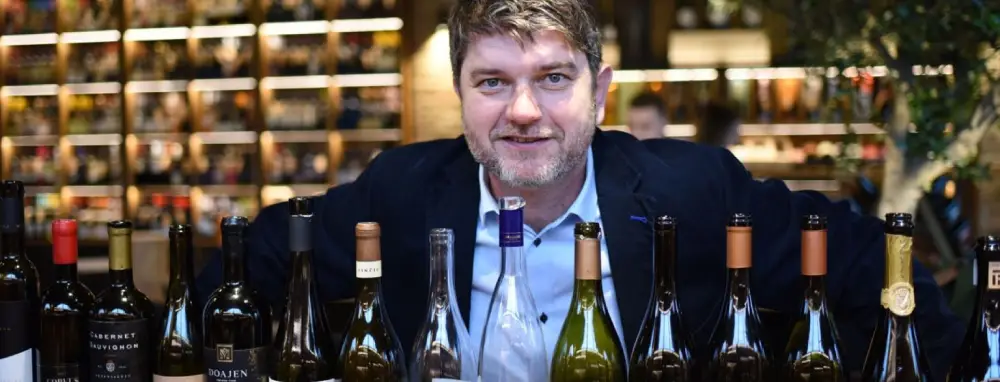
Every year in Croatia, before wine professionals and the media, the Vino.rs editorial team stages a presentation of the best wines of Serbia according to their annual selection. This year the tasting took place in Rijeka and, alongside the trade, we were joined by wine enthusiasts who managed to secure a place at the table. The wines were divided into eight categories, seven of them with two representatives each, one from conventional and one from organic production. There were, then, 15 samples, which allowed for a serious cross-section of the Serbian wine scene.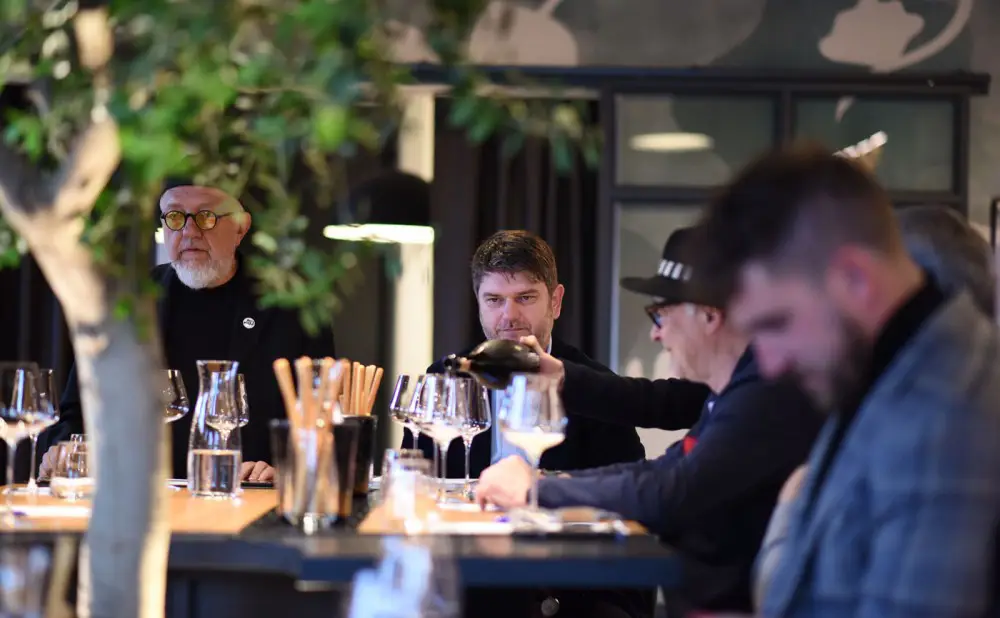
The tasting was guided, but everyone present was free to comment on the wines and award each the score they felt it deserved. The judging was entirely informal, and the ranking is not the result of professional expertise but rather an indicator of how Serbian wines are viewed in Croatia. For that reason we will not list the scores, but will simply mention the most successful.
Tamjanika, tamjanika, tamjanika…
We opened the presentation with the organic sparkling wine Tri Morave 2021 from Temet, made from Tamjanika, as Muscat is known in Serbia. The wine is technically flawless, with high freshness and a good bead, only let down by aromatics too intense for a sparkler.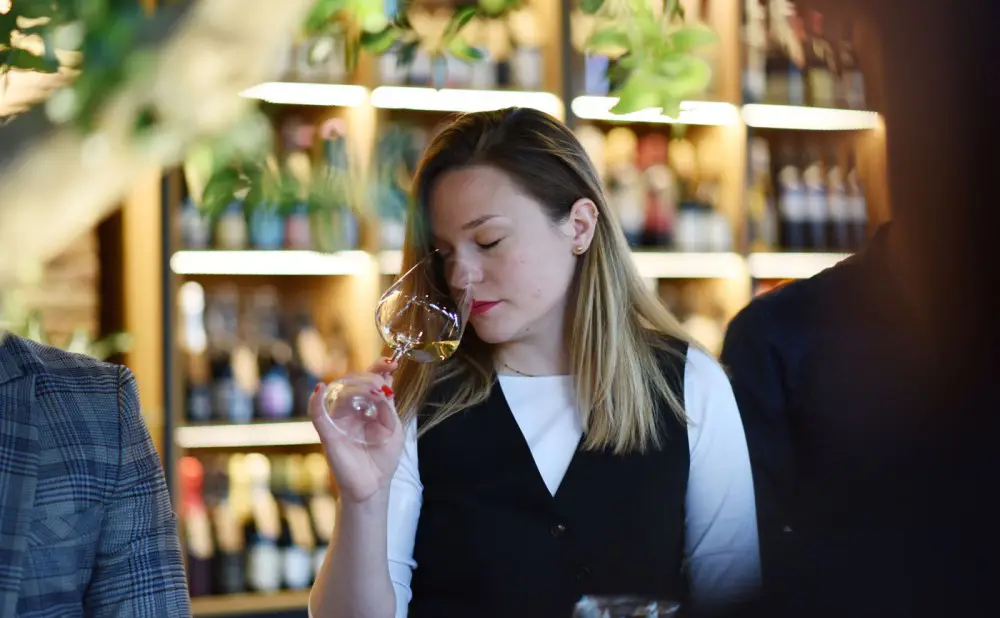
The second sparkler was Brut 2011 from Kovačević, made from Chardonnay and Riesling. It is Champagne in style and shows why those magical bubbles command a price. Through long ageing on the lees it gained serious structure and the sought-after creaminess, while the fine bakery notes did not mask the primary fruit but instead brought aromatic complexity. There is a noticeable touch of residual sugar that adds extra fullness, while the high acidity and good pressure hold it in perfect balance.
The variety carries more than the barrel
In the category of wines from local varieties, we first tasted the organic Tamjanika No 3/4 2023 from Ivanović. Schooled in oak barrels, it is honest, dry and unshaped by the yeasts. It has serious structure and comes across like a late harvest, though that is not a confirmed detail. An excellent example of a quality approach to the variety.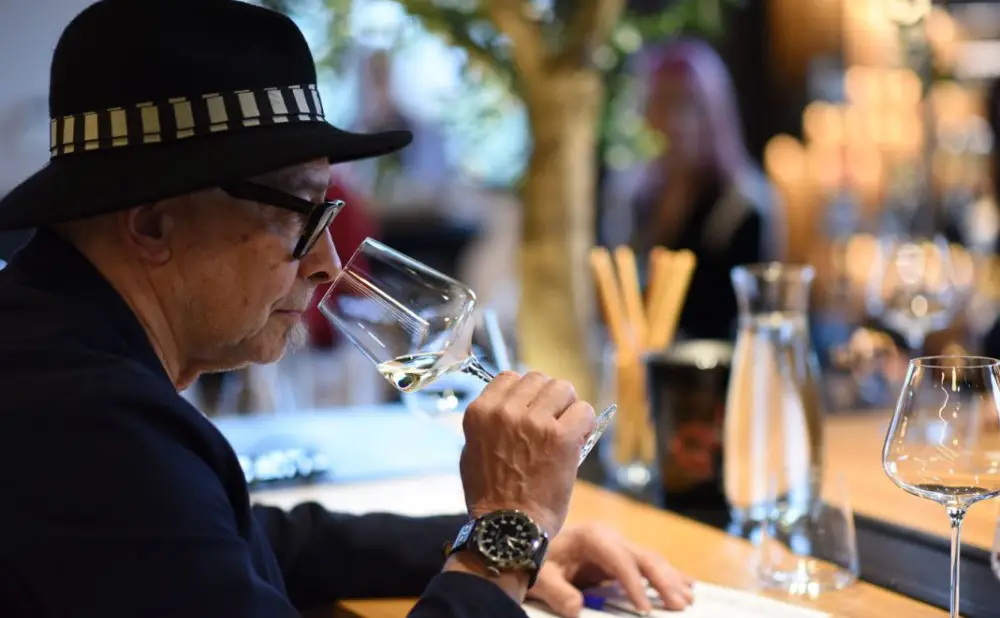
Tamjanika Hysteresis 2022 from Yotta is one of the highly rated wines at this tasting. It is layered and complex; the touch of fine oak guided the wine but did not take it over, so the varietal character remains firmly in the foreground. The structure is sufficient for the pronounced acidity, so it comes across as harmonious. The impression is that the winemaker came close to the maximum reach of the variety.
Furmint and Sauvignon
The best white wines from international varieties came from the wineries Sagmeister and Kovačević. Sagmeister presented an organically produced Furmint Kew from 2020, in which the full potential of this great variety is highlighted. A wine made without compromise and with minimal intervention. It has a fine, clean nose in which honeyed notes and nuts intertwine. The palate too is fine, warm and soft, and its freshness comes not only from acidity but from a vibrant minerality. On the palate there is a light tannic grip that lends it additional complexity. The audience honoured it with a high score.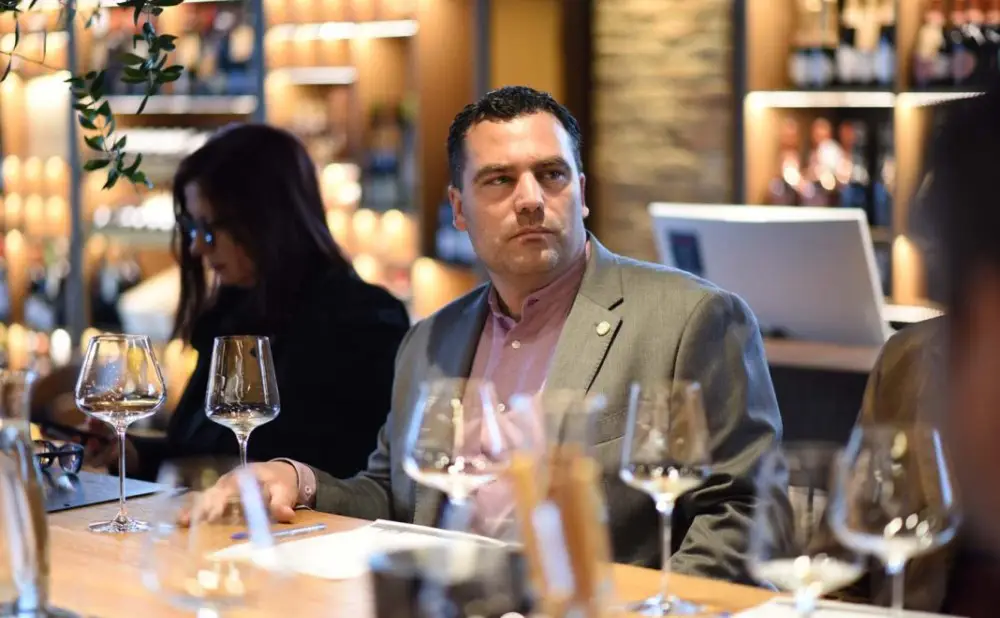
No less prestigious was the Sauvignon S Edicija Kovačević 2021 from conventional production. A pedigreed, characterful Sauvignon with layered floral-herbal aromas alongside a discreet whiff of cat’s pee as part of the varietal signature. Its high extract easily carries a substantial but excellently integrated 14.5 percent alcohol. It is harmonious and balanced, without rough edges or unnecessary wandering.
Sangiovese for the rosé
In the rosé category the wine L’una 2023 from Draganić was presented. It is an intriguing composition of Cabernet Sauvignon, Cabernet Franc, Sangiovese, Merlot and Muscat Hamburg. Closed at first, later more transparent. It has a lovely salmon colour and high freshness. There is room for it to progress.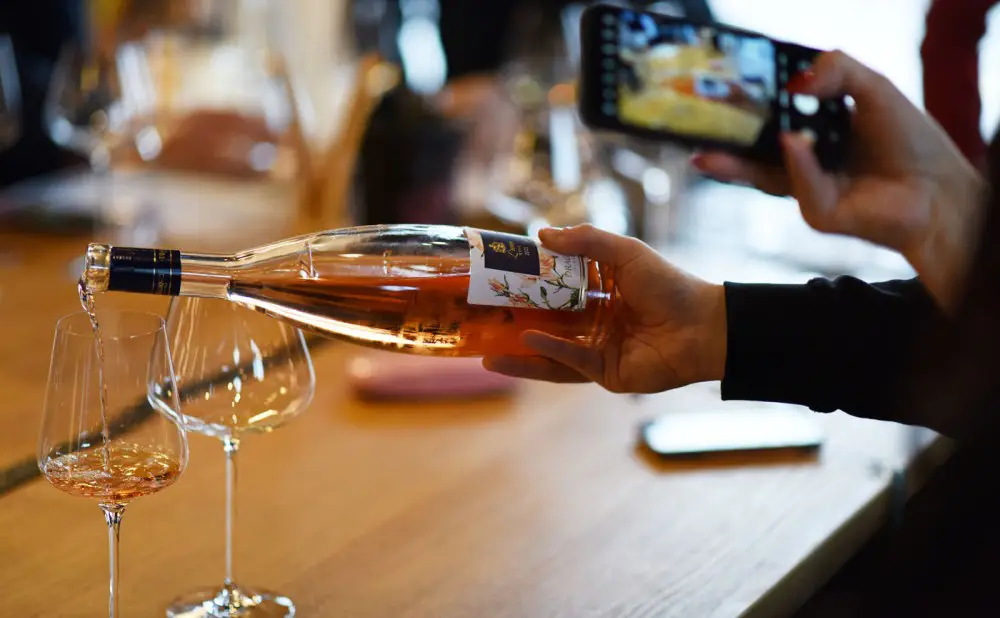
The organic Rosé 2023 from Lakićević showed better. The winemaker kept this blend of Syrah and Sangiovese (10 percent) for a long time on the fine lees, gaining significant structure while retaining high aromatics. A modern wine, fine on the palate, with high freshness, expressive yet unobtrusive. The best-scoring wines at this presentation came from the amber category, in which Vinčić (conventional) and Bikicki (organic) shone.
A great amber Graševina
Amfora Grašac 2019 from the patient visionary Saša Vinčić revealed the enormous potential of Graševina in this stylistic interpretation, a complete understanding of the variety and the winemaker’s unerring instinct when it comes to timing. Once again the winemaker stood behind the wine and allowed it to develop on its own in the silence of the cellar, guiding it only gently. We tasted a wine of great energy and fine aromas, among which pomegranate stands out. It is warm and soft, entirely round, with present tannins and a long saline-mineral finish. A great wine for great moments.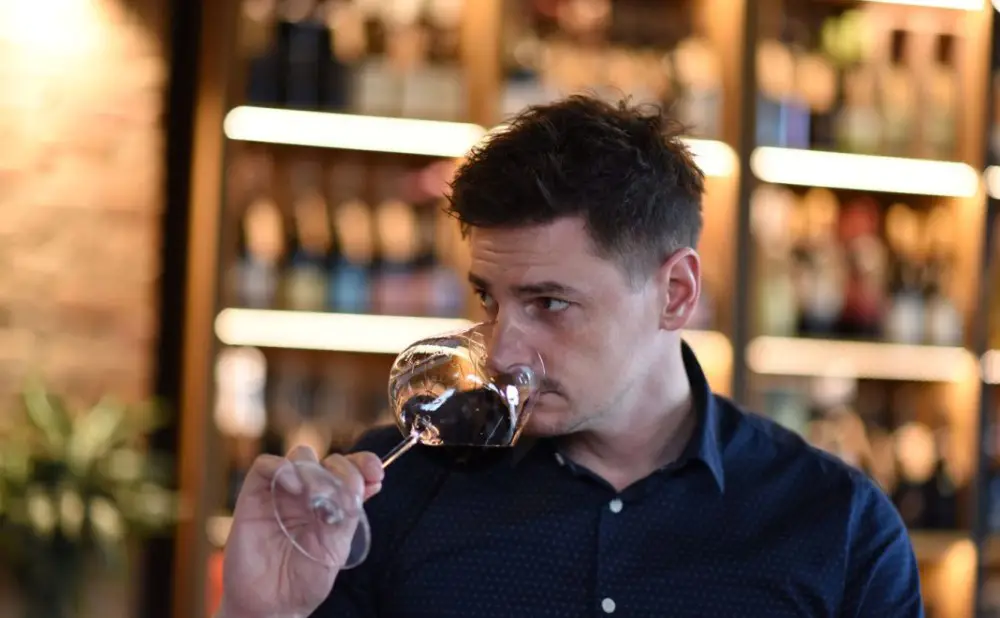
Đorđe Bikicki often walks the edge when it comes to probing the outer limits of organic production, and in the case of the Traminac named Uncensored 2022 he succeeded completely. This is a wine of perfect precision and purity on both the nose and the palate, with pronounced varietal aromas and flavours despite the long maceration. It has a pronounced tannic structure, but the tannins are fully ripe and rounded. The nose is memorable and the palate long-lasting, with enormous ageing potential. It is one of the finest works of this Fruška Gora wine punk.
Prokupac wins the day
The category of red wines from local varieties is always exciting, because there are no standards here, so we most often taste wines of differing styles and winemaker philosophies. Prokupac Doajen 2022 from Marko was fermented on indigenous yeasts, aged in new French barriques, and later harmonised in amphorae. Everything was done for a sound reason, so into the glass came an exciting wine of fruity aromas reminiscent of a good Pinot Noir. It is a synergy of power and elegance, unburdened by anything, yet a very rich wine in every respect. Everyone present noticed this and rewarded it with high scores.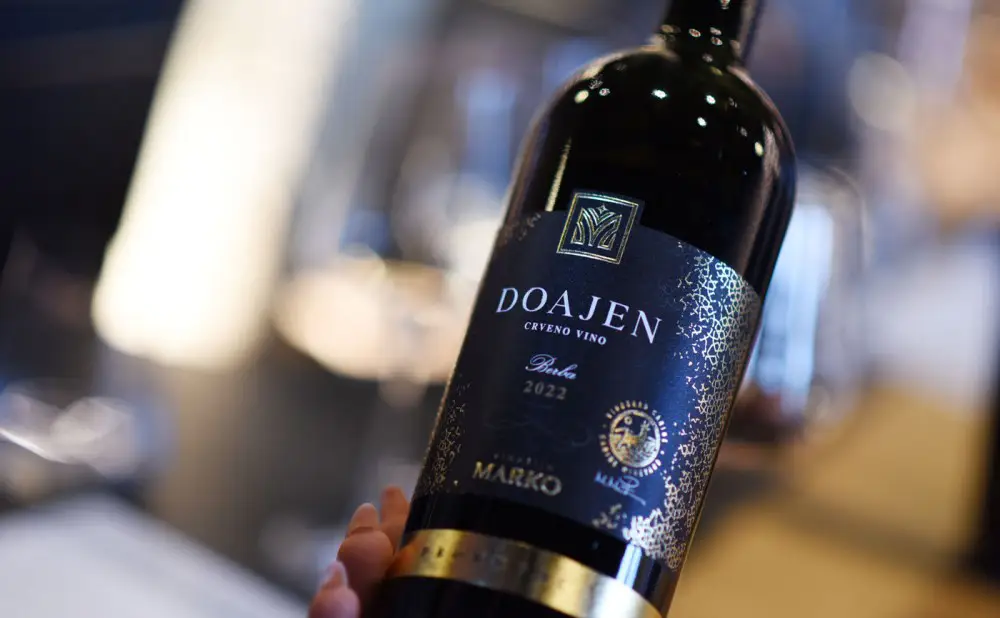
The organic Kadarka Maurer 1880 from 2022 is one of those wines that have a narrow circle of admirers, because it is hard to grasp without great experience. Yet the audience that does understand it is endlessly loyal and consistent, just like fans in sport or music. It was precisely with this Kadarka that divided opinion among the tasters first appeared, and it sparked the widest debate; I think that is exactly what the maker intended. The range of scores ran from the middle to the very highest. I like it very much – hats off to master Maurer.
Even ripe grapes preserve acidity
The best red wines from international varieties came from the wineries Arsenijević and Lakićević. Cabernet Sauvignon 2020 from Arsenijević showed the great potential of the variety in Šumadija, but also the continuity and reliability of the Šumadija winemakers. A wine without a weak point, with recognisable varietal aromas, a rich palate and a powerful tannic structure, yet soft and pliable enough.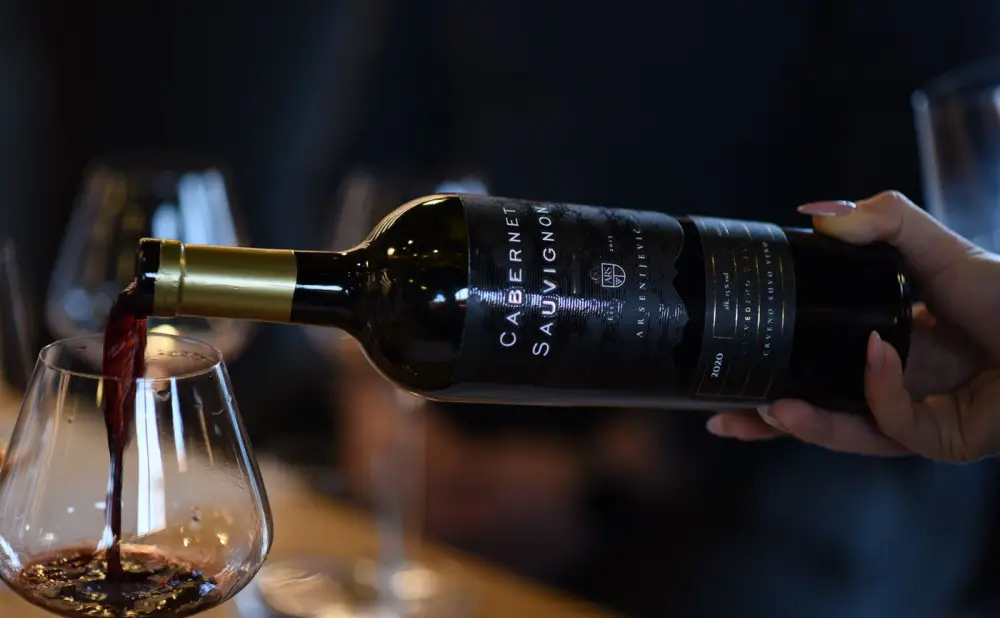
The organic red Corvus Cabernet Franc 2021 from the Lakićević winery was presented by winery owner Slaviša Lakićević. Vineyards at high altitude allow the grapes high ripeness while retaining high acidity. That is precisely one of the reasons why this wine is exciting and well put together on every level. It is entirely direct and offers itself straight away, like an old acquaintance. The intensity of the nose is moderate, as expected from the variety, but very layered.
Character and finesse
On the palate one notices a depth that comes from the high extract, alongside an excellent balance between the alcohol and the firm side of the spectrum. The synergy of the tannins is very good; the wine is unburdened by the oak, which brought character and the sought-after finesse. Energy, power and elegance are the main characteristics of this thought-provoking wine. It was one of the best-scored wines of that day in Rijeka.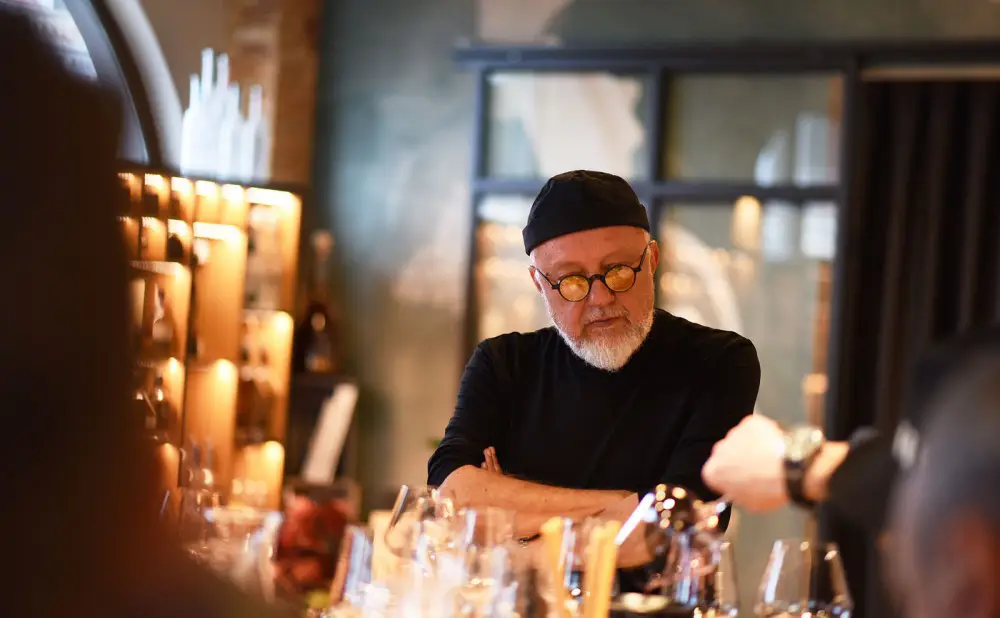
We finished with the sweet Crna Tamjanika Matalj from the 2023 vintage, which is crafted just as it should be. The varietal aromas of red rose and pomegranate carry seamlessly onto the palate. Most importantly, the residual sugar has been left at just the level that the acidity can argue for, so the wine is in good balance and the palate stays clean after the sip. A good wine without fault, but for something more a variety of greater character is needed.
All in all, an excellent tasting at which Serbian wines showed high reach and an upward trend, with room to progress, above all in the rosés and sweet wines.
Photographs: Ivana Čutura
08 April 2025