

 Written by: Krešimir Kožić, Vinski klub
Today, while the wine world is ruled by the “name tax” and the accelerating hunt for expensive white Burgundy, one great white grape waits quietly in the shadows. That grape is Semillon.
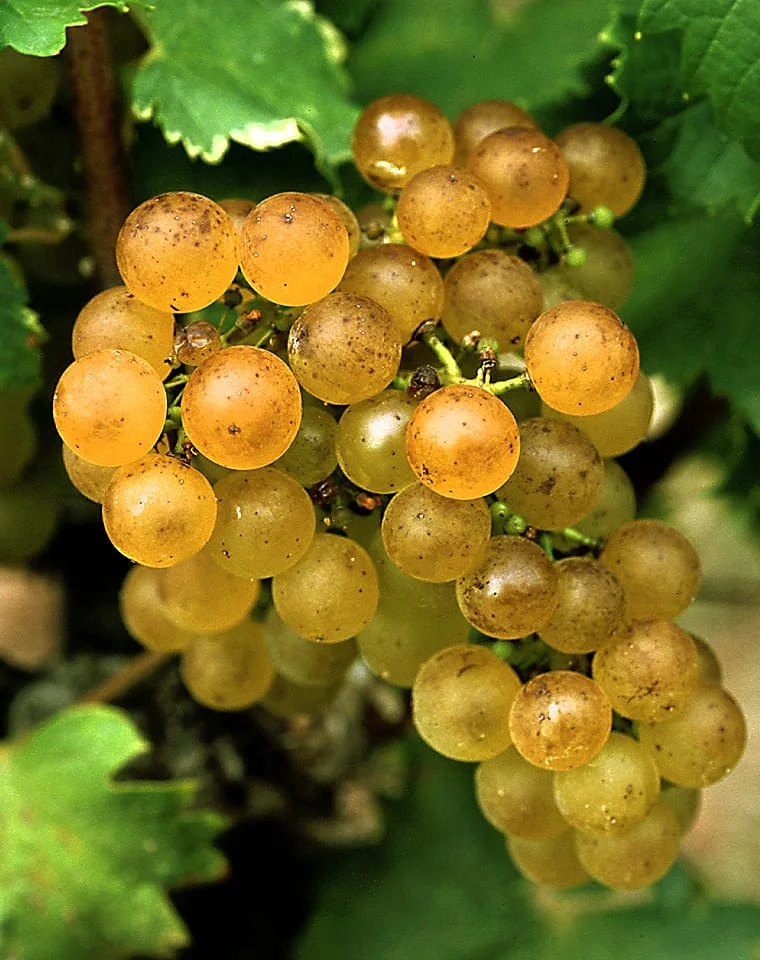
Often unfairly pushed aside or regarded as merely a “welcome partner”, Semillon is in fact one of the greatest chameleons of the world wine scene. It is a variety with a rare gift: to seem almost unremarkable in its youth, and then, with the years, to develop an opulence, waxiness and complexity that few white wines anywhere can match.
Semillon’s homeland is Bordeaux, one of the most important wine regions of France. Throughout history it was a grape of exceptional commercial importance. Thanks to its high yields and thin skin, in the 19th century it was one of the most widely planted white varieties in the world. That thin skin hides its greatest biological peculiarity, an extreme susceptibility to noble rot (Botrytis cinerea), which made it the foundation of some of the longest-lived, most celebrated and most expensive wines in history. The wines of Sauternes and Barsac are among its greatest historical achievements.
Today Semillon has found refuge in a handful of outstanding terroirs. France leads in production (around 10,000 hectares), above all in Bordeaux, where Semillon gives dry wines body and textural depth. Australia is its second home (over 4,500 hectares), while South Africa, Chile and Argentina hold precious old plantings that are now enjoying a renaissance.
Some time ago I experienced a “moment of truth” at a blind tasting I organised for a select group of wine enthusiasts and professionals. The focus was on pure, top-class Chardonnay. Among the six wines in the line-up, I quietly slipped in one wine of a different variety.
The wine had weight and remarkable textural depth, but the acidity and aromatic profile were not in step with classic Chardonnay. It smelled of beeswax, dried chamomile, dried lemon peel and a gentle touch of nuts. It was El Enemigo Semillon.
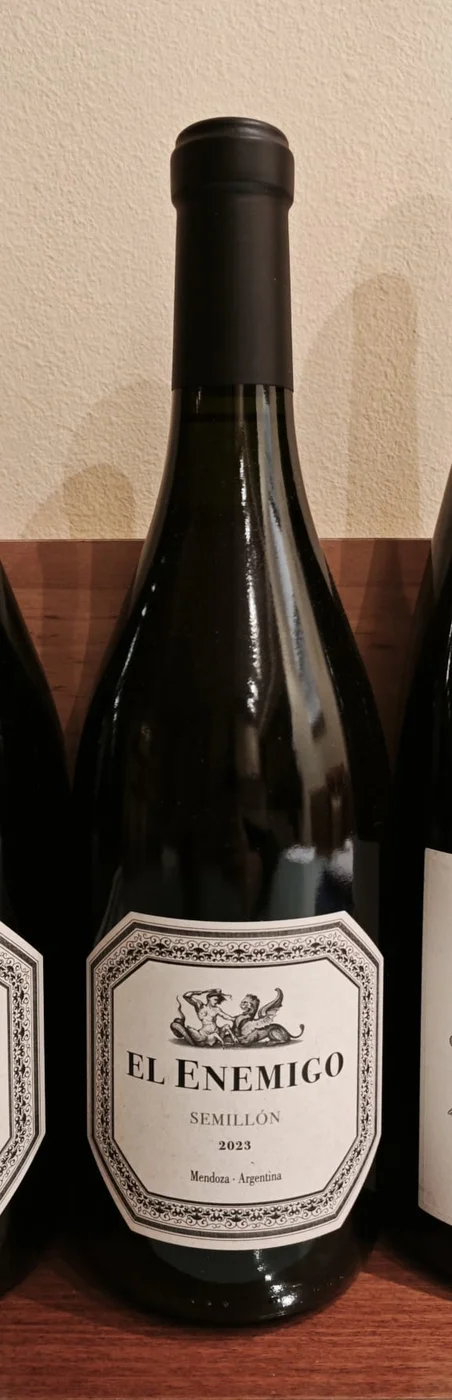
When the bottles were unwrapped, the shock on the faces of the group was priceless. That evening Semillon proved it can step into the ring as an equal with far more expensive Premier Cru Chardonnays from Burgundy and with examples from the New World.
Semillon is most present in France today, where it dominates the production of some of the world’s greatest sweet wines. At the same time it is a proven partner in prestigious dry Bordeaux whites, to which it brings mid-palate depth, waxiness and a firm structure for oak ageing. In the New World the most significant examples come from Australia, where in the Hunter Valley the grapes are picked extremely early (alcohol rarely exceeds 11%) and never see oak. In youth the wine is remarkably neutral, and only after five years does it begin to develop more intense aromas. After ten to fifteen years it reaches its peak, developing notes of toast, butter and honey. We might call it an incredible transformation trick.
In Argentina Semillon plays an important role, especially in Mendoza, where Alejandro Vigil of El Enemigo, about whom I have written before, produces an incredibly complex Semillon. By contrast, Matías Riccitelli makes wine from old vines in Patagonia and favours ageing in concrete eggs.
Wines I recommend
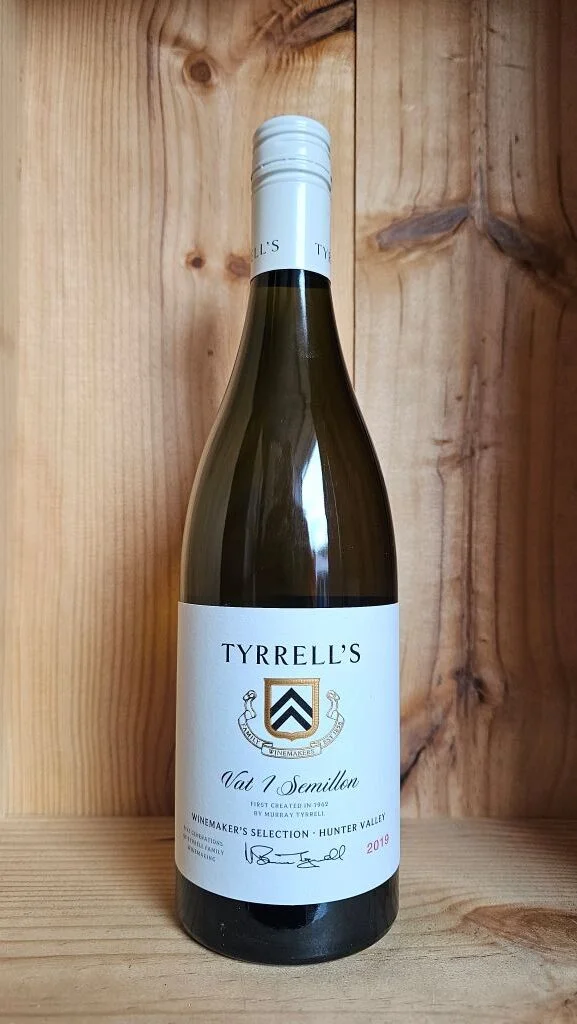
Tyrrell’s Vat 1 Semillon (Hunter Valley, Australia). The world benchmark for the dry, unoaked style: pure lime energy, refined waxiness and an astonishing capacity to age at low alcohol.
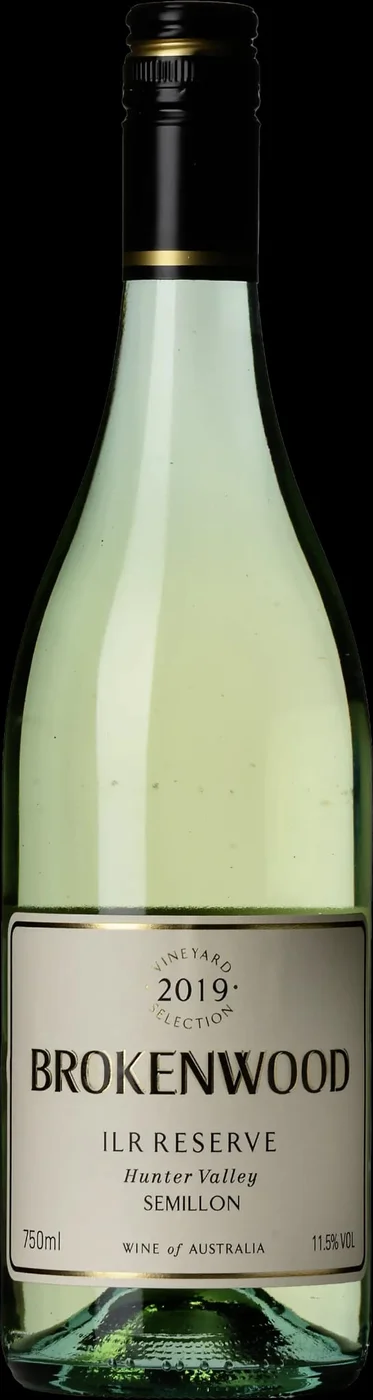
Brokenwood ILR Reserve Semillon (Hunter Valley, Australia). One of the few serious rivals to the legendary Tyrrell’s Vat 1, although stylistically it takes a somewhat different path.
El Enemigo Semillon (Mendoza, Argentina). A dry example with a period of ageing under flor yeast and in wooden casks. An exceptional wine, a stylistic one-off and the avant-garde of the New World. It can compete with the very best Chardonnays.
Boekenhoutskloof Semillon (Franschhoek, South Africa). Dry and full-bodied. Aged in French oak. A representative of a vineyard more than 100 years old and of restrained oak influence.
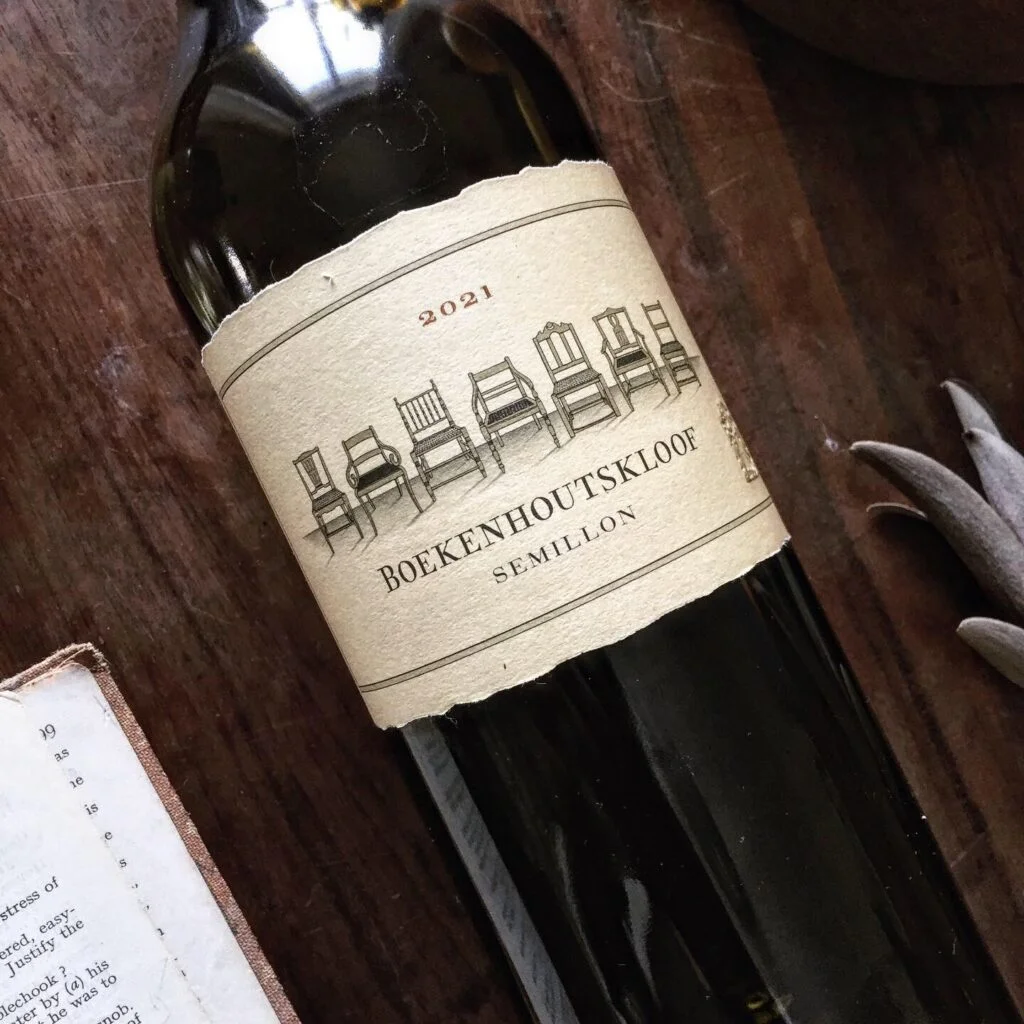
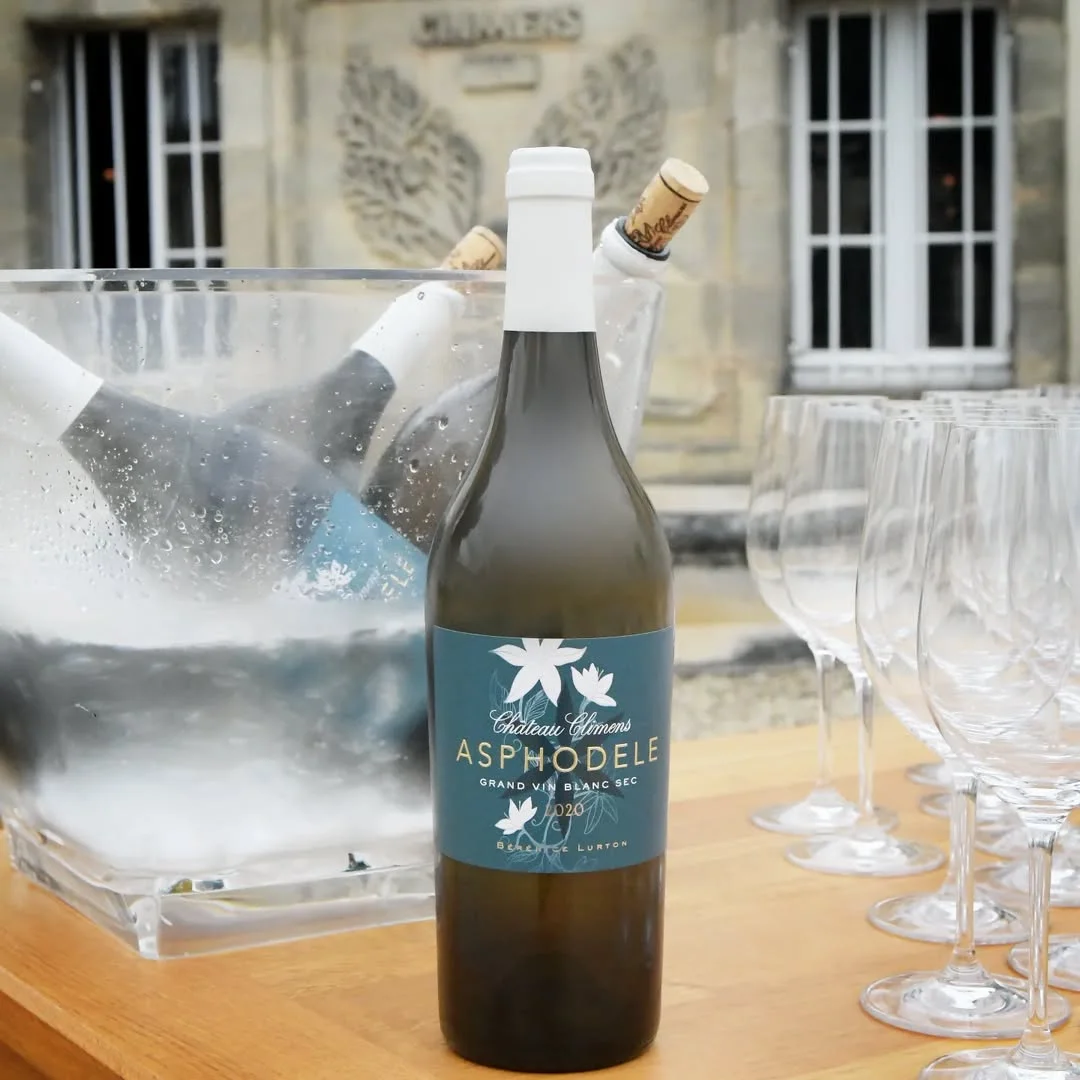
Château Climens Asphodèle (Barsac, Bordeaux, France). Dry, biodynamic, aged in a combination of concrete and stainless steel. The embodiment of the precision and freshness that Bordeaux limestone gives.
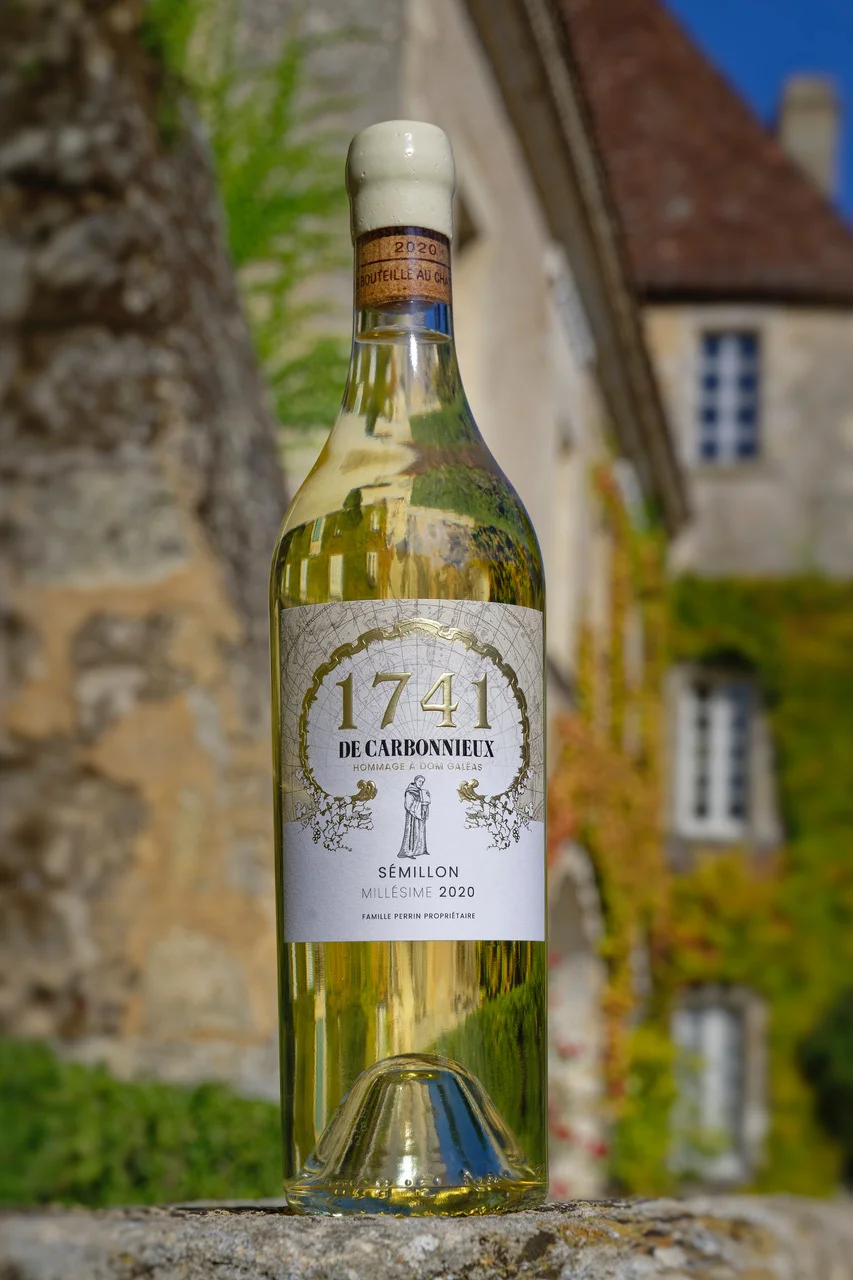
Château Carbonnieux 1741 Hommage à Dom Galeas (Pessac-Léognan, Bordeaux, France). A dry, very rare pure Semillon from old vines, aged in wood. The power and prestige of exceptional Bordeaux.
Thanks to its combination of natural waxiness, oily texture and a fine phenolic grip on the finish, Semillon is one of the most rewarding wines for the table. Young Australian examples are superb with shellfish, oysters and other seafood. Richer, oak-aged styles pair well with roast poultry, veal risotto and lobster. Argentine interpretations work particularly well with smoked fish, Asian dishes and demanding ingredients such as artichokes. In its sweet form from Sauternes or Barsac, the natural partners are foie gras and noble blue cheeses.
Semillon still offers one of the greatest values in the world of fine wine: exceptional quality, relatively accessible prices and the potential for decades of ageing. It is not a grape that wins you over at first meeting. Its greatness reveals itself gradually, through texture, time and layers that slowly unfold in the glass.
In a world that increasingly rewards volume, Semillon stays quiet. And it is precisely in that quiet that its greatness lies.