

 Written by: Krešimir Kožić, Vinski klub
One of the most widespread misconceptions in wine is that Germany is above all a country of Riesling.
Over the past fifteen years or so, other varieties, white ones in particular, have been gaining ever greater importance. There are several reasons for this. The first is the galloping rise in the price of white Burgundy, with no end in sight. The second is climate change, which has opened up space for what is increasingly being called German wine’s new golden age. Just as global warming favoured Riesling, so it has favoured the other international white varieties present in German vineyards.
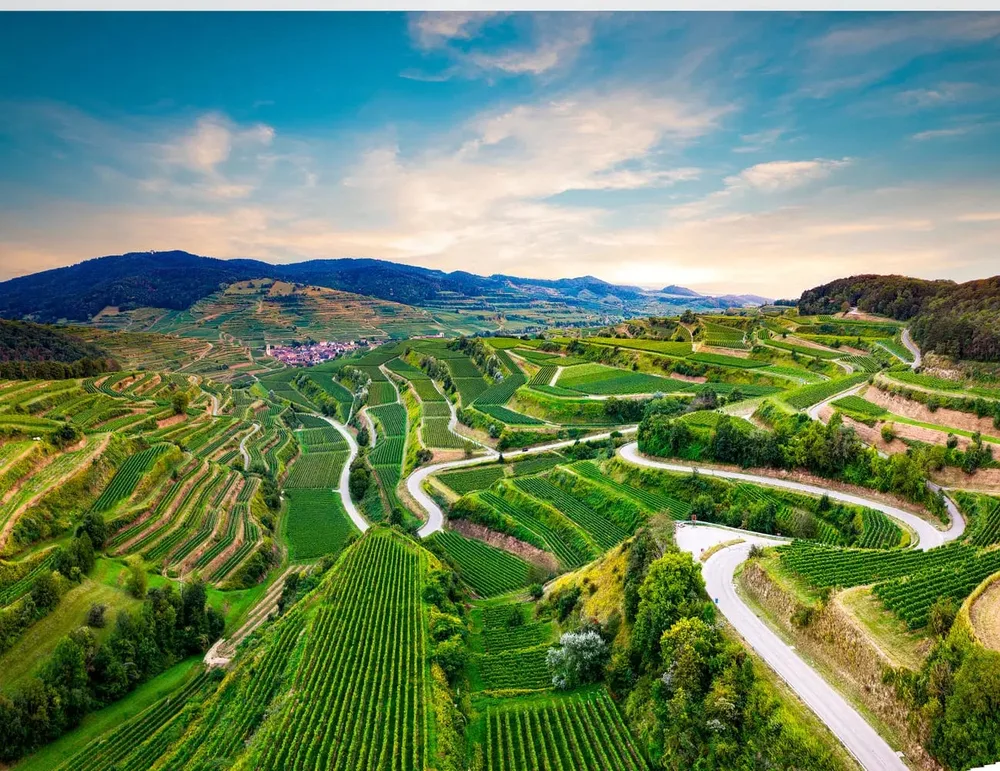
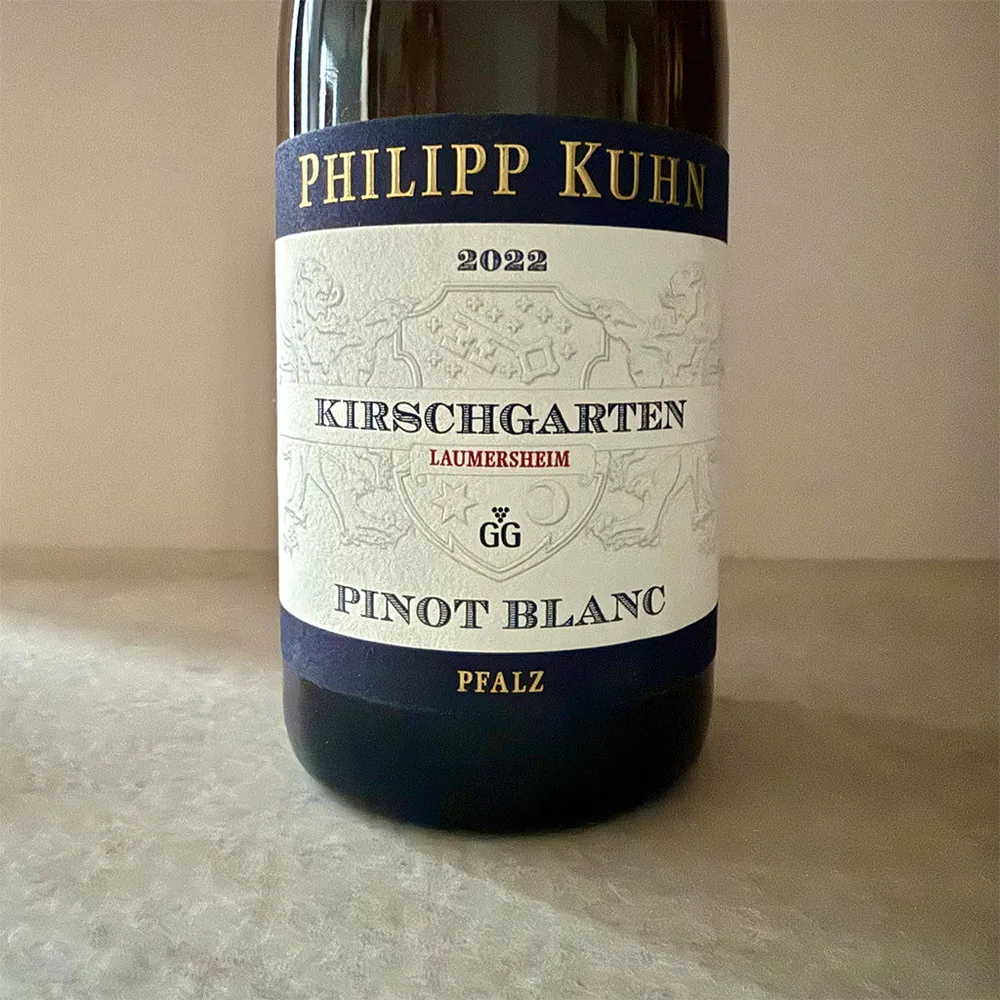
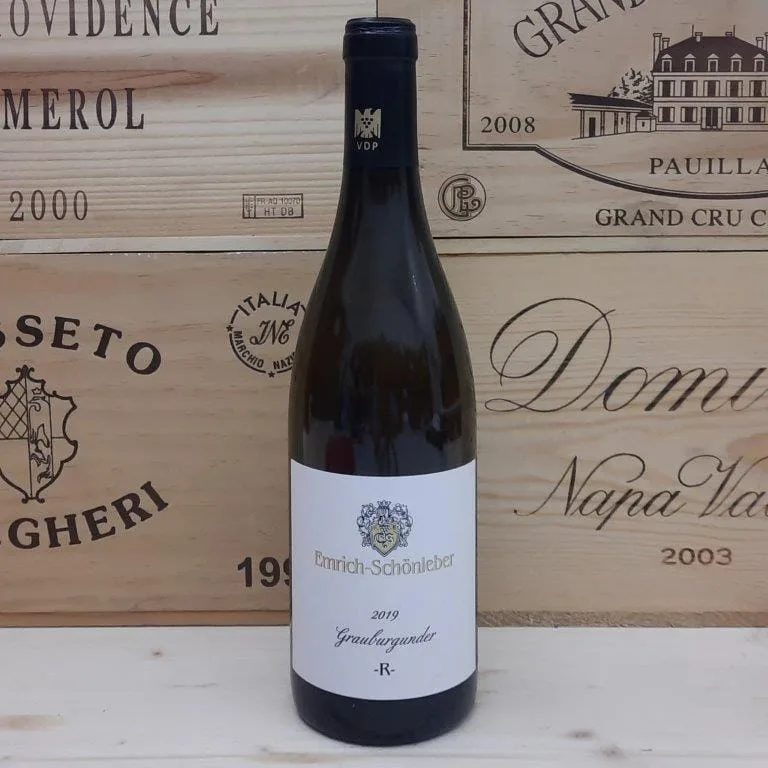
Some time ago I was given the demanding task of pitting two German wines from international varieties against two exceptional white Burgundies of Village classification. All the wines were from the 2022 vintage, and Burgundy was defended by Henri Boillot Puligny-Montrachet and Henri Germain Meursault. Germany was represented by Emrich-Schônleber Grauburgunder ‘R’ and Philipp Kuhn Weissburgunder Kirschgarten GG.
This blind tasting was extremely demanding for everyone involved, because all the tasters were looking for the signature of top Burgundy: vibrant acidity, perfectly integrated and refined oak, and a deep mineral structure. Once the wines were revealed and the bottles stripped of their “pyjamas”, a surprise followed. All the wines were scored within a single point of one another on the 100-point Parker scale, between 93 and 94 points. The overall winner was the Philipp Kuhn Weissburgunder Kirschgarten GG.
That moment of realisation also offers the most important conclusion of the workshop. German wines from Burgundian varieties have already arrived on the stage of the world’s wine elite. And they have done so without great fanfare or media noise. They are no longer merely affordable substitutes, but wines of equal quality with a unique stamp of terroir and an excellent price-to-quality ratio.
Where can we find white varieties other than Riesling in the German regions?
Franken leads the way with Silvaner and Weissburgunder, which on shell limestone and red sandstone develop pronounced minerality and precision.
Baden has established itself as the home of outstanding Grauburgunder, Weissburgunder and Chardonnay, which find their finest expressions on volcanic soils and deep loess.
Pfalz is particularly interesting for Weissburgunder and Chardonnay, varieties that achieve impressive structure and elegance on calcareous marl.
Rheinhessen has been delighting in recent years with Chardonnays and Weissburgunders from limestone and chalky soils that give the wines tension and refinement.
The Nahe, with its unique combination of volcanic soils and slate, produces wines of pronounced complexity and distinctive character.
Six bottles for understanding the German white renaissance
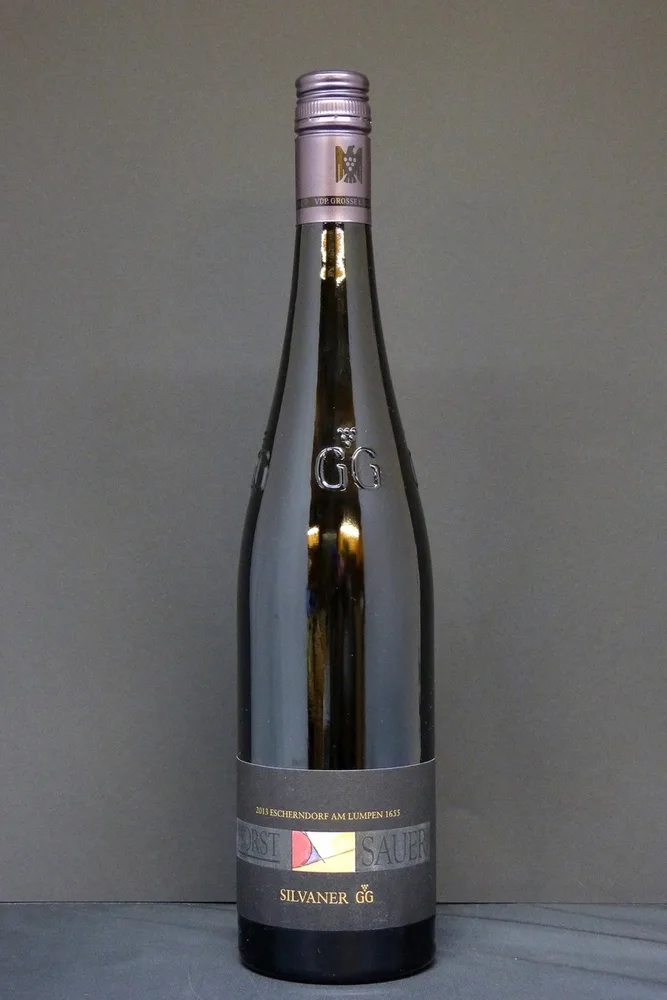
Horst Sauer – Silvaner Escherndorfer Lump GG (Franken)
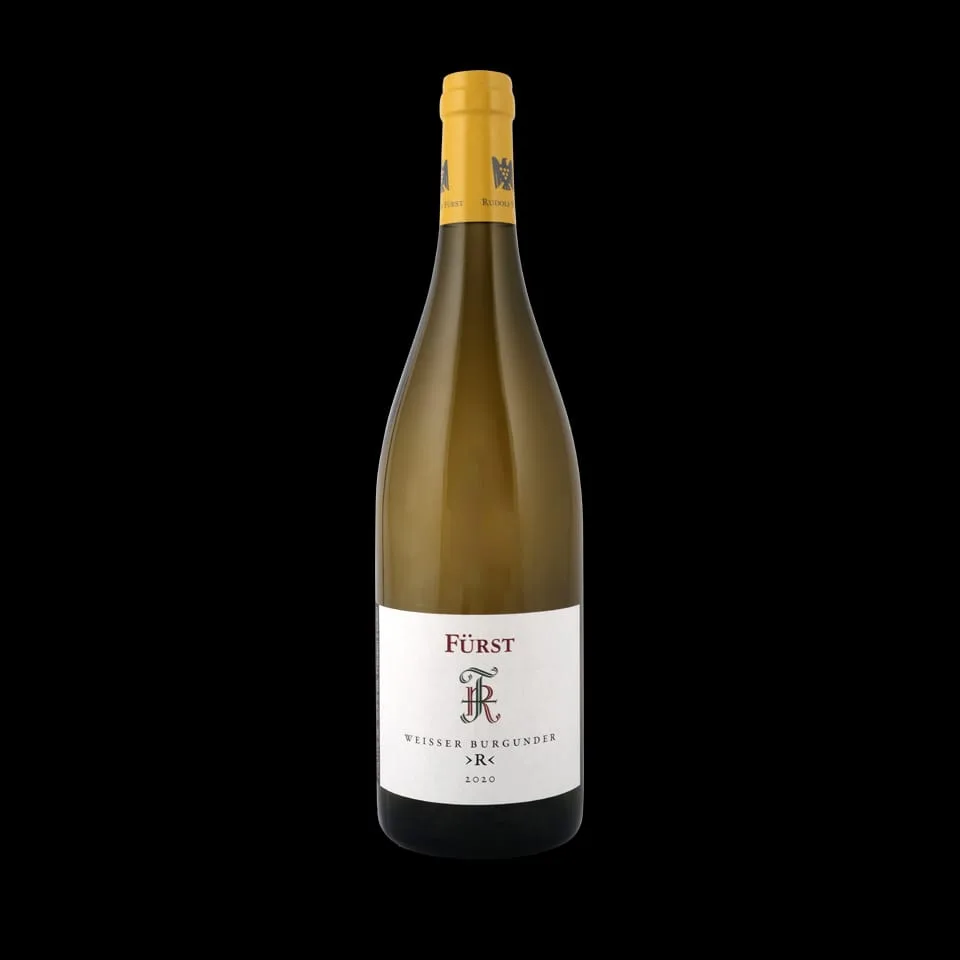
Rudolf Fürst – Weisser Burgunder ‘R’ (Franken)
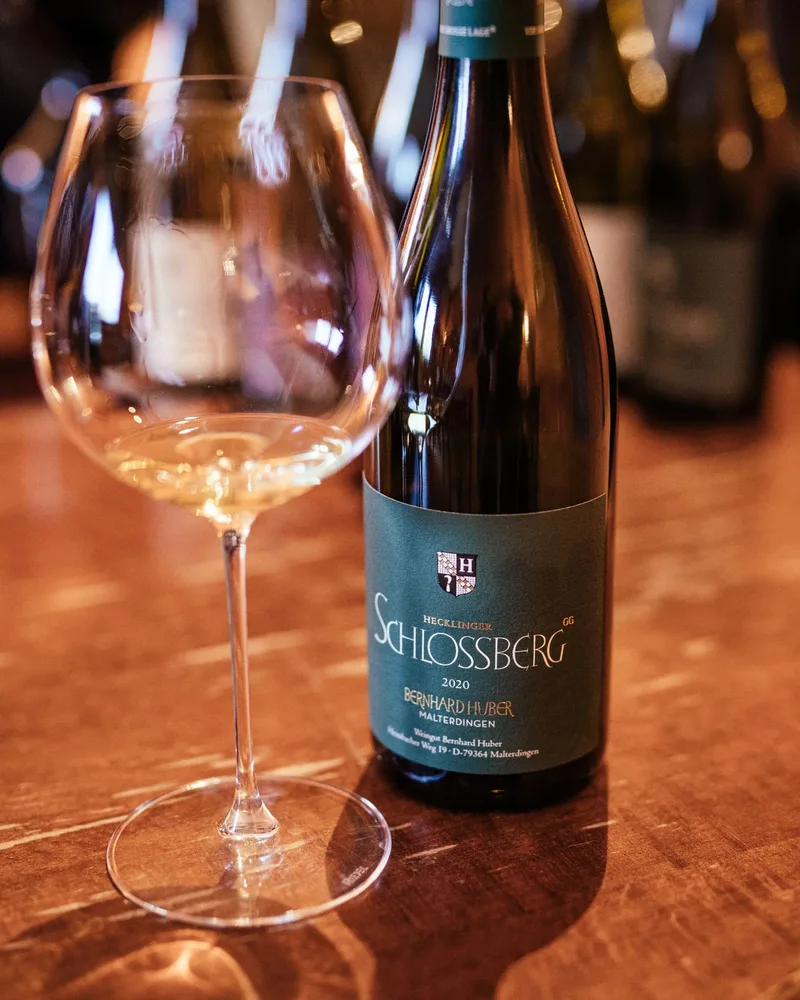
Bernhard Huber – Chardonnay Schlossberg GG (Baden)
Philipp Kuhn – Weissburgunder Kirschgarten GG (Pfalz)
Emrich Schônleber – Grauburgunder ‘R’ (Nahe)
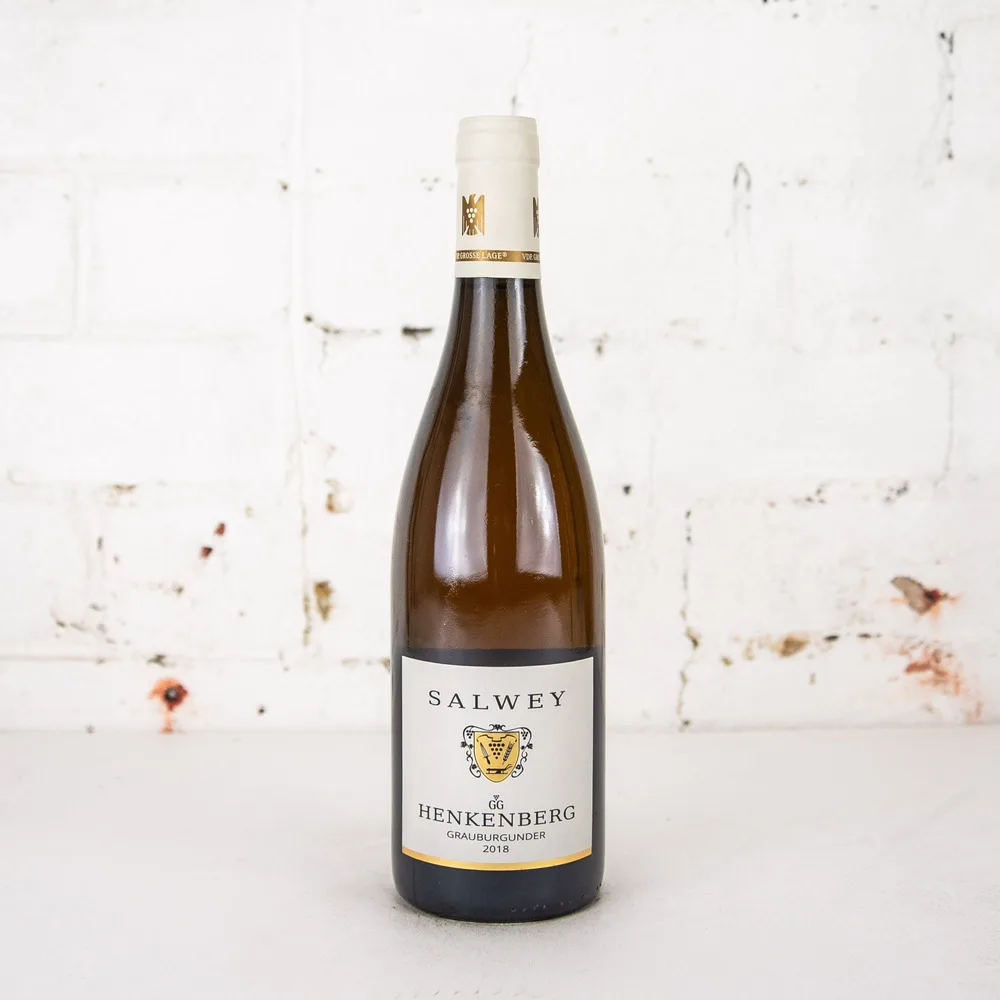
Salwey – Grauburgunder Oberrotweiler Eichberg GG (Baden)
Tasting any of these wines will easily give you a sense of how far German winemaking has come in its work with international white varieties. At the same time, you will feel how much the individual terroirs differ from one another, despite belonging to the same country.
All these wines carry that recognisable German precision, clarity and focus that make them special. Despite their growing international reputation, many of them still offer extraordinary value for money, particularly compared with white Burgundy.
Riesling will always remain the most recognisable face of German wine. But the future of German white wine is being written by other varieties too, and the most exciting discoveries often begin precisely where our preconceptions end.