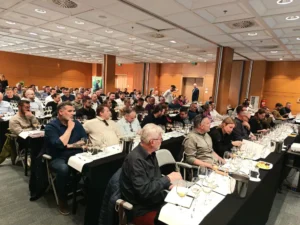



Yes: rather than Istrian Malvasia, we prefer to call it Malvazija Istarska (Istrian Malvasia), because it seems to us that such a definition further emphasises its elite production area. That is the first sentence of the first chapter of the book Malvazija: The History and Culture of Istria, published by the Istria County and written by Walter Filiputti, an oenologist and publicist from Udine, presented at this year’s first tasting of young wines of Istria and Kvarner at Zagreb’s Esplanade hotel. The Istrian revival took shape in the early nineteen-nineties thanks to a small group of winemakers who rediscovered Malvazija and its history, and who knew how — because they wanted to — to give it identity and distinction, interpreting it in keeping with the style of our time, Filiputti wrote in the first part of the book, devoted to Malvazija Istarska and the other Malvasias of the Mediterranean.
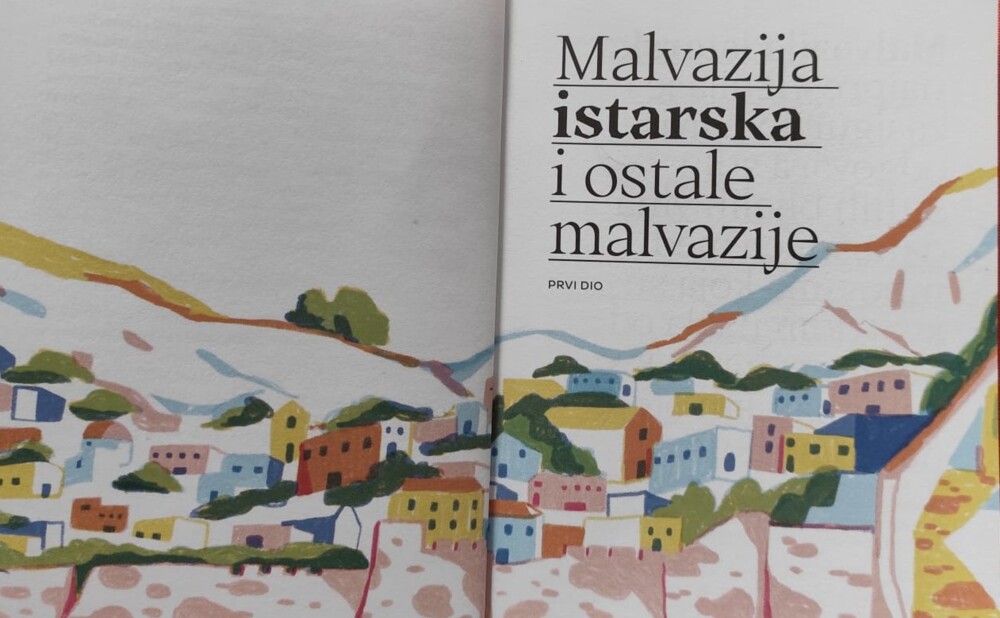
There are forty varieties called Malvasia
In the second part he presented at length the pioneers of the Malvazija Istarska revival. They are Nino Jakovčić, Franko Kozlović, Moreno Degrassi, Moreno Coronica, Ivica Matošević, Nikola Benvenuti, Giorgio Clai and Miroslav Plišo, founder of the Meneghetti winery in Bale. Plišo entered the wine world about a decade after those named above, but in this chapter he earns his place for the unique tourism complex Relais & Châteaux Meneghetti Wine Hotel & Winery. He brought together wine, oil, cuisine, hospitality and a hotel with the beauty of the place where he created it. The hotel has 100 beds in villas, some of them with pools.
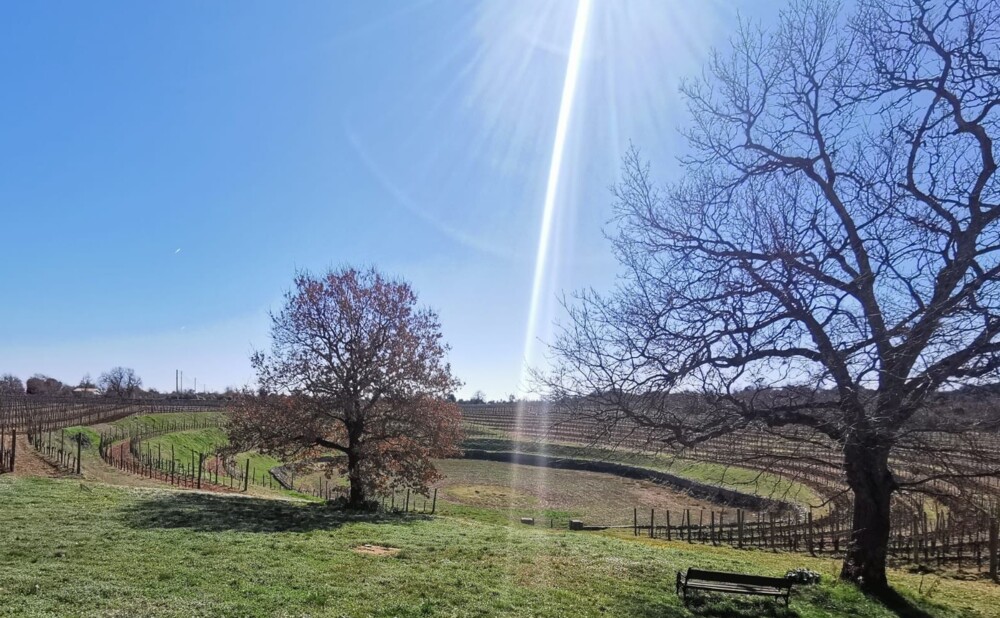
The Mare Nostrum vineyard is planted with 47 varieties and/or clones
Perhaps the most ambitious part of the Meneghetti story is Malvazija Simfonija. It began in 2018 with the decision to establish the unique Mare Nostrum vineyard, a collection of 47 varieties and clones with various versions of the shared name Malvasia. On a plot of 7,760 square metres at the estate entrance he planted 4,075 cuttings, and beside the wine shop another 15 rows of 15 plants each, a Mare Nostrum vineyard in miniature. All the varieties and clones are vinified together into a single wine, a kind of monument to the Malvasias of the Mediterranean. Walter Filiputti knows the Meneghetti wines, the winery and the whole project intimately, having been their consulting oenologist from the very beginning. 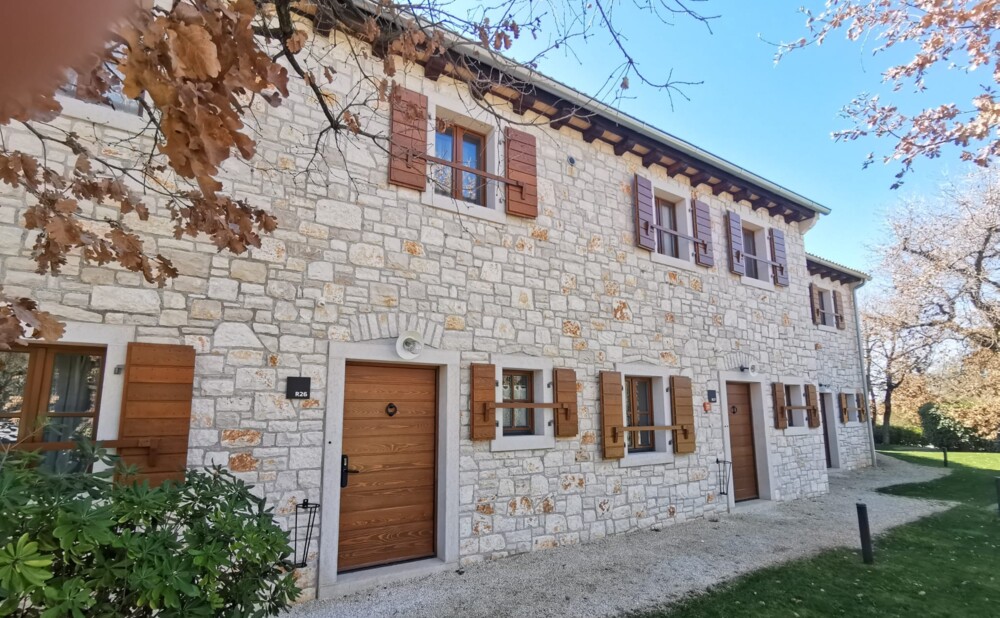
There are one hundred beds in the villas, and some have pools
The Meneghetti winery was not on the list of exhibitors at the Esplanade. That is understandable, because they do not sell young wines but aged ones. The other Istrian winemakers mostly brought Malvazija from last year’s vintage, while those from Kvarner brought fresh Žlahtina (Kvarner’s signature white). These are largely wines with fine potential. As for the Malvazija from last year’s harvest, it is certain that the weather affected the timing of the harvest and the quality of the grapes. It is interesting that the rains which fell in Istria in early September upset some winemakers’ plans in certain wine-growing areas, while others were spared the unnecessary precipitation that swelled the berries and diluted the extract, sugars and acids.
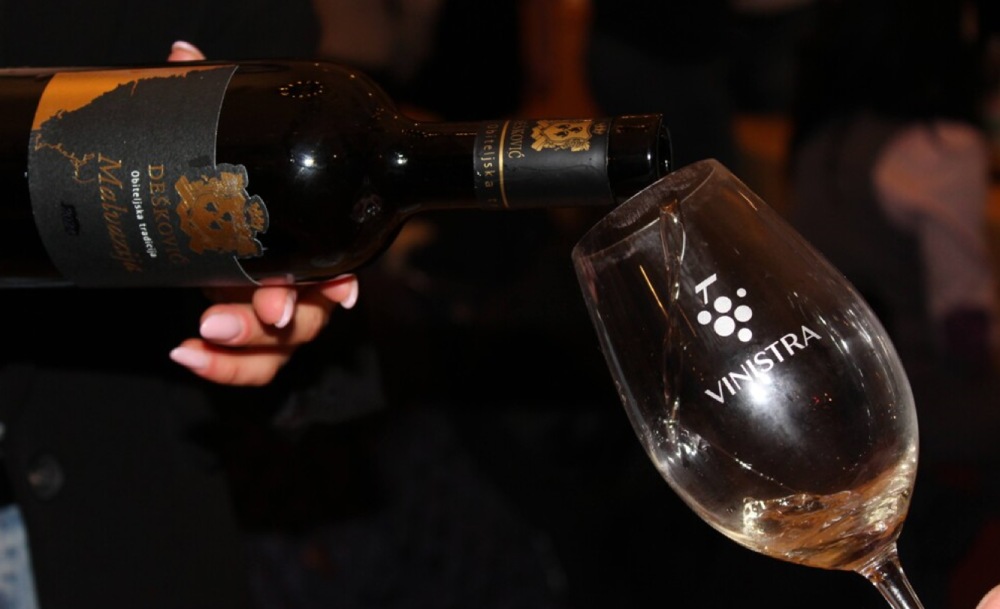
From a fair hand the poured wine is fairer still
Among the wines presented were some already on sale or about to be, some the winemakers are preparing for spring, and others that will be ready only in the autumn. It is clear that some winemakers rushed their new wines because they had run out of riper ones. They feared losing their position on the market. Yet the trends that force premature wines to the detriment of producers, consumers and the variety itself are hard to explain. It is hardly natural for a Malvazija to be on the shelves three or four months after harvest. Such wines most often come across as nervous, disjointed and unbalanced.
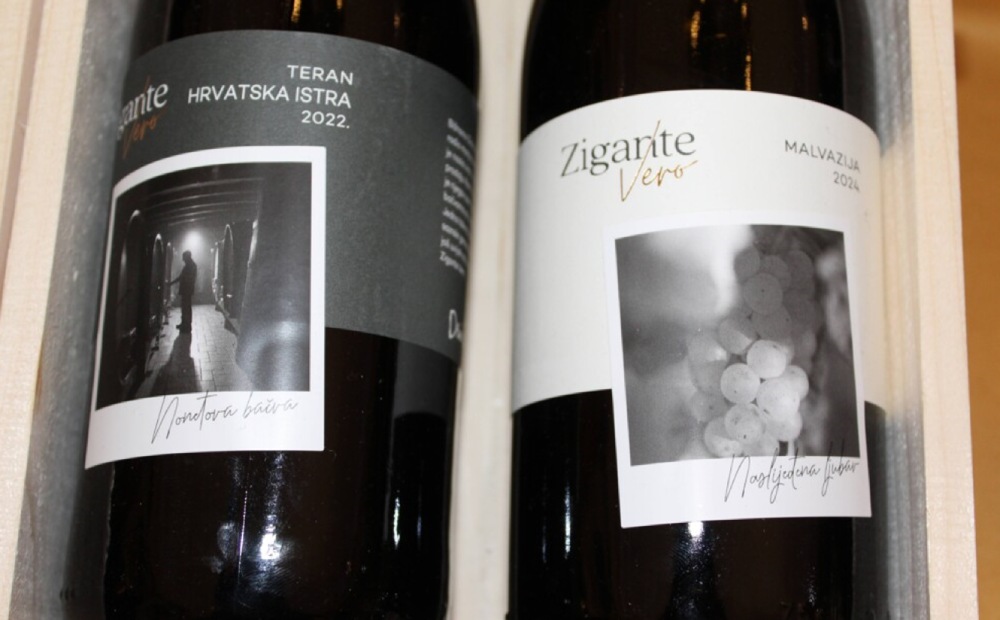
The general impression from this first showing of last year’s Malvazijas is that the aromas are pronounced but one-dimensional. The acidity, alcohol and extract are not knit together, the bitterness and phenolics are too marked, and the finish is short, lacking the desired depth. A few months of maturation would change the story, so it is good that the winemakers are, after all, preparing most of the Malvazijas on show for spring. Last year’s vintage will be average, in line with the changeable weather, and the quality of the wines will depend on the oenological knowledge and patience of the winemakers. It is pleasing that the young and/or less established winemakers largely showed a high understanding of the variety and a proper approach in the cellar. Here are a few more lovely photographs from the presentation of the 2025-vintage Malvazijas at Zagreb’s Esplanade.
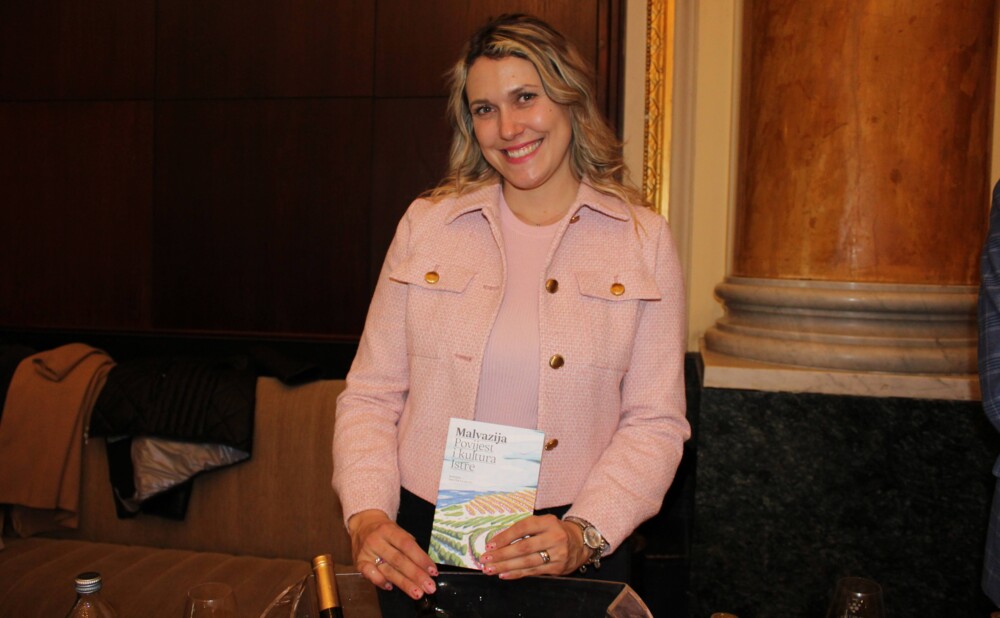
The book Malvazija: The History and Culture of Istria
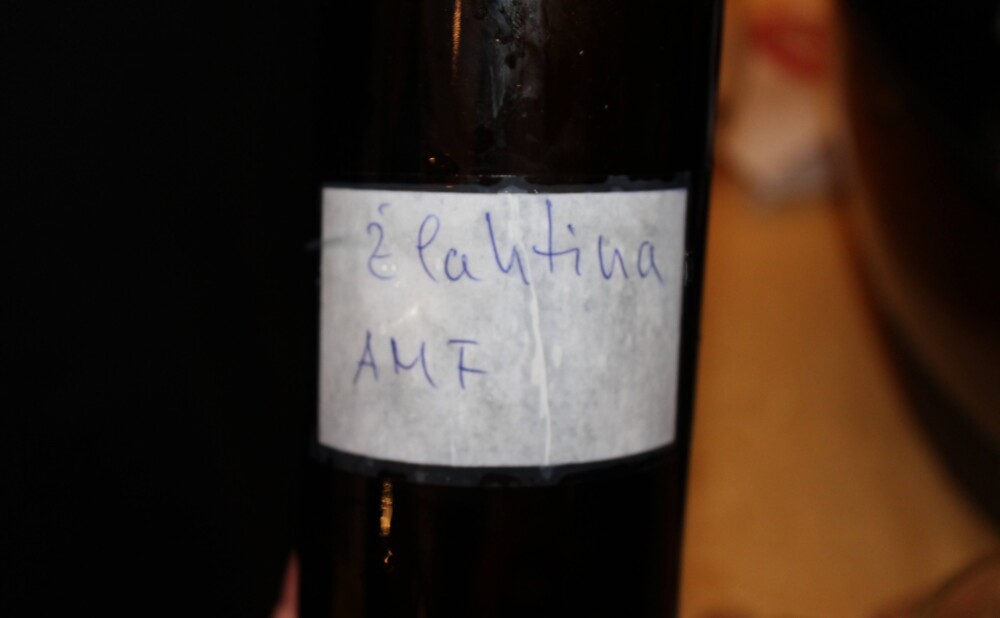
Žlahtina from amphora

Malvazija Tomaz
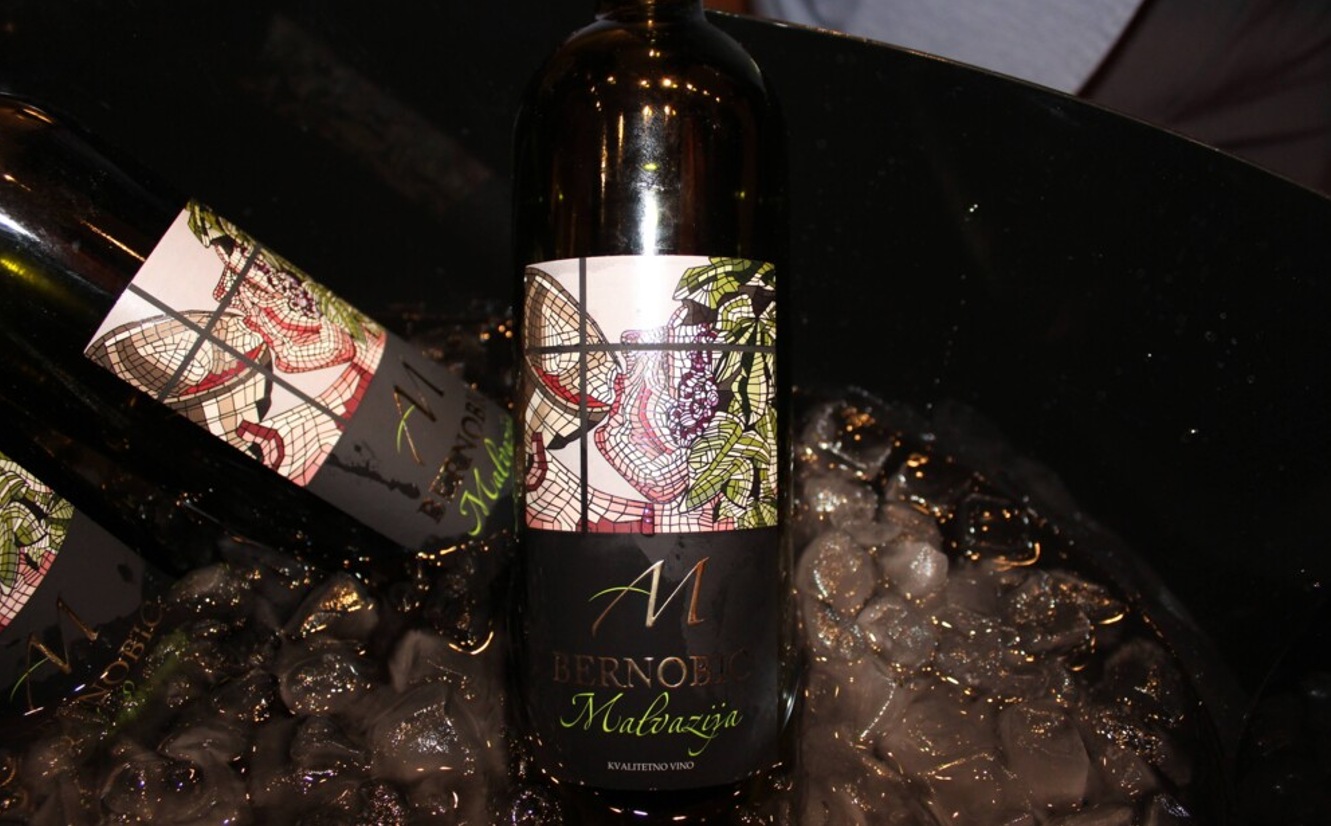
Malvazija Brnobić
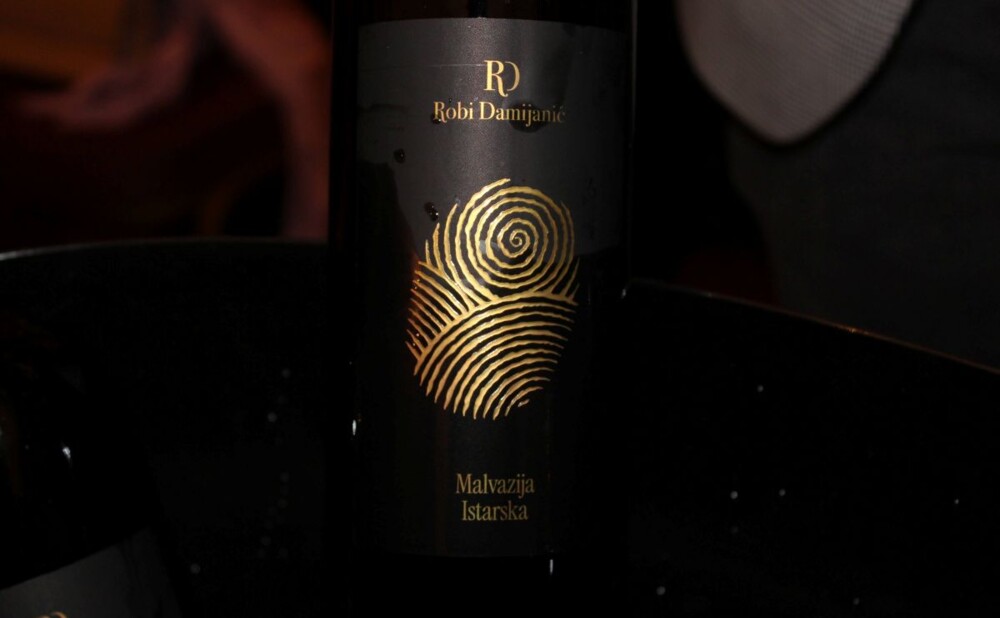
Robi Damijanić
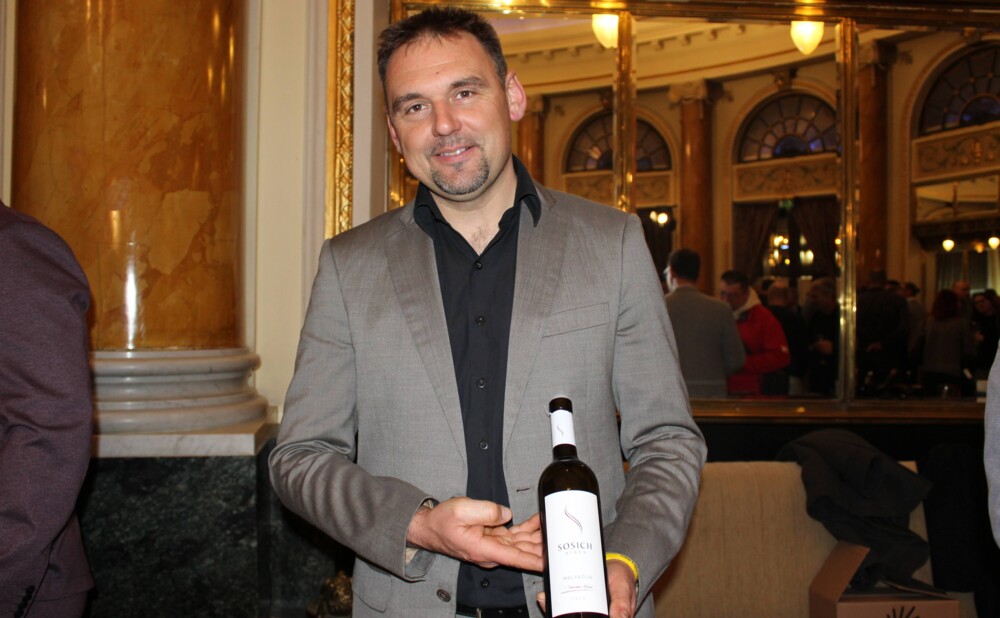
Malvazija Soshic
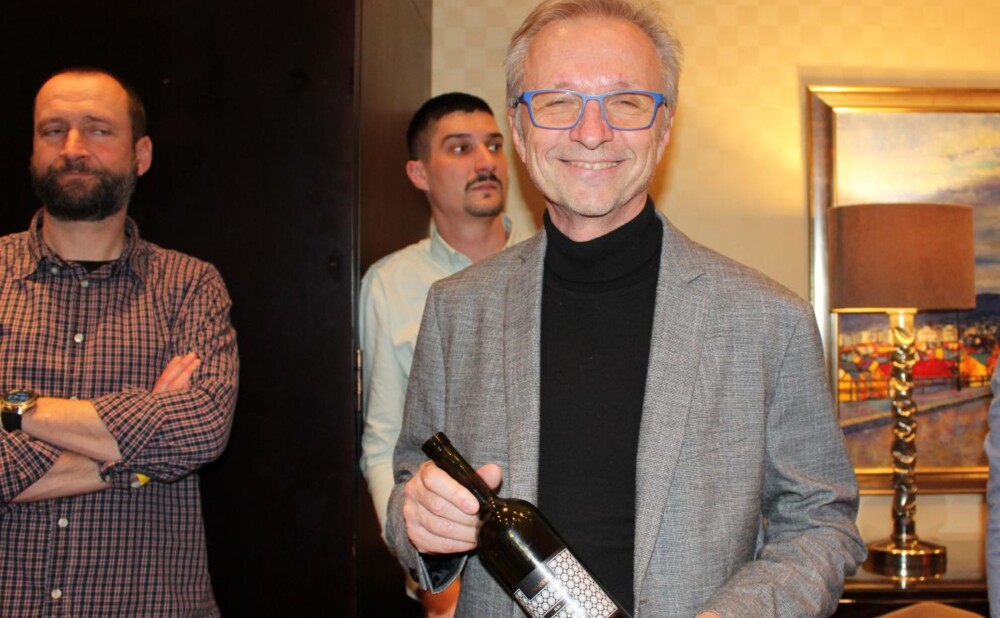
The king to close: Ivica Matošević

No selfie… Photographs taken by Ivana Pranjić/Cork Croatia and Bakhov sin/Vinski Klub
03 February 2026
Written by: Vinskiklub.hr