

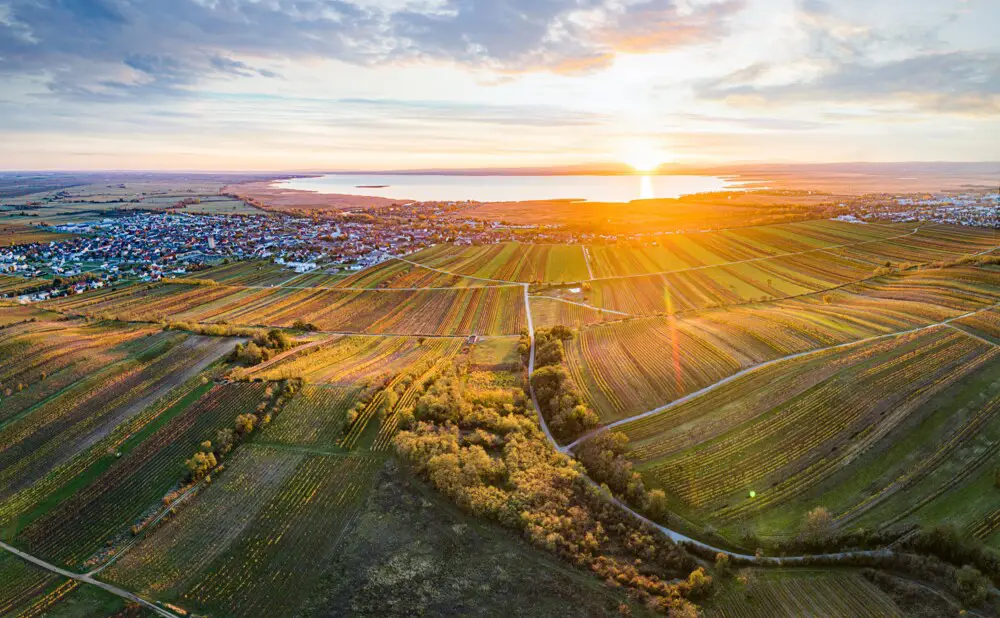
Gradišće, or Burgenland, is Austria’s easternmost federal province and thus its easternmost wine region. It lies on the shores of Lake Neusiedl (Neusiedlersee), under the influence of a hot, continental Pannonian climate. From here come Austria’s most opulent and most respected reds, made from Blaufränkisch (Frankovka) and Zweigelt. These are also the two most widely planted red varieties, covering 40 percent of Burgenland’s vineyards. The local whites are complex and esteemed, made from the three next most planted varieties: Grüner Veltliner, Welschriesling (Graševina) and Chardonnay. Burgenland’s sweet, Prädikat wines (Prädikatswein) are prized as well. Neusiedlersee is also the name of Burgenland’s largest wine sub-region, from which four wineries are coming to the third Austrian Wines Meets Croatia on 26 February at Zagreb’s Westin hotel. 
From Grüner Veltliner the Zantho winery, in Andau on the Hungarian border, also makes a Brut Nature Grüner Veltliner sparkling wine by the classic method, aged on fine lees for at least 12 months after the second fermentation in bottle. They also have a Brut Rosé sparkler from Pinot Noir and St. Laurent. Their single-variety still whites are a fresh Grüner Veltliner and a Reserve-labelled aged version, plus Sauvignon Blanc, Welschriesling and a bone-dry Muscat Ottonel. Pink Rosé is a still rosé from Zweigelt, a variety from which they also make a classic red, as they do from Blaufränkisch, St. Laurent, Pinot Noir and Merlot, some in aged Reserve versions. The labels are recognisable by their stylised drawing of a Pannonian lizard. 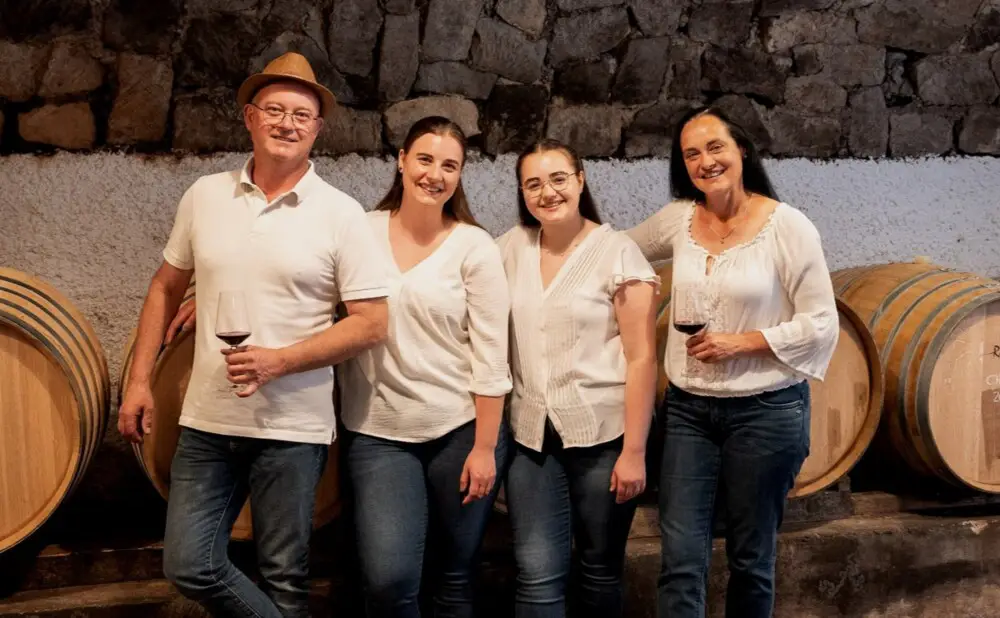
The aged Chardonnay Ried Edelgrund is the white flagship of the Riepl winery from Gols. They also have a fresher Chardonnay, a single-variety Pinot Blanc, a classic sweet Traminer bottled under the varietal name Traminer, a barrel-aged dry Queen of Hearts, and a white blend, Joy of Life, from Sauvignon and Welschriesling. Amaré is a red, a Bordeaux blend they are proud of, while Cabernet Sauvignon and Merlot are also bottled as single varieties. Their single-variety Sankt Laurent Ried Goldberg and Zweigelt Neusiedlersee carry their own names on the labels. 
Gols is also home to the Allacher Vinum Pannonia winery, well known for its Blaufränkisch Salzberg, a Frankovka from the Salzberg vineyard. Its single-variety reds are Zweigelt, St. Laurent and Merlot, while various blends of these varieties, and of Cabernet Sauvignon, arrive under fanciful names. These are All Red, Cuvée Gérard, Altenberg and Imperium. From Zweigelt they make sparkling wines, a rosé Frizzante and a still Rosé. The single-variety whites are Welschriesling (Graševina), Grüner Veltliner, Pinot Blanc, Chardonnay, Sauvignon Blanc and Gelber Muskateller (Yellow Muscat), from which they also make the amber wine Kopfsprung. They have two sweeties as well: All Sweet from Sauvignon and Chardonnay, and a Beerenauslese from Welschriesling and Sämling. The latter is an aromatic German variety, a descendant of Riesling, fondly called the younger brother of Sauvignon Blanc and more often known as Scheurebe 88. 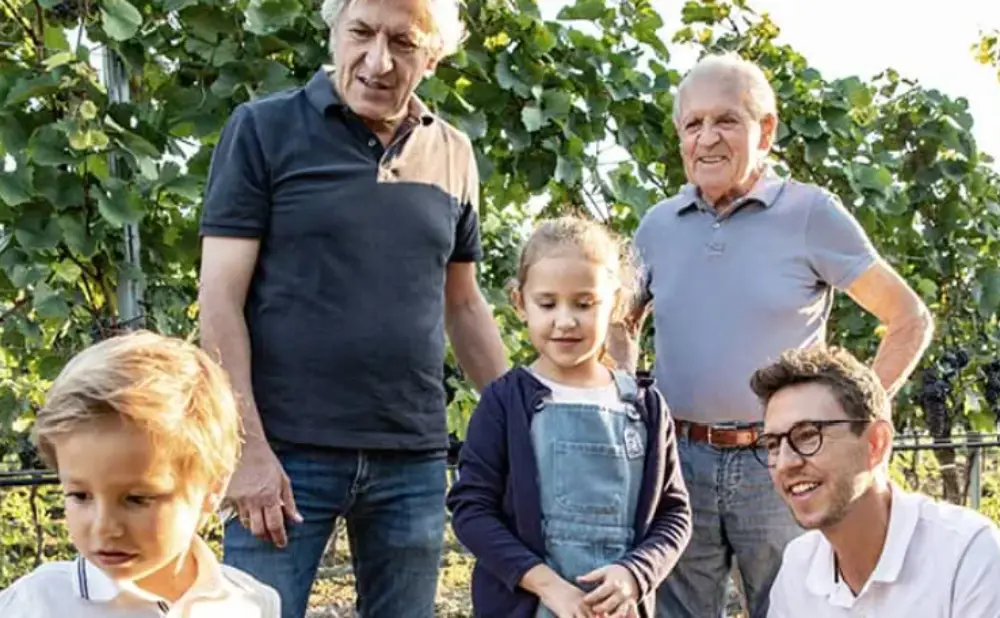
The Salzl Seewinkelhof winery from Illmitz has three wines from Zweigelt, a variety the botanist and professor Fritz Zweigelt created in 1922 by crossing Blaufränkisch and St. Laurent at the Teaching and Research Centre for Viticulture and Horticulture in Klosterneuburg. Selection, Reserve and Sacris are single-variety wines from Zweigelt, also known as Rotburger, which also appears in most of this winery’s red blends: in the sparkling and still rosé and in the red late harvest (Spätlese). Sacris is the flagship. The 2020 vintage is on sale and is well worth tasting. They offer a wide choice of other reds and whites, and the Salzl family also makes one that, by its name, would suit the shores of the Adriatic better than Lake Neusiedl. It is called Don Bepo, a blend of Sauvignon, Graševina, Bouvier and Yellow Muscat. In Austria, too, Bepo is a common pet name for those whose real name is Josef or Joseph. 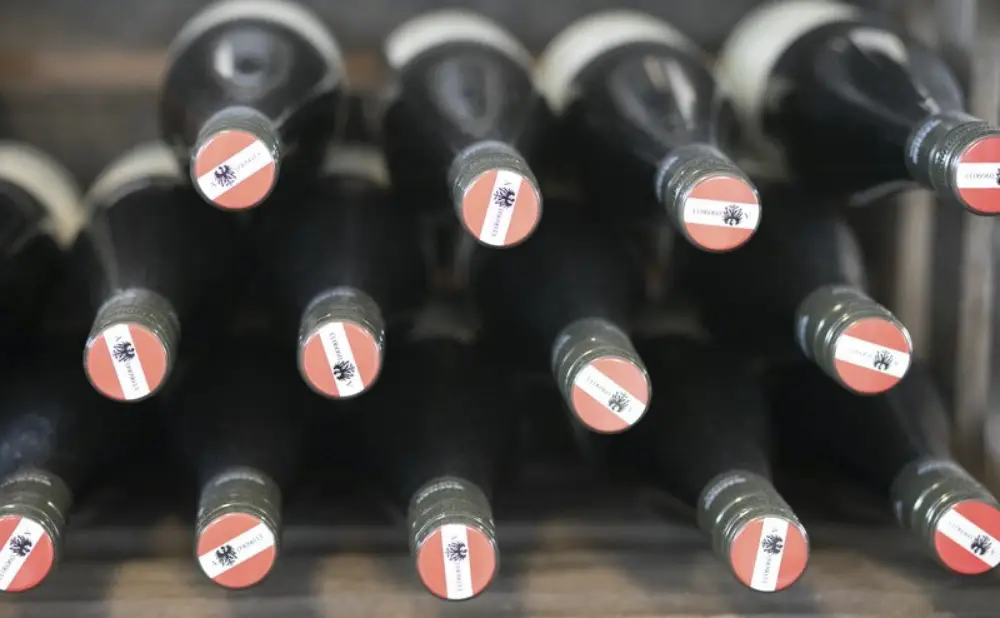
Tomorrow we will recommend wines from the Burgenland sub-regions of Leithaberg, Mittelburgenland and Südburgenland, and which Lower Austrian wines you should certainly taste on 26 February at Zagreb’s Westin hotel you can read here.
15 February 2026