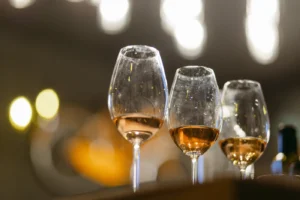


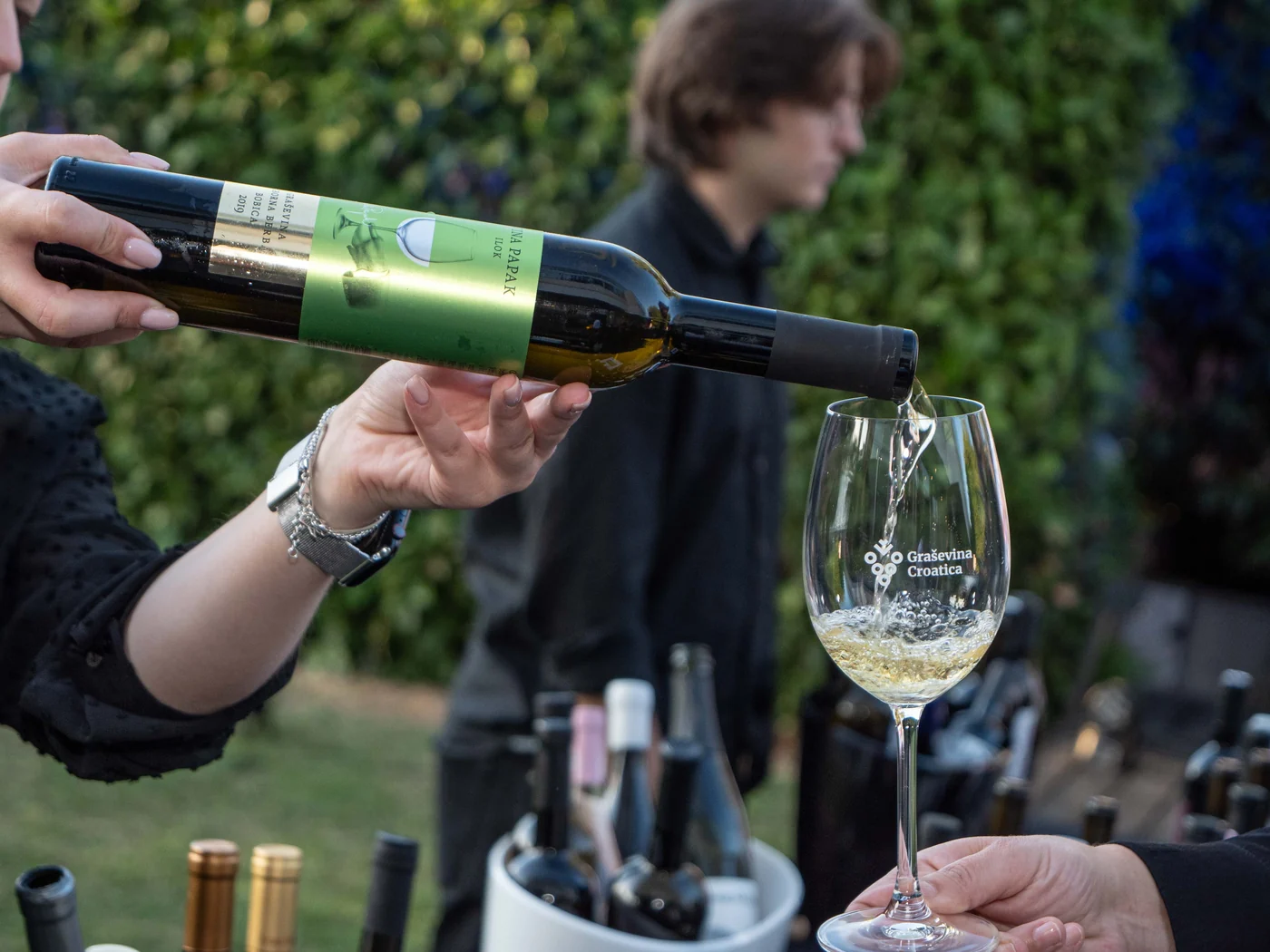
What happens when the wines that have collected the most important awards at home and abroad over the course of a year are brought together in one place? You get an evening in which medals stop being mere marks on a label, and wines placed before the public have to live up to the awards they have won. That is exactly the kind of encounter the Graševina Croatica association staged in Zagreb.
Best of 2026 at Zagreb’s Matis Absolut Lounge brought together wines that stood out over the year at domestic and international competitions. Golds and results above 90 points were the ticket into the selection.
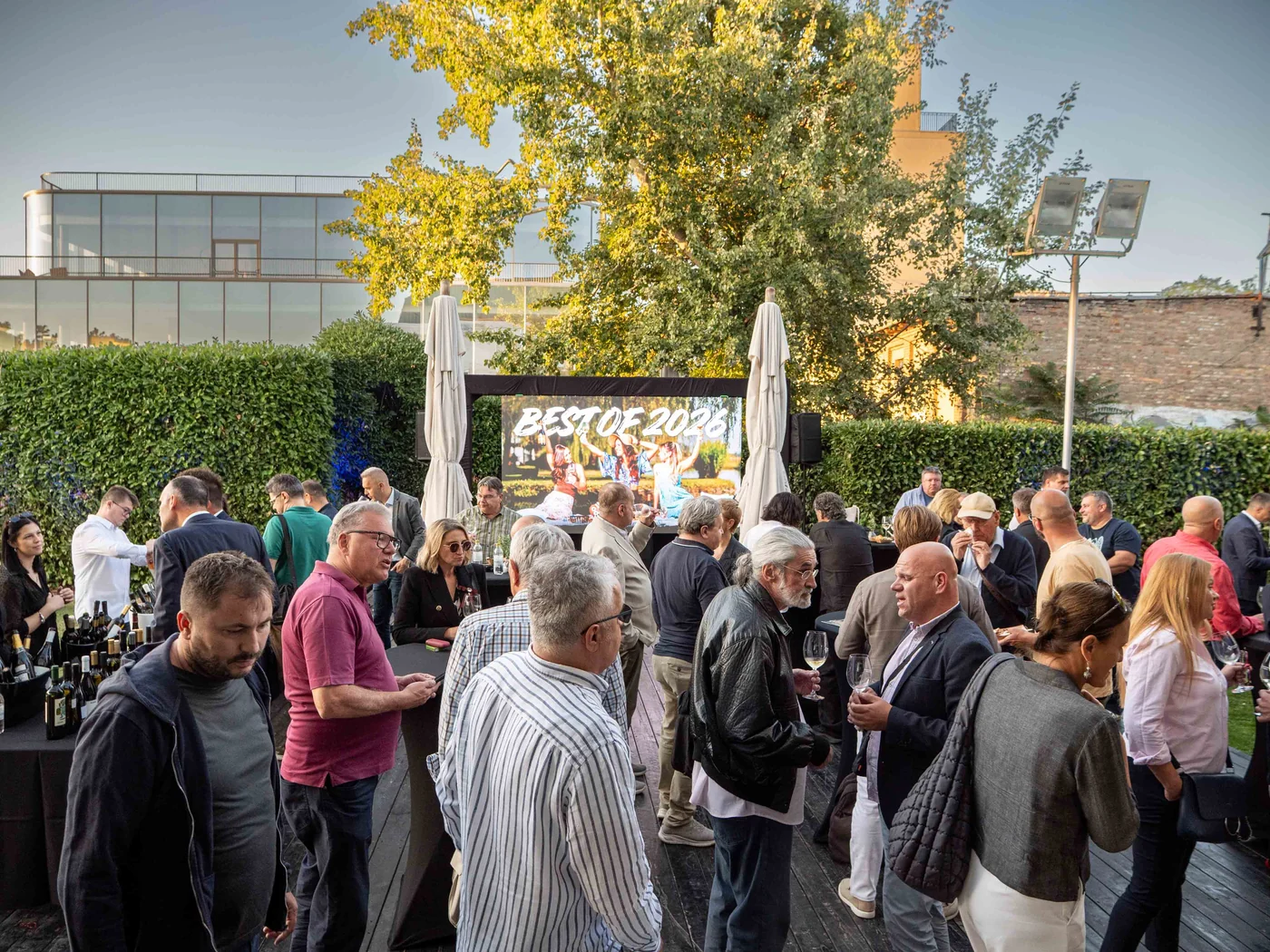
From the medal to the glass
In the world of wine, medals carry weight. They confirm that a wine has passed through the filter of expert judging and been recognised among its competition. For the public that actually tastes the wine, however, a medal is only the beginning of the conversation, and that is precisely why Best of 2026 made sense.
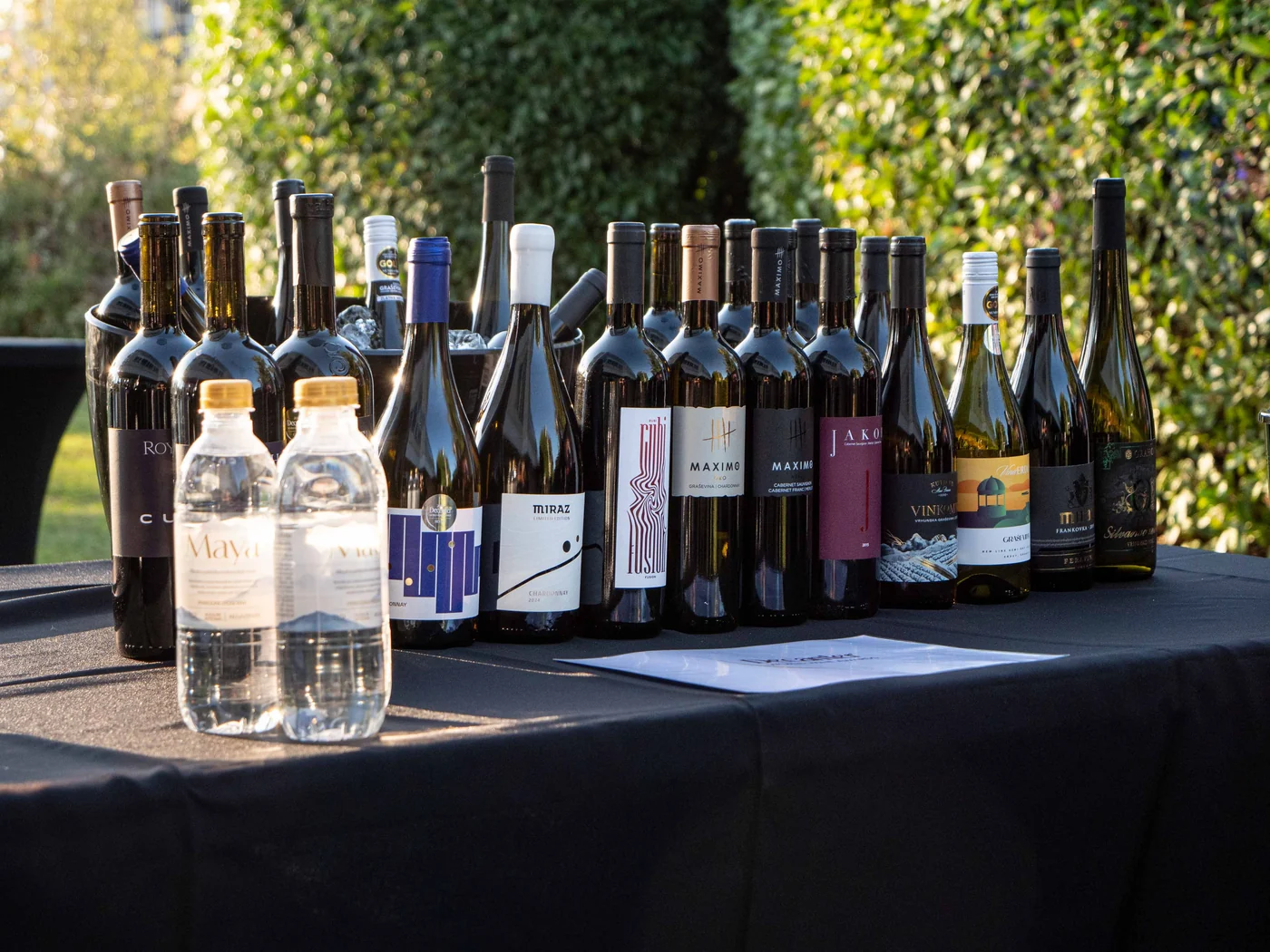
Rather than leaving competition results on ranking lists, the organisers put them in front of a wine audience. Visitors could taste wines that had distinguished themselves at competitions such as the Decanter World Wine Awards, Mundus Vini, Concours Mondial de Bruxelles, the Berlin Wine Trophy and other respected judgings. The result was a kind of cross-section of the year behind us, not through statistics but through different styles, varieties and winemaking signatures. And although Graševina was, as expected, one of the stars of the evening, it would be wrong to reduce the whole story to a single variety, because what has been happening in eastern Croatia in recent years is far broader.
Graševina remains the signature, but the story is no longer one-dimensional
Graševina is still the strongest link between the producers of Slavonia and the Croatian Danube region, yet on this occasion too it was clear that our eastern region is increasingly stepping outside the frame of a single variety. Alongside different interpretations of Graševina, the audience could get to know other varieties that show the range of production and the ambition of the growers. Excellent wines from chardonnay, sauvignon, frankovka, cabernet sauvignon and merlot stood shoulder to shoulder with our most important variety, which matters a great deal, because a wine region builds its reputation far more easily when it does not lean on one variety alone.
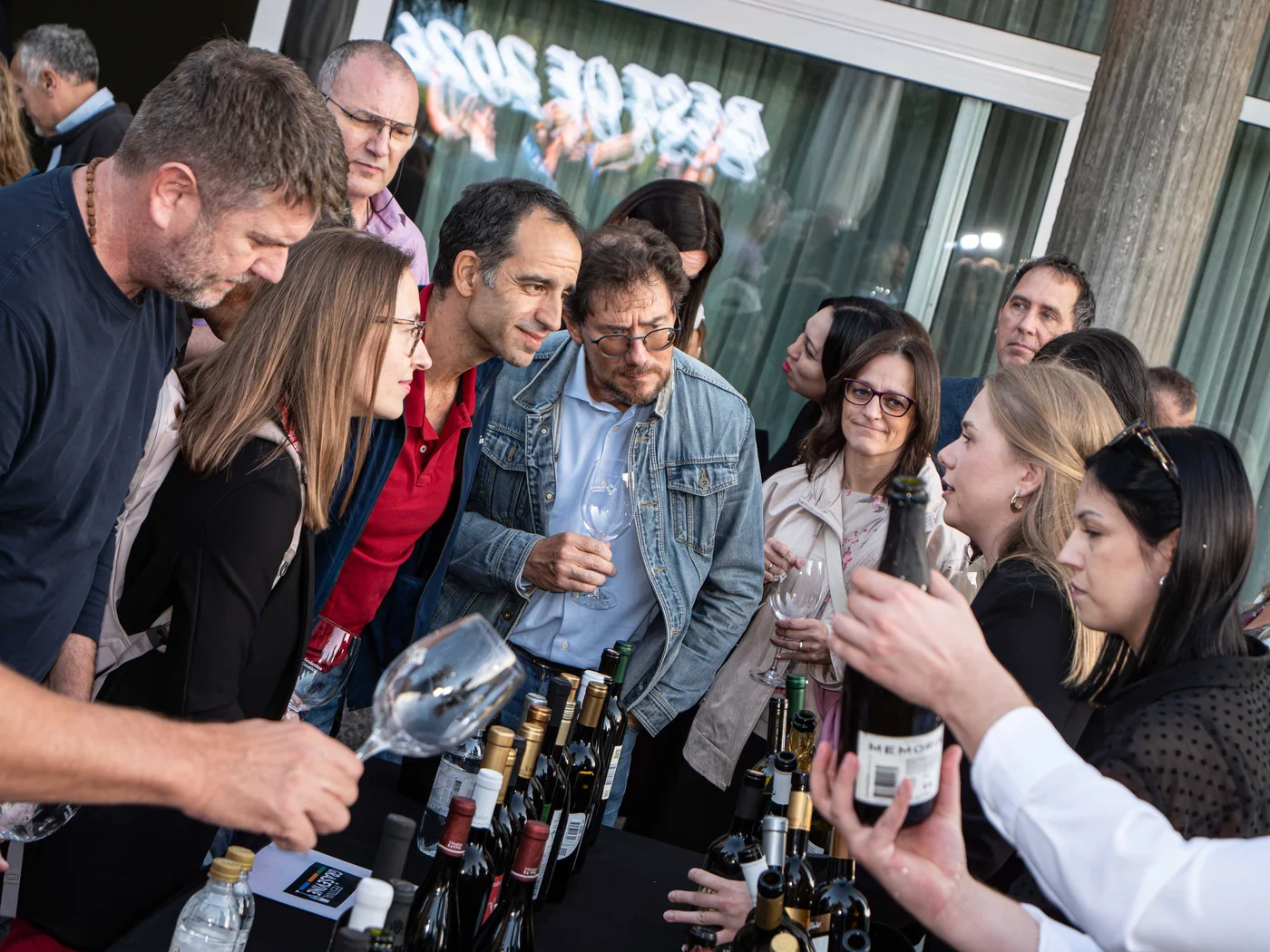
When a wine is presented together with the place it comes from
The organisers also tied the wine story to the gastronomy and tourism of eastern Croatia. The tourist boards of Vukovar-Srijem and Osijek-Baranja counties took part in the programme, giving the wine a wider context, because for a guest arriving in Slavonia or the Danube region what matters is also authentic food, the setting and that great Slavonian heart which welcomes every well-meaning traveller.
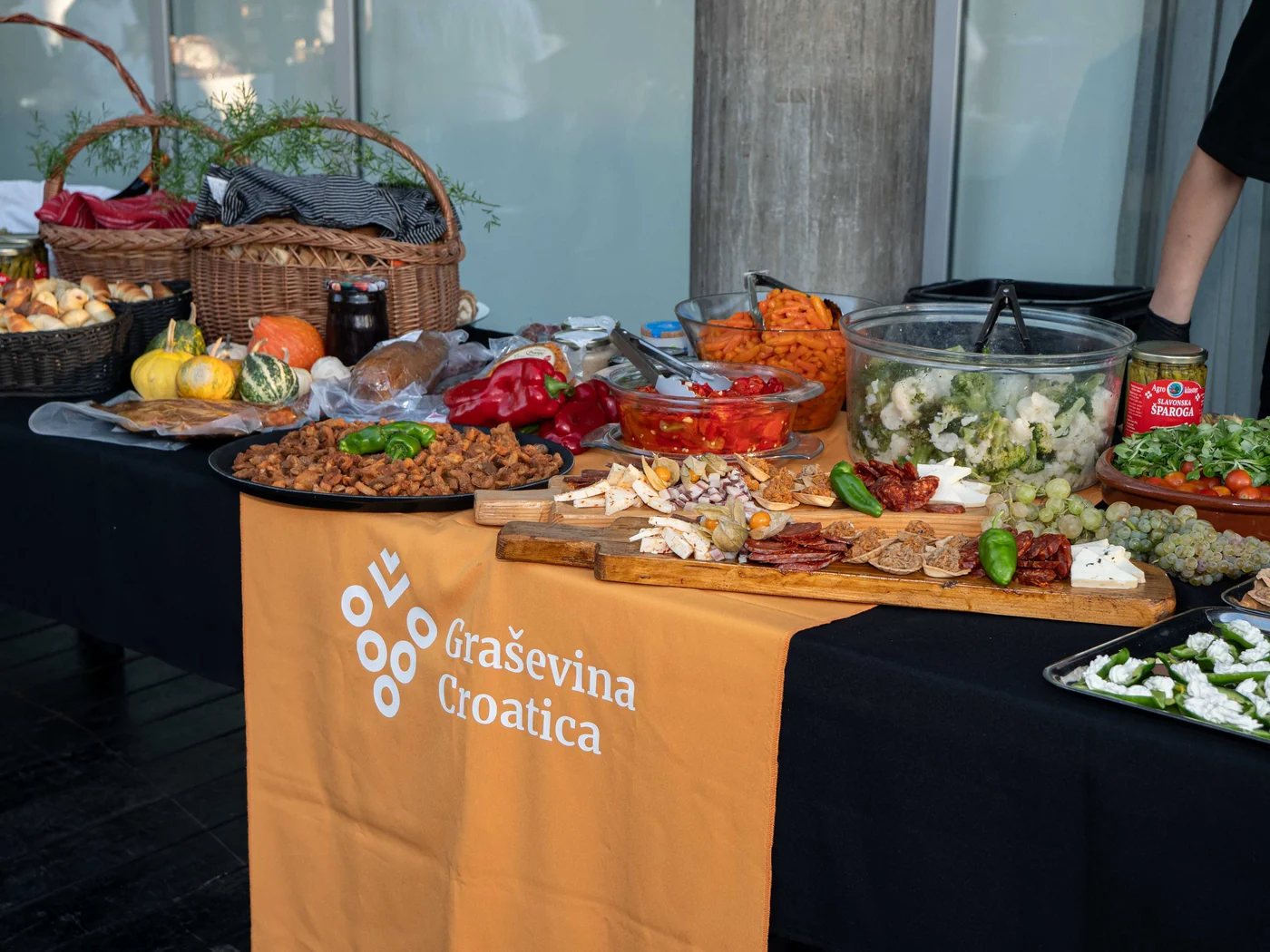
What do the scores tell us?
Every judging is subjective, and the judges try to reduce that subjectivity to a minimum and give the average wine drinker as realistic a sense of a wine’s quality as possible. The difference between 89 and 91 points may not seem like much at first glance, but behind a score lies a whole set of criteria and an expert assessment that can matter to the consumer, and also to the producer who always wants feedback, so tastings like this one, held after the expert judging, also show the reaction of the wine-drinking public, which is always the most honest, because everyone’s own palate is their most important criterion.
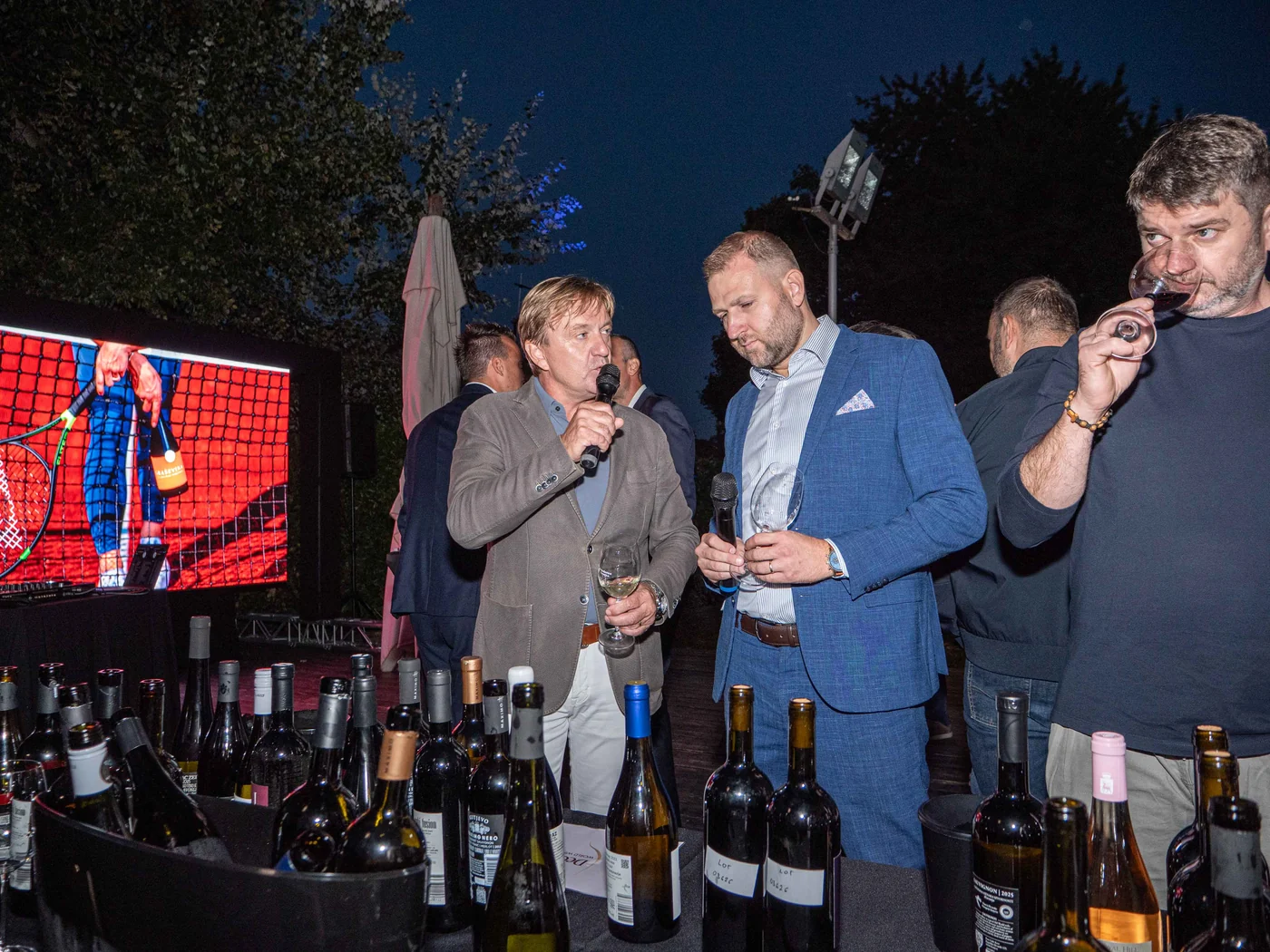
Best of 2026 showed the concrete results of the work of Croatian producers and served as a kind of wine identity card for Slavonia and the Croatian Danube region. Medals matter for visibility and better positioning, but the more important question is what happens after those successes. Will the consumer want to buy the same wine again? Will they recommend it? Will they order it in a restaurant? Or will it make them want to visit the winery?
As things stand, it seems they will.