

We are proud of our native varieties! From them we create the recognisable wines of Hrvatsko Zagorje, yet we are also adapting to climate change. Because of the warming climate we increasingly struggle with a lack of acidity in the grapes, and our native varieties have very lovely acidity, stressed oenologist Jasminka Sasko, president of the Vino Zagorje association. Among the native varieties, the winegrowers of Zagorje are currently giving the greatest attention to starohrvatska belina (an “Old Croatian white”).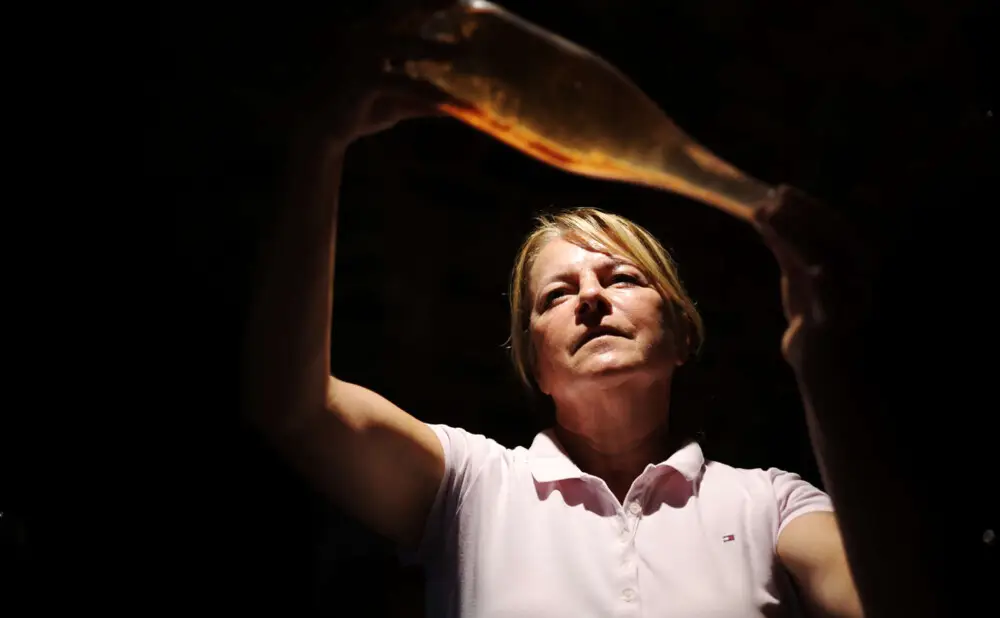
Photo: Ante Gudelj
My grandfather and great-grandfather made wine from that variety, but at the start of the 1990s the famous international varieties pushed our native ones out of the vineyards. I want to revitalise the tradition and leave it as a legacy to my sons. Young people find new things interesting, and the wines of the old varieties reveal new flavours to them while also connecting them to times long past, said Robert Zdolc of Vinarija Zdolc, adding that starohrvatska belina yields somewhat less than the international varieties, especially under organic cultivation, but that it is worth the effort invested.
Photo: Ante Gudelj
We wanted to bring back to Zagorje the varieties that were grown here since times long past. More and more serious winegrowers and winemakers want something to set themselves apart, and wine tourism is looking for something local and authentic. In researching the genes of starohrvatska belina we established that it is a parent of a whole series of international varieties. We are proud to hold its mother-vine collection and to plant our vineyards from our own propagation material. We grow a few more native varieties: svetokriska belina, diseca ranina, modra kosovina and volovina crvena. The native varieties give light, buoyant wines with moderate acidity that suit the culinary tradition of Hrvatsko Zagorje. These are not heavy wines. They are unpretentious in the best sense of the word, said Mladen Kantoci, head of the Agriculture Department at the Trgocentar company, which includes Vinarija Vitus. Sokol, too, is a variety saved at the very last moment.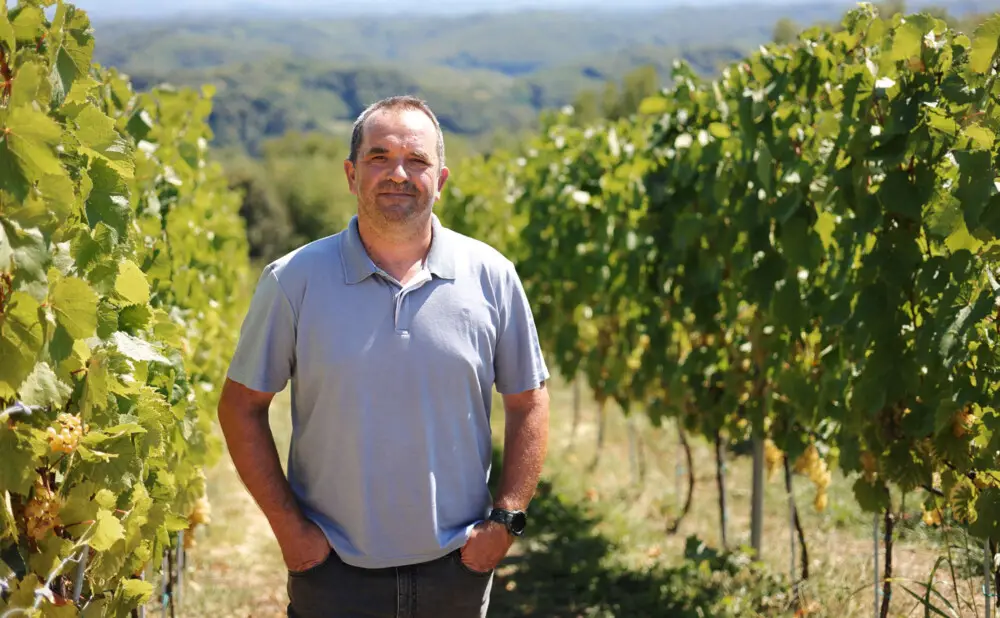
Photo: Ante Gudelj
By the end of the last millennium only 20 vines of sokol remained in the world, in the Franciscan vineyards in Klanjec. In the year 2000 my father managed to arrange the rescue of the variety – that is, the creation of a mother planting from which we could see what this variety could actually give. He was supported in this by the Faculty of Agriculture of the University of Zagreb and the Krapina-Zagorje County. The seedlings are distributed to winegrowers in the Klanjec area, and today seven or eight of them grow sokol, with the entire grape crop bought up by the Sever and Petrisic wineries. Sokol differs greatly from the other native varieties of Hrvatsko Zagorje. It stands out for its robustness and its fine aromas, recounted Filip Sever of Vinarija Sever.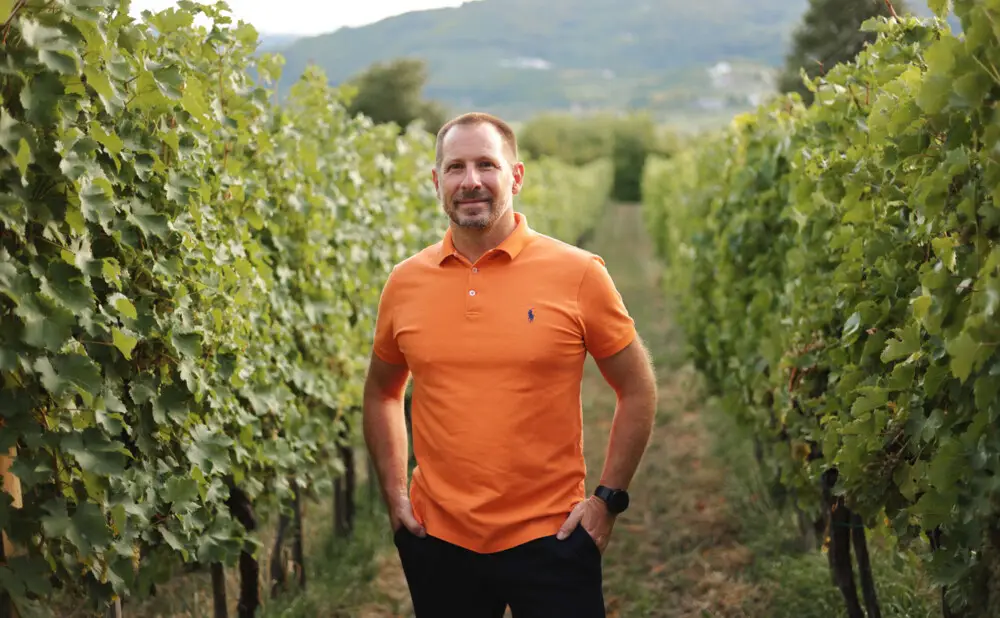
Photo: Ante Gudelj
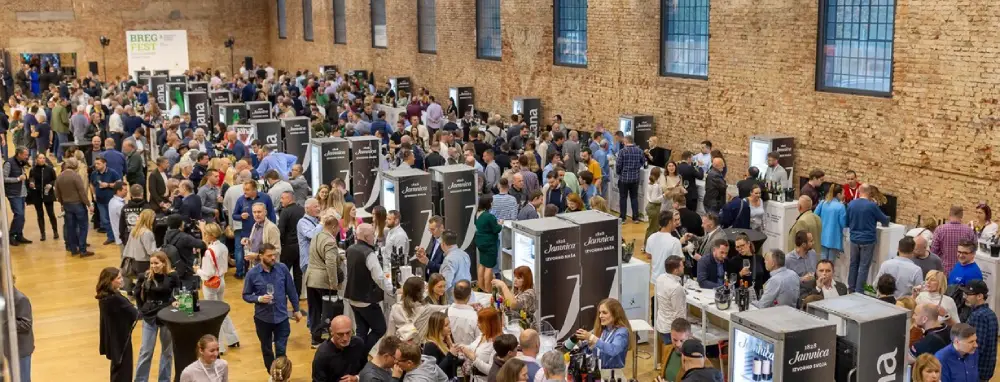
From their native varieties, the winemakers of Hrvatsko Zagorje produce still and predicate wines as well as sparkling wines. They will present these wines to Zagreb’s wine-loving public at the 4th BregFest, the festival of wines of Upland Croatia, at Lauba – House for People and Art – in Zagreb, on Friday, 24 October 2025, from 1 p.m. to 8 p.m. A total of 70 wineries will take part in BregFest, 11 of them for the first time. Visitors will be able to taste some 400 wines made from native varieties, as well as from international ones that suit the terroir of Central Upland Croatia superbly, such as chardonnay, Rhine Riesling and pinot gris. Special emphasis will be placed on sparkling wines, of which Central Upland Croatia has a great many. This is one of Croatia’s four wine regions and encompasses the wine-growing districts of Zagorje and Medimurje, Prigorje and Bilogora, Pokuplje, Moslavina and Plesivica.
Photo: Tanja Antoljak
Tickets priced at 25 euros can be bought by BregFest visitors at the entrance to Lauba. The festival is organised by Bregovita Hrvatska, the association of winemakers and winegrowers of Central Upland Croatia. Its patrons are the Ministry of Agriculture, Forestry and Fisheries, the Ministry of Tourism and Sport, and the City of Zagreb.
Cover photograph: Matej Scavnicar
22.10.2025.