


On Sunday, 22 March, Zagreb’s Studio Katran hosted a gathering of winemakers and wine lovers devoted to minimal-intervention wines.
A great deal of dust is kicked up at the mention of such wines, so it may be no bad thing to demystify them from the outset. The term “minimal-intervention wines” belongs to an informal category that clearly signals a philosophical stance, but unlike regulated designations such as organic production, this concept has no single legal definition nor globally agreed criteria.
In practice it is a concept, or an approach, that encompasses wine production with limited technological intervention in both vineyard and cellar. It often overlaps with the term natural wine, though that is not the most felicitous label, since it implies that all other wines are unnatural, which is by no means true. Minimal-intervention wines offer an honest and open perspective on wine, at times unpredictable but never dull. For lovers of exploration, this is a category that constantly pushes boundaries and raises fresh questions about what wine actually is.
In practice, with such wines it is essential to eliminate pesticides and herbicides from the vineyard and to rely on the principles of organic or biodynamic production, with the grapes harvested by hand.
In the cellar this implies spontaneous fermentation with indigenous (wild) yeasts, limited correction of sugar and acidity in the must, and the avoidance of any fining or filtration.
This approach, together with minimal use of sulphur, directly affects microbiological processes, fermentation dynamics and the stability of the wine, opening space for greater complexity and more pronounced structure – but also seriously increasing the risk of “funky” characteristics, that is, serious deviations in the form of reductive notes, volatile acidity and the detrimental influence of lees on the wine.
And finally, it is important to stress that the defining characteristic of such wines is not the absence of technology, but the conscious limiting of intervention, with greater emphasis on terroir and on highlighting the specificity of each individual vintage.
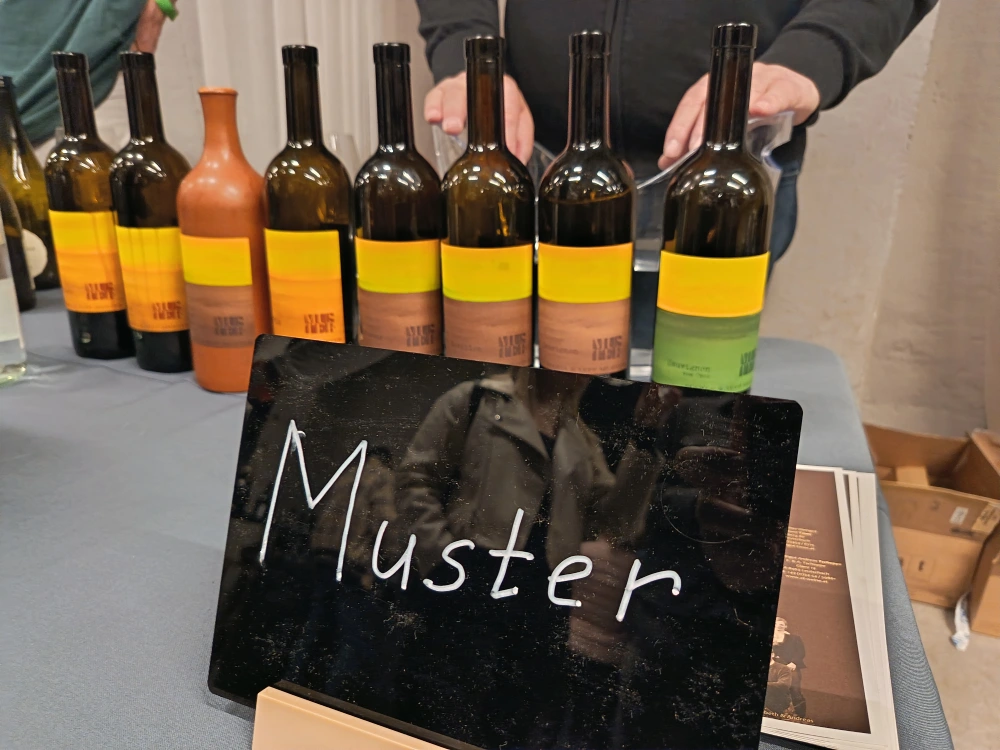
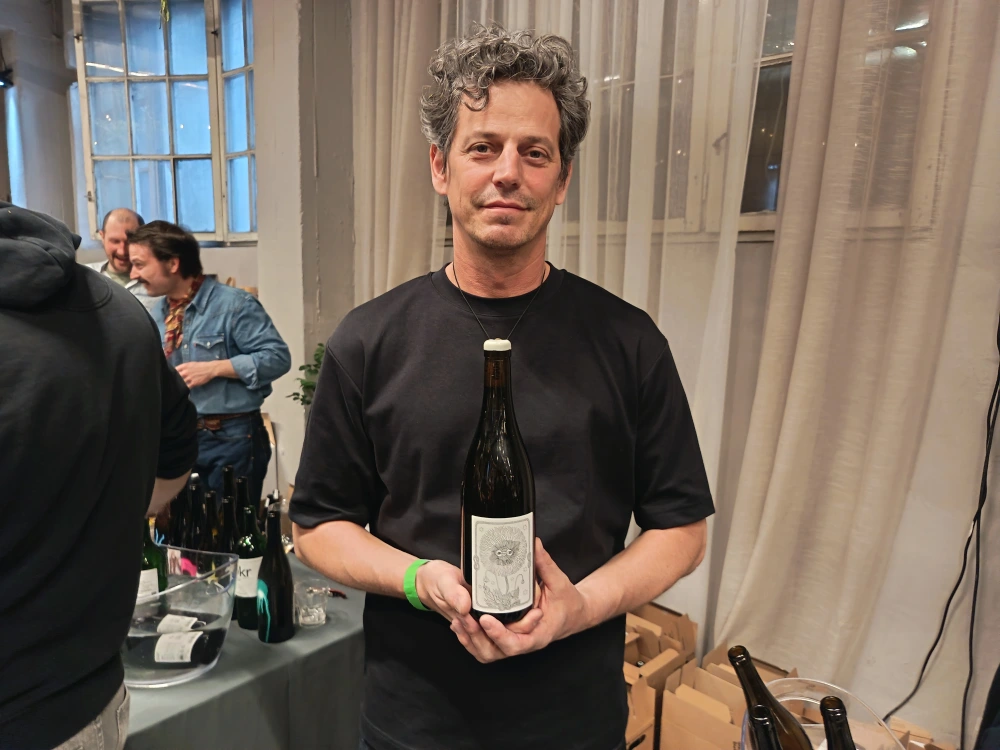
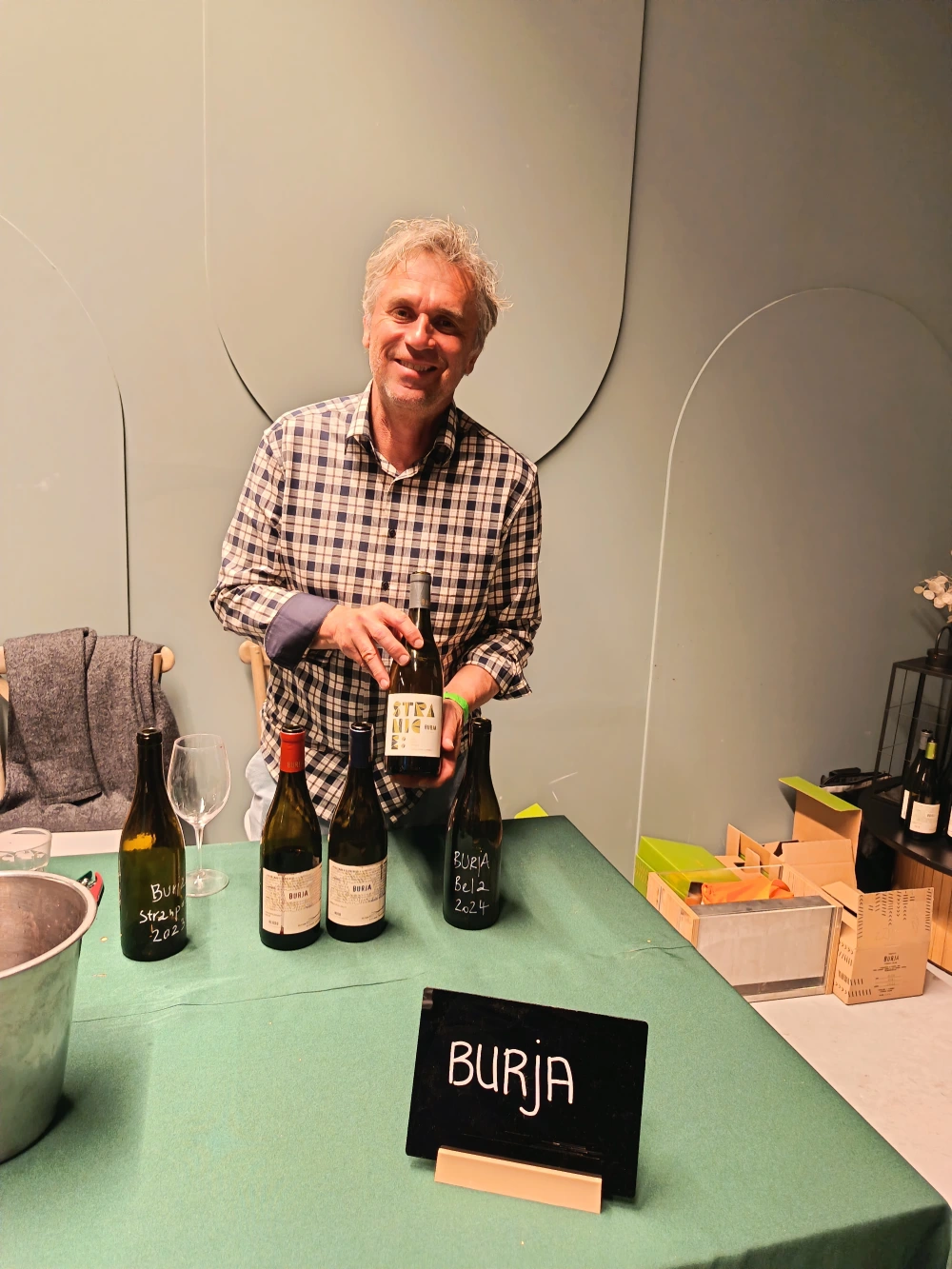
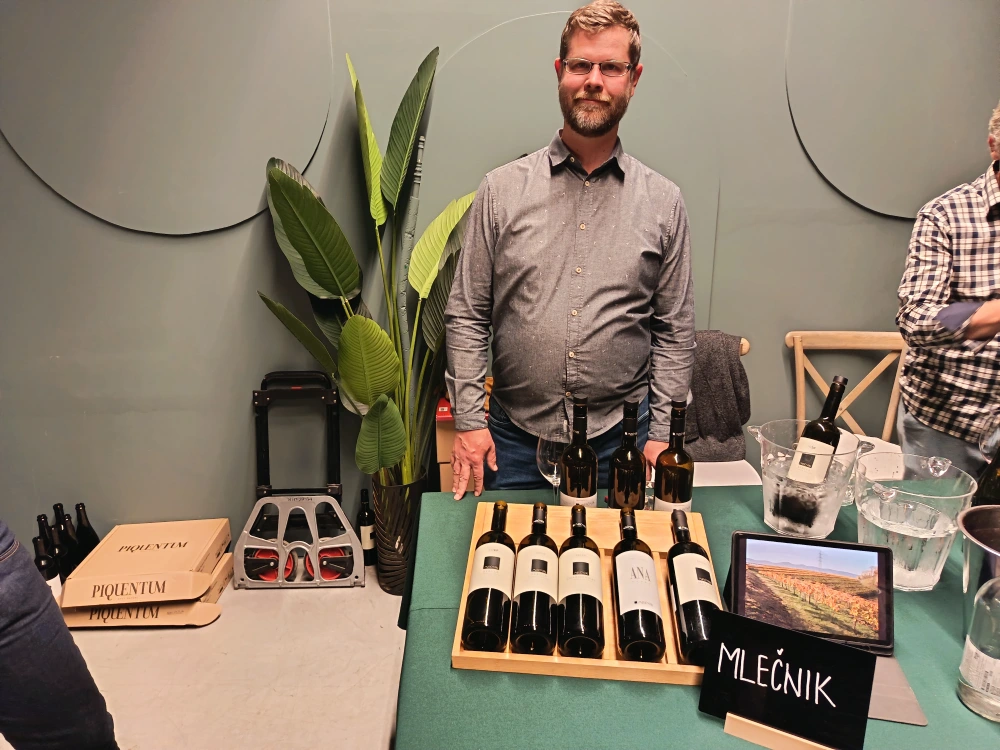
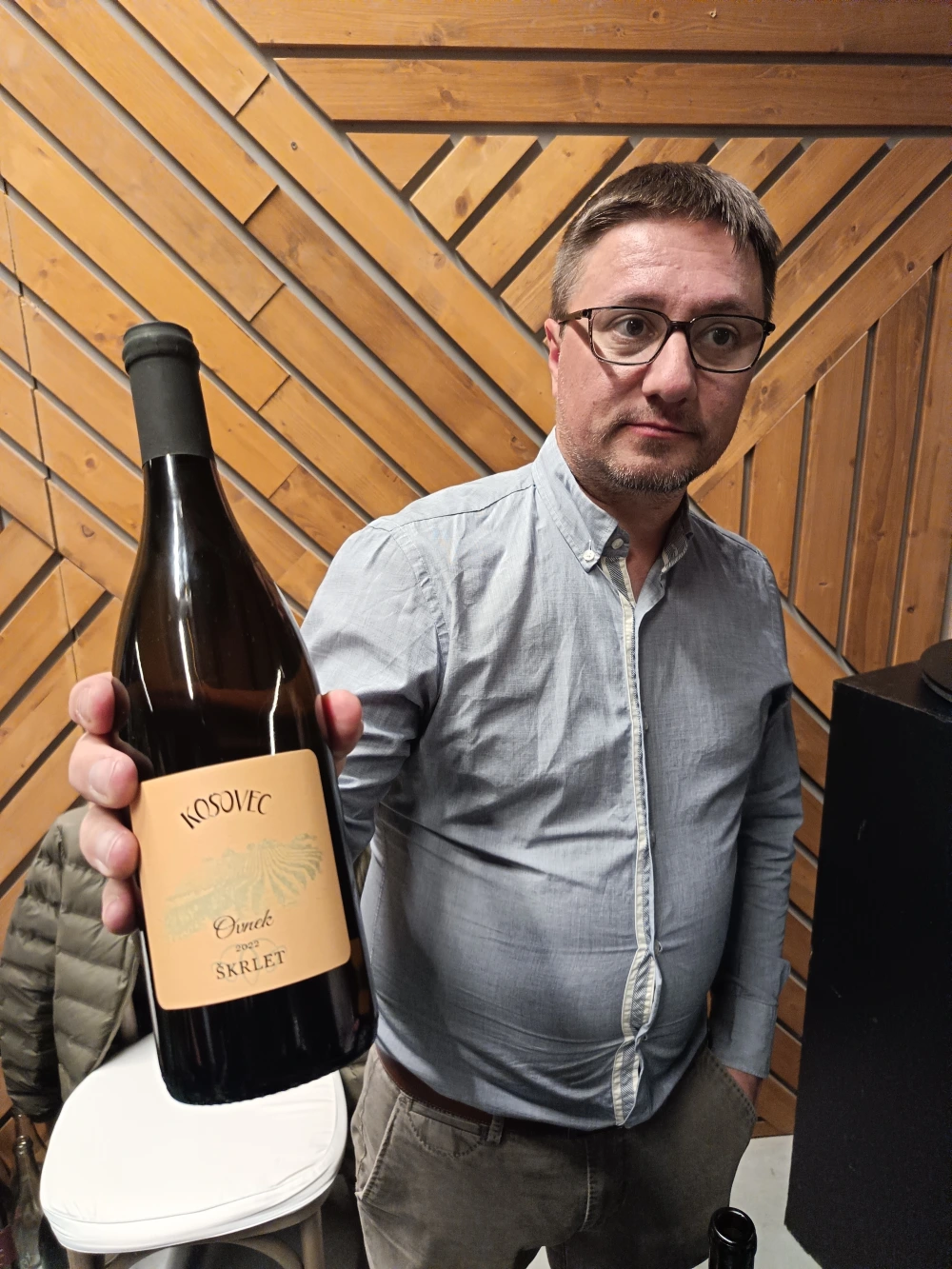
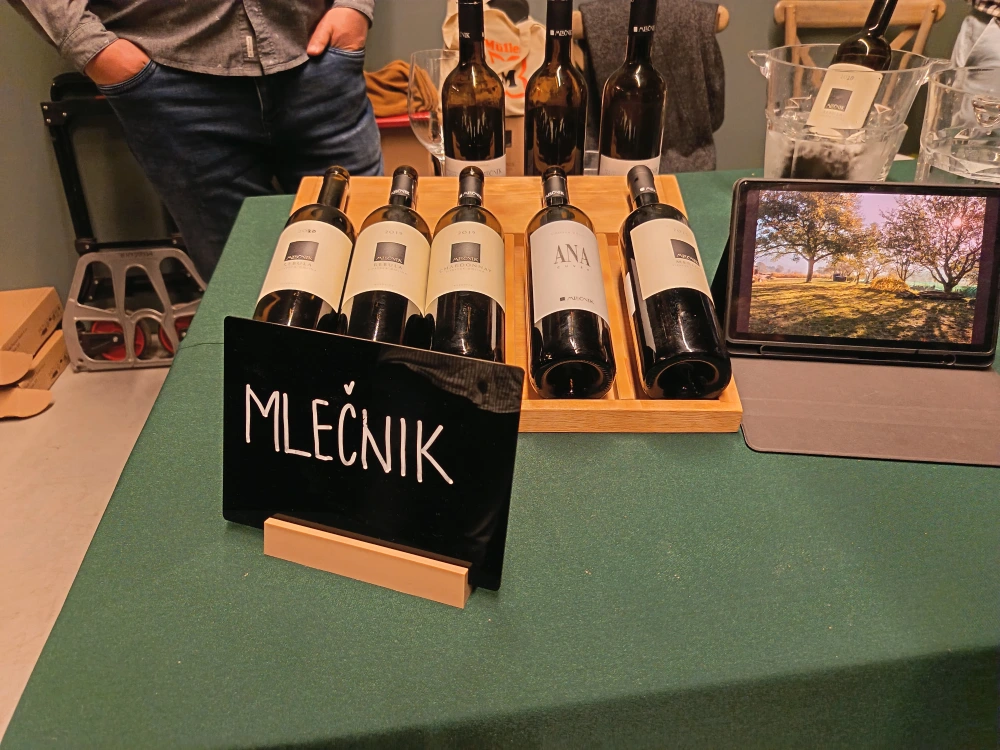
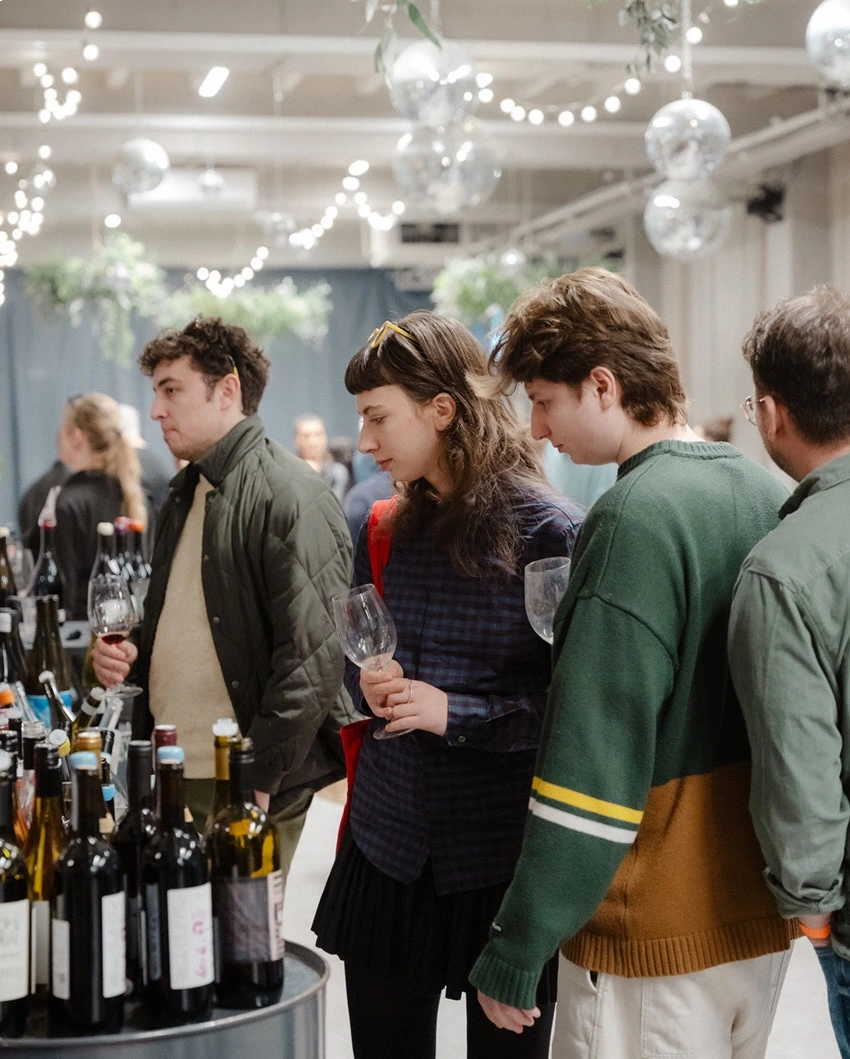
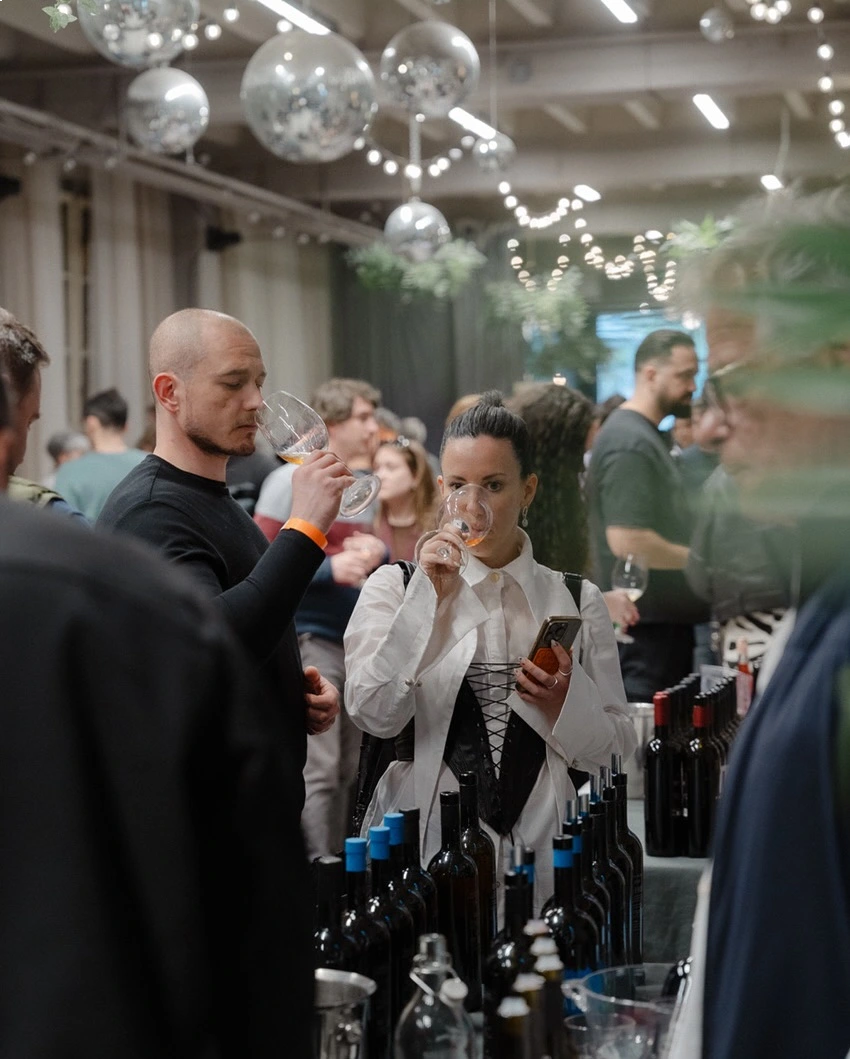
An intriguing wine crowd gathered at Katran, from visitors to winemakers from various parts of Europe. Some forty of them showed over 200 wines of varied profiles and stylistic interpretations – from simple sparklers such as pet-nat, through elite traditional-method wines from Plešivica (Croatia’s cool-climate sparkling heartland), to genuine Champagnes – so bubbly lovers could truly indulge. The still whites were most often skin-macerated, and this is a “grey zone” with no clearly defined rules, in which one could find real gems, plenty of characterful wines on the edge of oxidation, some fiercely tannic ones, but also faulty wines made without the winemaker’s craft, where the execution fails to follow the idea. The reds were mostly lean, of lighter structure, high in acidity and with pronounced tannins, yet very interesting and precise. Slovak Rieslings, Austrian Grüner Veltliners and Blaufränkisch, Slovenian Rebulas and Chardonnays, and Italian Nebbiolo were among the most exciting wines, but it should be noted with pride that the Croatian winemakers left the best impression – above all Šember, Tomac, Sontacchi and Kosovec.
Congratulations to Boris Sarjanović and the Nesputana Vina team on the excellent organisation of the festival and on bringing the alternative wine scene closer to the wider public.



28 March 2026
Written by: VinskiKlub.hr