

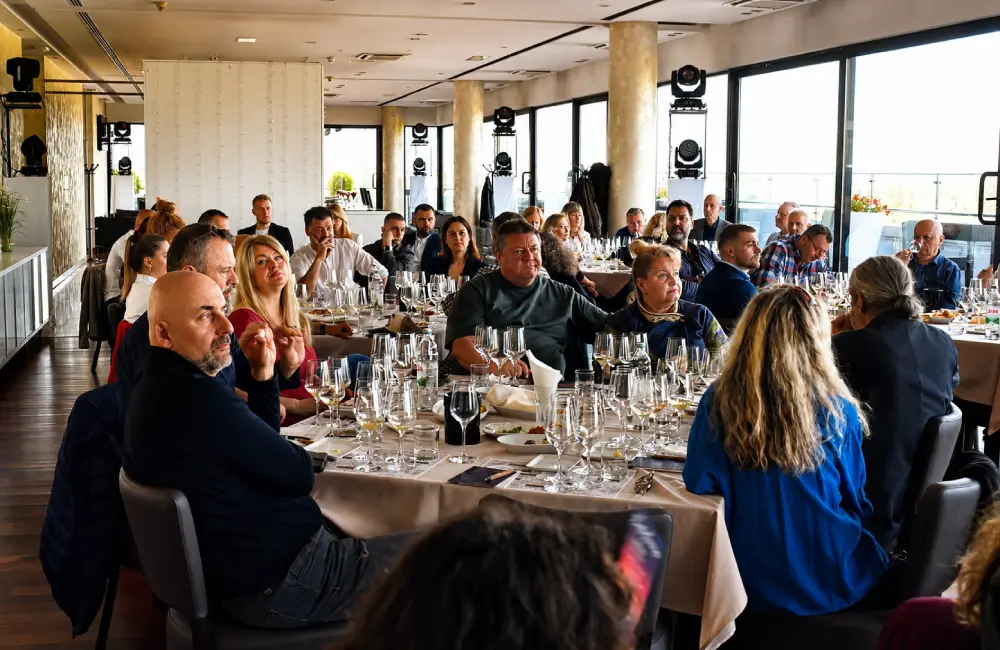
On Tuesday, 19 May, the Bon Appetit restaurant hosted the presentation of the Vislander winery’s summer wines, aimed at partners, restaurateurs, wine professionals and the media. During the tasting, those gathered had the chance to try a selection of sparkling, fresh, aromatic and gastronomically versatile wines that are ideal for summer wine lists and lighter cuisine.
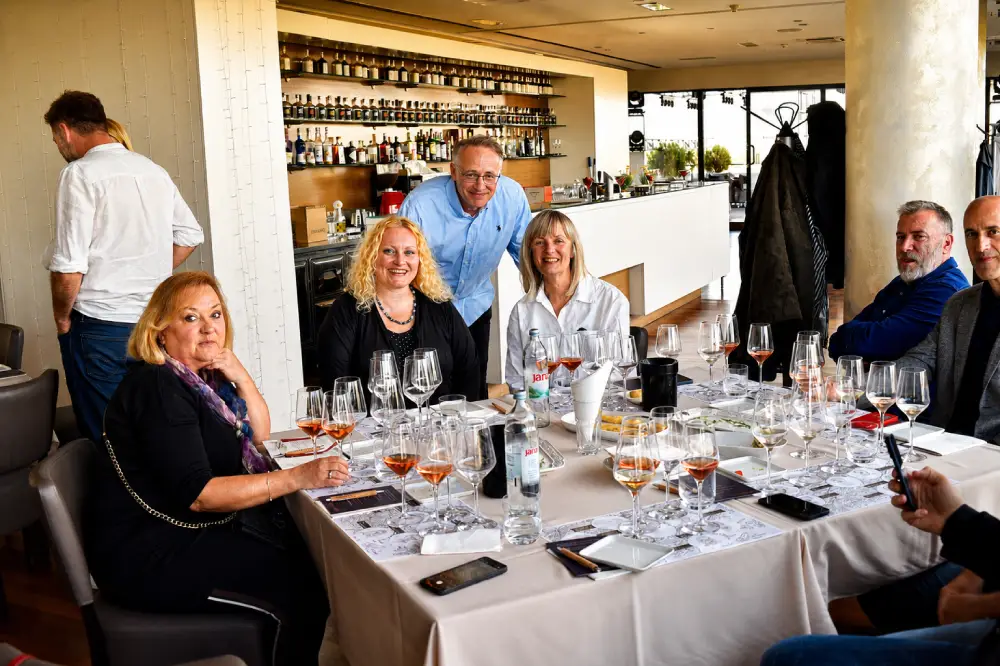
The wines were presented by the winery’s owner, Marko Vojković, and sommelier Tomo Jakopović, who introduced the guests to the winery’s philosophy, its wine styles and the potential of individual labels in a summer-season gastronomic offering.
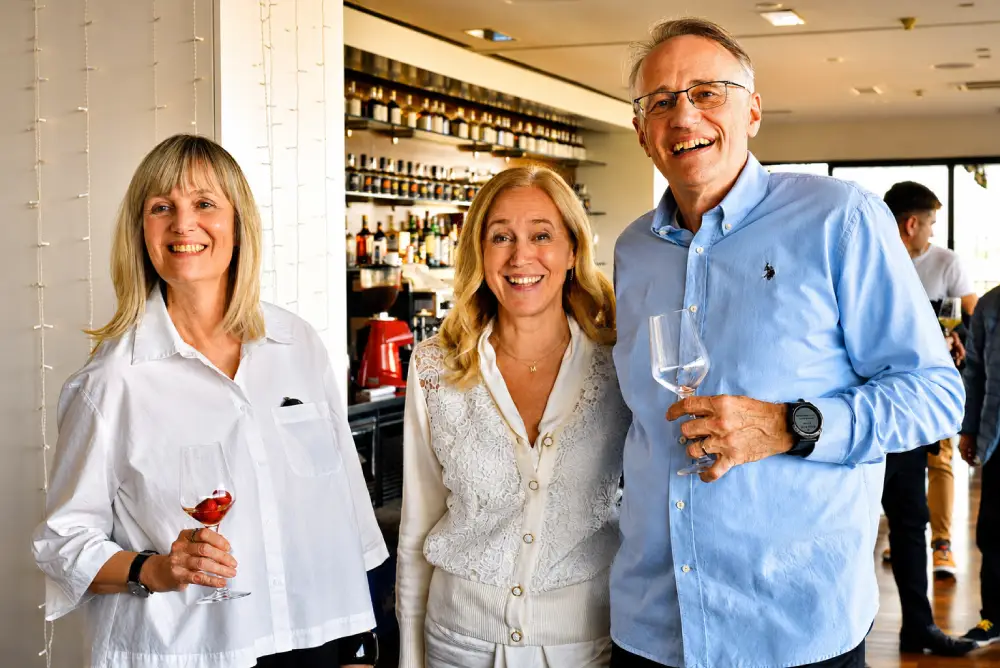
Particular emphasis was placed on freshness, drinkability and the Mediterranean character of the wines, as well as on the importance of an authentic approach to production in which the expression of terroir takes centre stage.
The tasting opened with the sparkling Komiška Bonda, a blend of Kuč and Vugava (both indigenous varieties of the island of Vis) made by the traditional method. It is a structured sparkler that spent three years on the lees — a blend in which Kuč lent its freshness and Vugava brought body and character. Next came the rosé sparkling Viško Bonda, made by the same method, but here, alongside Kuč (locally Trbljan), a measured amount of Plavac Mali was blended into the base wine instead of Vugava; it did not weigh the wine down but gave it firmness and fine aromatics. Both sparklers are fine aperitifs, yet also serious partners to many dishes.
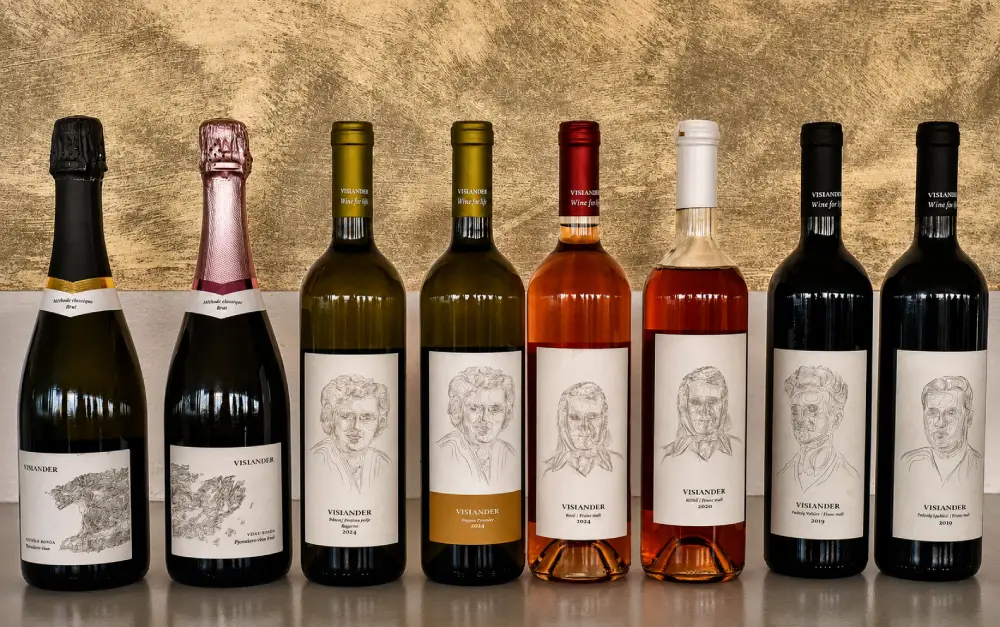
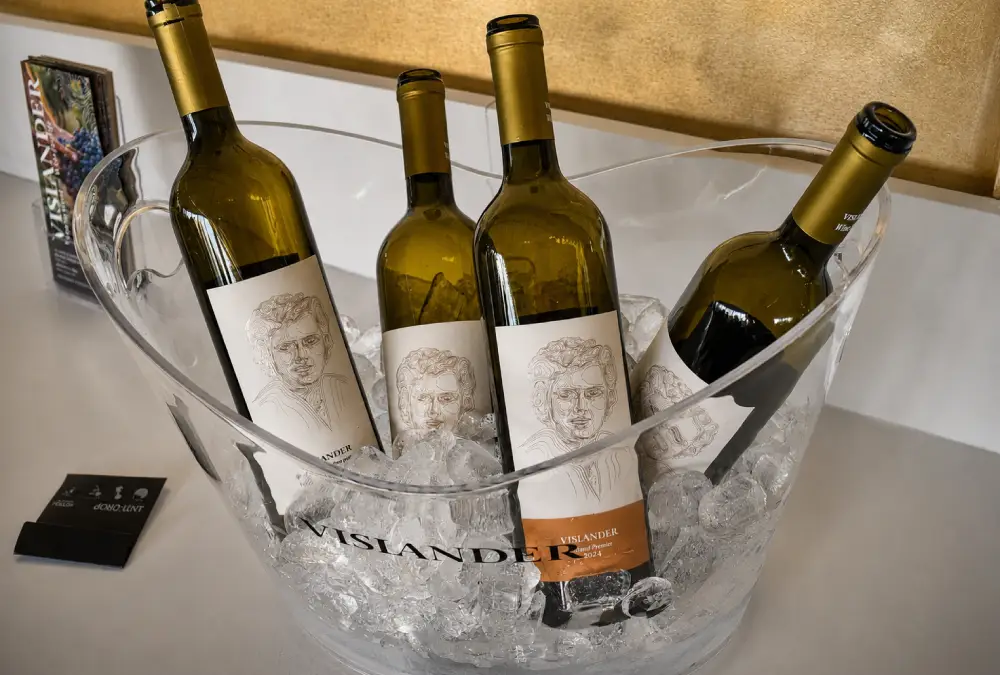
After the sparklers came two “pearls of Vis,” two Vugavas from the 2024 vintage from the Classic and Premier lines. The Vugava Classic shows pronounced freshness, a broad aromatic spectrum in which nothing sticks out, and a rich palate. The wine is balanced and harmonious, with emphatic varietal typicity. The Vugava Premier is made from a grape selection, so it is more concentrated, with a little more depth and breadth, and full of southern succulence that calls for the next sip. This wine is the finest example of a firm imprint of terroir, in which it is the finesse that makes the difference.
Rosé wines are not the hallmark of Dalmatia, but with a thoughtful approach to production fine results can be achieved, as was clear from the wines presented. First came the rosé from 2024, which is yet to be released, because at Vislander they never put young wines on the market but rightly leave them to develop fully, so they reach the market only once completely ready. The wine is made from Plavac Mali, with precise aromatics; the nose is dominated by strawberry and raspberry, which carry seamlessly onto the palate. It is medium- to full-bodied, with pronounced freshness and a long, memorable finish. The second rosé was served not as a current release (though it can still be found) but to show the constancy and longevity of rosé wines, which usually reach the market young and already lose considerable quality in their second year. This rosé from 2020 is steady and remarkably fresh, regardless of the climate and variety that shaped it.
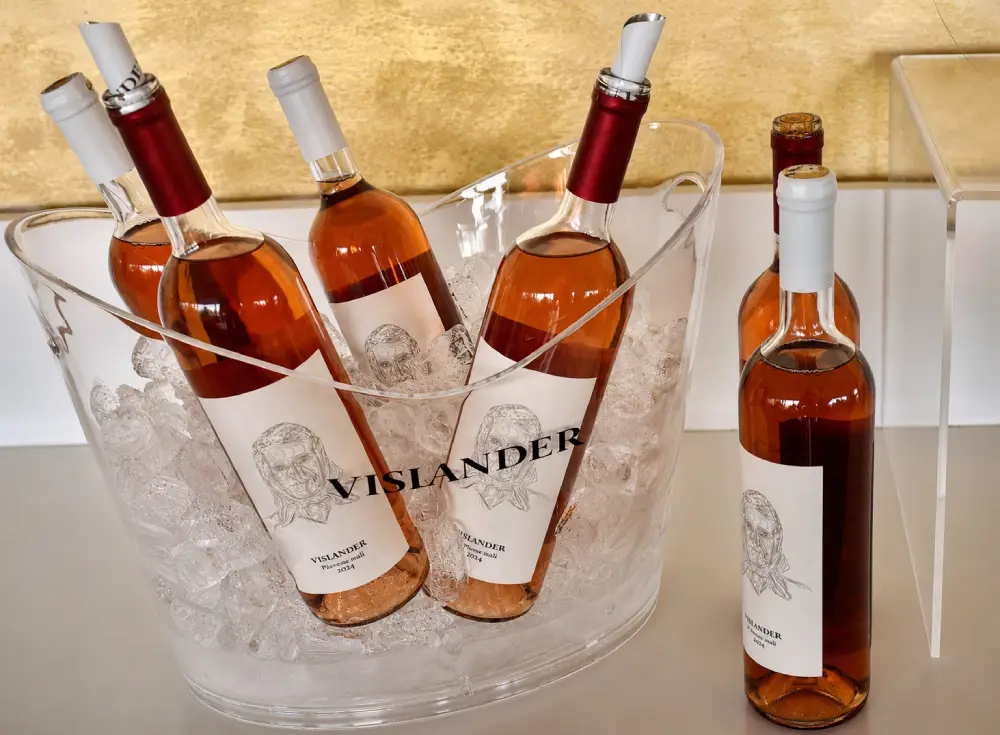
Of Vislander’s four Plavac Mali labels, two were presented — the fresher ones, of somewhat leaner body but with enough extract and alcohol to define the variety. Plavac Voščice shows pronounced varietal aromas and a fine palate. It is medium-bodied, with soft tannins and high freshness. Plavac Ljubišće is a touch more assertive, with a firmer tannic structure and a more pronounced touch of noble oak that has shaped it considerably without masking its varietal characteristics. Both wines are an excellent choice for warm summer days — and it is precisely such wines that our market lacks. Through these two wines Vislander demonstrated the needed synergy of power and elegance, and the ability of Plavac Mali to yield wines that are not burdened by density and alcohol, yet underline the seriousness and character of the variety.
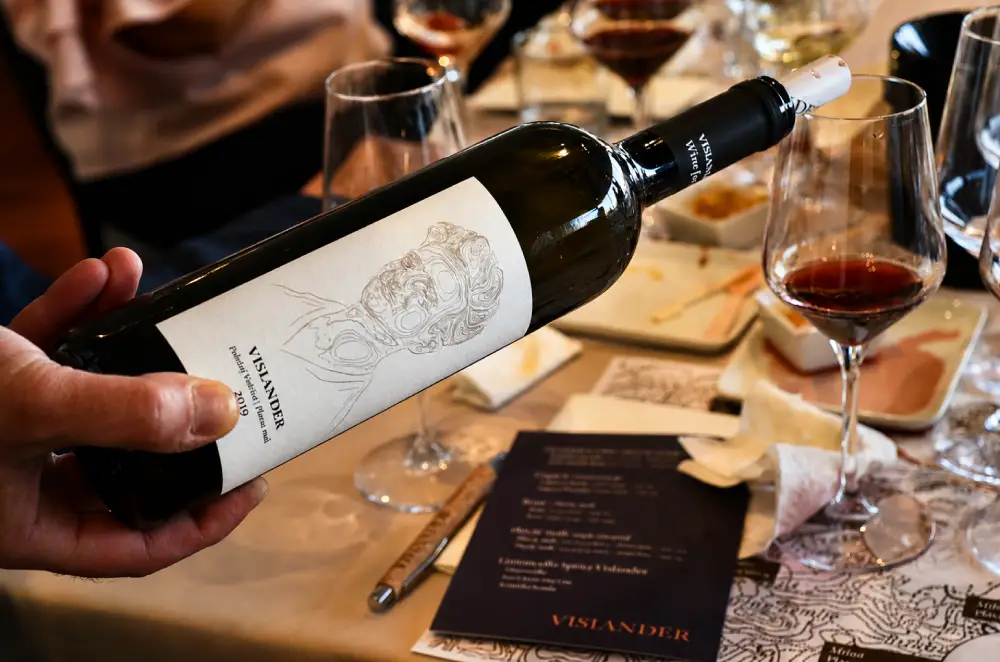
The tasting unfolded in a pleasant atmosphere alongside carefully conceived bites from the Bon Appetit restaurant, which further highlighted the wines presented, and the gathering continued on the Bon Appetit rooftop terrace with cocktails based on Vislander’s spirits.
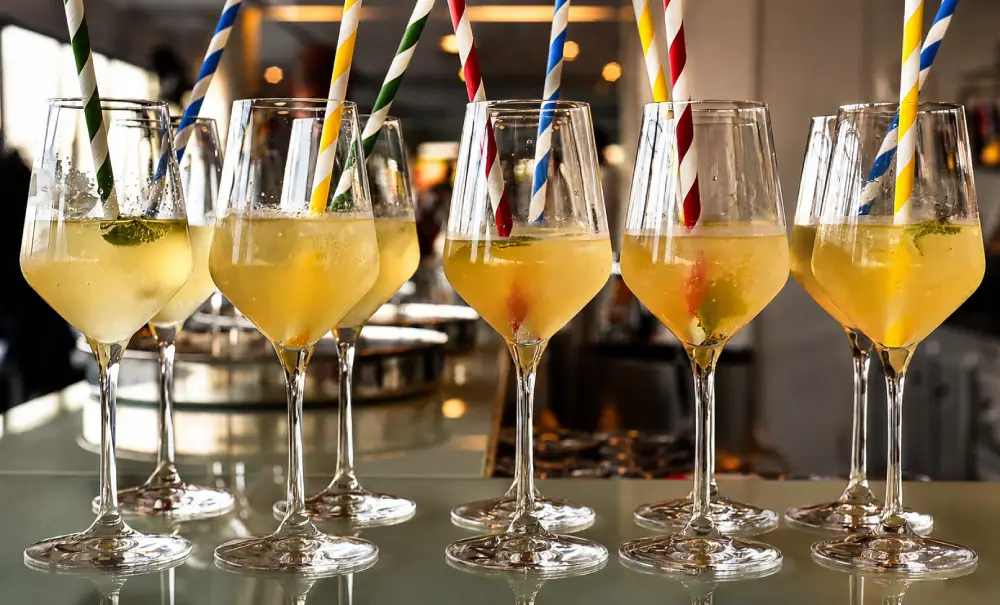
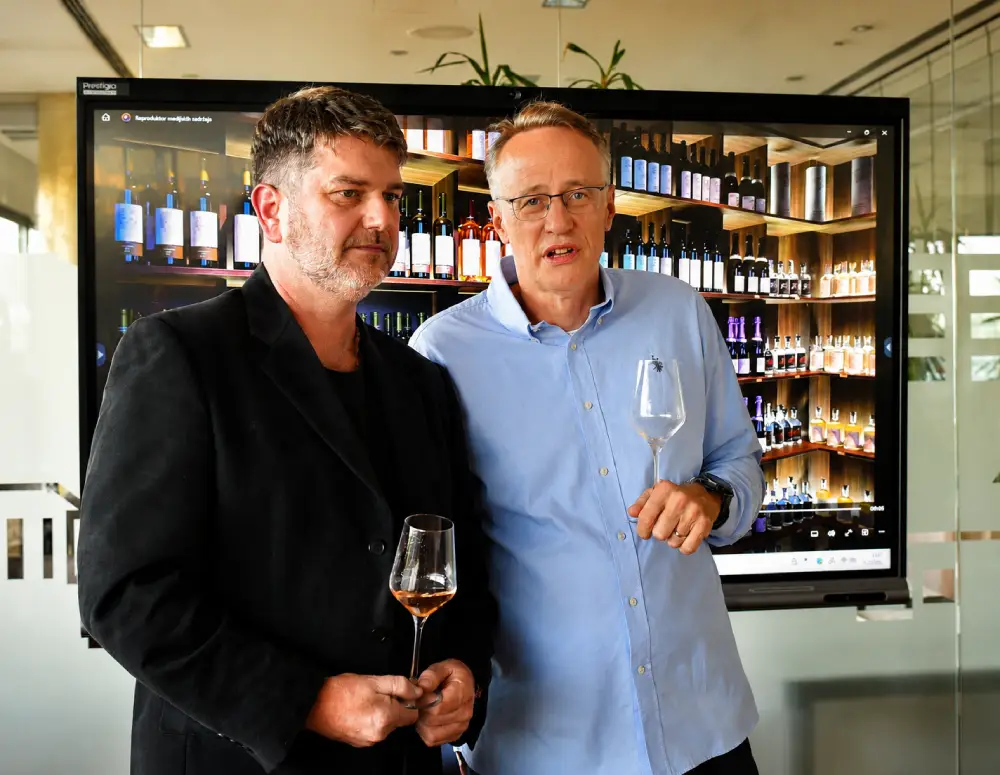
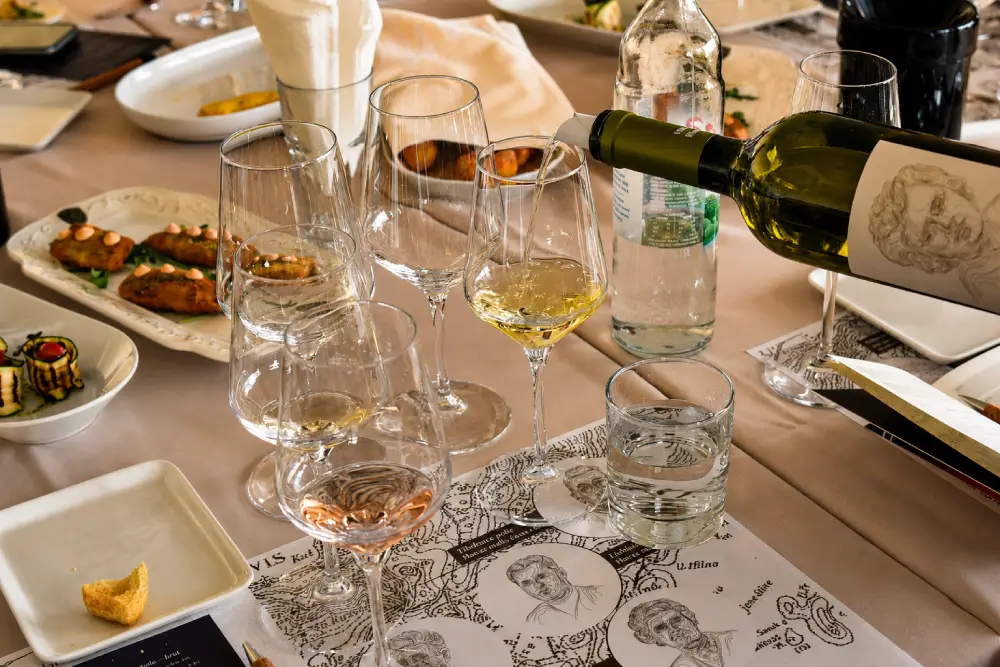
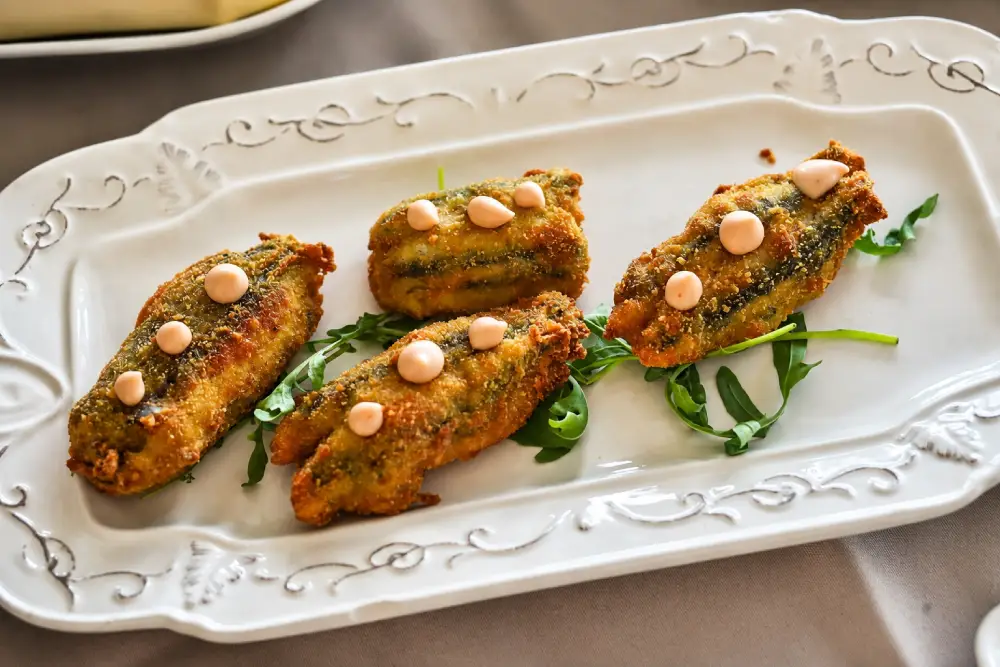
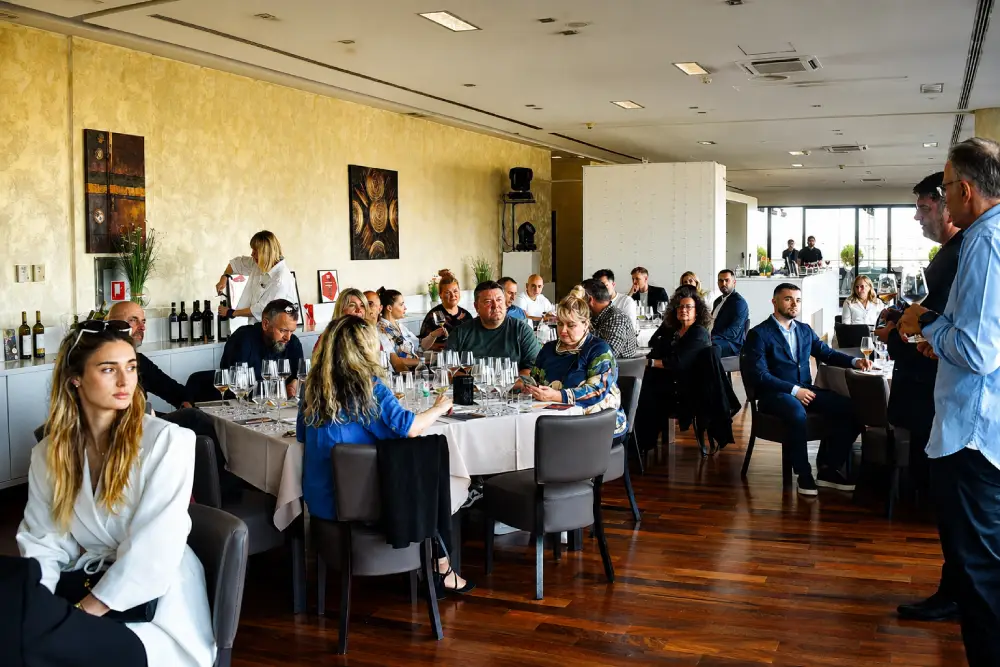
Photo: Julio Frangen