

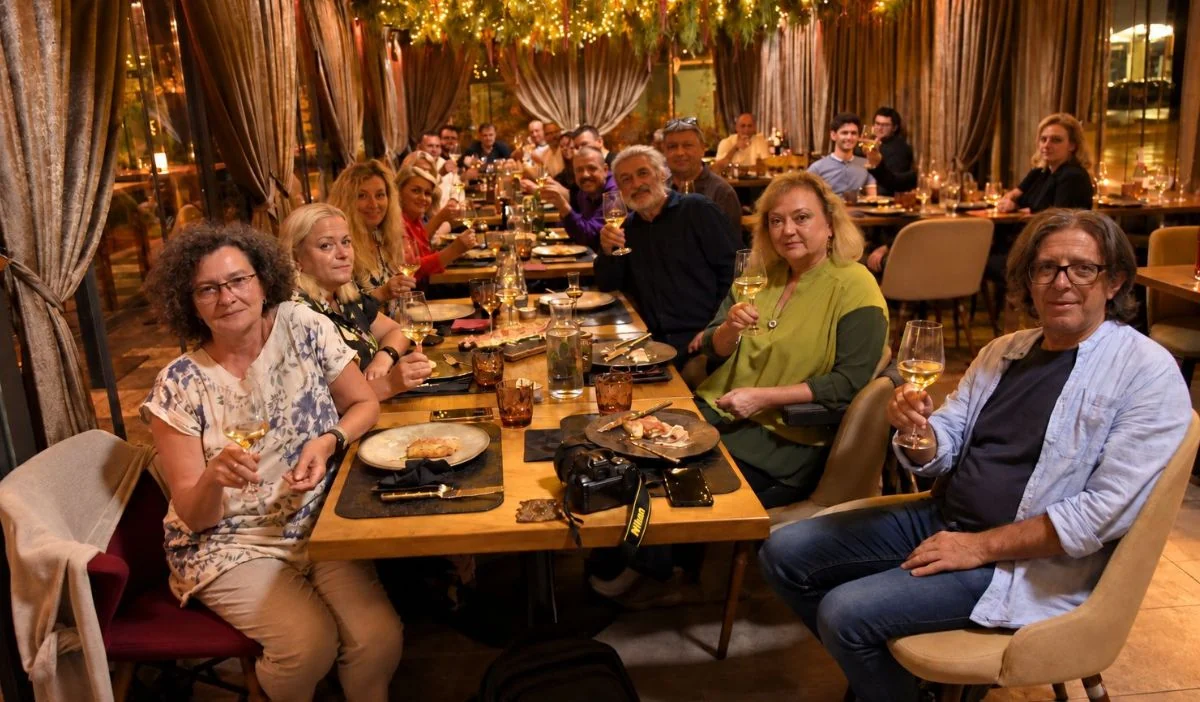
The Vino uz pizzu eno-gastro project, created by Renata Cisar and Mustafa Topčagić along the lines of the already established Vino uz žlicu, has continued its gastronomic story at the Mrs. Fogg pizzeria in Zagreb. The idea behind the project stayed the same, to show how carefully chosen wines can pair beautifully with pizza, from traditional Italian classics to the imaginative creations of the house.
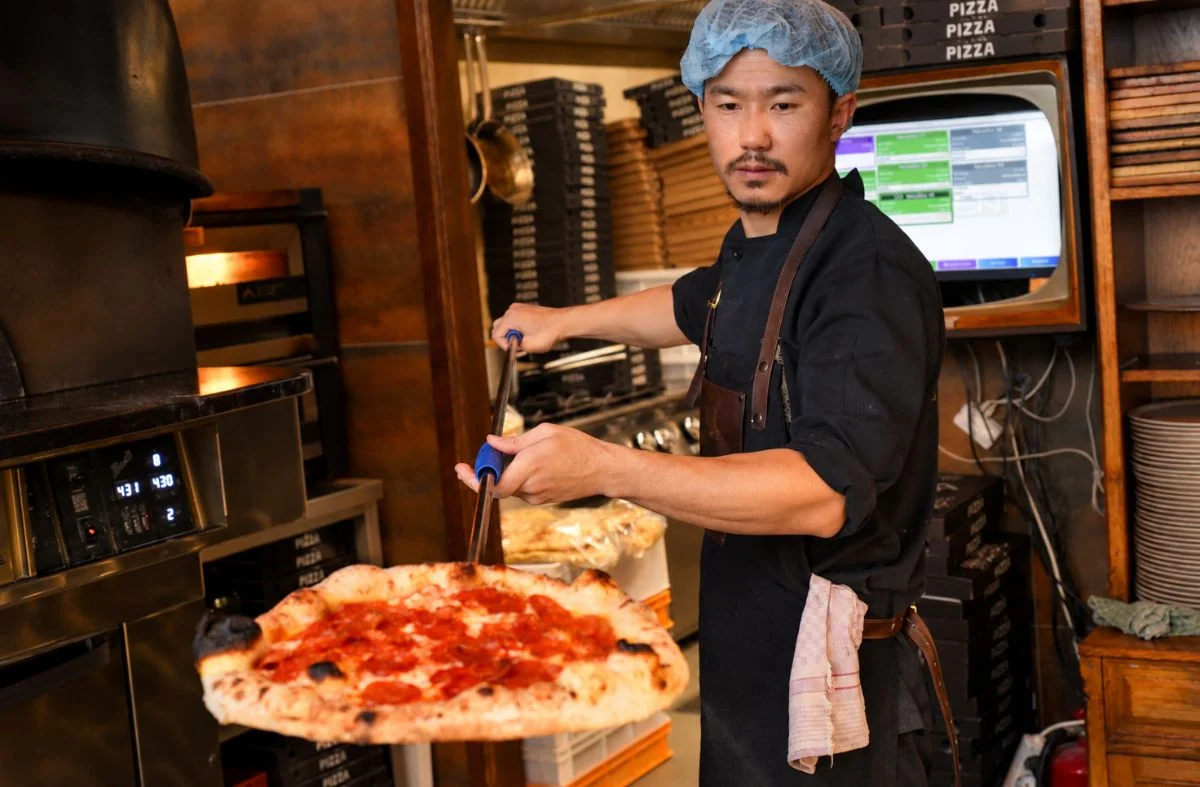
Set in Zapruđe in New Zagreb, at Karla Metikoša 2b, the Mrs. Fogg pizzeria takes its guests, through its distinctive steampunk interior, on a journey into a world of industrial aesthetics, unusual details and gastronomic adventure. Inspired by the spirit of travel and exploration, the pizzeria combines Italian tradition with a modern approach to pizza, panuozzo and other specialities. It pays particular attention to the dough, to quality ingredients and to original combinations of flavour, and the offer is rounded out by lasagne, pannicarno and desserts.
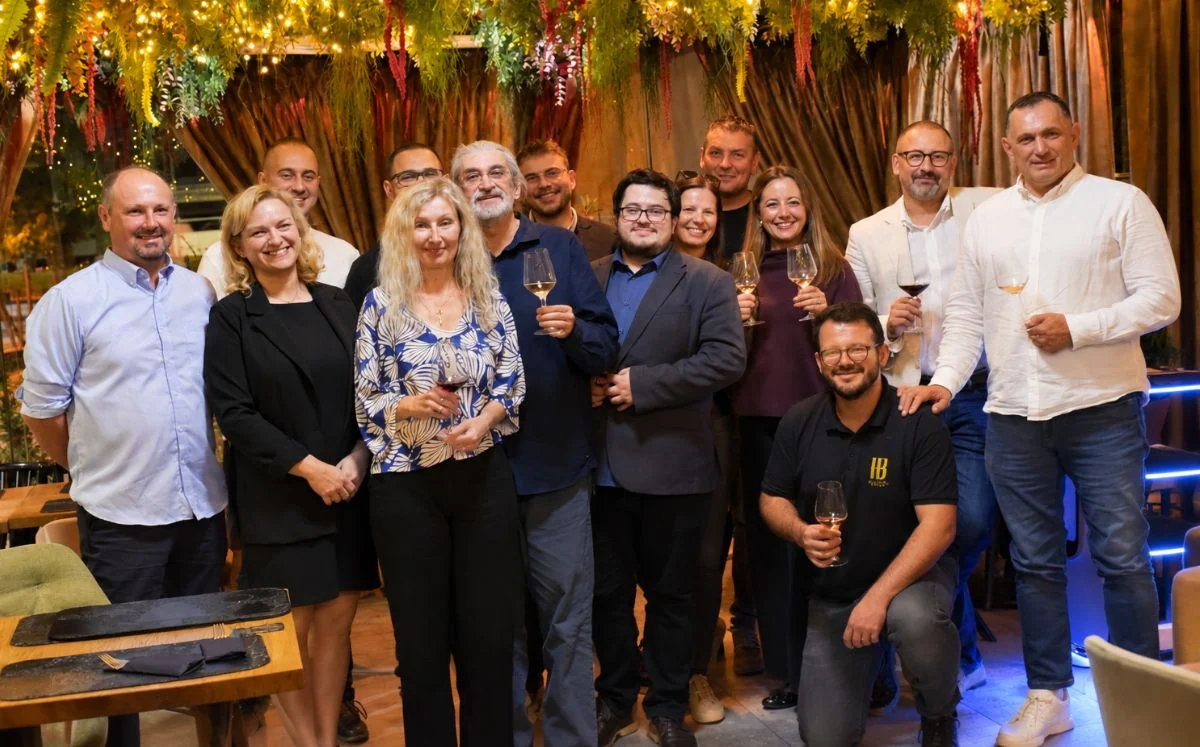
It was in that setting that the second edition of the Vino uz pizzu project was held, during which guests had the chance to taste different gastronomic combinations, to meet winemakers and producers of spirits and olive oils, and to learn about technological innovation in hospitality.
The Mrs. Fogg pizzeria opened four years ago, when business partners Saša Višnjić and Emil Tocauer decided on a new hospitality venture after establishing Bar Mr. Fogg in Martićeva. Domagoj Kralj joined them as a third partner, and he is the one most responsible for the recipes and for the quality the pizzeria is known for today. He developed an original recipe and a particular way of preparing the dough, with a ten-day fermentation, so their pizzas are neither Neapolitan nor Roman, but Mrs. Fogg pizzas. Later they opened Grandma Fogg in Vlaška, with pizza al taglio baked in rectangular trays and sold by the slice. In the meantime they started producing pizza dough in Buzin, which they use in their own pizzerias but also sell to others, and which can be found frozen in the Mrkvica, Špeceraj and Veronika shops.
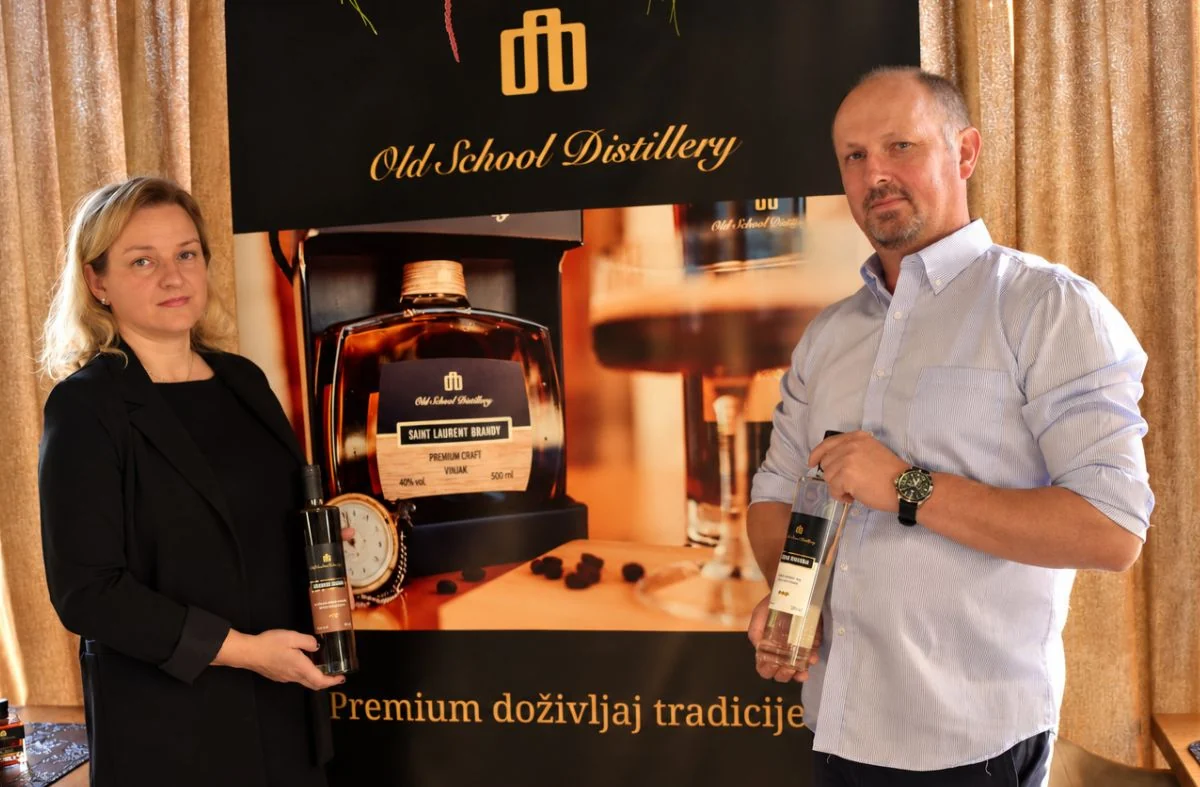
Before the first courses reached the table, the aperitifs, and later the digestifs, were in the hands of Old School Distillery from Vošteni near Sveti Lovreč in Istria, whose distilling tradition goes back almost a hundred years. What sets their production apart is the combination of family recipes, Istrian wines and a contemporary approach to making liqueurs and spirits. Guests tasted four different spirits presented by the owners of the distillery, Tatjana and Marko Ljubešić. Grappa Istriana revealed the traditional side of Istrian distilling, while Orange, a gin-based liqueur, brought refreshing citrus aromas. Rosettino drew particular interest, a liqueur in which rosé wine meets a five-times distilled brandy to create something delicate, fruity and aromatic. Those who prefer richer and sweeter flavours were well served by Moscatino Chocolate, in which muscat wine is complemented by notes of chocolate. A cocktail of the Orange liqueur with tonic turned out to be one of the more interesting surprises of the evening.
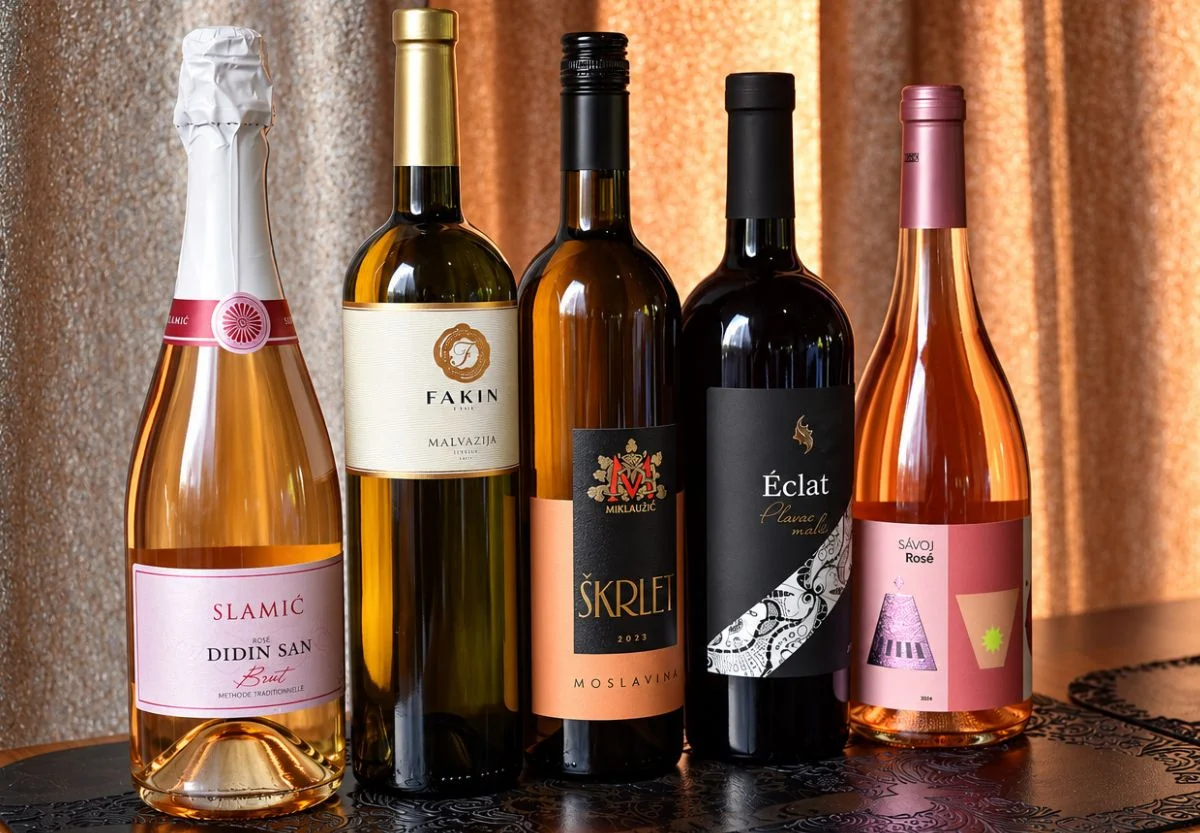
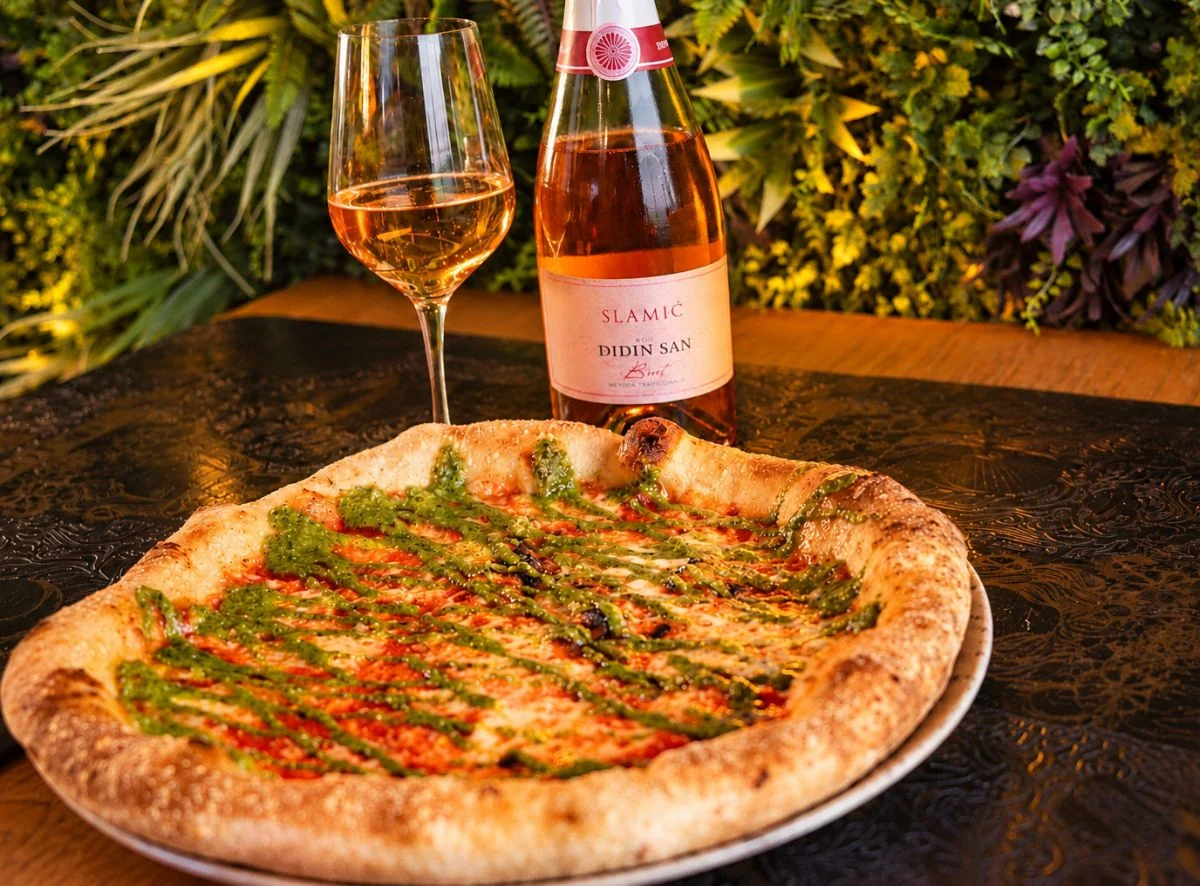
The evening began with the Margherita pesto Genovese pizza, made with tomato sauce, mozzarella, extra virgin olive oil and aromatic basil pesto. It was served with Didin san Rosé Brut, a sparkling wine from the Slamić winery in Žaborić near Šibenik. The freshness, lively bubbles and fruity character of the sparkling wine followed the juiciness of the tomato and the creaminess of the mozzarella nicely, while the pesto Genovese added another dimension to this Mediterranean combination with its pronounced basil aroma. The pleasant acidity of the wine, made by the traditional method from grenache noir, refreshed the palate between bites and made it a fitting opening to the evening. Luka Slamić, representing this family boutique winery, stressed their commitment to organic production, which also includes the sparkling Didin san brut blanc (debit, pošip, trbljan and maraština), the still blend Ćaćin san (debit, pošip and trbljan) and Rosé, Syrah and Babić. Their vineyards are in Ljubostinje in the hinterland of Šibenik, in Donje Polje near Vrpolje and in Nadin in Ravni kotari.
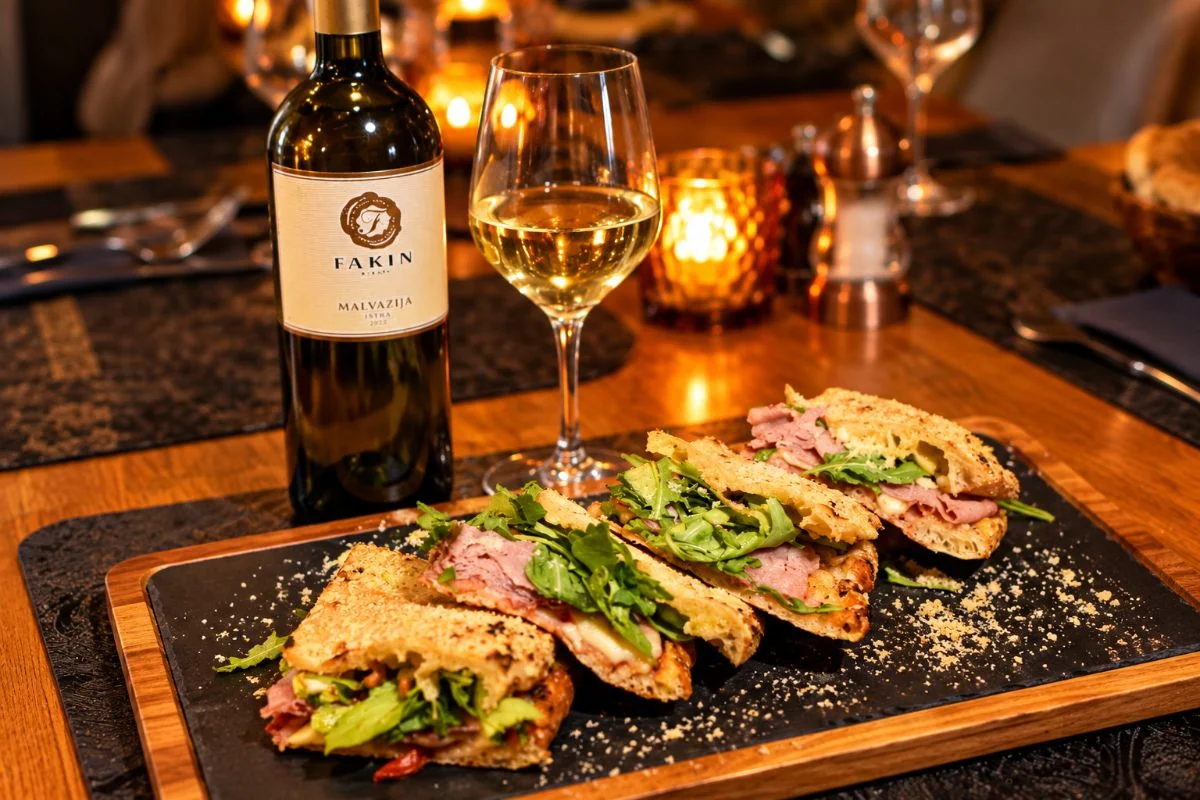
Next came Panuozzo mortadela tartufi, an Italian speciality made from pizza dough, whose particular quality lies in the combination of a soft interior and a crisp crust. The richness of the mortadella and the aroma of truffle called for a wine that could follow the intensity of the flavour while keeping the necessary freshness. The choice fell on the premium Malvazija 2025 from the Istrian producer Marko Fakin, from the area around Motovun. Its fruit, minerality and pleasant fullness combined harmoniously with the creaminess and the characteristic aromas of truffle, while fresh acidity balanced the fat of the mortadella. Fakin’s Malvazija showed once again why this indigenous Istrian variety holds a special place in gastronomy. Its versatility comes into its own precisely alongside dishes in which pronounced aromas, rich texture and moderate saltiness are interwoven.
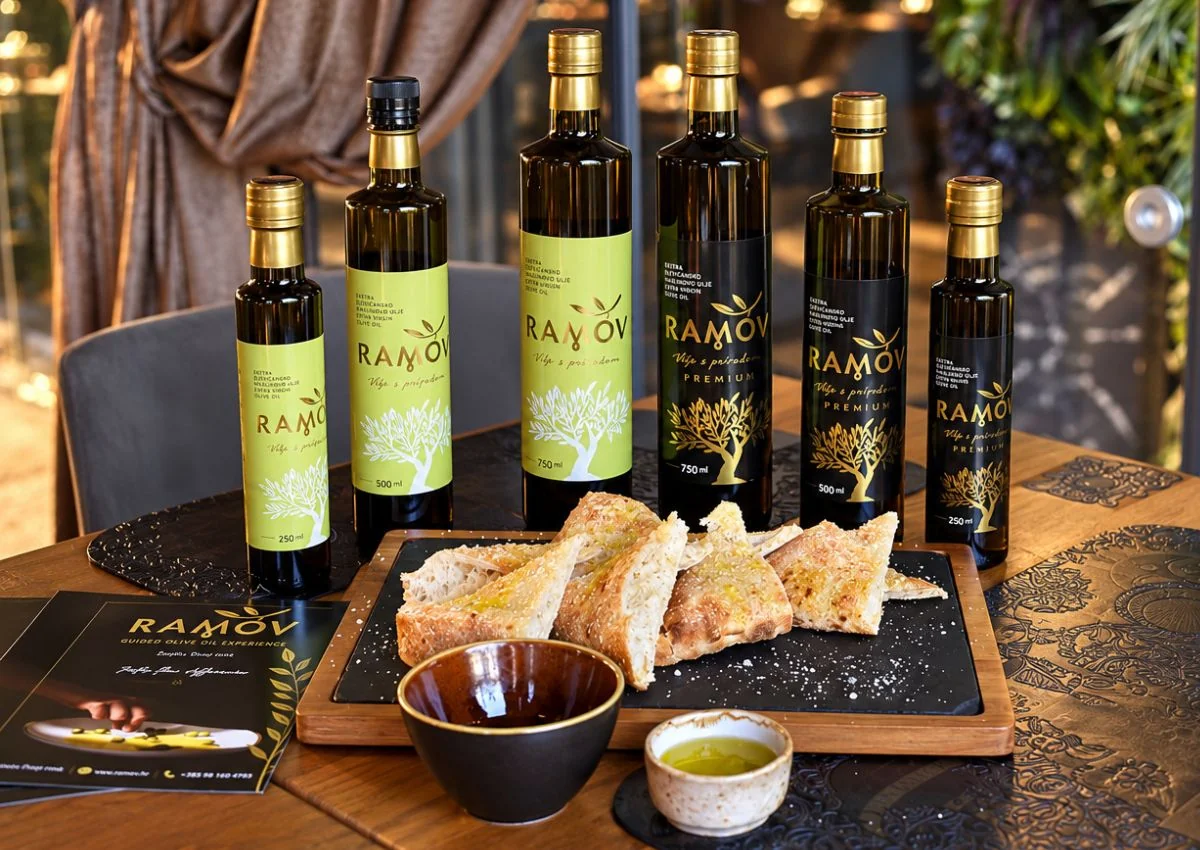
With homemade bread rolls, guests were offered Ramov extra virgin olive oil. Of a distinctive and unique flavour, Ramov oil is of proven Dalmatian origin, obtained by combining olives from Dugi otok and Ravni kotari. Dragan Ramov began producing olive oil 25 years ago, and the family tradition has been continued by his daughter Matija. The olives that grow in the clean surroundings on the edges of the Telašćica nature park on Dugi otok give a mild, fresh and fruity oil with notes of almond. In the family mill in Stankovci, the oil of the island olives is carefully blended with the spicier, more intense oil from the olives of Ravni kotari, and in that way a perfectly balanced union of island and hinterland olives is achieved. It is precisely that union of fruity freshness and piquancy that reveals the full strength and all the virtues of the olive, and at the same time gives Ramov olive oil its recognisability and character.
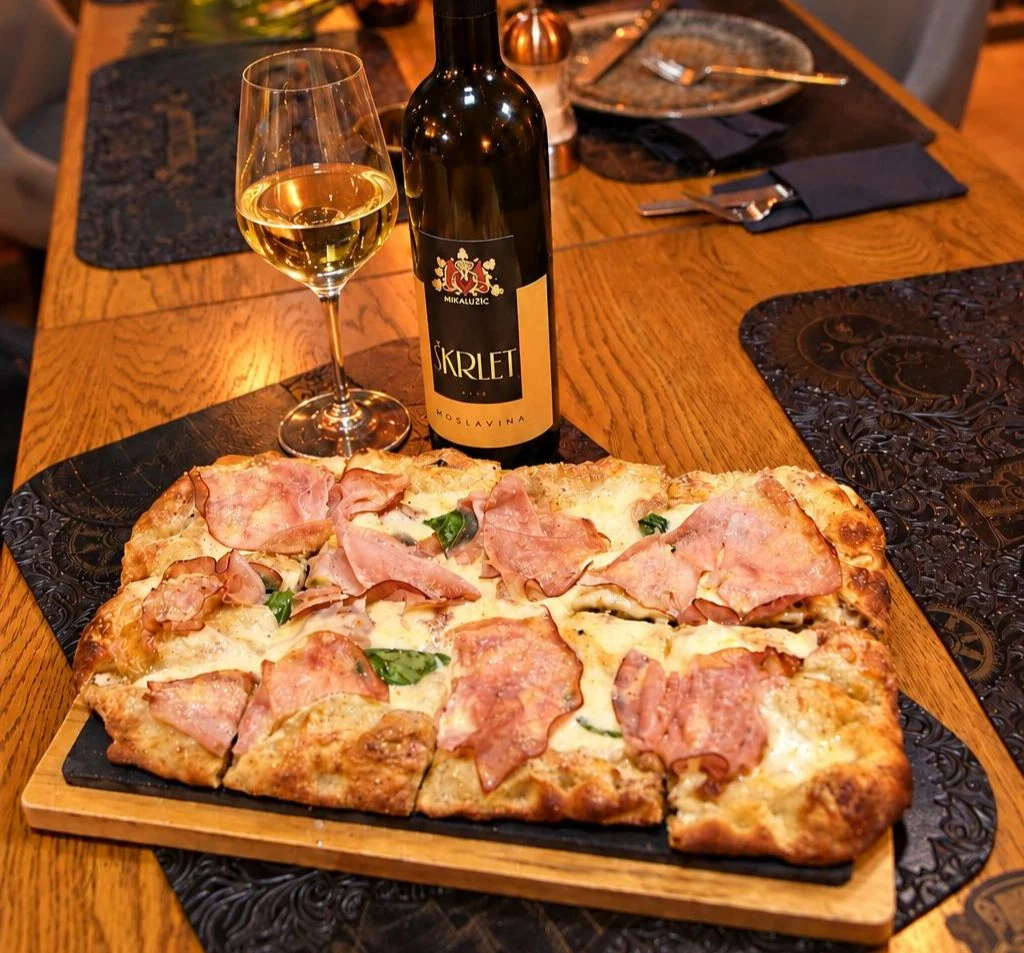
The evening continued with Pala Romana by Domagoj Kralj, a personal interpretation of Roman pizza, recognisable by its elongated shape and airy dough with a crisp crust. The flavour is based on the popular Cacio e pepe sauce, with the addition of high quality Gran Piacere ham, San Marzano peeled tomatoes and Verde Pascolo cheese, along with parmesan, olive oil and cumin. It was served with Škrlet 2025 from the Miklaužić winery in the Moslavina wine district, which showed once again that it is easier to drink than to pronounce. This indigenous Croatian variety, known for its freshness, delicate floral and fruity aromas and lively acidity, proved an interesting partner to this pizza. Its lightness and drinkability allowed the texture of the dough and the flavours of the topping to come through without competing with each other. Petra Miklaužić recalled that the Miklaužić family are among the pioneers of the revival of škrlet, having devoted themselves 26 years ago to a variety that had been completely forgotten. Over time they showed that škrlet can be made not only fresh, but also as a sparkling wine and as an aged one. Moslavina has something it can genuinely be proud of, she added.
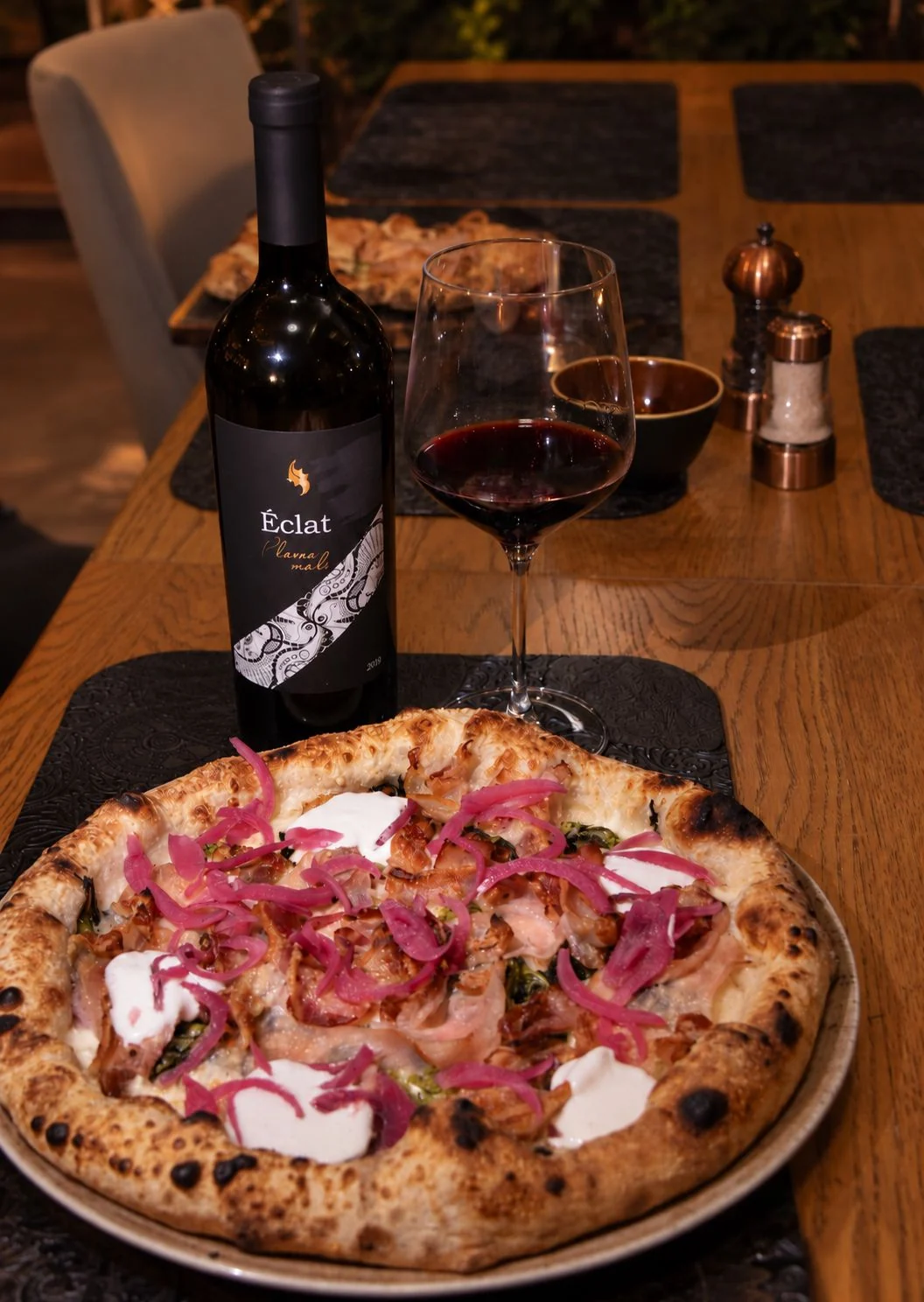
A particularly interesting course was the Slanina Friarielli pizza, which brings together the richness of bacon and the characteristic, slightly bitter aroma of the Italian leafy vegetable friarielli, or Neapolitan broccoli. It was served with Éclat Plavac mali 2019 from Vinolog. This was a considerably more powerful partner, with a structure able to follow the intense flavours of the bacon. The fat and saltiness of the bacon were softened by a partial astringency, while the bitter notes of the vegetable created an interesting contrast with the mature character of the plavac. The pairing showed that serious red wines can also find their place alongside pizza, especially when the toppings are richer. Danijel Stipanić, wine specialist at Vinolog, who also runs their Zagreb wine shop in Trešnjevka, said that this particular wine was matured in American oak barrels that gave it notes of chocolate and caramel, with less tannin and more elegance. Vinolog, behind which stands the well-known wine expert Jelena Balog, has a winery in Samobor and vineyards in several Croatian regions, and the grapes for Éclat Plavac mali come from the Pelješac wine district. Among the premium aged wines of the Éclat line they also have Chardonnay and Cabernet sauvignon and the cuvée Le Premier, made from pošip, malvazija and graševina.
The evening was rounded off by the presentation of the AVA.LIT robot waiter, a technological solution intended for modern hospitality. The robot waiter can carry food and drink between the kitchen and the tables on its own, which considerably eases the work of the staff. In that way, as the representatives of the UTILITER company, Roberto Radelić and Tin Vurušić, pointed out, restaurateurs and their employees have more time for better and higher quality communication with their guests. UTILITER was founded in Varaždin, has operational offices in Zagreb and Split, and has been present on the market with its software solutions for hospitality for more than 20 years. On this occasion, the presentation of the robot waiter showed how automation can be a useful addition to hospitality service, and also a very interesting attraction for guests.

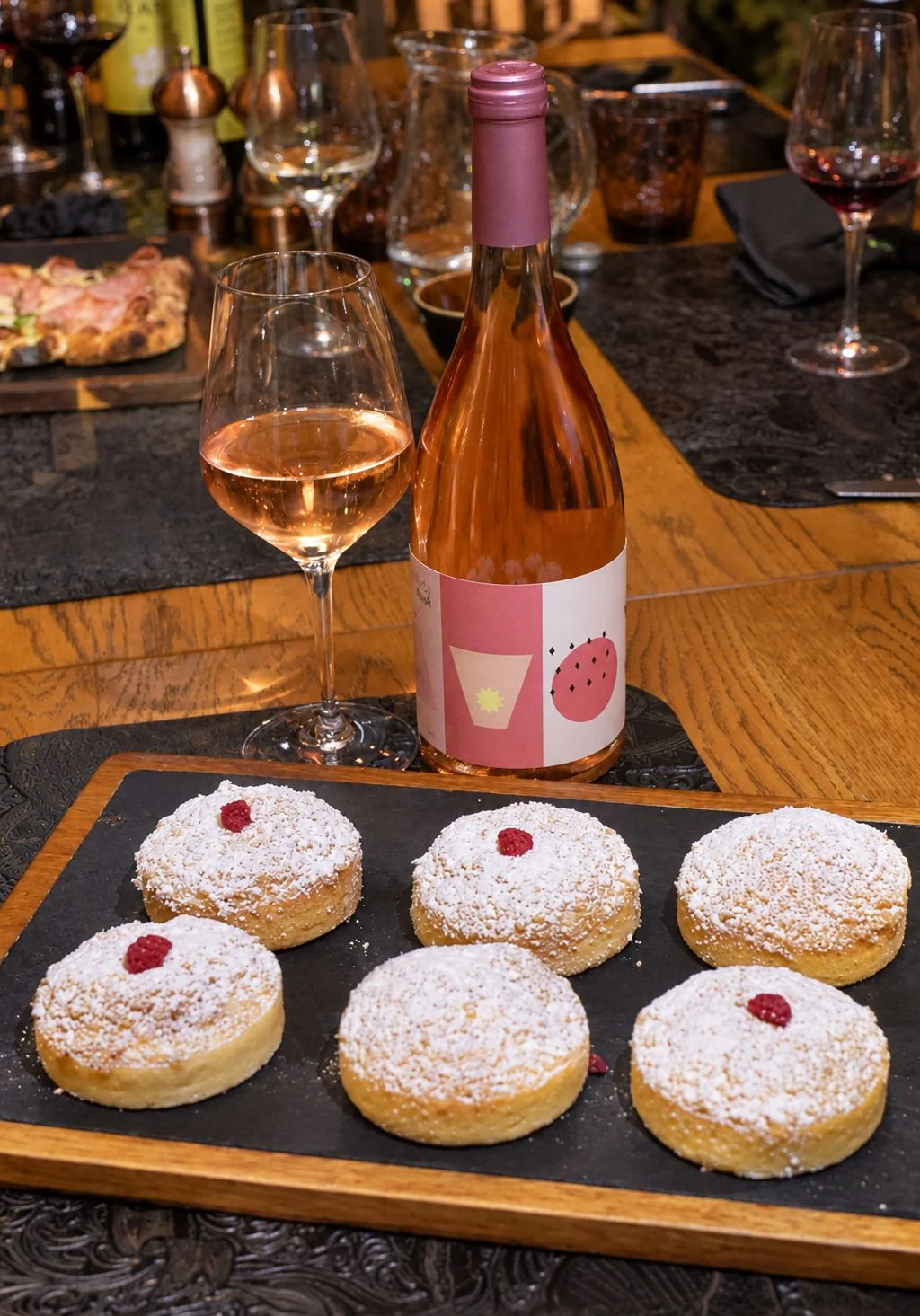
The sweet close to the evening came with Art of Tart, a dessert with raspberries and a cream of mascarpone, tonka and amaretto. It was served with the off-dry Sávoj Rosé 2025 from the Belje winery, presented by Lukica Martić, sales representative of Belje. The fruity character of the rosé, with aromas of strawberry, raspberry, pomegranate and rose, complemented the dessert, while the freshness and pleasant acidity of the wine made for a lighter end to a rich gastronomic evening. Its medium sweet character showed completeness and underlined the opulent aromas of this wine, in which an excellent combination of pinot noir, frankovka, merlot and cabernet sauvignon is evident. The Sávoj line, named after Prince Eugene of Savoy, represents a more contemporary expression of the Baranja wine tradition, with an emphasis on fruit and approachability. It is intended exclusively for the HoReCa sector, and besides the Rosé it also includes Graševina, Blanc, Orange and Rouge.
The new edition of the Vino uz pizzu project showed that pizza can be much more than a simple, quick meal. From fresh white wines and an elegant sparkling wine to a structured plavac mali, every course opened up different possibilities for pairing. With Istrian spirits and Dalmatian olive oils, the evening at the Mrs. Fogg pizzeria brought together gastronomic tradition and contemporary creativity, confirming that a good wine story does not call for complicated recipes, but for quality ingredients, thoughtful combinations and a little spirit of exploration.
FAMA / Photo: Julio Frangen