



Teinturier, précoce and meunier, then noir, gris and blanc, are parts of the most common names of pinot, a variety that man has cultivated for around 2,000 years and of which more than 1,000 clones have so far been registered. The cluster resembles a pine cone, so one theory about the origin of the name is linked to the pine tree, which in French is pin. Another is that it was named after the French place Pinos or Pignols, where in the past they grew grapes and made wines for the court.
It turned white
The original pinot is noir. Many consider it the finest variety for winemaking, and the Pinot Noirs of Burgundy have for decades been the most expensive wines in the world. In the German-speaking world it is called by derivatives of the word burgunder or burgundac. Pinot Gris, through natural mutations, lost part of its colour, but its grapes still have a fairly dark skin, while its wines nonetheless count as white. Pinot Blanc, in turn, took a further step and turned completely white.
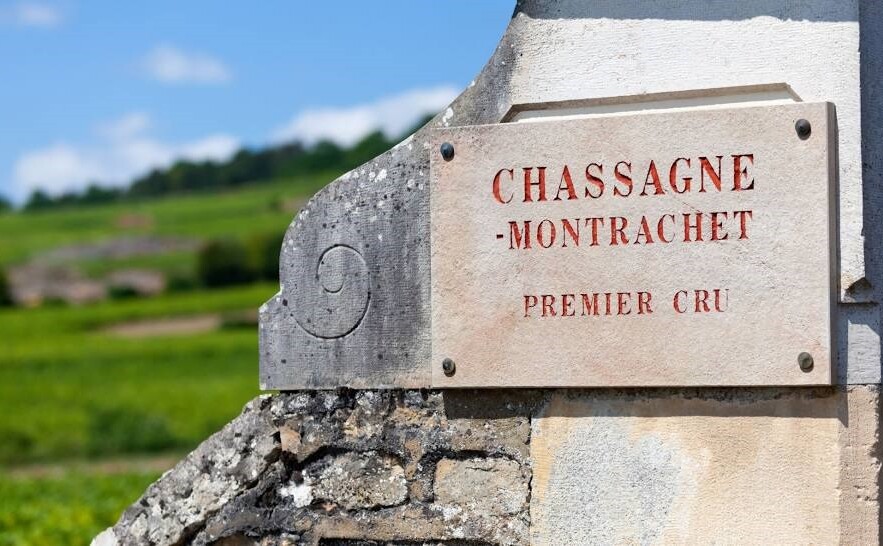
Throughout history it was often confused with chardonnay, and here in Croatia even at the end of the last millennium. Pinot Noir — and that means Pinot Blanc too — is one of the parents of chardonnay. The first records of Pinot Blanc date from 1895 and 1896. The mutants were found in Burgundy, in the vineyards of Chassagne-Montrachet and Nuits-Saint-Georges, and they are said to have arisen through a mutation of the gris.
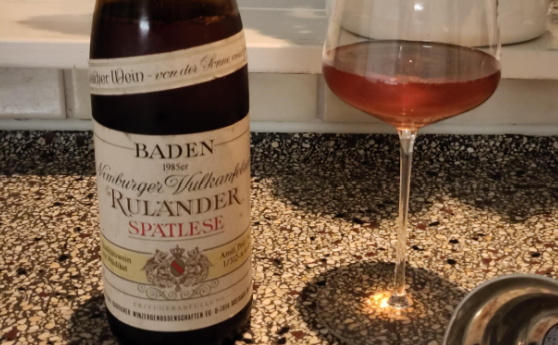
In the Pfalz it’s ruländer
The first mention of Pinot Gris was in a letter sent in France in 1283. It is not entirely clear which variety it refers to, because the same name is linked to two different wines. The oldest reliable record is from 1711, from Germany. It was written that in the famous German region of Pfalz along the Rhine a new vine had been discovered that should be called ruländer. That is still the name used for Pinot Gris in the German-speaking world today.
Pinot Gris gives great wines in Alsace — French today, once not quite so. Pinot Blanc there is treated like a workhorse. There is plenty of it, but it is used mainly as a supplement to other varieties, often also in the sparkling wines they call Crémant d’Alsace. Today the most Pinot Blanc is found in northern Italy. It is planted on more than 5,000 hectares which, for comparison, is almost a third of all Croatian vineyards.
Around Zagreb
In France there is a little under 4,000 hectares of it, in Germany a little over 3,500, and in Austria around 2,000 hectares. Here it is popular in the area around Zagreb. At the end of the 20th century almost every tavern in the capital claimed to have Pinot Blanc, and so much of it was drunk that not even all the Italian, French, German and Austrian grapes together would have been enough. There is some, truly, in the Bregovita Hrvatska wine region (the hilly uplands of continental Croatia), and a little in Istria and the Danube region (Podunavlje), primarily in Srijem.
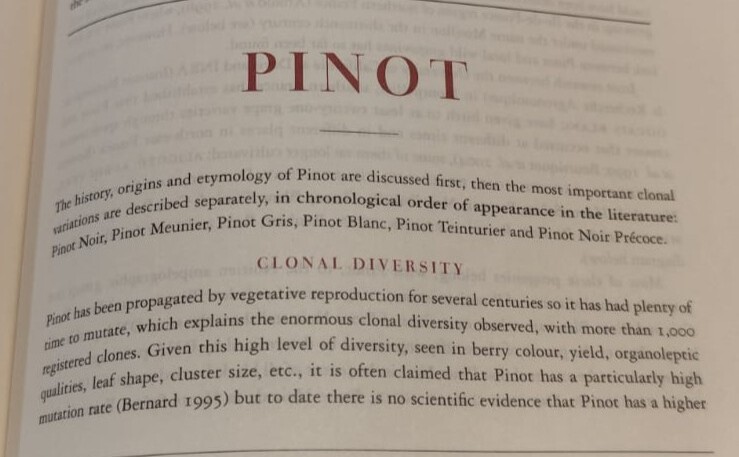
Jancis Robinson, in her book Wine Grapes, in which she described 1,368 wine grape varieties, says of Pinot Blanc wines that they are among the most underrated in the world. It gives convincing white wines of medium body, she wrote briefly. Over the past decades there have been good examples here too of what a wine Pinot Blanc can give. Among the best was certainly the “Bijeli pinto,” as the Šember family from Pavlovčani near Jastrebarsko called their Pinot Blancs some twenty years ago.
It’s underrated
The 2005 and 2002 vintages are remembered as excellent wines, but they produced very small quantities and much was drunk at gatherings in the winery. Both were truly friendly, yet convincing wines. Today most Croatian Pinot Blancs are supple in nose and palate and ideal for everyday enjoyment. They pair nicely with simple starters, main courses made of meat, fish and seafood, and light desserts too. Is that enough? No. After all, it is a mutant of Pinot Noir, and that is the greatest of all varieties. If we leave out the Rhine Riesling (raj(n)ski rizling).
16.12.2025.
Written by: Ivo Kozarčanin