

Vinyl records were my first collector’s passion. Once word of that got around the wider family, I would regularly find large, thin gifts colourfully wrapped under the Christmas tree, and regularly end up disappointed once I unwrapped them. With good intentions, they bought me the latest releases by the most popular singers or bands, most of which I did not listen to. And if that music did interest me, I would have got the record myself anyway. A similar problem arose with wine. Now they go to the nearest shop, choose a label they like and place a bottle under the tree, believing it will delight me. Again with good intentions, but without considering that anyone seriously involved with wine can taste the great majority of them before others have even heard of them.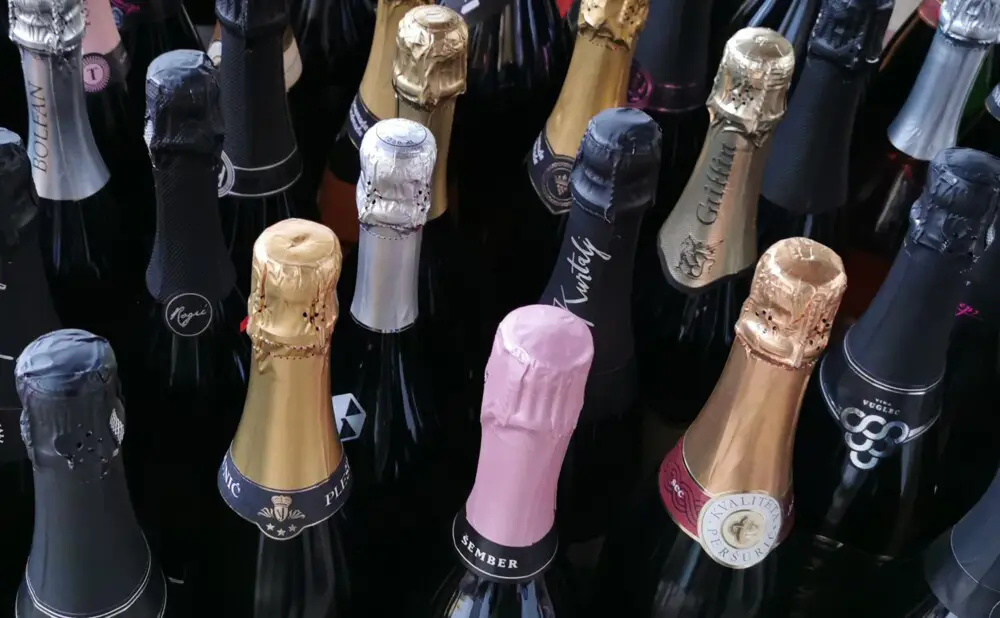
Since their attitude to wine differs from that of a true wine lover, it rarely occurs to them that popularity generally cannot be equated with quality, let alone with distinctiveness, which is every collector’s most important criterion for choosing. Nor do they consider that those who truly love wines do not want collections. To them a wine is not a trophy but a friend in whose company they will take pleasure. And to be able to recognise who might become a good friend to whom, they would have to know wines just as well as the person they wish to give the wine to, which is generally an almost impossible mission. 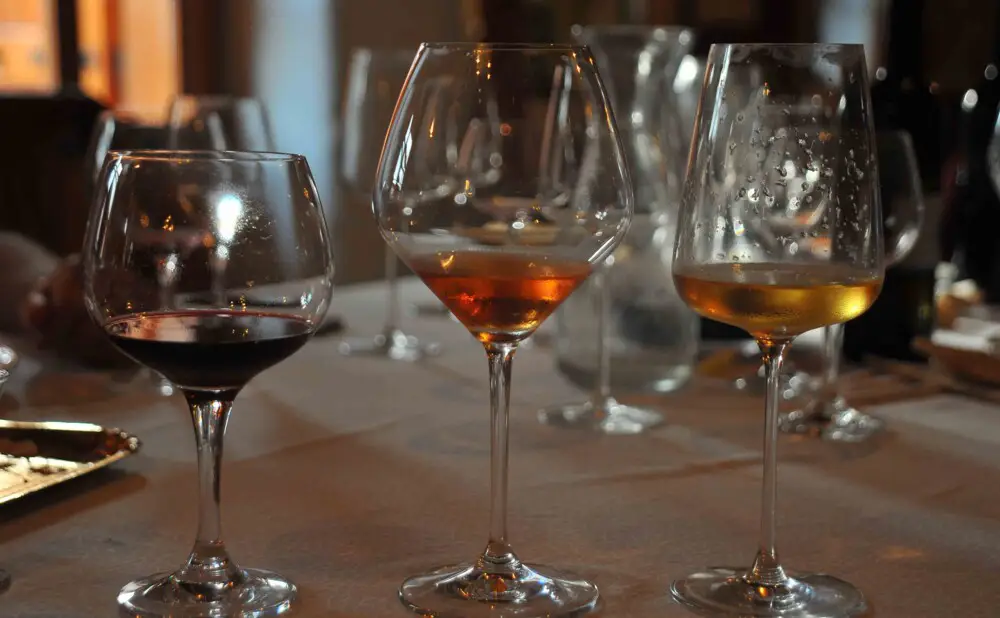
That is why it is better to give a wine lover something connected with wine, but not liquid. Glasses are always a good gift. Here even the price does not matter, because there are occasions such as outings on which cheap glasses are taken, and a box of six tumblers comes in handy if they are the right shape. Which shape? Easy to check online. Two more expensive glasses are also a good gift, ones the wine lover will use when tasting alone or in more intimate company. A decanter, the vessel into which wines that need to breathe are poured, will also bring joy, because these wondrous “devices” break easily too, so one can never have too many. Even if it is not used for decanting, it will be a practical vessel for collecting corks that looks lovely on a shelf. 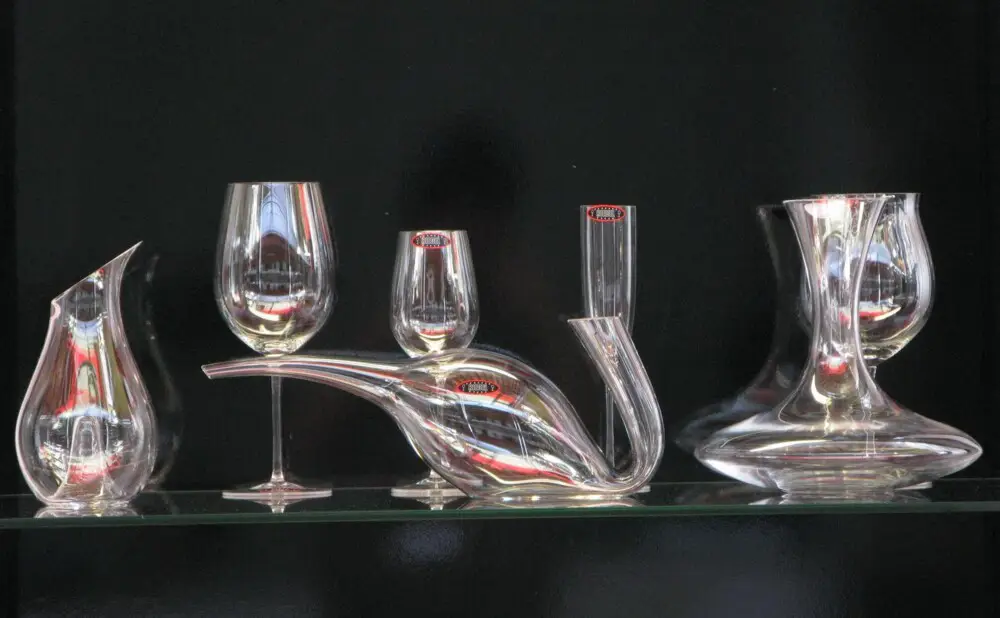
A corkscrew, meanwhile, is a gift you cannot go wrong with. Here one should choose the type called a waiter’s friend or sommelier knife (it folds like a pocket knife). It is the most practical, however much it may seem to some that it is easier to open bottles with a winged corkscrew, the two-lever kind. Anyone, even those who are not seriously into wine, will also be delighted by some original old corkscrew of the sort that can be found among the bric-a-brac at flea markets or antique fairs, which are growing ever more numerous.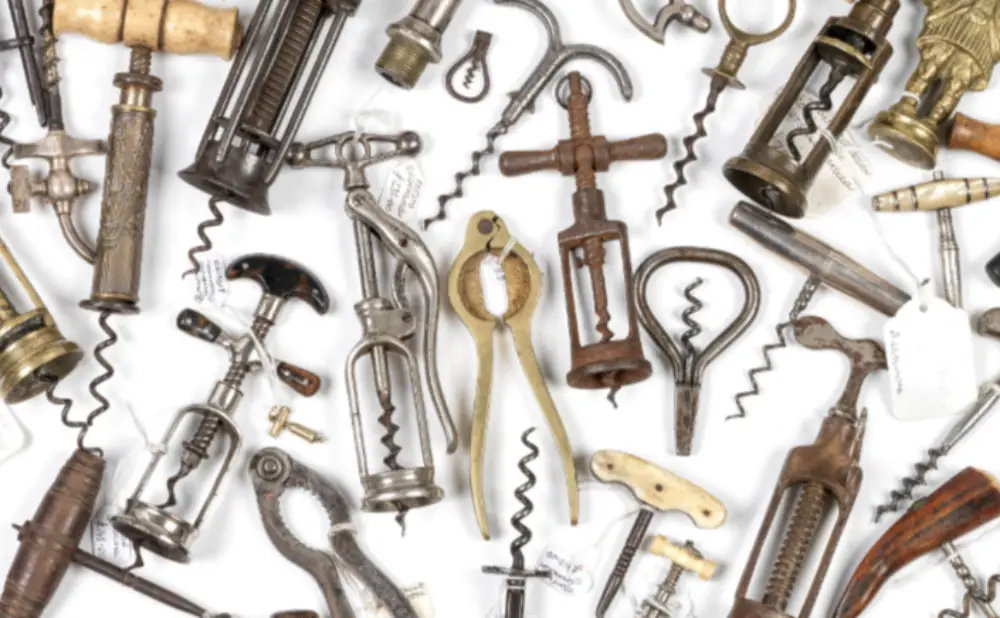
Useful gifts also include simple measuring instruments, such as a hygrometer or a thermometer, with which the wine lover will monitor the conditions in a wine fridge or cellar. Drop stops, little devices of various shapes that prevent wine from dripping onto the table, are gifts that tell the recipient you don’t know how to pour, a message that is surely not on any giver’s mind. An excellent gift, but again hard to choose, are wine books. Before buying, one should carry out a good intelligence and counter-intelligence operation in the wine lover’s library: two identical wine books, however good they may be, are no great joy. 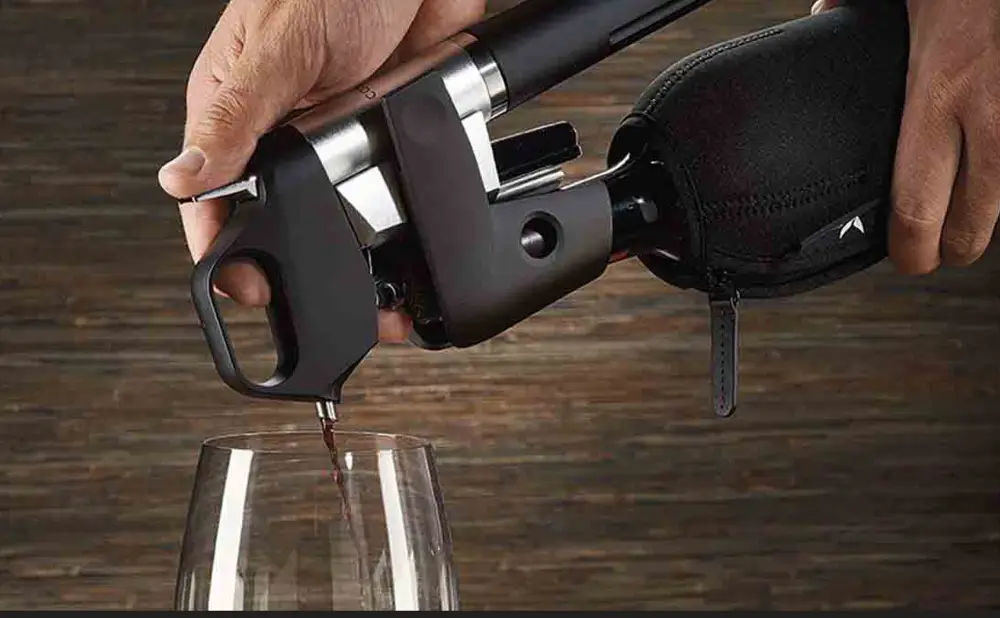
Nor are two identical bottles a joy. But if wine is to be given, it is nicer for it to come as a pair in case one is corked. The exception, of course, is very expensive wines. But if someone is prepared to spend a four-figure sum on a gift, they had better buy a Coravin (above), the magical device that allows an expensive wine to be poured little by little. It is a needle that pierces the cork to release a little wine into the glass, while the void in the bottle is filled with an inert gas that prevents oxidation. After the needle is withdrawn, the pierced cork expands and quickly reseals the bottle.
15.12.2025.