

 Written by: Krešimir Kožić, Vinski klub
Graševina is Croatia’s most important white variety. To my mind it is also one of the finest varieties we today count as part of the Croatian wine identity. Few Croatian varieties dominate the vineyards to this extent while at the same time attracting so much condescension. That is precisely why its story reads like an unlikely blend of queen and Cinderella.
Graševina is, in fact, an international variety, grown mainly in Austria, the Czech Republic, Hungary, Slovenia, Croatia, Serbia, Romania and Italy.
These are for the most part countries of the Danube basin, where it gives its best results. The names it goes by on the market are Welschriesling, Riesling Italico, Laški Rizling, Olaszrizling, Grašac and, of course, Graševina.
In our country it is by some distance the most widely planted white variety and accounts for a very significant share of total vineyard area. Although it is unquestionably ours — and the other countries where it is grown have no stronger claim — it has still not been declared a Croatian indigenous variety.
Locally popular though it is, Graševina does not enjoy the standing it deserves among most wine professionals, enthusiasts and consumers.
What is the cause of this?
That is the question I will try to answer in this article. Is Graševina inferior to other Croatian varieties? Not at all — to my mind it is superior to most of them. Despite the neglect, Graševina was the variety that first brought Croatian wine international recognition and critical praise.
Some fifteen years ago I took part in a blind tasting where, among a dozen wines from Croatia and Slovenia, there were two Graševinas from the Kutjevo vineyard district. To general astonishment, one of those two Graševinas won, and the other took third place.
At the start of the last decade Graševina’s momentum was at its peak, and it seemed this would be the variety to conquer the domestic wine scene and become Croatia’s principal wine export card. Yet for all the relative successes, that did not happen.
The first reason is Graševina’s own image as a simple supermarket wine. We have to admit that this was never seriously addressed, and the burden of being the “state-combine” wine of the former country has unfortunately endured to this day.
The second reason is that most leading Croatian wine writers never followed Graševina with the same enthusiasm and drive they gave to certain other Croatian varieties.
The third is somewhat bizarre, because it concerns the market price of the wine itself. With rare exceptions, Graševina has never achieved the market price of certain other local varieties, so it could not position itself as a so-called premium variety.
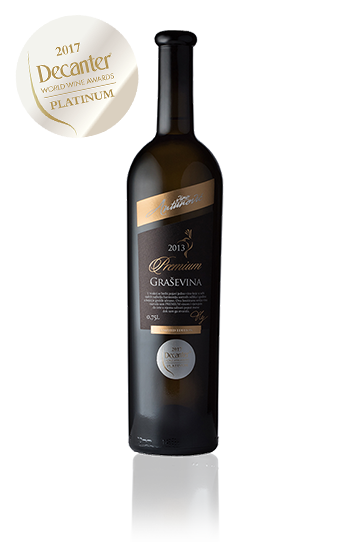
Graševina is, in essence, an exceptional variety capable of producing world-class wine. The proof is there: Graševina Belje 2010 was awarded 90 points by Robert Parker, while Graševina Premium Antunović 2013 and Graševina De Gotho 2018 both took Platinum medals at Decanter.
It is remarkably versatile, and one of the few varieties in the world able to produce wine across a stylistic range running from classic zero dosage sparkling wine to ice wine.
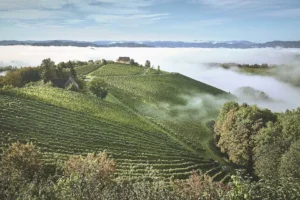
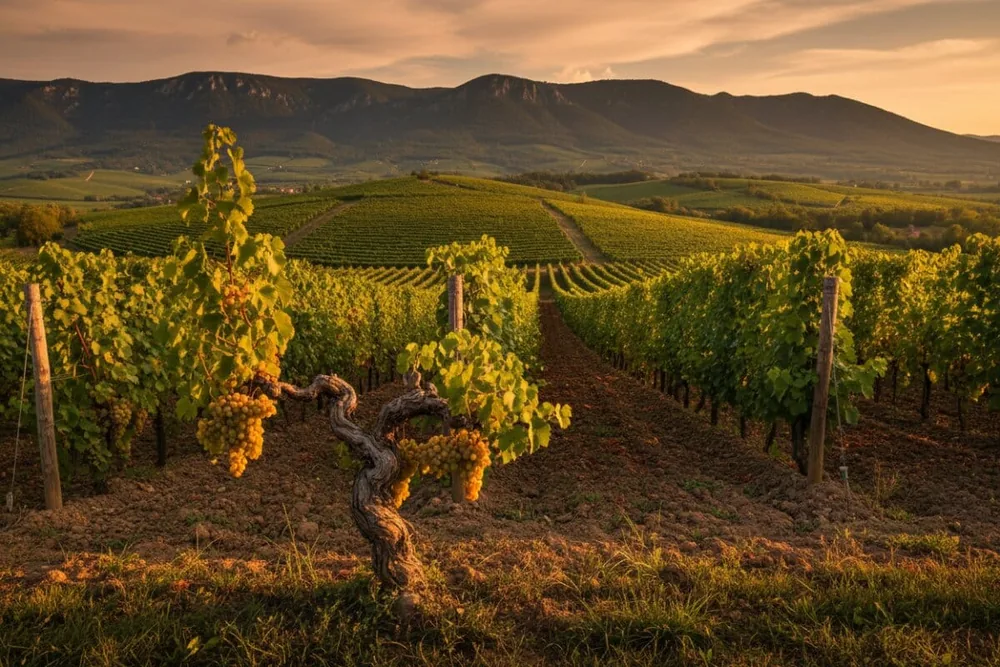
The greatest strength of Croatian Graševina lies in the marriage of variety and terroir. The southern exposures of Krndija, Papuk and Dilj, the significant diurnal temperature swings and the preserved freshness of the fruit allow the production of wines that hold on to elegance, minerality and ageing potential all at once.
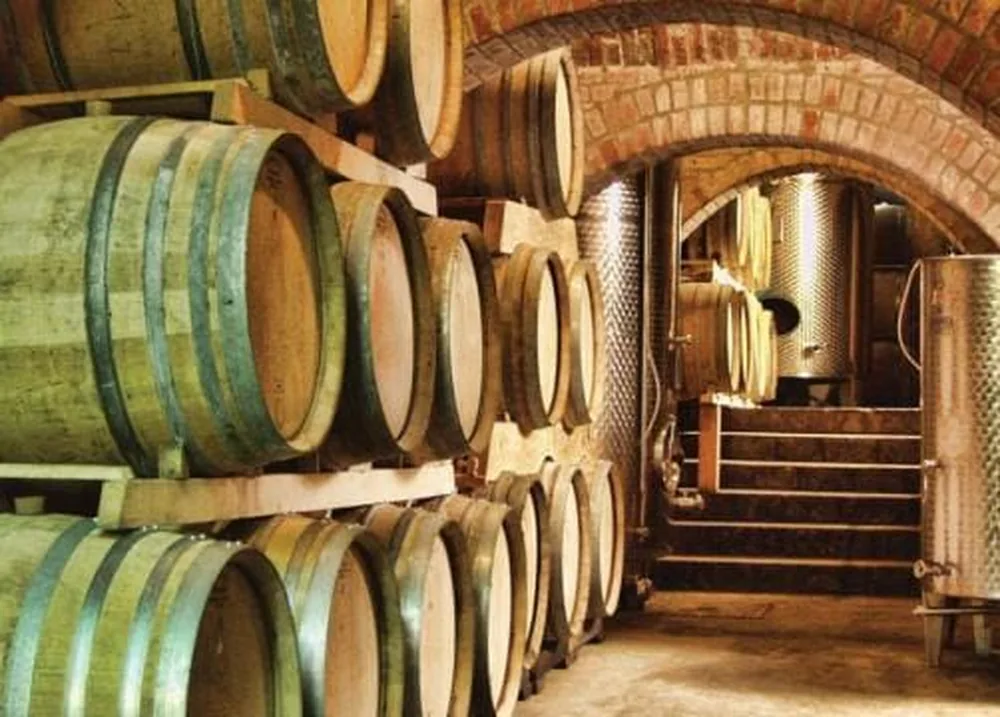
In terms of overall organoleptic character, we might place it somewhere halfway between Riesling and Chardonnay. It can give an exceptionally dry wine from stainless steel, it takes well to a subtle touch of oak (large format for preference), and it yields excellent botrytised off-dry wines. As for sweet wines, Prädikat bottlings and ice wines, they hardly need mentioning. In every one of these styles Graševina simply excels.
While Graševina is in gentle stagnation here, it is on a modest but meaningful rise in Austria, Hungary and Serbia — particularly in the class of single vineyard wines, which are winning very high scores from international critics, with market prices to match.
An excellent Welschriesling from Styria comfortably fetches thirty euros and more, and the best Serbian Grašac bottlings are dearer still. And Graševina? Perhaps it is actually good news that the very best Croatian Graševinas can still be bought for under twenty euros. But that is a burden at the same time, and it tells us something about the problem of market positioning.
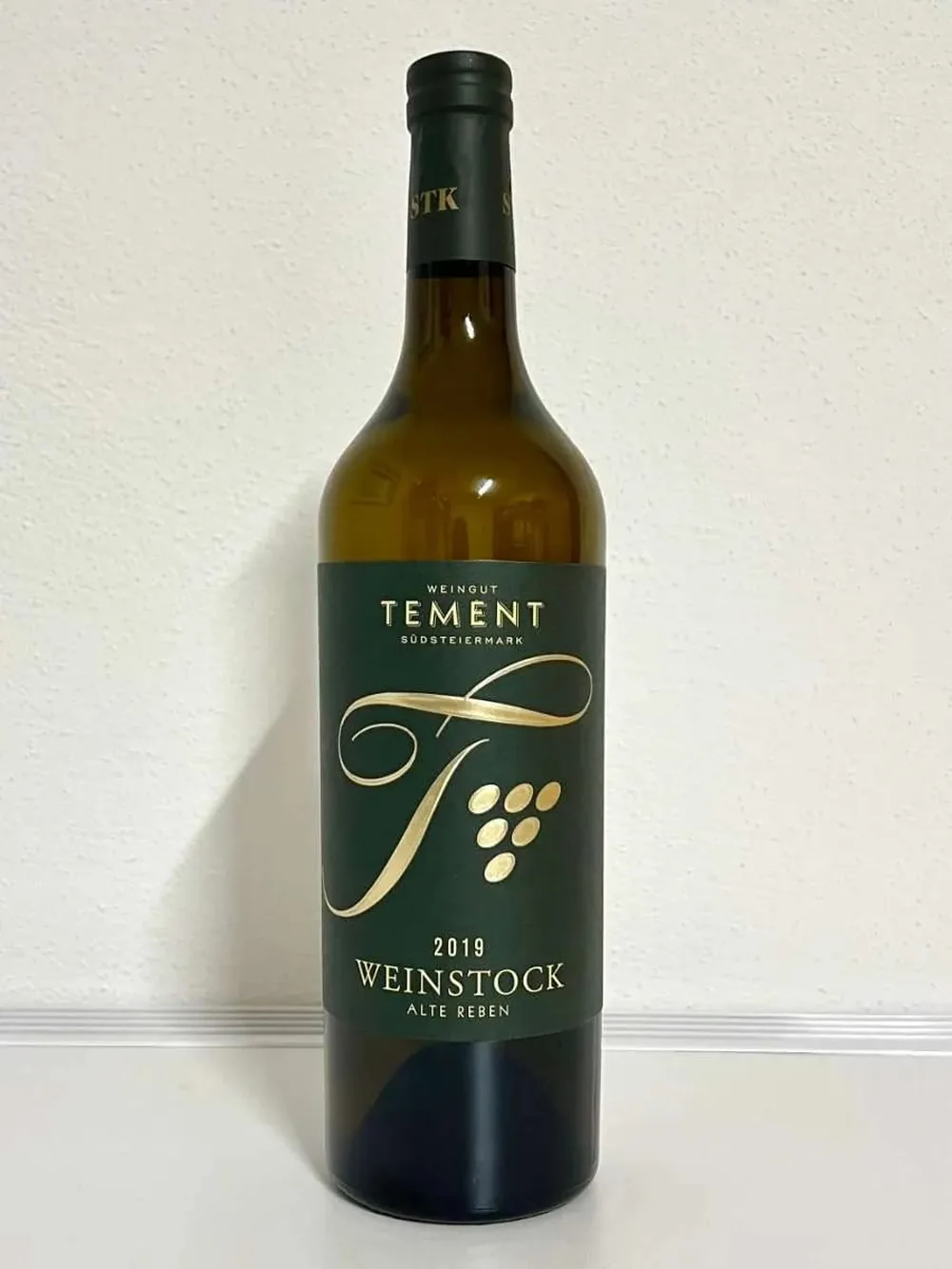
This price positioning is very welcome for the local end consumer, but bad for the image of the variety itself. Croatian single vineyard Graševinas produced in editions of at most a few thousand bottles ought to carry a more seriously positioned price.
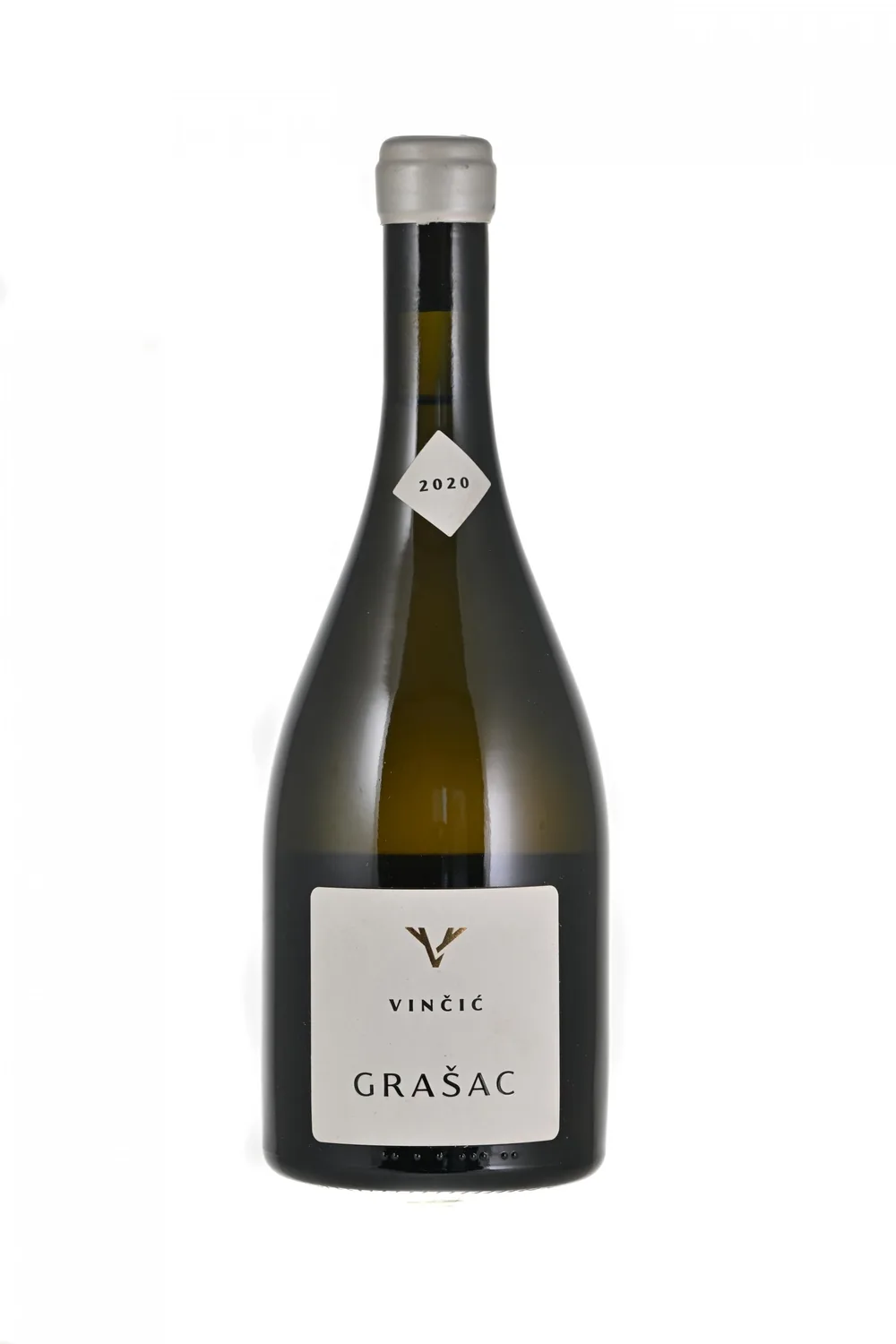
Graševina is an outstanding food variety which, across its broad range, can accompany the entire tasting menu at any of Croatia’s Michelin-starred restaurants. How many such restaurants carry serious Croatian Graševina on their wine lists is a subject for another article.
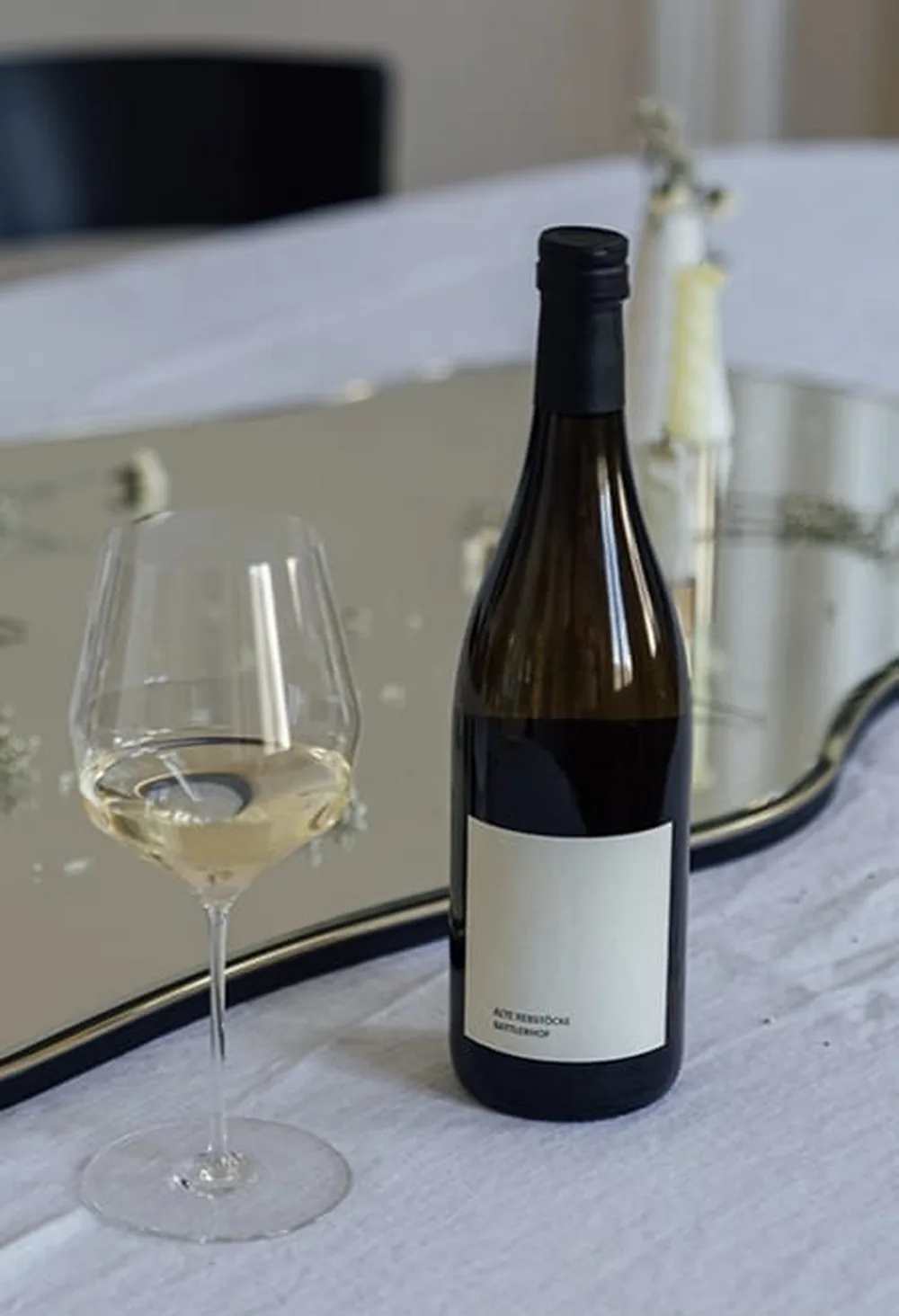
I will not recommend my favourite Graševinas here by specific label. I will only stress that this is my favourite Croatian variety, and that of all Croatian wines Graševina is the one I drink most often.
Is Graševina the queen of Croatia’s vineyards still waiting for her crown, or merely a wine Cinderella who has not been given the place she deserves?
We might say she is a little of both.
So I would encourage you to give Graševina a chance, even if you currently reach more often for some other Croatian variety. Given its stylistic breadth, you will very likely find a wine you like from this excellent variety.