

 Written by: Krešimir Kožić, Vinski klub
To drink or not to drink the wine that conquered the world and may have lost its soul?
I was sitting with friends at dinner. They are people who love life, enjoy good food and genuinely like a glass of wine. They do not spend hours studying that same wine and its qualities. When it is time to choose, the choice almost always falls on Sauvignon Blanc.
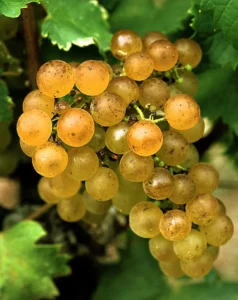
This scenario fascinates me every time. Sauvignon Blanc is, at its core, a wild grape with pronounced acidity.
And yet those same friends who enjoy that acidity will turn down a glass of top Riesling with distaste. I always think of a friend of mine who will say: “Oh no, I don’t like those aromas, and it might be too sour for me.”
How is it possible that a grape with such pronounced acidity became the ultimate crowd favourite and the global ruler of wine lists?
The answer lies in the fact that the industry has trained the mass wine audience to accept acidity wrapped in an artificial perfume of passion fruit and similar tropical aromas. But have we reached saturation point because of it? Should we still be drinking Sauvignon Blanc at all today, or is it time to say goodbye to it for a while?
From “wild white” to French nobility
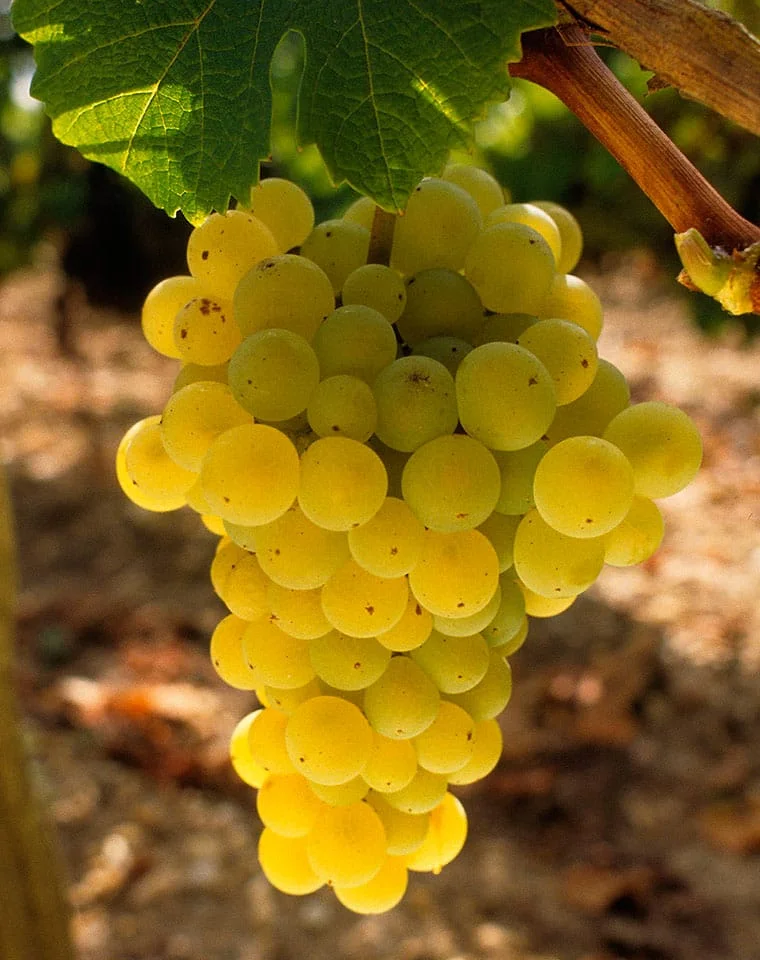
To understand where it all went wrong, we have to go back to the grape’s roots. The name Sauvignon Blanc comes from the French words sauvage (wild) and blanc (white). For centuries this self-seeded vine flourished in south-west France and the Bordeaux region (where, in a marriage with Cabernet Franc, it quite unexpectedly gave birth to the red Cabernet Sauvignon).
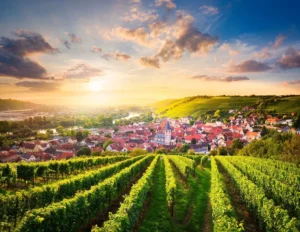
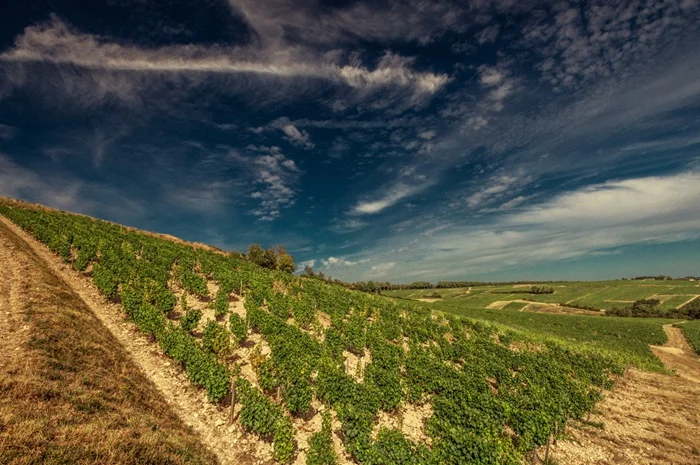
The grape reached its full brilliance in the cooler climate of the Loire Valley, in the famous appellations of Sancerre and Pouilly-Fumé. For centuries the winemakers there tamed its wild and capricious nature through strict work in the vineyard, creating elegant, restrained and deeply mineral wines that smelled of wet stone, chalk and green apple. Notes of elderflower were only discreetly present. It was a wine for the aristocracy and for gastronomic purists.
How New Zealand created (and standardised) a wine monster
At the end of the 20th century the Marlborough wine region of New Zealand discovered a formula that changed the wine industry forever. A combination of a specific climate, viticultural practices and modern winemaking created a style of Sauvignon Blanc bursting with intense, explosive aromas: passion fruit, grapefruit, gooseberry and that famous sharp note of freshly cut grass. The mass audience (and most of the wine critics too) was hypnotised.
Unlike complex French wines that demand understanding and deciphering, New Zealand Sauvignon was clear and seductive from the first sniff. It was the wine equivalent of a global pop hit. Instantly recognisable, easy to drink and loud.
That mass popularity, however, set off a dangerous avalanche. Winemakers around the world, from Chile and South Africa to Europe, began frantically copying the commercially most successful New Zealand style. Through industrial yeasts and manipulation in the cellar, Sauvignon Blanc was turned into a generic product.
Today a large share of commercial Sauvignon has become stylistically predictable: aromatically intense, but often lacking real depth, structure and a clear sense of origin.
The Croatian syndrome: why do local shelves smell of Marlborough?
Our wine scene has not been immune to this global trend. Walk through Croatian wine shops or visit restaurants and most Croatian Sauvignons, especially those from upland Croatia (Međimurje, Hrvatsko Zagorje, Zelina, Plešivica), try stylistically to be “more New Zealand than New Zealand itself”.
Why is that? The reasons are commercial and technological. Our cool continental climate naturally gives high acidity and herbal notes. Winemakers quickly realised that by using specific, highly selective “thiol” yeasts in the cellar (which amplify the aromas of elderflower, passion fruit and boxwood) and cold fermentation in stainless steel under controlled conditions, they could produce in record time a wine that screams from the glass.
It is a style that sells itself in restaurants and bars, delivers an instant aromatic fix and requires no wine knowledge. Unfortunately, the side effect is that many Croatian Sauvignons have lost their authentic stamp of terroir and turned into a uniform template.
The answer is simple: drink it, but only if it is authentic
Fortunately, against the sea of generic Sauvignon stands a small group of visionaries who refuse to play by the rules of the mass market. Their emergence is a response to the “ABS” movement (anything but Sauvignon), which arose when part of the wine public grew tired of the New Zealand style.
They prove that this grape can reach the structure, edge and “regal” bearing we usually associate with the misunderstood Riesling. If you are looking for an alternative to the most commercial interpretations of the variety and want to experience the real, deep character of Sauvignon Blanc, these are the international and Croatian labels that leave a different mark on the palate.
World icons without compromise
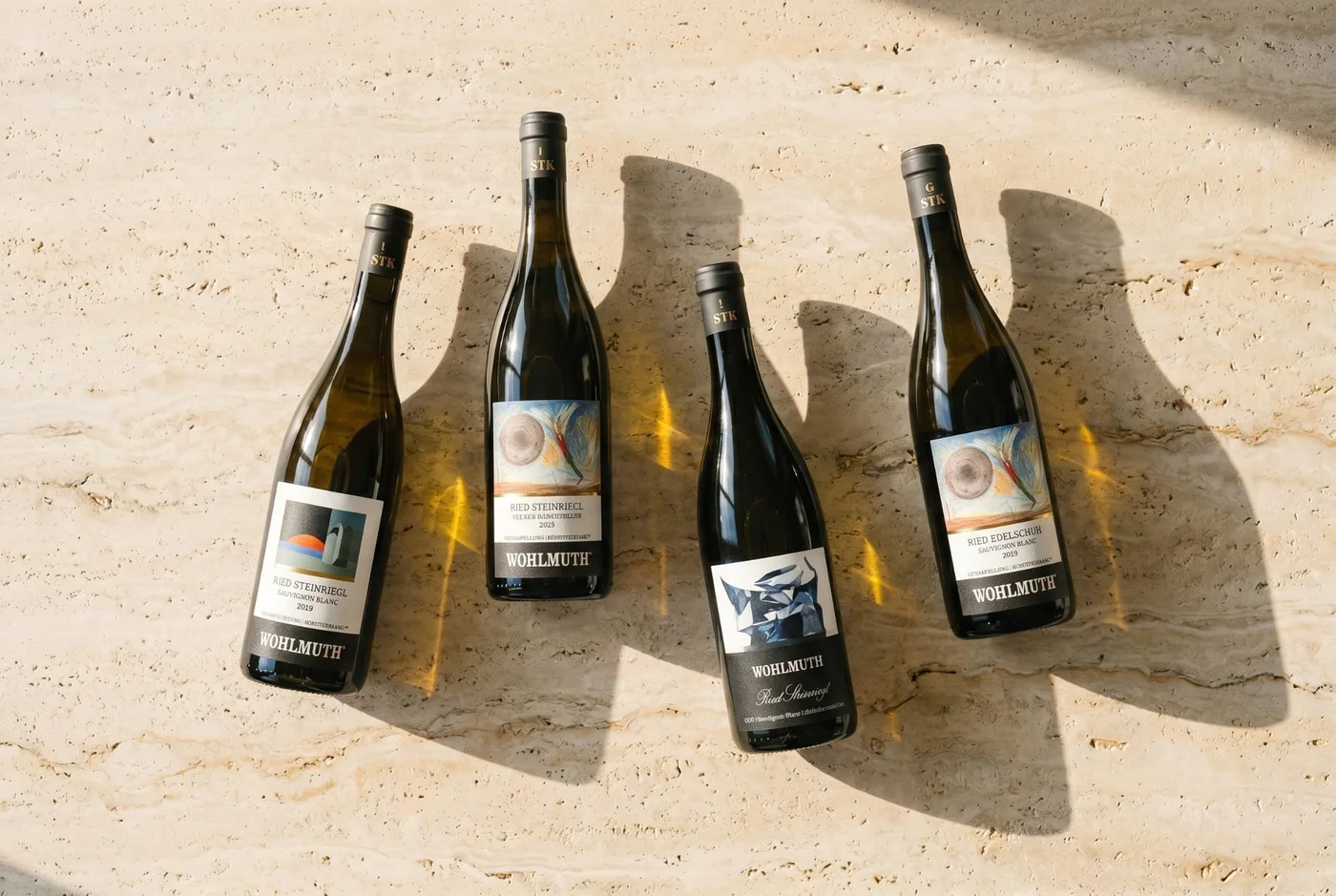
Wohlmuth Sauvignon Blanc Ried Edelschuh (Südsteiermark, Austria): a monument to extreme viticulture and pure minerality from one of the steepest regions in Europe. The historic Edelschuh site has slopes of up to an incredible 90% and soil of poor red and blue-black schist. On the same site the Wohlmuth estate also makes a superb Riesling, and that shows in the DNA of this Sauvignon. Instead of dominant tropical aromatics, it brings notes of flint, smoke, Amalfi lemon and mountain herbs with incredible tension.
Greywacke Wild Sauvignon (Marlborough, New Zealand): the perfect answer to the question of whether New Zealand can offer something beyond the commercial mould. Kevin Judd, one of the people who created the cult Cloudy Bay, now explores a completely different face of New Zealand Sauvignon through his own project, fermenting with indigenous (wild) yeasts in old French barrels. The result is a lavish, deeply textural Sauvignon with notes of ripe citrus, smoked herbs and a long, creamy finish.
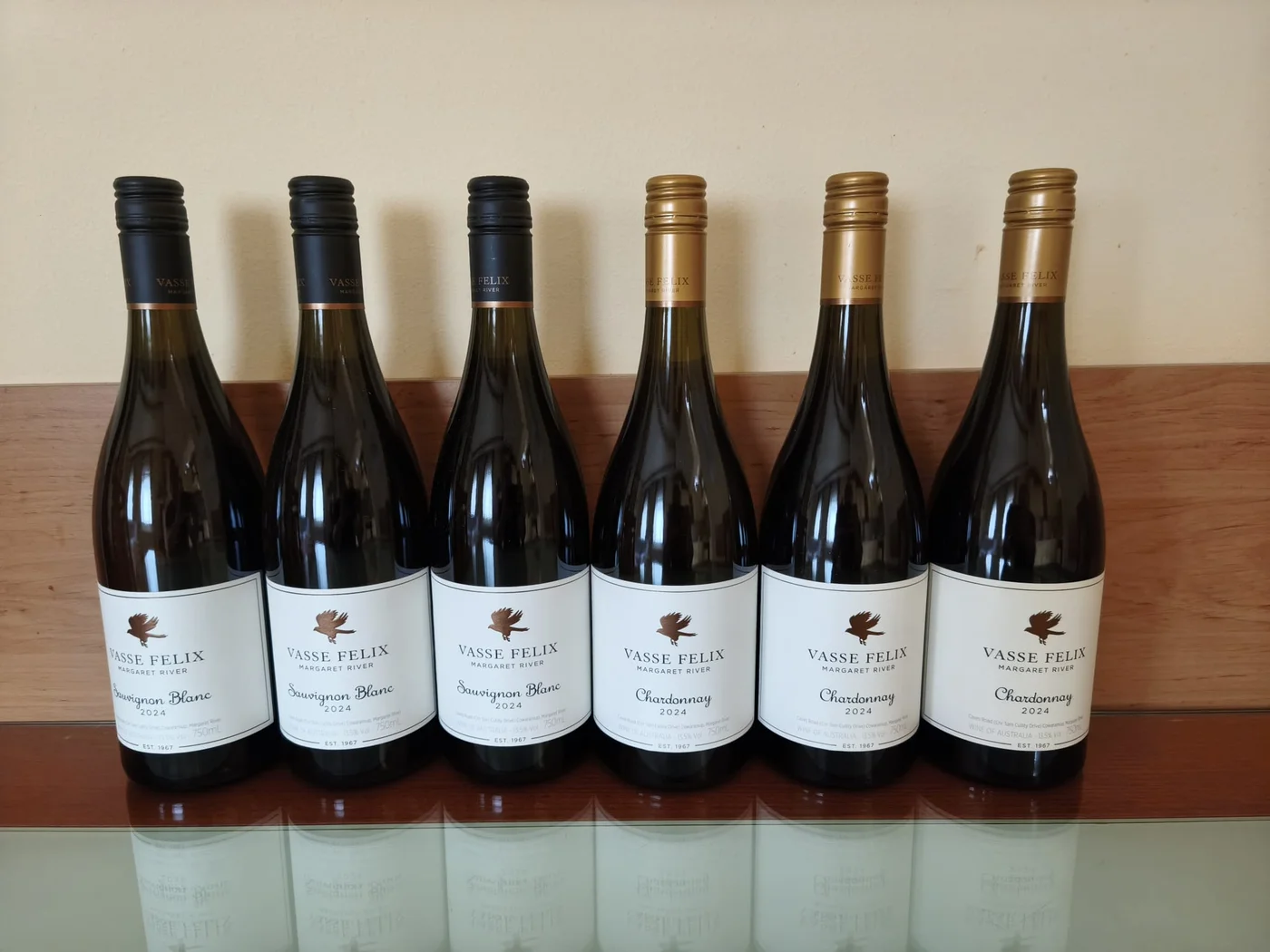
Vasse Felix Sauvignon Blanc (Margaret River, Australia): from one of Australia’s cooler regions. Fermented with wild yeasts and with light maceration, this Sauvignon offers incredible texture. The acidity is perfectly integrated into a body that brings notes of lemongrass, flint, smoke and gentle salinity.

Ventisquero Tara White Vine No. 3 (Atacama Desert, Chile): extreme winemaking from the driest desert on earth, on soil rich in calcium carbonate. This is a completely different, wild, unfiltered Sauvignon. A salty, mineral, chalky and almost ascetically precise wine that defies every cliché about Chile’s “tropical wines”.
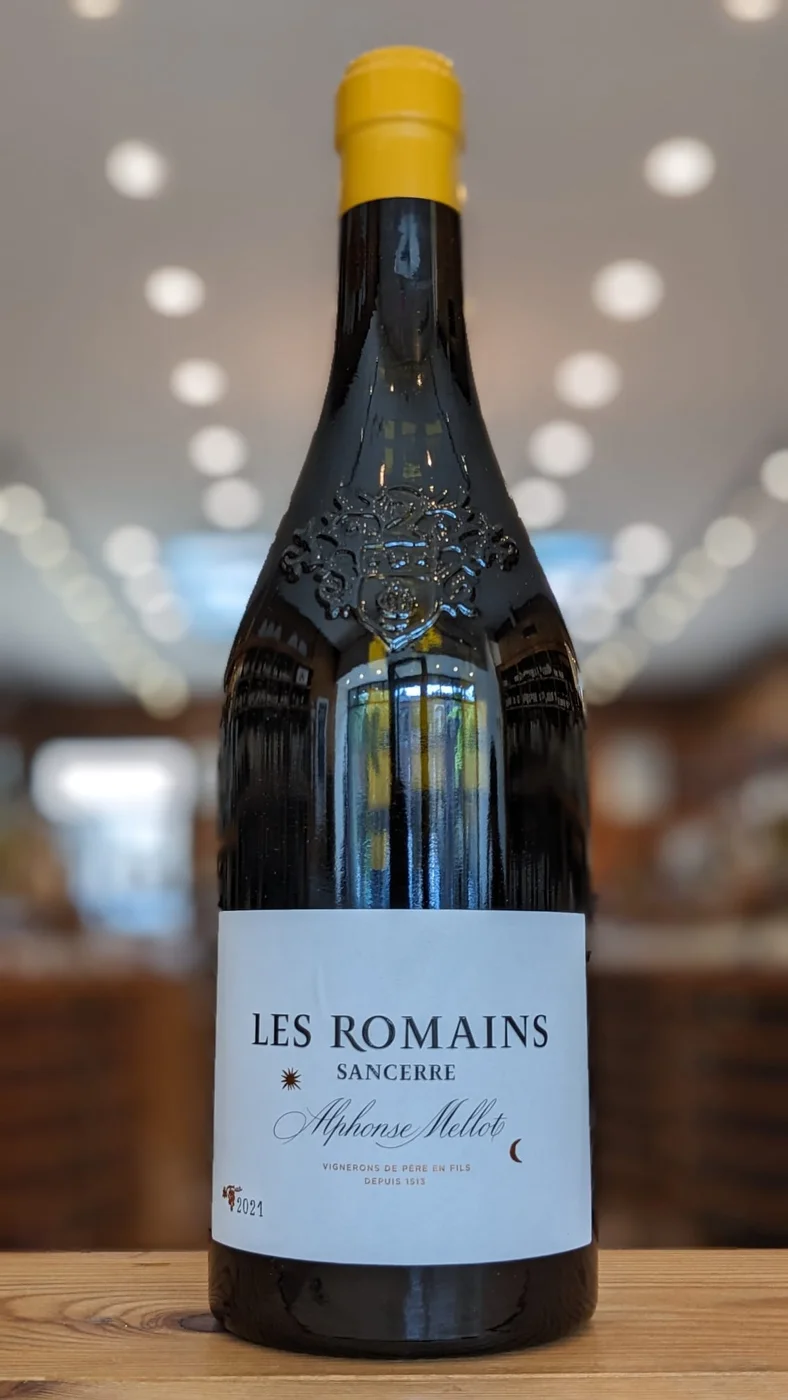
Alphonse Mellot, Sancerre Les Romains (Loire Valley, France): an ode to tradition and biodynamics from a historic site steeped in flint. Forget the pushy grapefruit. Here chalk, smoke, energy and incredible precision rule. This wine does not scream from the glass, it whispers about the terroir where it was born.
Jonathan Didier Pabiot, Pouilly-Fumé Aubaine (Loire Valley, France): Pabiot is a young genius of biodynamics who is returning Pouilly-Fumé to its roots. Aubaine is the pure essence of minerality. Deep, tense, with the recognisable noble note of gunflint (pierre à fusil), ripe citrus notes and a lively yet deeply elegant acid structure.
Authentic Croatian alternatives
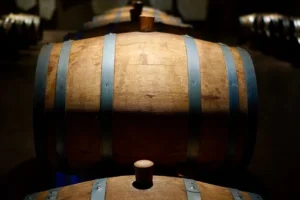
Korak Sauvignon Kamenice (Plešivica): Josip Korak refuses to make quick and banal Sauvignons. His classic ferments in large wooden casks and ages on fine lees. The result is a serious, structured and layered wine. The notes of nettle, asparagus and blackcurrant are tamed here, and the texture on the palate is lavish.
Matošević Grimalda Zelena (Istria): proof that Istria can produce an exceptional Sauvignon when approached differently. Ivica Matošević grows the grapes on the terraced white soil of central Istria. In style it recalls the great white wines of Bordeaux and the serious Sauvignons of Alto Adige. Ageing in wood gives it deep minerality, structure and ageing potential, with a clear step away from trivial varietal aromatics.
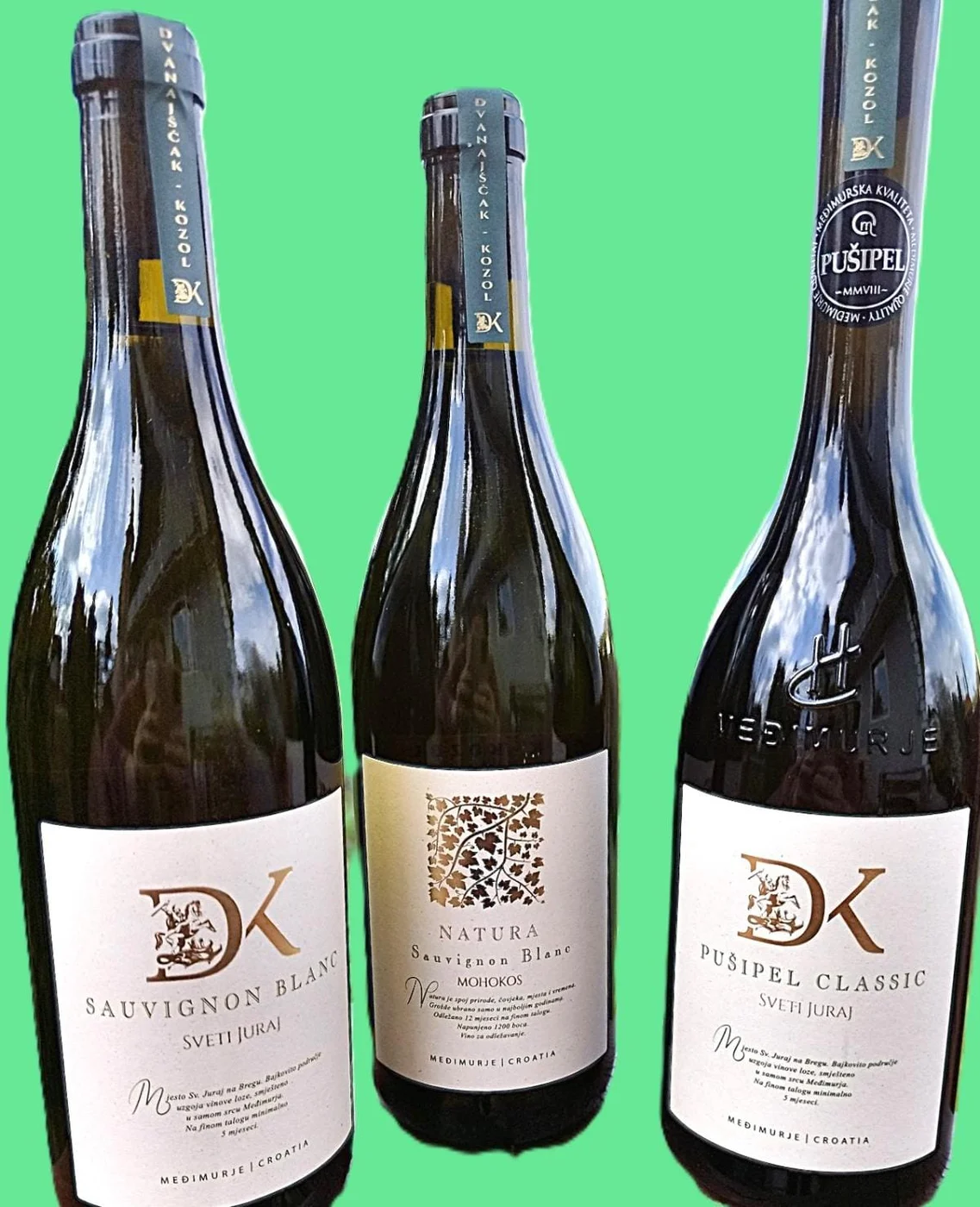
Dvanajščak-Kozol Natura Sauvignon (Međimurje): the natural home of Sauvignon, where the Dvanajščak-Kozol family takes a step towards natural wines with its Natura label. Longer maceration and minimal intervention give a complex wine of amber-gold colour that shows the wild but serious side of Međimurje’s terroir.
The verdict: the problem is not the grape, but uniformity
The next time your friends reach for a well-known generic bottle of Sauvignon Blanc, do not be critical. The grape has an innate charm and approachability that is easy to love at first sight.
But if you want to discover why this grape has survived for so many centuries and why it is considered one of the most important in the world, turn your back on mass production and “instant yeasts”. Open a bottle that has a “dangerous” vineyard, a wooden cask, wild yeasts and a winemaker’s vision behind it. In its finest interpretations Sauvignon Blanc is not merely a summer refreshment, but one of the most convincing white wines of the modern world.