

 Written by: Krešimir Kožić, Vinski klub
Is there another chameleon of a variety quite like Sivi pinot — as Pinot Gris is known in Croatia? Some will say Chardonnay could claim that title, but it is not really so.
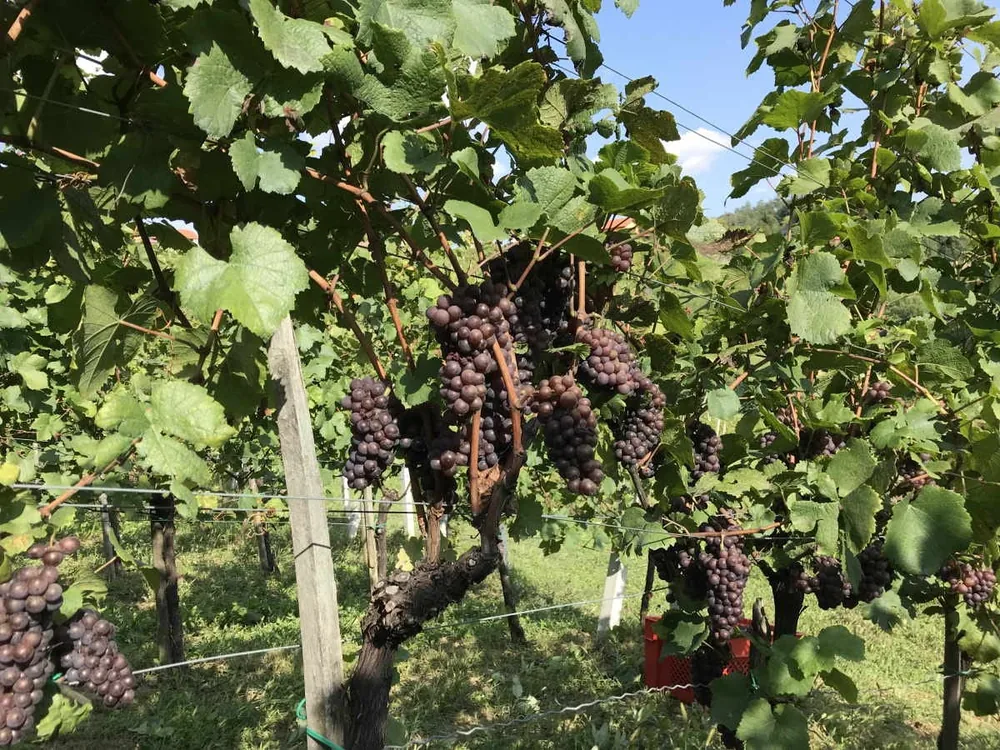
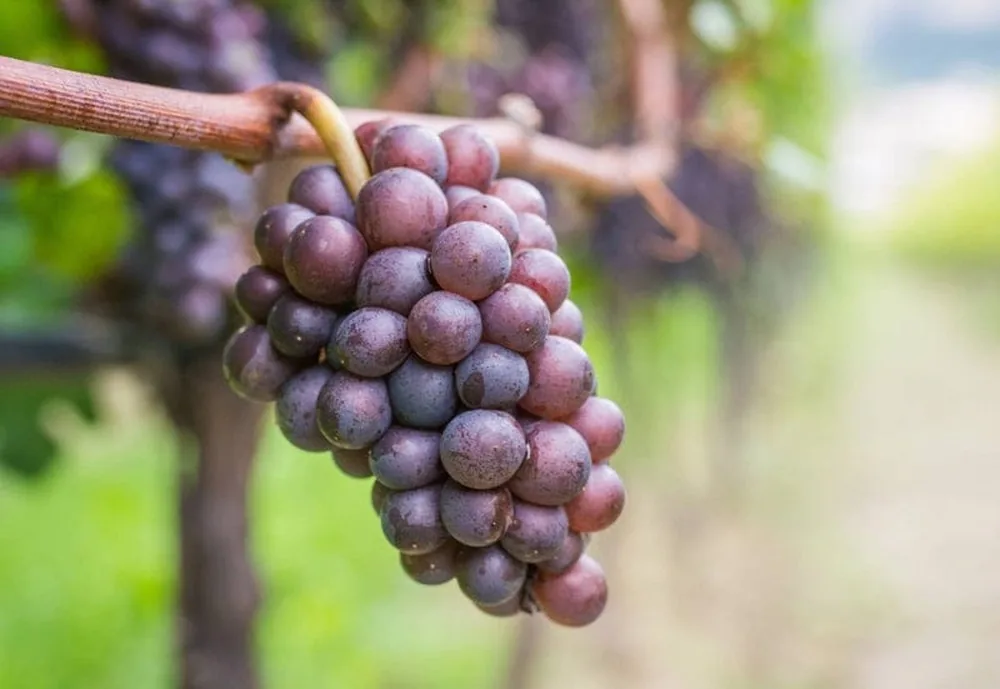
Genetic research has shown that Pinot Gris is a natural mutation of Pinot Noir. The difference lies chiefly in the colour of the berry skin, which can range from greyish pink to a coppery hue. It is precisely this trait that makes possible macerated wines in the style known as Ramato.
Few white varieties offer as many stylistic interpretations as Pinot Gris. Dry, off-dry or sweet wines, aged in wood or raised only in stainless steel; light-bodied, medium-bodied or downright full-bodied. It can be remarkably complex, or utterly neutral. All of that is Pinot Gris.
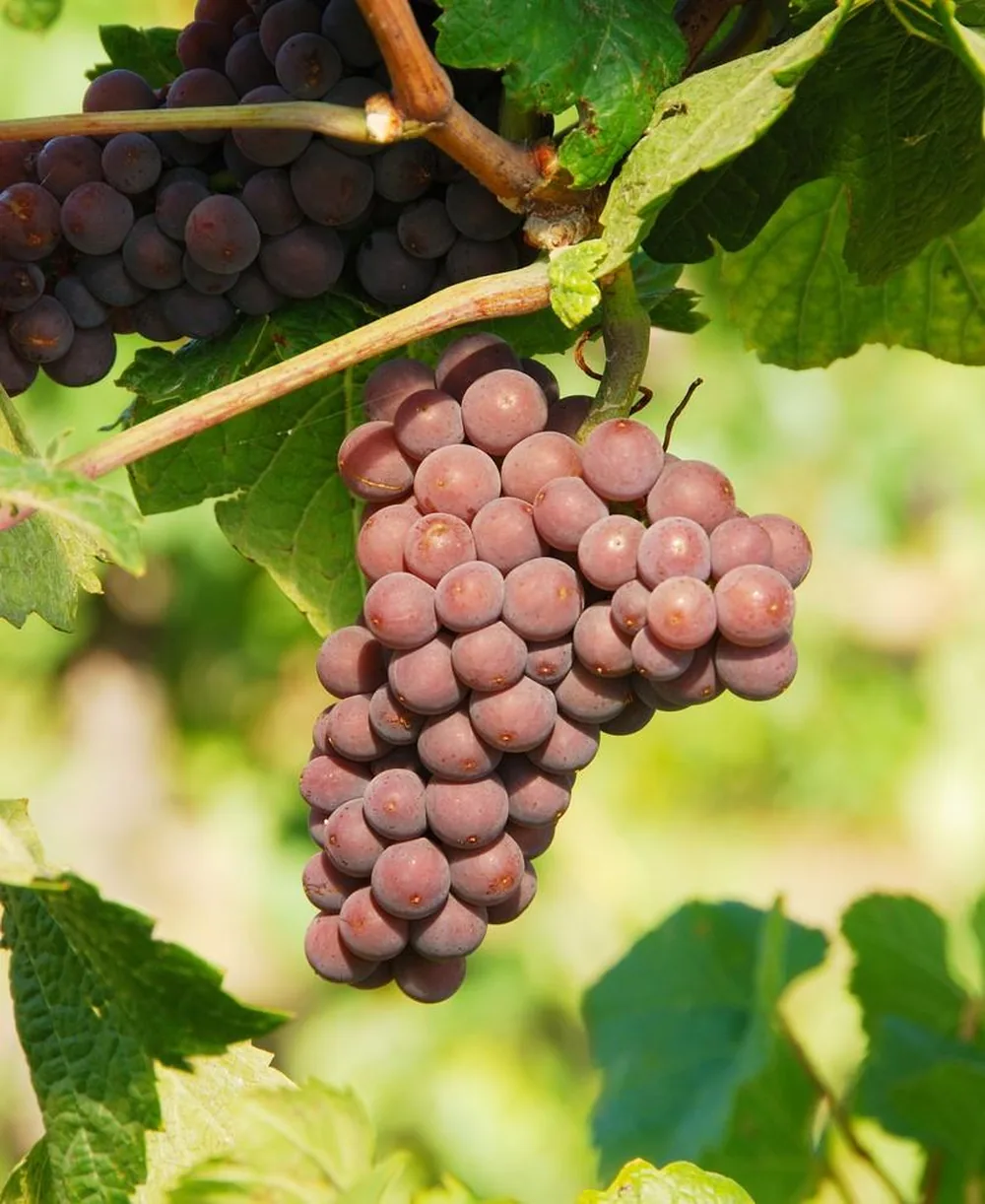
Its style depends not only on the climate where it grows but also on its name — that is, its synonym. As we said, Pinot Gris can produce some of the simplest commercial wines, but also labels that stand shoulder to shoulder with the world’s finest Chardonnays, Rieslings and Sauvignon Blancs.
Pinot Gris does not have an aromatic profile as instantly recognisable as Sauvignon Blanc or Muscat. Precisely for that reason, terroir and the winemaker’s philosophy come to the fore more than with most other white varieties.
I was once invited to a tasting of six wines of the same variety, staged to show the participants the extraordinary diversity of its styles. The first wine offered almost nothing to stir the interest of an experienced taster. Pale colour, a distinctly modest, artificial-seeming aroma, an unobtrusive flavour quickly forgotten. In short, a poor start.
With each subsequent wine the impression improved. The last two were world class. I found it hard to believe that the same variety, at the same tasting, could span a range from a correct 82 to a nearly perfect 98 points.
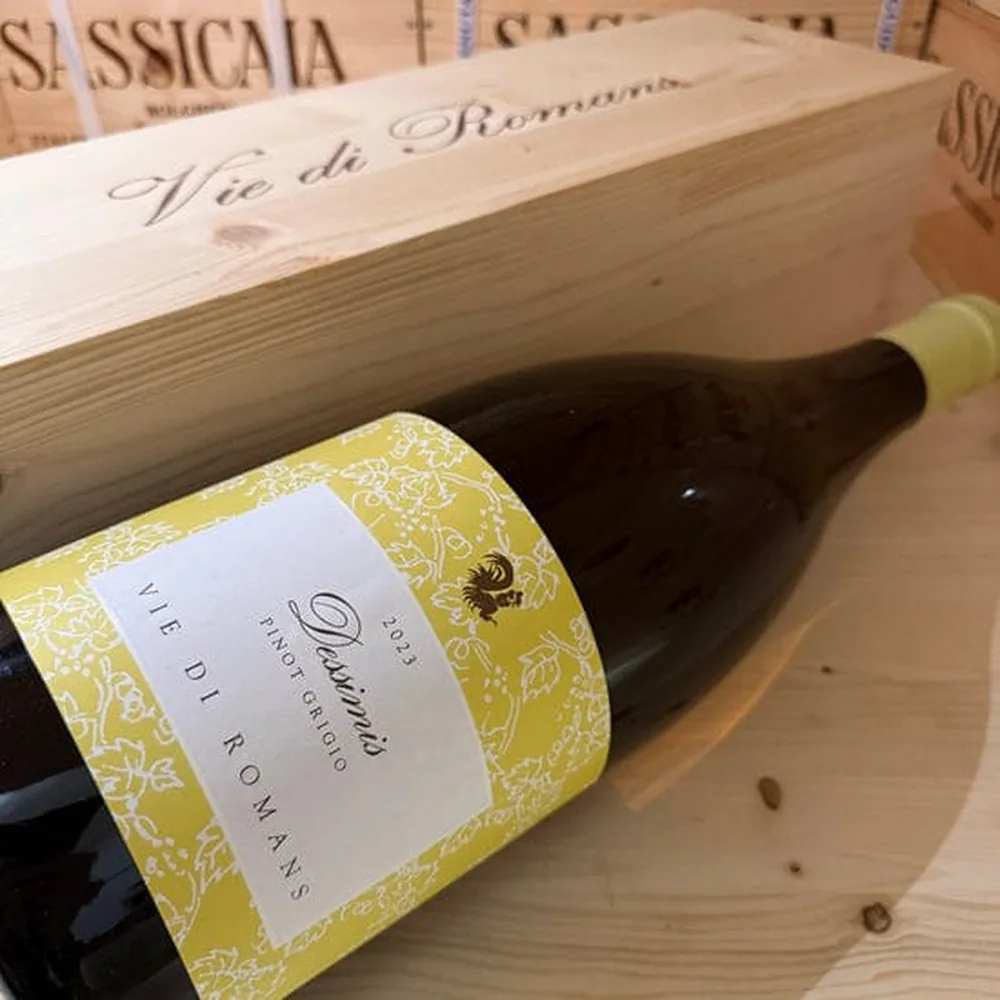
The first wine was a generic supermarket Veneto Pinot Grigio. The penultimate was Zind-Humbrecht Pinot Gris Grand Cru Rangen de Thann Clos St Urban, and the last Vie di Romans Pinot Grigio Dessimis.
In the discussion that followed, once we learned we had been tasting Pinot Gris, everyone was surprised by the sheer breadth of styles and quality. The question arose — what is the true Pinot Gris?
Back then I had no clear answer myself. Today, after years of tasting and comparing different interpretations of the variety, I would answer differently. Therein lies the singularity of Pinot Gris — there is no single “true” style. Its identity is shaped by terroir, yields, harvest timing and the winemaker’s decisions.
Pinot Gris can be almost all of the above, and that stylistic breadth is its greatest strength.
Why did Italian Pinot Grigio fall into disrepute?
In Italy, a large share of production rests on a simpler, commercially oriented style. Likewise, among some of the cheapest supermarket labels, quality and varietal typicity are not always at the level lovers of the variety would expect.
Is the blending of varieties deliberate or accidental? That is a subject for another article.
None of this means that every Pinot Grigio is lacking in quality.
Pinot Gris can be divided into two basic styles — Pinot Grigio and Pinot Gris.
Yet even here things are not so simple, because under the synonym Pinot Grigio you will find very serious wines from Veneto, Trentino, Friuli-Venezia Giulia and Alto Adige. Stylistically it can range from serious stainless-steel-raised wines, through barrel-aged bottlings, to macerated interpretations — from the gentle Ramato style all the way to versions with longer maceration.
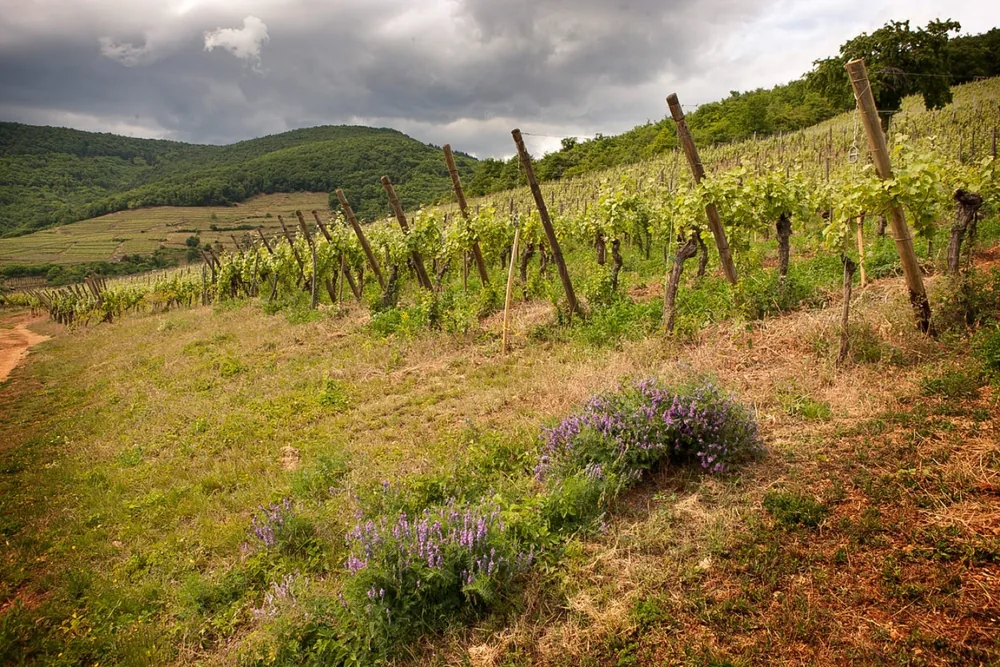
Under the synonym Pinot Gris, the first thing that comes to mind is France’s Alsace.
Here we can speak of two basic styles — dry to off-dry, and sweet, late-harvest wines. Both styles in Alsace typically show higher alcohol and greater concentration than the average Italian Pinot Grigio, which can be linked to climate and terroir. Harvests come somewhat later; sometimes the grapes are touched by botrytis and can yield almost decadently rich wines.
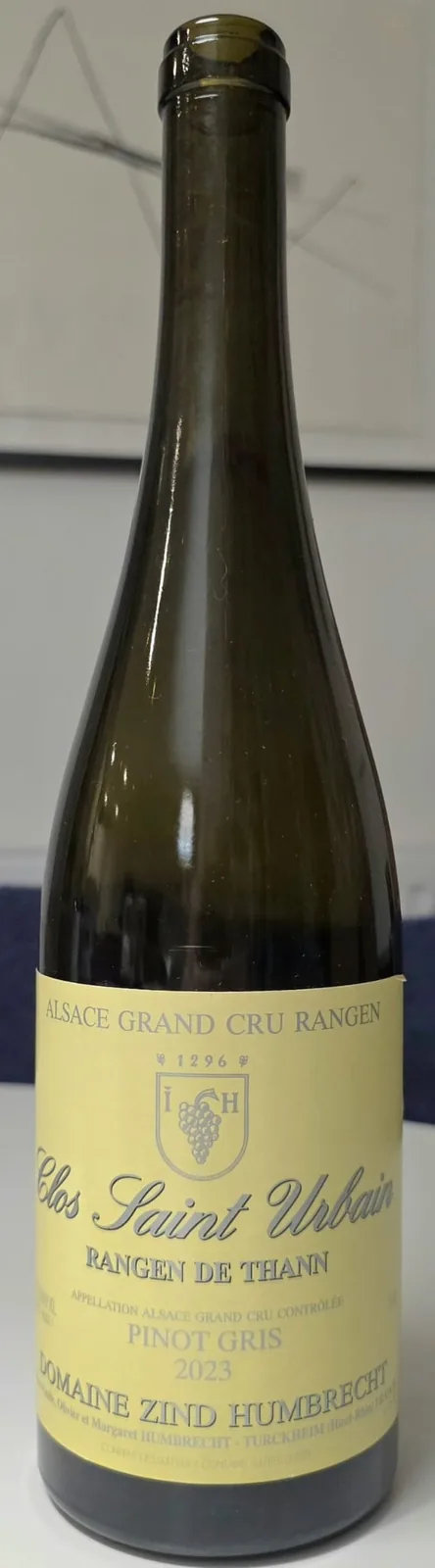
Alsace remains the world’s reference region for the most ambitious interpretations of Pinot Gris.
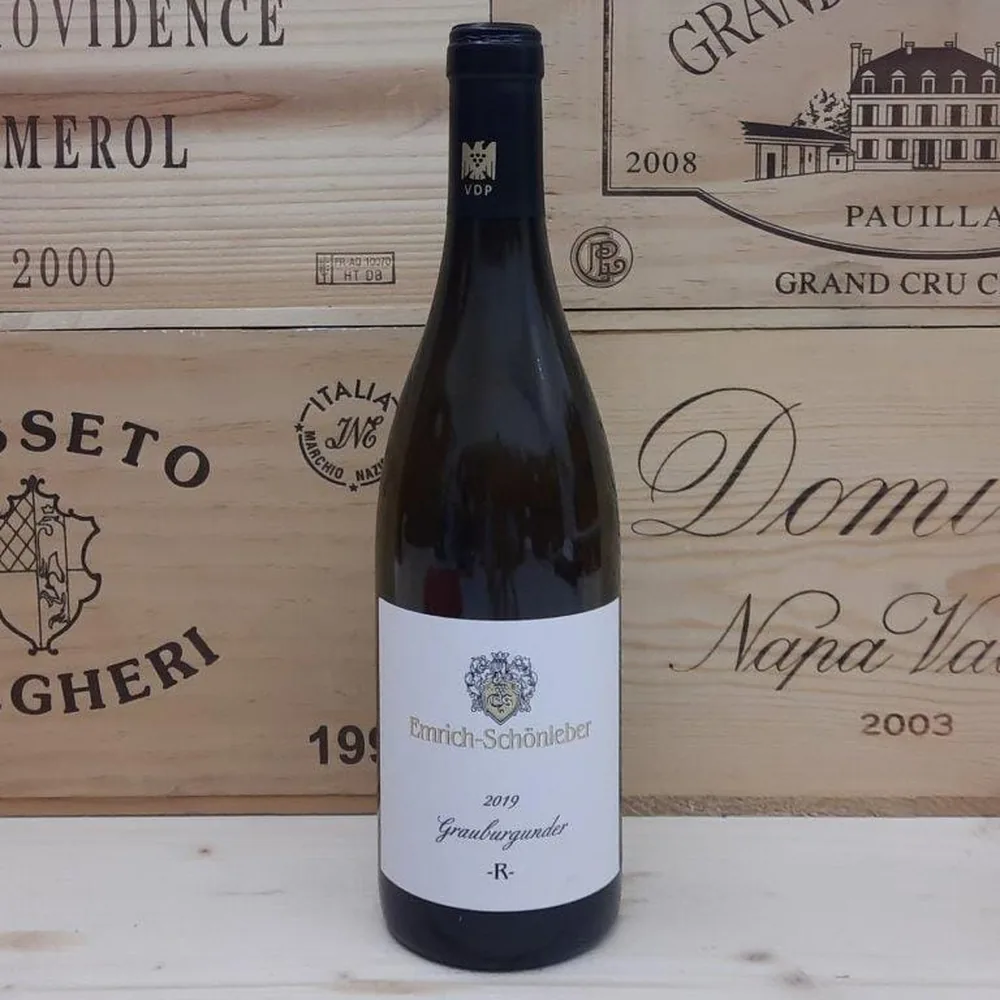
The next country to follow largely this style is Germany, under the synonym Grauburgunder.
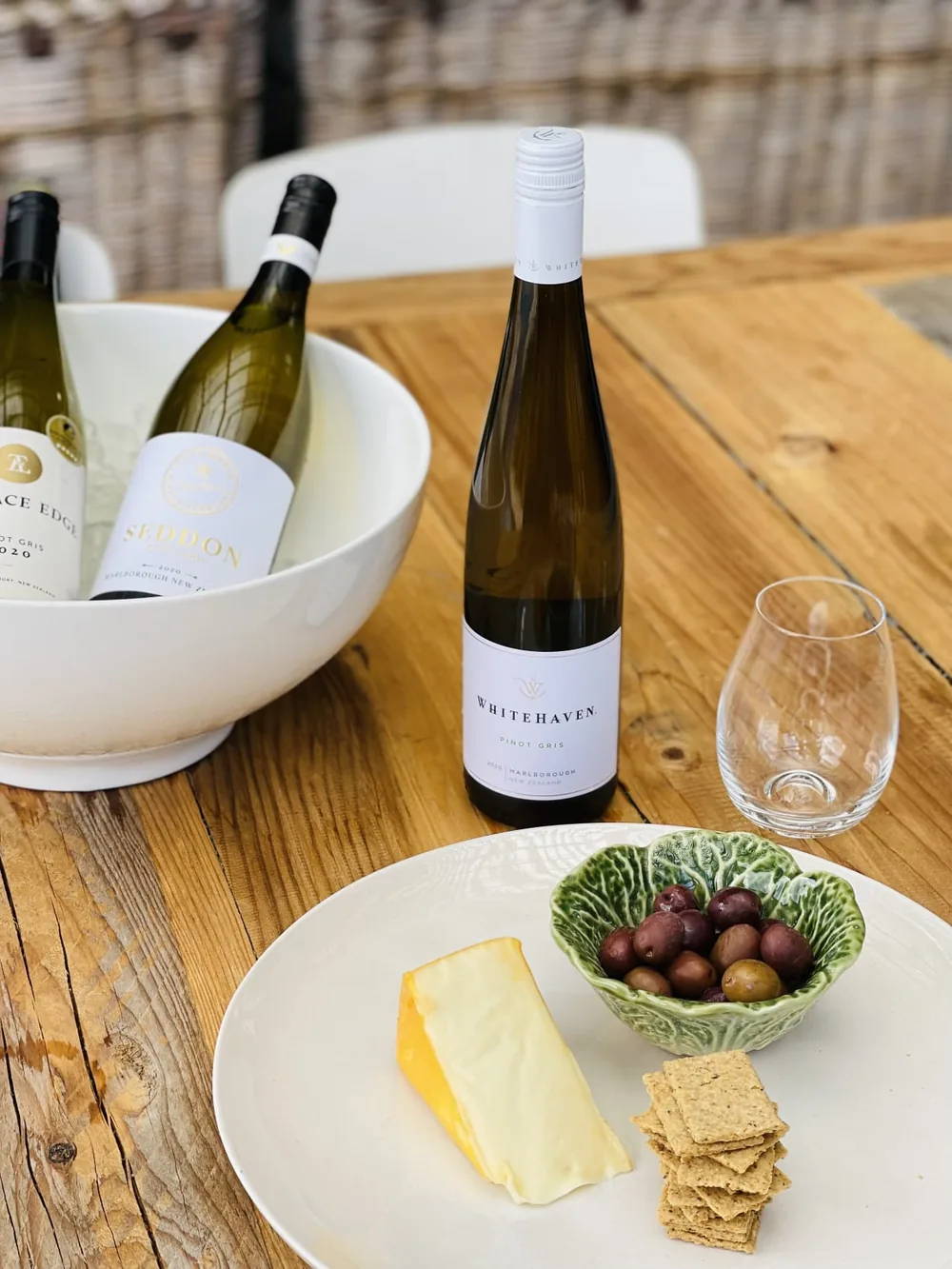
In the New World, the followers of the Pinot Gris style are New Zealand and Oregon in the United States.
Outside Italy, relatively few regions systematically pursue the light, fresh Pinot Grigio style.
What does a good Pinot Gris taste like?
Concentrated, with aromas of honey, ripe apples, pears and peaches, even hints of tropical fruit, and spice notes that come from ageing in wood. It is always fuller-bodied, medium to higher in alcohol, with low to medium acidity.
More serious interpretations of the variety often carry 13% alcohol or more. They show pronounced texture and fullness of flavour with a longer finish. The fruit concentration does not rest on residual sugar masking any shortcomings, but on grape ripeness and extract. The best examples also have significant ageing potential in bottle.
It is an excellent partner at the table, and the finest examples of the variety can comfortably be compared with the world’s best Chardonnays.
Thanks to its rich texture, Pinot Gris pairs beautifully with roast poultry, pork, mushroom dishes, creamy sauces, foie gras and mature cheeses. Macerated versions can also be matched very successfully with Asian cuisine.
If you love the white wines of the Rhône, you will like Pinot Gris.
In Croatia, most producers cultivate a fresher, more approachable style closer to Pinot Grigio, although in recent years more and more winemakers have been exploring more serious interpretations of the variety.
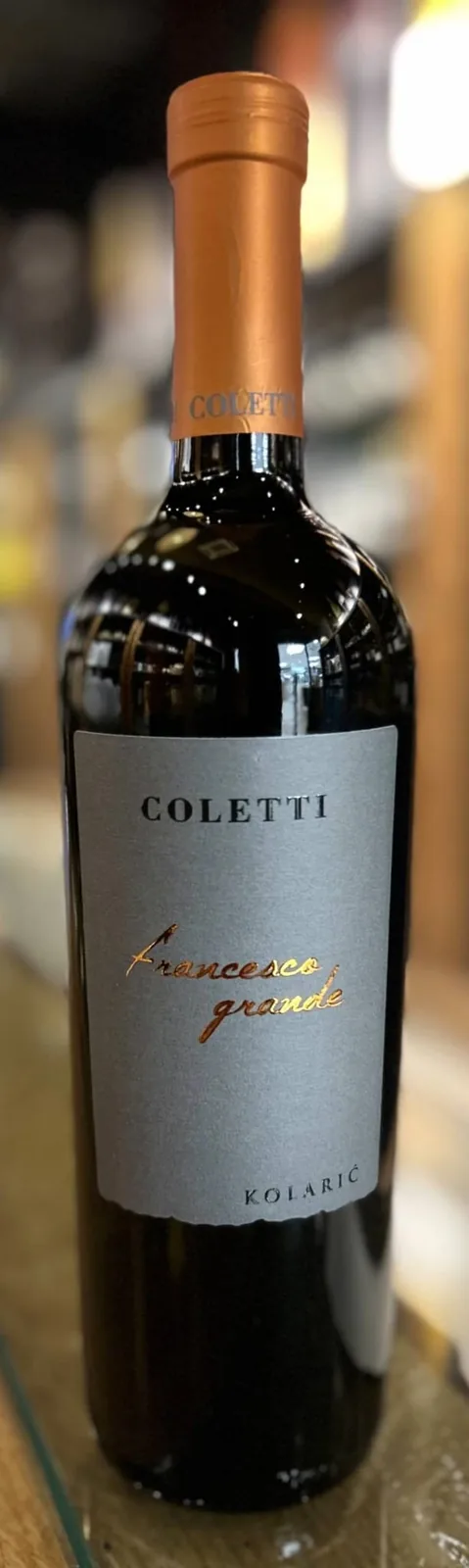
A few winery recommendations by origin:
Italy – Lis Neris, Vie di Romans, Elena Walch, Lageder, Franz Haas, Terlaner
France – Zind-Humbrecht, Ostertag, Weinbach
Germany – Müller-Catoir, Bürklin-Wolf, Emrich-Schönleber
New Zealand – Dry River, Greywacke, Whitehaven
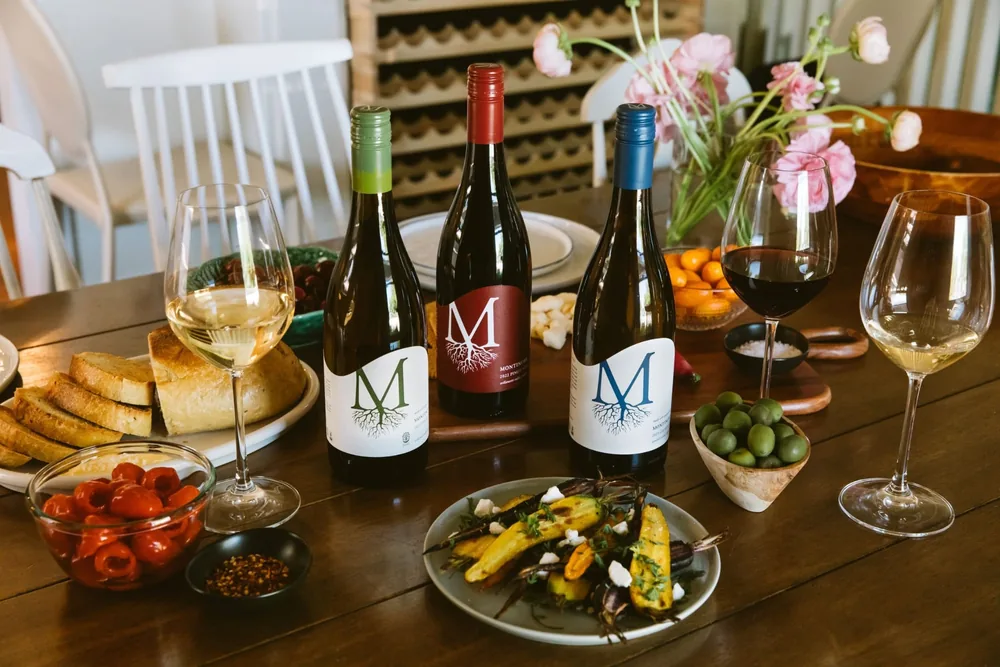
Oregon – Montinore Estate
Pinot Gris is grown in many other countries, but we will not list them here — it is planted everywhere from China to Bolivia.
Lovers of white wine should certainly explore the potential of this variety, especially in its Pinot Gris interpretation. And if you enjoy that infamous, simple supermarket style of Pinot Grigio, try giving its more serious expressions a chance.
Therein lies its singularity: a variety many perceive as a simple everyday wine can, in the right hands and on the right terroir, produce some of the most impressive white wines in the world.