

 Written by: Tomo Jakopović
The words sur lie often appear on wine labels, leaving consumers with plenty of question marks and very often being misunderstood, so in what follows we will try to explain precisely what lies behind the term and how the sur lie method affects wine.
Sur lie is a technique that involves keeping wine in contact with the yeast lees for an extended period after alcoholic fermentation has finished. The method has its roots in the French wine tradition and was used above all in the Loire Valley and Burgundy.
Translated literally from French, sur lie means on the lees, but what exactly are wine lees and what effect can they have on a wine?
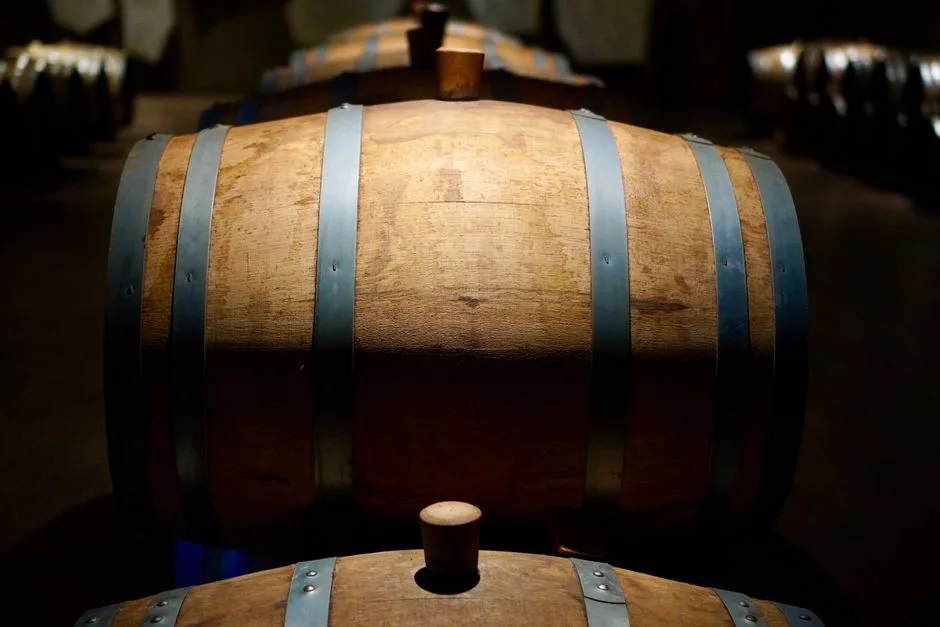
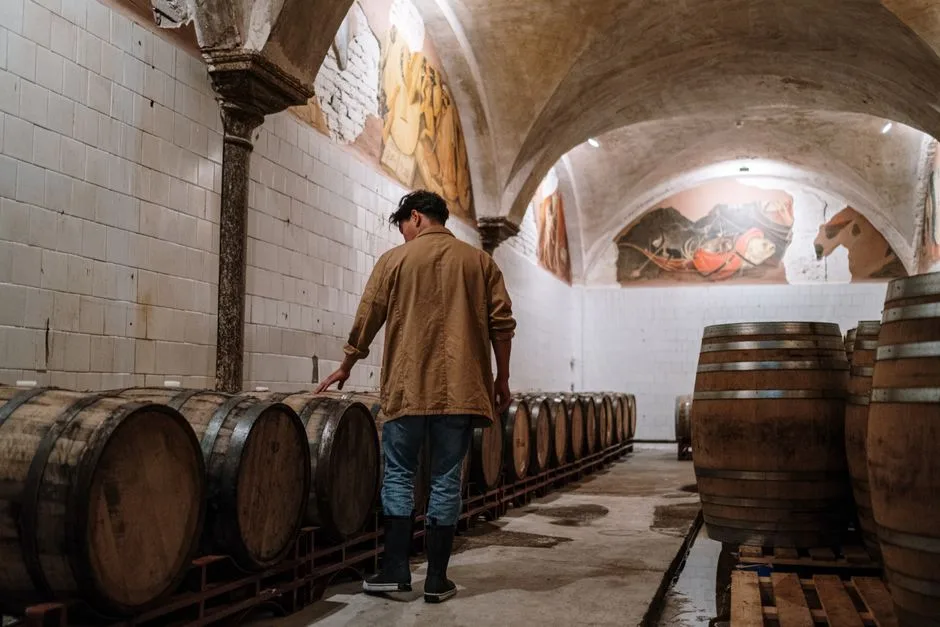
After alcoholic fermentation, or towards its end, wine is usually racked off the gross lees, which can cause problems in the wine. After racking, such wines are still cloudy or hazy because of the remaining yeast particles held in suspension, and under the influence of gravity these will in time settle to the bottom of the barrel to form the fine lees, from which the wine can go on to benefit a great deal. The fine lees consist largely of the yeast particles left after autolysis, the breakdown of yeast cells by enzymes created during fermentation. As the yeasts begin to break down during autolysis, very small amounts of sugars (polysaccharides), proteins, amino acids and other components are released, and these directly affect the organoleptic properties of the wine. It is also known that, after autolysis, the yeast cells that carried out fermentation contain up to 70% of aroma precursors, which can significantly steer the nose of a wine. The sur lie method, or raising wine on its fine lees, most often takes place in wooden barrels and does not necessarily involve stirring the lees (bâtonnage), although the lees are usually stirred up to achieve the best possible interaction between the spent yeast and the wine; how often they are stirred and how long the wine stays on the fine lees is an individual decision for each winemaker. It is important to know that not every wine is suited to ageing on the fine lees. Young, fresh wines, for example, where the priority is to keep a high aromatic intensity and a light body, can be taken in completely the wrong direction by this method. White varieties with which the technique gives exceptional results certainly include Chardonnay, Pinot Blanc and Pinot Gris, Viognier and Chenin Blanc, while with highly aromatic varieties such as Muscat and Traminer it is used very rarely, because the varietal character, above all the aromatics, is lost. Red wines also quite often age on their fine lees, but almost nobody labels them as sur lie.
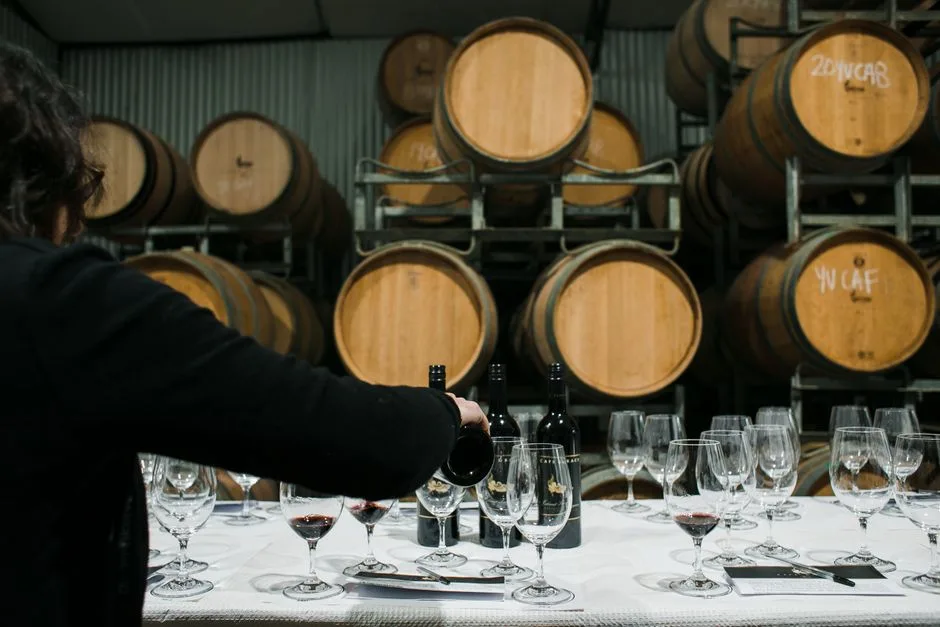
In wineries you can often taste two wines side by side made from the same must, one matured in a tank without lees and the other raised on the fine yeast in a wooden barrel, and from the very first sip it is clear that they are completely different. Such wines occupy different positions on the market, each with its own audience, but they also have different potential at the table and different uses in hospitality. Sauvignon Blanc is especially interesting here: in the very popular “New Zealand style” wines it is always vinified in the simplest way, in stainless steel tanks, while a more conservative approach calls for the sur lie method, which gives this great variety seriousness, depth and breadth. The intensity of the green notes (nettle, pepper, tomato leaf, elderflower) is reduced, while aromas of white and yellow fruit, citrus and nutty notes come to the fore.
What does the sur lie method affect in wine?
This kind of vinification has a direct effect on harmony, structure, texture, aroma, flavour, colour, stability and longevity, which means the wine changes its character considerably through this method.
Harmony: the balance of the wine, perhaps the greatest value of this approach. Such wines are usually very homogeneous, without edges, perfectly integrated in all their components.
Structure or body: increases considerably, depending on the length of ageing.
Texture: the wine becomes smooth, creamy and denser.
Aroma: the intensity of the nose usually drops, but it gains breadth, and the aromas become layered and richer. The primary, varietal aromas are joined by notes of nuts (often toasted almond and hazelnut), yeasty and bakery notes, and vanilla, caramel, smoke and light meaty aromas often appear if the wine has been raised in oak barrels.
Flavour: in such wines the palate is much richer and usually follows the aromatic components, and the wines are most often full of flavour with a savoury (umami) touch.
Colour: wines made this way have a beautiful, deep colour ranging from yellow through old gold to amber.
Longevity: the lees slow down oxidation, so together with structure, alcohol and acidity they greatly influence a wine’s capacity for long ageing in bottle, which makes such wines interesting to collectors as well.