

 Written by: Krešimir Kožić, Vinski klub
An elegant savage from the banks of the Loire
Picture a table at which sit the holder of a prestigious WSET Level 4 diploma, professional sommeliers, seasoned wine enthusiasts, but also people only just entering the world of wine culture. In front of them are six serious labels from renowned wine regions of the world. Glasses are swirled, notes are written, acidity, tannins and the influence of oak are debated. But at one moment, a single wine steals the focus of the whole table. It provokes a short silence, and then collective delight.
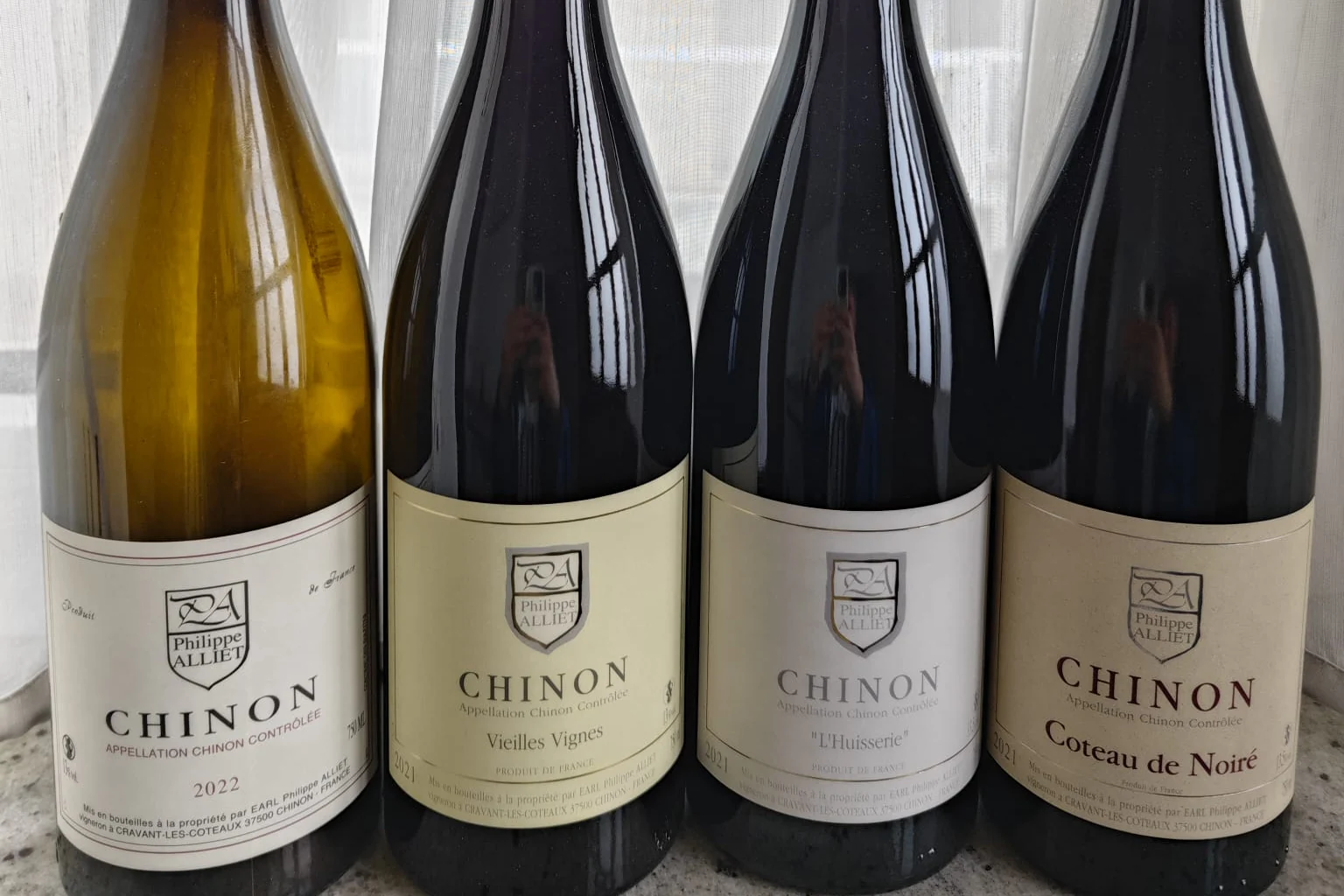
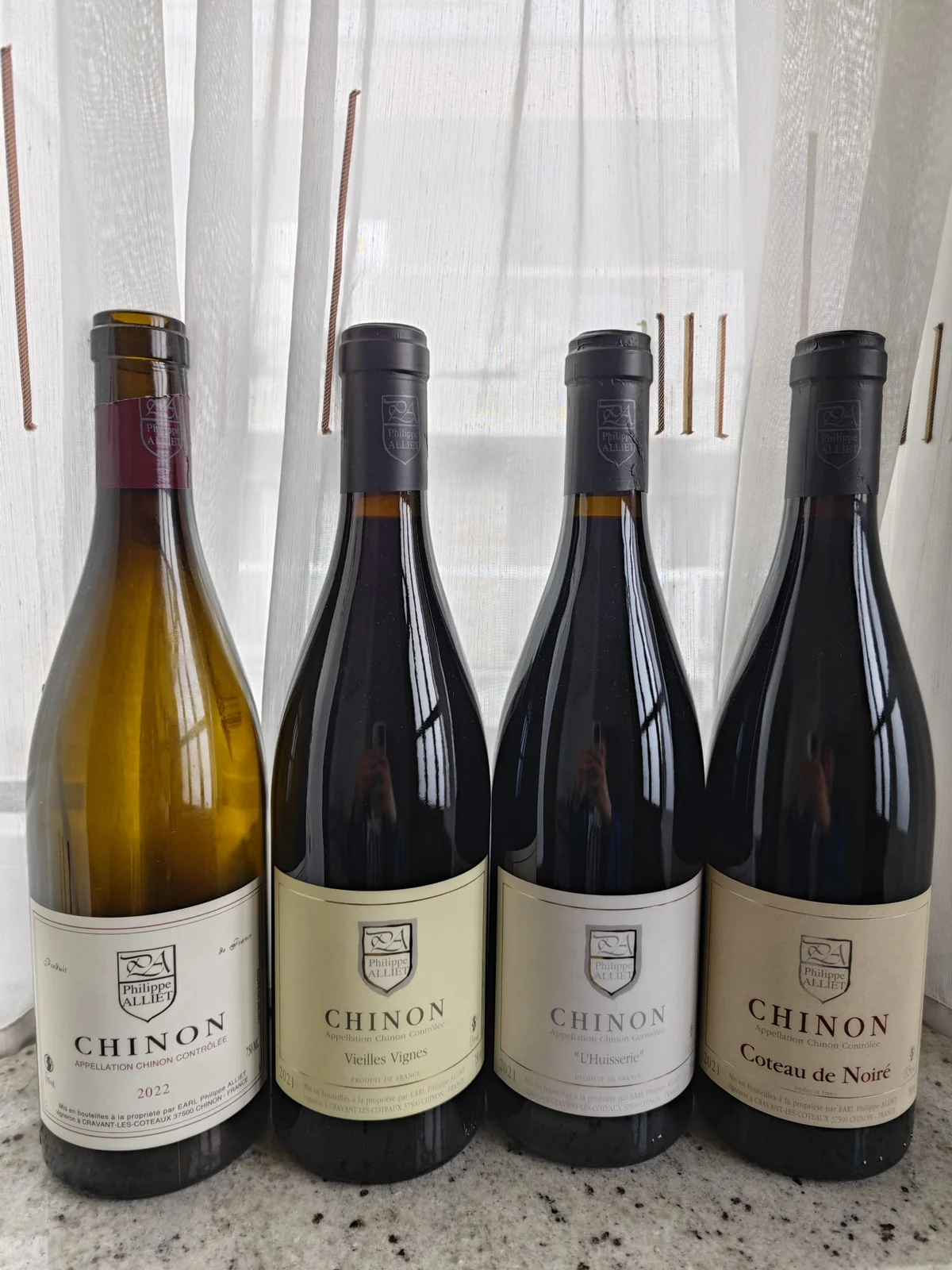
It was Philippe Alliet’s Chinon „Coteau de Noiré“ from the 2020 vintage, a pure Cabernet Franc from the Loire Valley. One of those present, visibly thrilled by what was happening in the glass, described it in just two words: „elegant savage“.
That spontaneous definition is in fact the best summary of the character of Cabernet Franc. It carries a primal, wild energy, the recognisable aromas of fresh green pepper, damp earth, pencil lead (graphite) and wild black berries. But when it falls into the hands of masters who understand its character, that wildness is transformed into incredible elegance, silky tannins and a lively freshness that relentlessly drives you to the next sip. Although for decades it was unjustly in the shadow of its far more famous offspring, Cabernet Franc is today living through perhaps the greatest renaissance in its history.
The roots of elegance: father of the wine classics
Although many see it as the younger brother of the mighty Cabernet Sauvignon, history and genetics say the exact opposite. Cabernet Franc is one of the oldest and most influential French black varieties. It is believed to have its roots in south-western France (the Basque region), from where it spread northwards along the pilgrim routes.
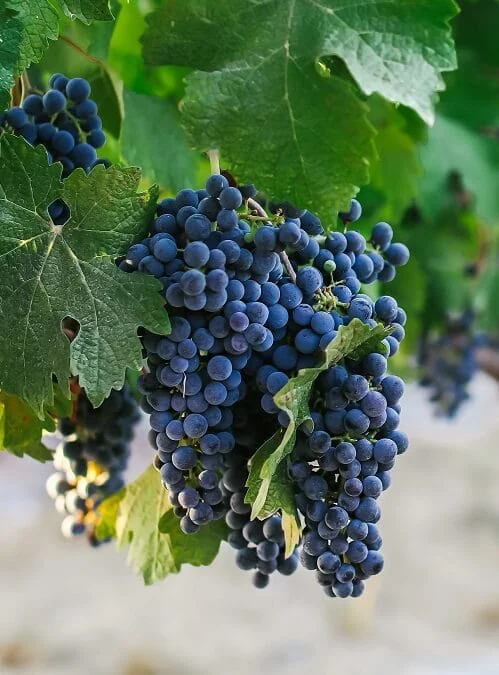
In the late 1990s, DNA analysis at the University of California, Davis revealed that it was Cabernet Franc, through spontaneous crossings in the vineyards, that is the genetic parent of three exceptionally important varieties:
- Cabernet Sauvignon (in a marriage with Sauvignon Blanc)
- Merlot (with the almost extinct variety Magdeleine Noire des Charentes)
- Carménère
It arrived in the Bordeaux region in the 17th century thanks to Cardinal Richelieu, who sent cuttings from the abbey of Bourgueil in the Loire Valley. There it was long known under the local name Bouchet.
Two faces of the homeland: Loire and Bordeaux
In France, which holds the lion’s share of the world’s plantings of this variety, Cabernet Franc shows two completely different, yet equally brilliant faces.
The first face is single-varietal (100% Cabernet Franc) in the Loire Valley (Val de Loire). In appellations such as Chinon, Bourgueil and Saumur-Champigny, the cooler climate and soil rich in yellow limestone (tuffeau) allow the variety to express its finest aromatic nuance. The wines are light to medium-bodied, imbued with striking freshness and minerality.
The Coteau de Noiré site of the Philippe Alliet estate mentioned above, with its steep, south-facing slopes, perfectly embodies that style, and the above-average warm 2020 vintage gave it extra depth and ripeness while retaining its regal elegance. Alongside Alliet, the pillars of the Loire are Charles Joguet, who through sites such as Clos de la Dioterie cultivates a deep, traditional and earthy expression, and Thierry Germain, whose biodynamic approach brings pronounced floral notes, energy and precision to the wines of the Saumur-Champigny appellation.
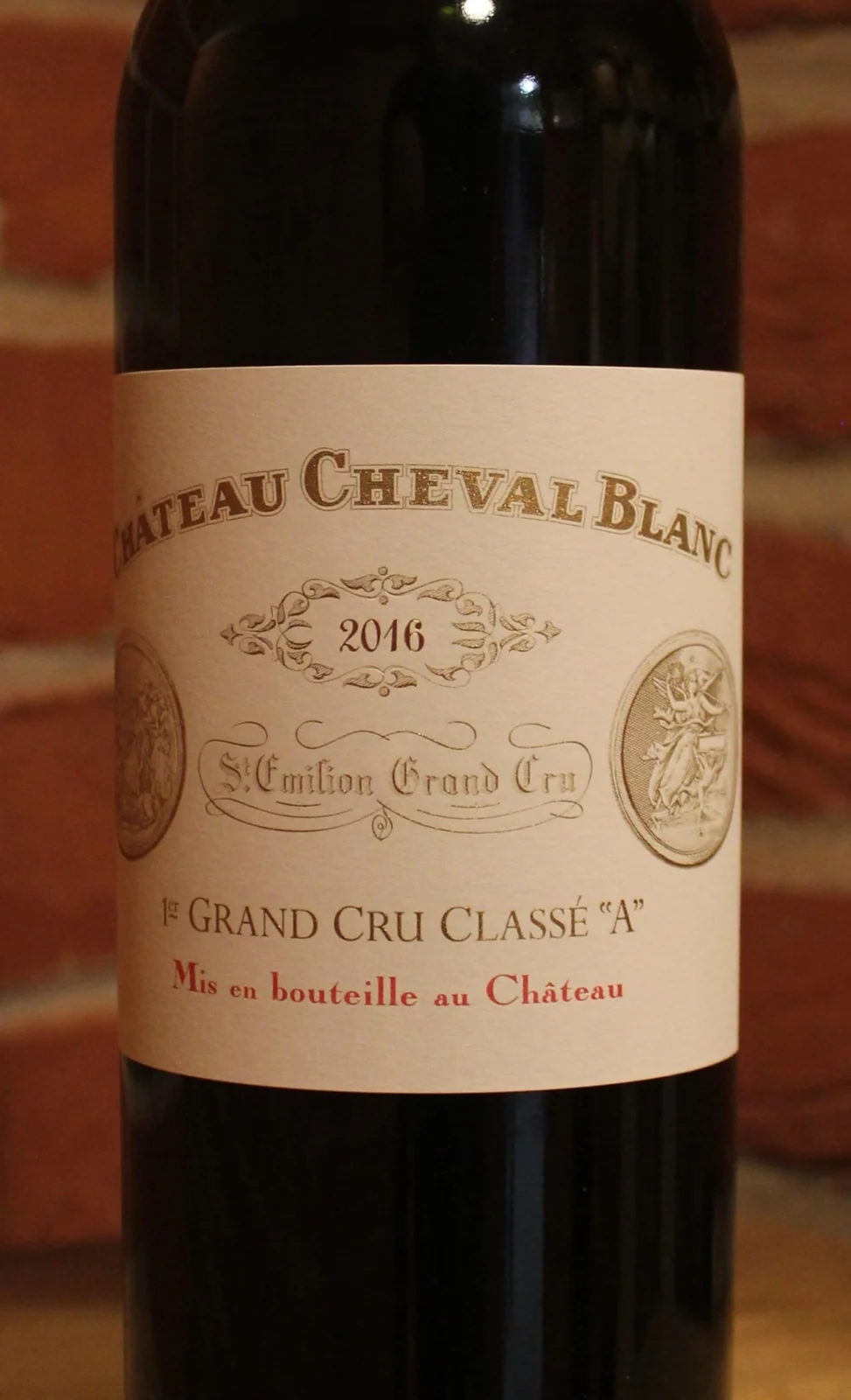
The second face is found on the Right Bank of Bordeaux (Saint-Émilion and Pomerol). Here Cabernet Franc traditionally plays a team role, perfectly complementing the Merlot base in the legendary blends (the Bordeaux Blend). The best historical example of its power on these soils is the mythical Château Cheval Blanc, in which Cabernet Franc often makes up more than 50% of the blend, bringing structure, refined tannins and the potential for decades of ageing.
The saviour of Bordeaux in the age of climate change
However, the role of Cabernet Franc in Bordeaux is right now going through a dramatic, historic change under the influence of climate change.
Over the past ten years or so, with ever hotter summers and prolonged heatwaves, the early-ripening Merlot on the Right Bank has begun to ripen too fast. The result is a sudden spike in grape sugars, leading to wines with too high an alcohol percentage (not infrequently over 15%) and a dramatic drop in acidity, which loses the recognisable Bordeaux balance.
This is where Cabernet Franc steps onto the stage as a kind of natural regulator of balance. Since it ripens later than Merlot, it copes better with ever warmer growing seasons and manages to preserve the freshness and acidity that modern Bordeaux wines find increasingly hard to keep. When it is fitted into the blend, it restores the much-needed freshness and tension to the wine and helps to keep the alcohol in balance. That is why distinguished estates are restructuring their vineyards for the long term and systematically increasing the share of Cabernet Franc in their blends. The one-time secret spice from the shadows is thus becoming Bordeaux’s most important strategic weapon in the fight against global warming.
A global renaissance: from Tuscany to the New World
Outside France, Cabernet Franc is successfully building entirely new, fascinating identities.
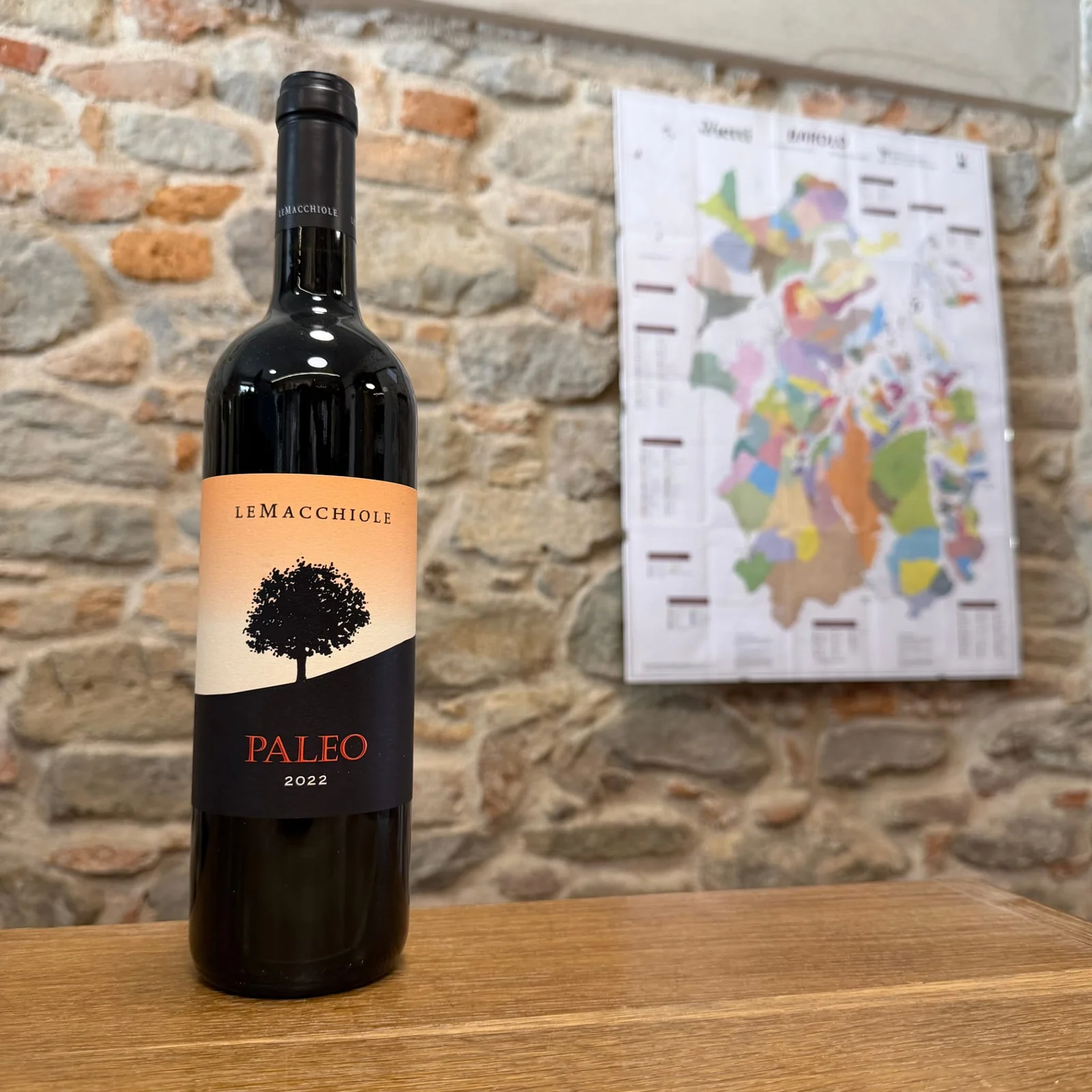
- Italy: While in the north-east of Italy (Friuli) it gives light, distinctly grassy everyday wines, in the warm Tuscan region of Bolgheri Cabernet Franc reaches the world’s top as part of the so-called „Super Tuscans“, where the Le Macchiole estate, with its cult single-varietal Paleo Rosso, creates powerful, opulent wines full of Mediterranean herbs and chocolate.
- Hungary (Villány): This warm region in the south of Hungary has successfully built its identity precisely around Cabernet Franc and branded its 100% Cabernet Franc as Villány Franc. Because of the warm climate, here the variety loses its green, herbal notes and develops a rich, jammy profile with tones of chocolate, plum and a pronounced influence of oak ageing (the flagships are the Gere Attila and Bock wineries).
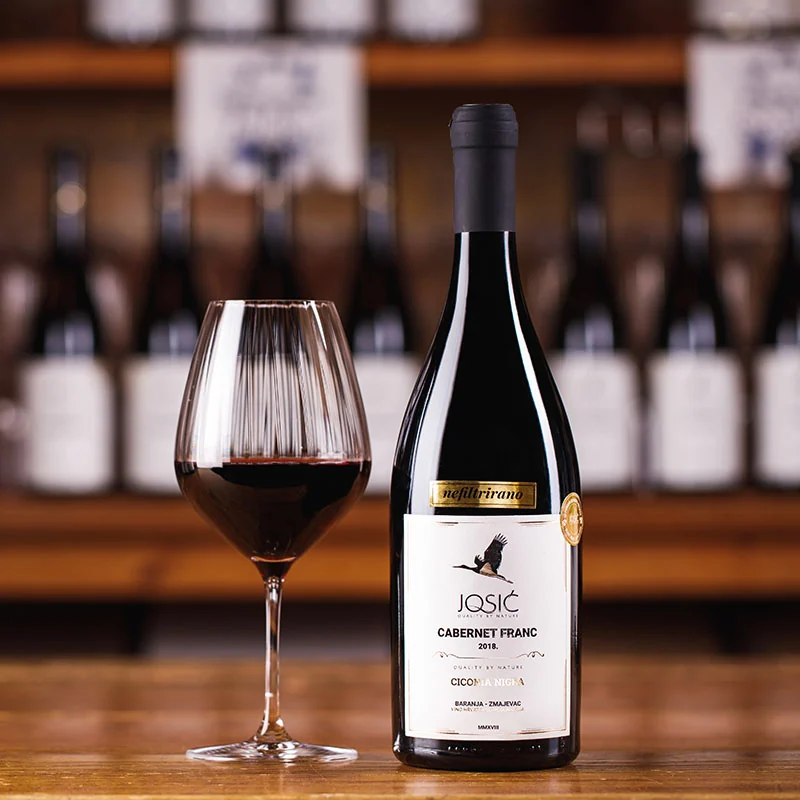
- Croatia and the region: The Pannonian plain suits this variety extremely well. In Croatia, Baranja is emerging as an ideal micro-terroir where wineries such as Belje and Josić make rich, structured, full-bodied Cabernet Francs that keep their freshness thanks to the Danube, while Krauthaker in Kutjevo offers superb interpretations both as single-varietal wines and in the famous Mitra blend.
Revolution in the New World: extreme altitudes and cold lakes
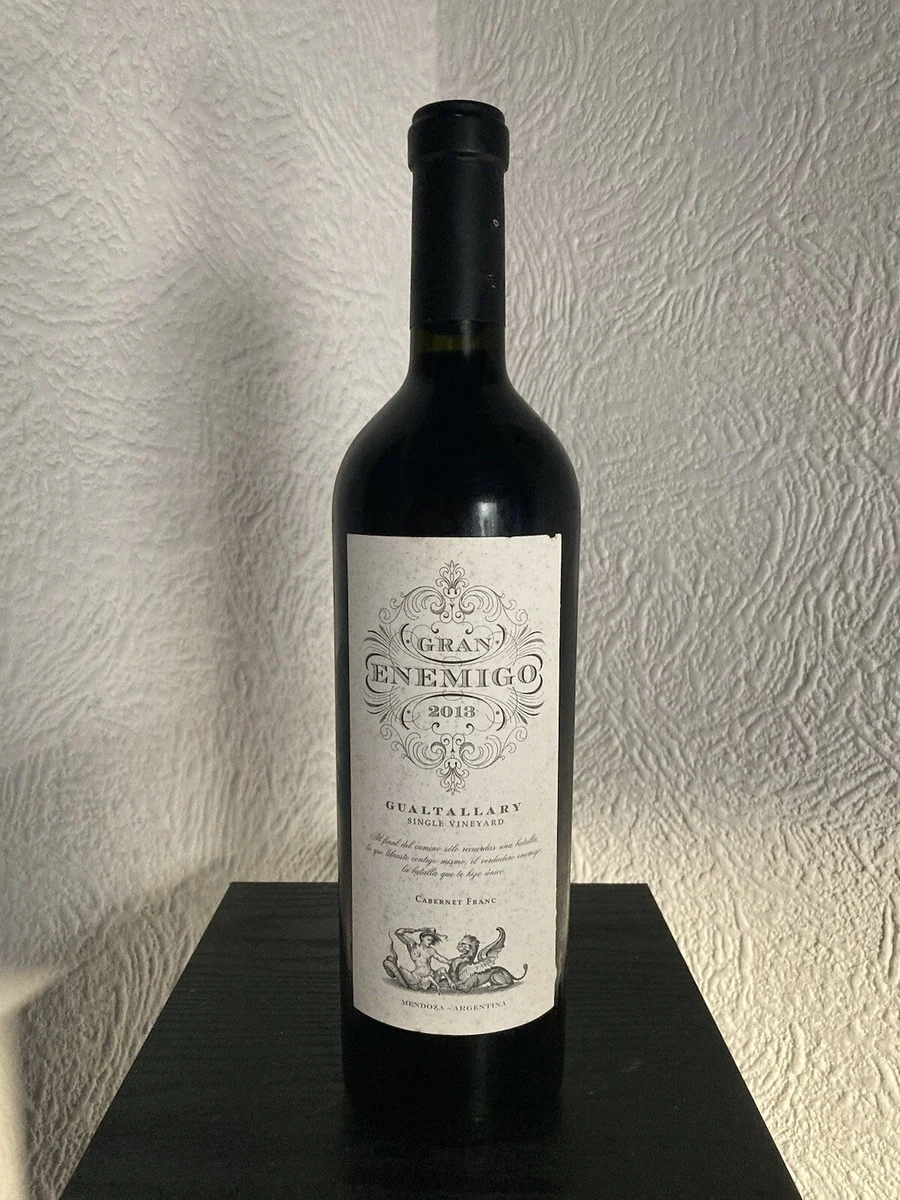
The New World offers two completely opposite, yet equally fascinating views of the variety. The first is the Argentine project El Enemigo (Bodega Aleanna), behind which stand Alejandro Vigil and Adrianna Catena. At the extreme altitudes of the Gualtallary sub-region (over 1,400 metres), on soils rich in limestone, they create a wine aged in century-old Italian casks (foudres). Their premium label, Gran Enemigo Gualtallary, made history by winning a perfect 100 Parker points, bursting with electric minerality and confirming that Argentina today, alongside Malbec, also has one of the most exciting Cabernet Francs in the world.
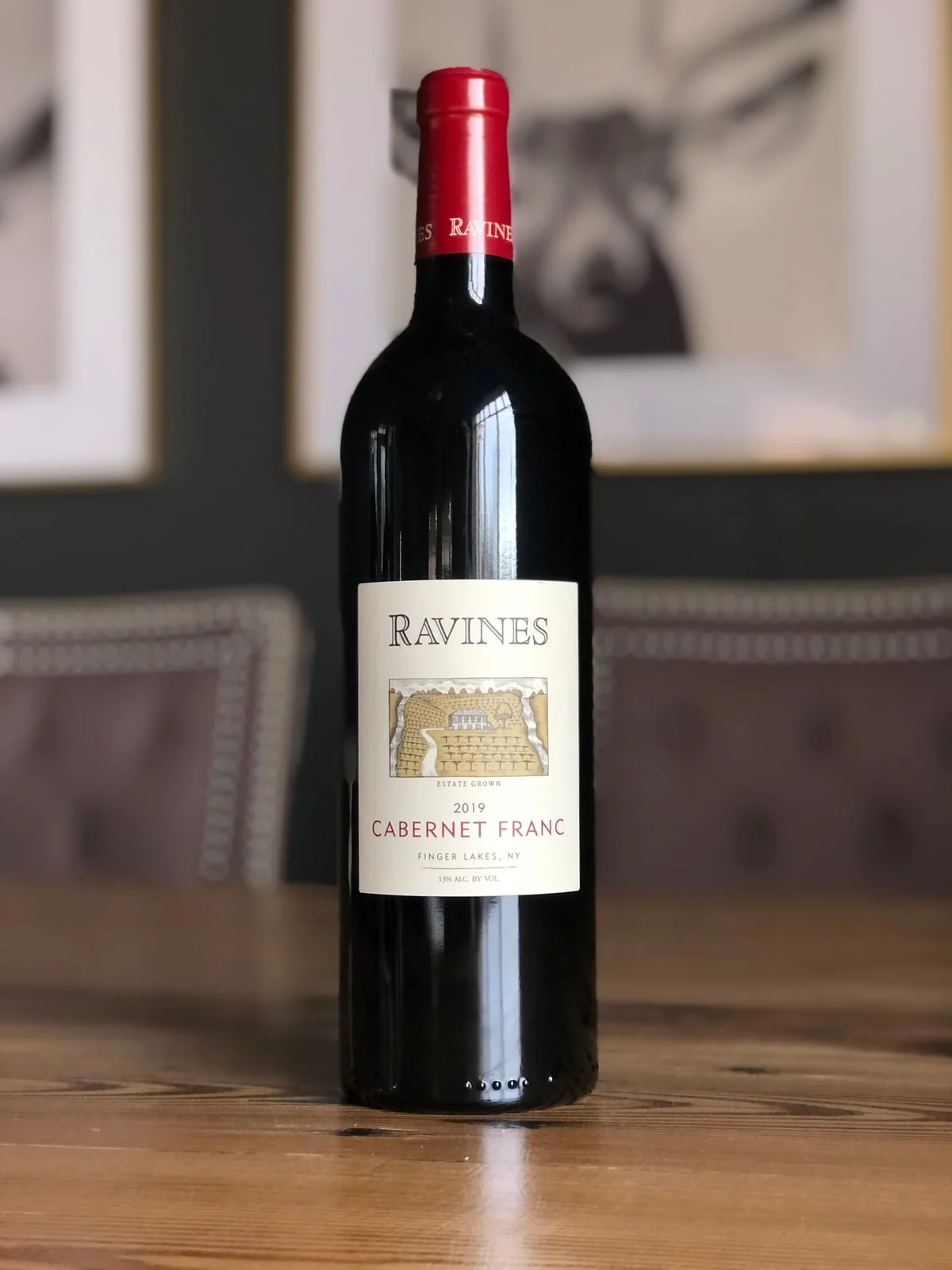
On the other hand, in the cold glacial region of the Finger Lakes (New York State, USA), the Ravines Wine Cellars winery, led by the oenologist of French roots Morten Hallgren, creates an authentic cool-climate Cabernet Franc. Instead of Californian jamminess, Ravines offers „Loire-like“ precision: a wine of moderate alcohol, aged in large neutral casks, full of aromas of cranberry, mountain herbs and crushed stone.
Six wines that define Cabernet Franc
- Philippe Alliet Chinon ‘Coteau de Noiré’ (Loire, France): Our hero from the start of the story. A fuller, more concentrated, yet regally elegant and mineral expression of Chinon from a warm and ripe vintage.
- Charles Joguet Chinon ‘Clos de la Dioterie’ (Loire, France): A traditional, deep and earthy Cabernet Franc from old vines that needs years of ageing to show all its intellectual complexity.
- Château Cheval Blanc (Saint-Émilion, Bordeaux): The unattainable world summit. The ultimate proof of what Cabernet Franc brings to a blend with Merlot: velvet, exotic spices and longevity in the bottle.
- El Enemigo ‘Gran Enemigo’ Gualtallary (Mendoza, Argentina): A blend of 85% Cabernet Franc and 15% Malbec. A wine hurricane from the extreme altitudes of the Andes. Chalky tannins, intense spicy notes and vibrant freshness with the signature of Alejandro Vigil.
- Ravines Wine Cellars Cabernet Franc (Finger Lakes, New York, USA): The glacial elegance of America. Pure red fruit, crisp acidity and refined herbal notes without the influence of new wood.
- Vina Belje / Vina Josić Cabernet Franc (Baranja, Croatia): Representatives of the rich Pannonian style. Powerful, jammy, full-bodied black wines, perfectly balanced by the Baranja sun and the freshness from the Danube.
Conclusion: a wine for wine connoisseurs
In the world of wine it is rare for a variety of such historical importance to feel so contemporary at the same time. Cabernet Franc has shaped some of the most important wines of the past few centuries, and today, thanks to a new understanding of terroir and the challenges of a warmer climate, it finds itself once again at the centre of attention. What was once a discreet signature in the background of great wines has become a variety that more and more often carries the whole story on its own.
Perhaps that is why the „elegant savage“ from the beginning of this story is such a precise description. Few varieties manage to preserve so much character, energy and elegance at the same time. And even fewer can boast that they have shaped the past and are actively taking part in shaping the future of the wine world.