

 Written by: Krešimir Kožić, Vinski klub
One evening at our wine club, the programme featured the eternal duel of styles within one of the world’s most popular white varieties, sauvignon blanc. In front of us stood six bottles hidden in dark wine “pyjamas”.
The glasses took turns between the linear elegance of the Loire, the alpine precision of Alto Adige, the herbal freshness of Austrian Styria and the explosive aromatics of New Zealand’s Marlborough. Heavyweights all, stylistic landmarks that more experienced wine lovers believe they can recognise with their eyes closed.
Then came an unusual bottle. A slightly cloudy, whitish-yellow liquid appeared in the glasses. In a world of flawlessly clear and technically polished wines, it looked almost insolent. Yet the first nose and the first sip brought silence to the table. It was a combination of strikingly taut acidity, deep texture and saline minerality that none of us associated with the usual varietal profile.
The guesses poured in: was this some radically interpreted sauvignon from the Loire? A hidden gem from the cellar of an avant-garde Austrian winemaker? No one came close. When the “pyjama” came off, we were greeted by the label of Tara White Wine No. 3 from 2022. Origin: the Atacama Desert in Chile.
That evening the driest desert in the world outshone some of the most famous names in sauvignon blanc. After that, nothing in our wine club was the same. Fascinated by this “natural” drink that had redefined the limits of the variety, I soon acquired the whole range for my private collection. The key question had to be answered: how is this wine miracle even possible?
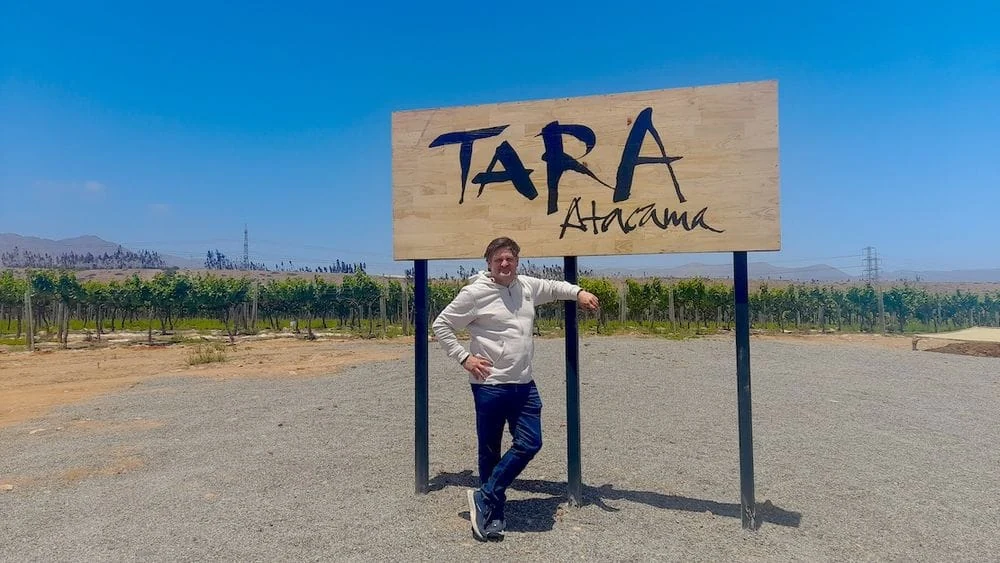
The Tara project: a fight against the laws of nature
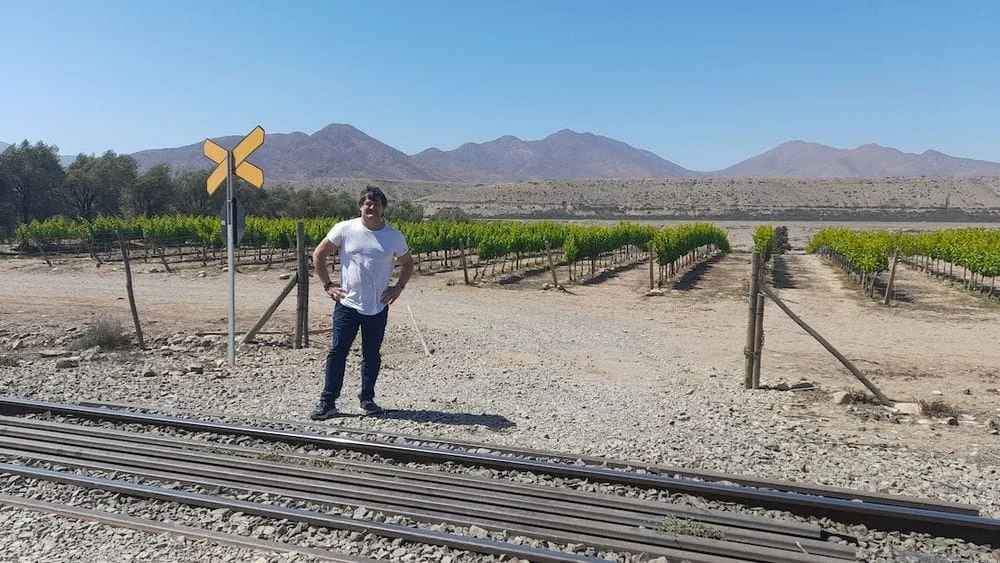
When the Chilean winemakers Felipe Tosso, Alejandro Galaz and Sergio Hormazábal arrived in the northern region of Huasco in 2007 with the idea of planting a vineyard there, the locals looked at them with a mixture of disbelief and ridicule. They were on the edge of the Atacama, the driest desert in the world. Rain can fail to come for years, and the parched earth underfoot turns white because of its exceptionally high salt content. According to figures associated with the Tara project, the salinity of the soil was up to ten times higher than the limit the vine can normally tolerate.
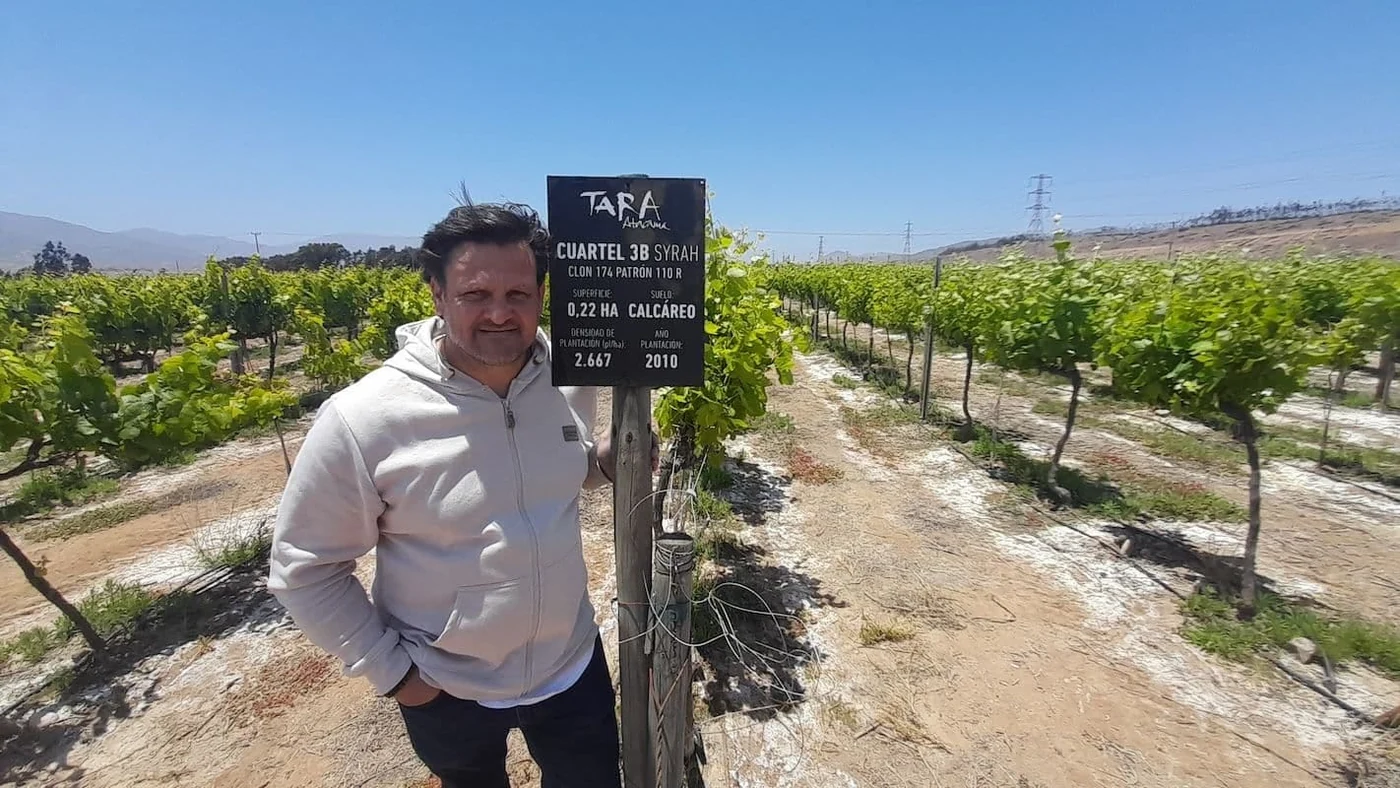
Planting vines here seemed an act of complete madness. Yet the winemakers recognised two key natural elements that turn this “impossible” territory into a unique viticultural microcosm:
- The Camanchaca fog: Since there is almost no rain, the vineyards survive thanks to a thick, cold Pacific fog called Camanchaca. It rolls in from the ocean every morning, brings life-saving moisture and cools the vines, and the sun only breaks through around noon. The vine here lives in a state of constant shock, in a cold, damp mist in the morning and under the harsh desert sun in the afternoon.
- The Humboldt Current: The vineyards at the Longomilla and Nicolasa sites are only 15 to 24 km from the ocean. The icy ocean current ensures that maximum summer temperatures rarely exceed 25 °C. That allows an incredibly long, slow growing season and the preservation of extremely high natural acidity (low pH).
To deal with the exceptionally high salinity of the soil, the winemakers carry out intensive irrigation cycles with clean water from the Huasco River, reducing the concentration of salt in the root zone at key stages of growth.
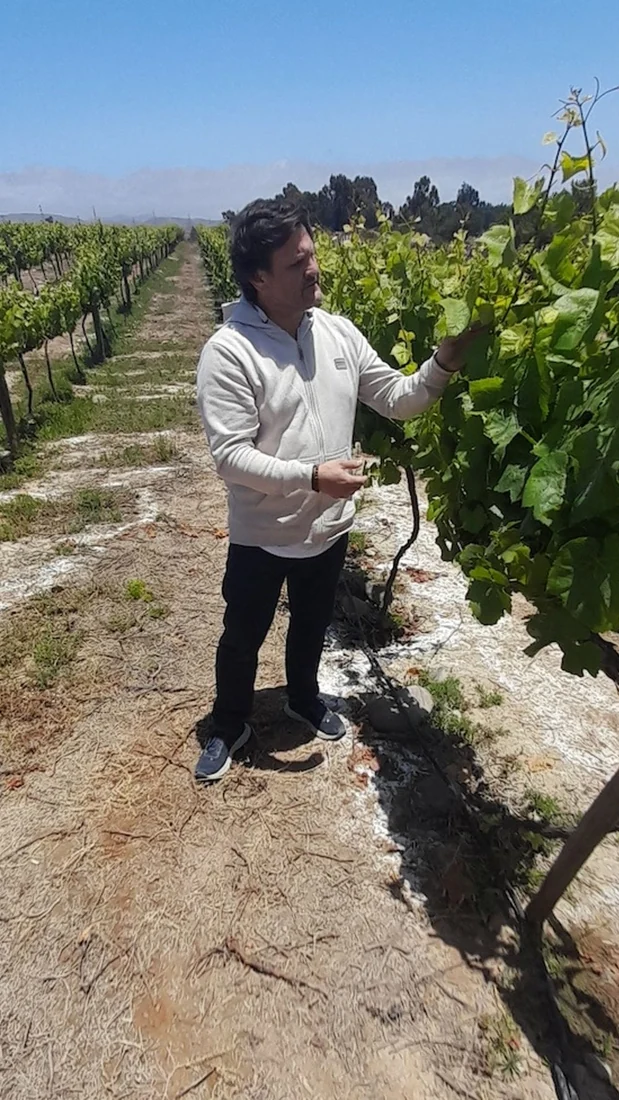
Artisanal radicalism in the cellar
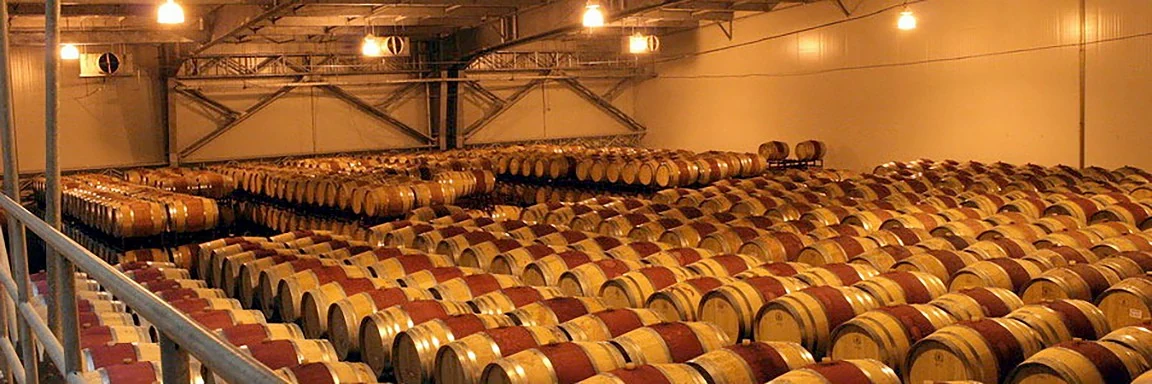
Realising that they did not want to mask the character of the Atacama with excessive cellar intervention, Ventisquero chose a restrained approach to winemaking. The grapes are picked exclusively by hand, and fermentation takes place with indigenous yeasts. Each wine is given the vessel that least obscures the character of the place: from stainless steel tanks and barrels and repeatedly used wooden barrels to concrete eggs made with stone from the Longomilla vineyard. The wines are not fined and are mostly not filtered.
A duel of styles: why is Tara No. 3 different?
To understand why Tara No. 3 (Sauvignon Blanc) surprised us so much at our blind tasting, we have to set it against the classics. Top New Zealand Marlborough plays the card of pure primary intensity, bursting with passion fruit, cut grass and asparagus. Sancerre from the Loire is aristocratically restrained, linear and sharp as a laser, with its recognisable scent of wet stones and chalk.
Tara No. 3 refuses to play by those rules. On the nose there is no commercial fruity charm and no aggressive greenness. It smells of salted lemon, yeast and dry desert herbs. The real shock, however, comes on the palate. Where European and New Zealand sauvignon blancs are light and airy, Tara is textured, fleshy and deep, thanks to long ageing on fine lees in concrete. It has the vertical acidity of the Loire, but with a pronounced, almost salty finish that makes you lick your lips as if you had just come up out of the sea.
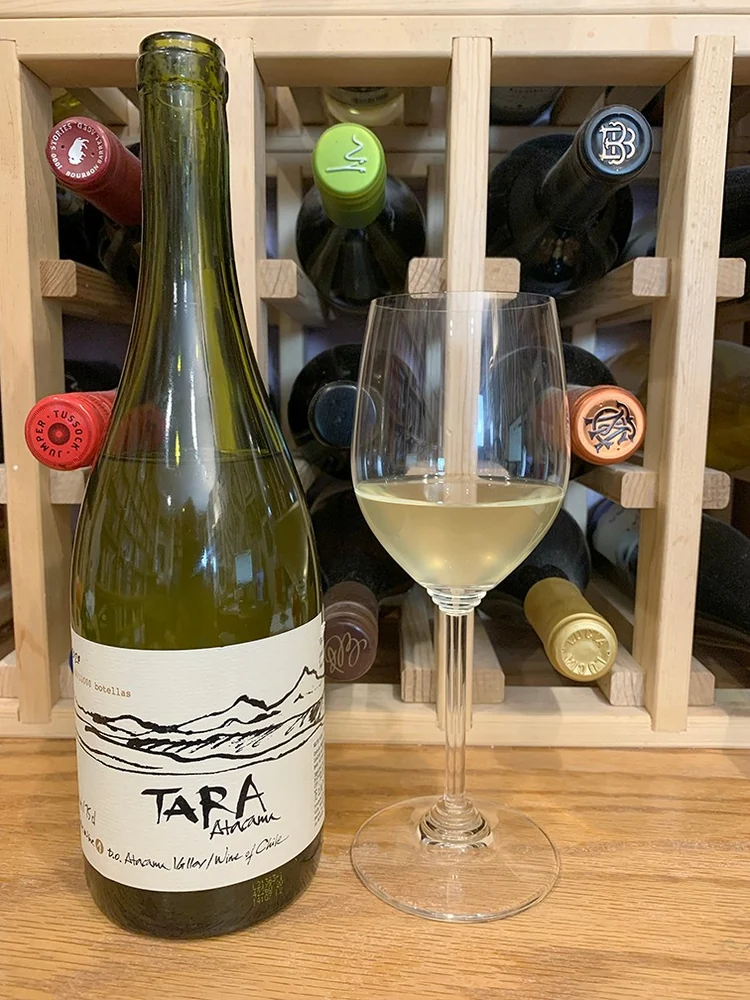
White wines from the extreme Tara project
These wines are marked by pronounced minerality, high acidity and a recognisable, saline finish. They are made with minimal intervention, fermented with indigenous yeasts and mostly left unfiltered, which gives them their particular slightly cloudy appearance and the raw power of terroir.
- Tara White Wine No. 1 (Chardonnay): Cloudy lemon-yellow in colour, with unusual and fresh aromas of pepino, apricot, lemon and wild flowers, interwoven with notes of wet stone, chalk and gentle ginger. On the palate it is taut, with crisp acidity and a creamy texture, and a strong saline finish.
- Tara White Wine No. 2 (Viognier, solera system): A unique wine made by blending and topping up different vintages, which preserves freshness and gradually builds complexity. It does not go through malolactic fermentation. Aromatically complex and opulent, with notes of candied orange peel, orange blossom, lime, biscuit and dried fruit. On the palate it is slightly oily in texture and full-bodied, yet remains strikingly taut thanks to its low pH and recognisable saline finish.
- Tara White Wine No. 3 (Sauvignon Blanc): A rare and unusual interpretation of sauvignon blanc, focused more on texture and the character of its origin than on recognisable varietal aromatics. After fermentation with indigenous yeasts the wine ages in a concrete egg made partly from stone from the Longomilla vineyard. It is neither fined nor filtered. It has pronounced texture, discreet herbal tones, taut acidity and a long, almost saline finish.
The red paradox of the Atacama: freshness in the realm of drought
If the white wines of the Tara project shocked our club with their tension, their red wines completely change everything you think you know about red varieties from Chile. Instead of jammy, heavy wines marked by alcohol, the harsh climate of the Huasco region and the icy Humboldt Current produce red wines of incredible verticality, layering and saline minerality.
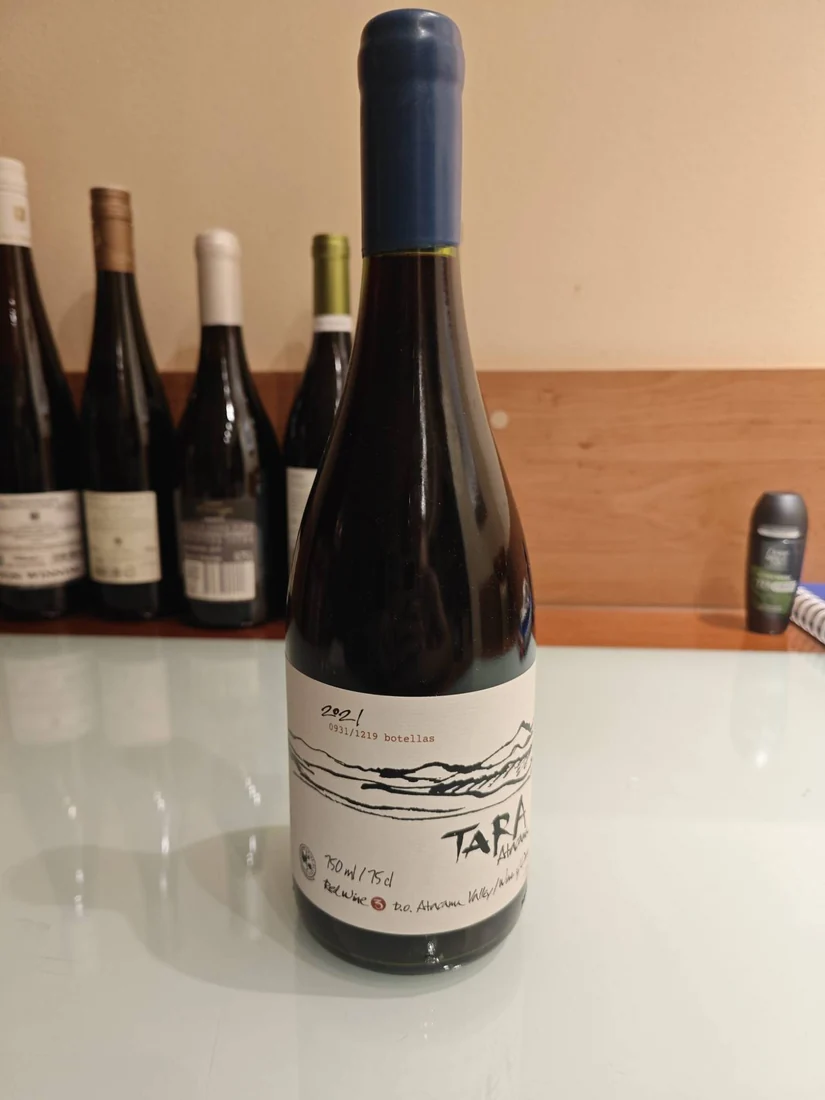
- Tara Red Wine No. 1 (Pinot Noir): Translucent, light ruby in colour, wild and earthy in character, with notes of tart wild cherries, cranberries, dried wild flowers and white stones. The tannins are firm and chalky, and the high acidity keeps the wine taut, leaving a long saline trail.
- Tara Red Wine No. 2 (Syrah/Syrah-Merlot): Fermented with whole bunches in open vessels. Deep ruby in colour, with an abundance of black fruit notes (blackberries and blueberries), graphite, black pepper and olives. It offers a fresh, spicy and meaty profile with a firm structure.
- Tara Red Wine No. 3 (Grenache): Marked by unusually low pH, pronounced acidity and aromas of juicy red fruit and wild desert herbs. On the palate it is lively and precise, without the weight of alcohol, and delivers pure fruit infused with the recognisable freshness of the coastal wind.
- Tara Red Wine No. 4 (Cabernet Franc): An experimental wine made in very limited quantities. It smells of fresh red plums, lavender, tobacco and dried herbs. On the palate it is clean, lively and juicy, with a finish that recalls salt and underlines the identity of this limestone and saline site.
The desert in the collection
Tara shows that extreme viticulture is not just a marketing label, but the result of persistence, a precise understanding of place and a willingness to take risks. In these wines we do not taste the heat of the desert, but the cold breath of the Pacific captured in the heart of the driest desert in the world.
It is precisely in that paradox, between ocean freshness, desert soil and almost unreal conditions for growing vines, that their unique identity lies. The Atacama is thus no longer just a geographical curiosity on the wine map of the world; it has become one of its most convincing new signatures.