

 Written by: Krešimir Kožić, Vinski klub
How one blind tasting revealed tradition, balance and modern expression in the heart of wine Spain
Six bottles were hidden in foil, but the differences between them could not be hidden. After the very first sips, the table split between traditionalists, lovers of contemporary precision and those looking for a balance between those two worlds.
Every glass spoke the same language of origin, but each with a different accent. It was Rioja, but not just one Rioja.
The history of winemaking in this region goes back more than two thousand years, to Roman times. Yet the decisive turning point came in the 19th century, when existing tradition met techniques inspired by Bordeaux. Phylloxera, which devastated French vineyards, further strengthened ties with French merchants and winemakers and accelerated the development of the style for which Rioja would become known: long ageing and the complex development of wine in wooden barrels.
Thanks to that legacy, Rioja became a byword for complex, long-lived wines. In 1925 it became the first Spanish wine region with Denominación de Origen status, and in 1991 also the first to be granted the highest level of protection, Denominación de Origen Calificada.
Today Rioja is one of the most internationally recognised names in Spanish wine and an important bearer of its premium identity. It has built its reputation on origin, controlled ageing and the ability of its best wines to evolve for decades. The Crianza, Reserva and Gran Reserva categories remain an important part of its identity, but contemporary Rioja increasingly emphasises more precise geographical origin as well, from zone and municipality down to the single vineyard.
It is precisely this diversity that is its greatest strength today.
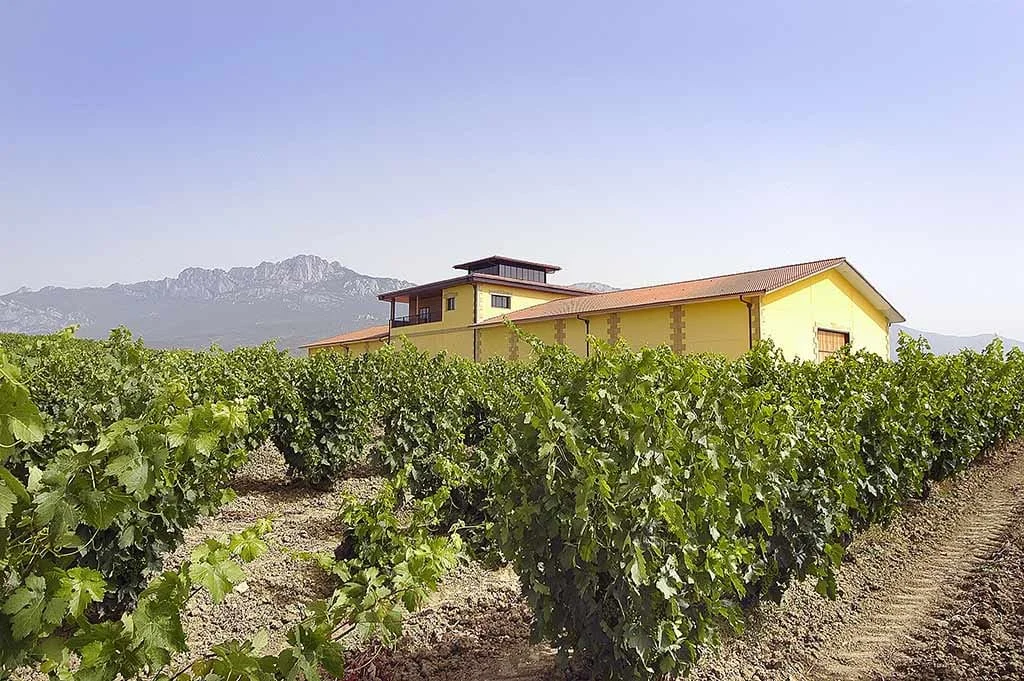
A story from the field: a clash of styles, blind
The best way to truly understand Rioja is not just to read about it, but to cut the capsules, pull the corks and hide the labels.
At the end of last year I organised exactly that kind of blind tasting. The idea was simple: to put in front of the tasters three white and three red wines representing different faces of the region, from uncompromising tradition through the balanced classic to a modern expression focused on the vineyard, freshness and precision.
Wrapped in foil, the following labels were on the table:
- Muga Flor de Muga Blanco Reserva 2022.
- Pujanza Añadas Frías 2023.
- López de Heredia Viña Gravonia 2016.
- Pujanza Cisma 2018.
- Muga Prado Enea Gran Reserva 2015.
- López de Heredia Viña Bosconia Gran Reserva 2004.
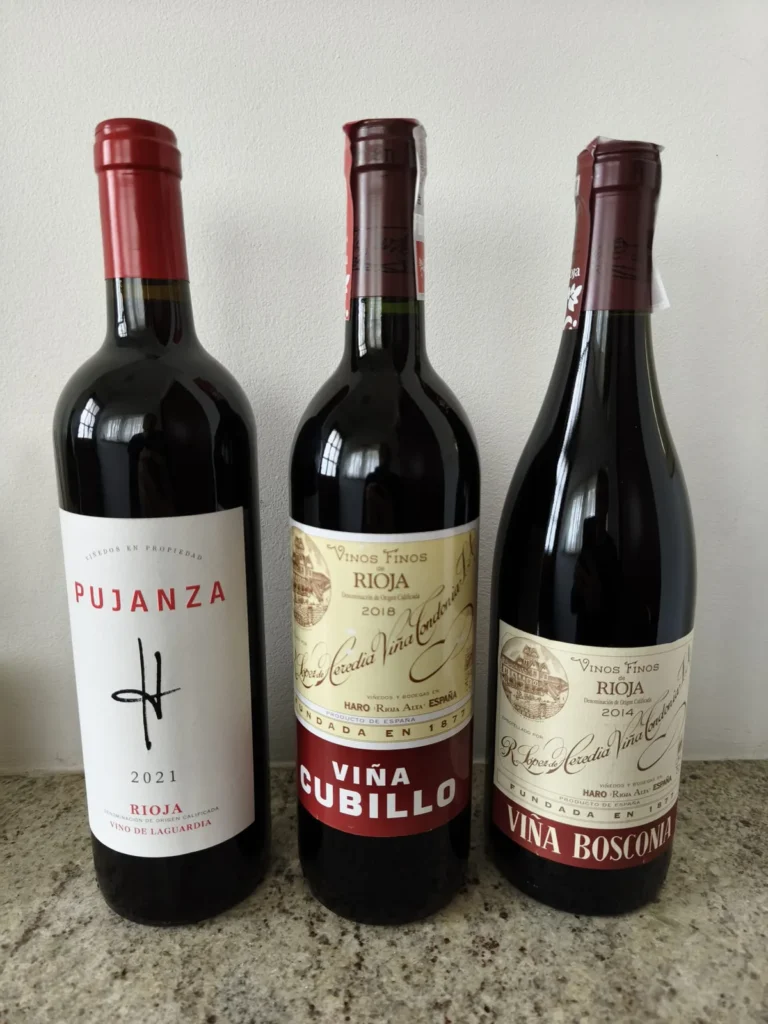
In front of us were three different views of the same region.
The traditional style: López de Heredia
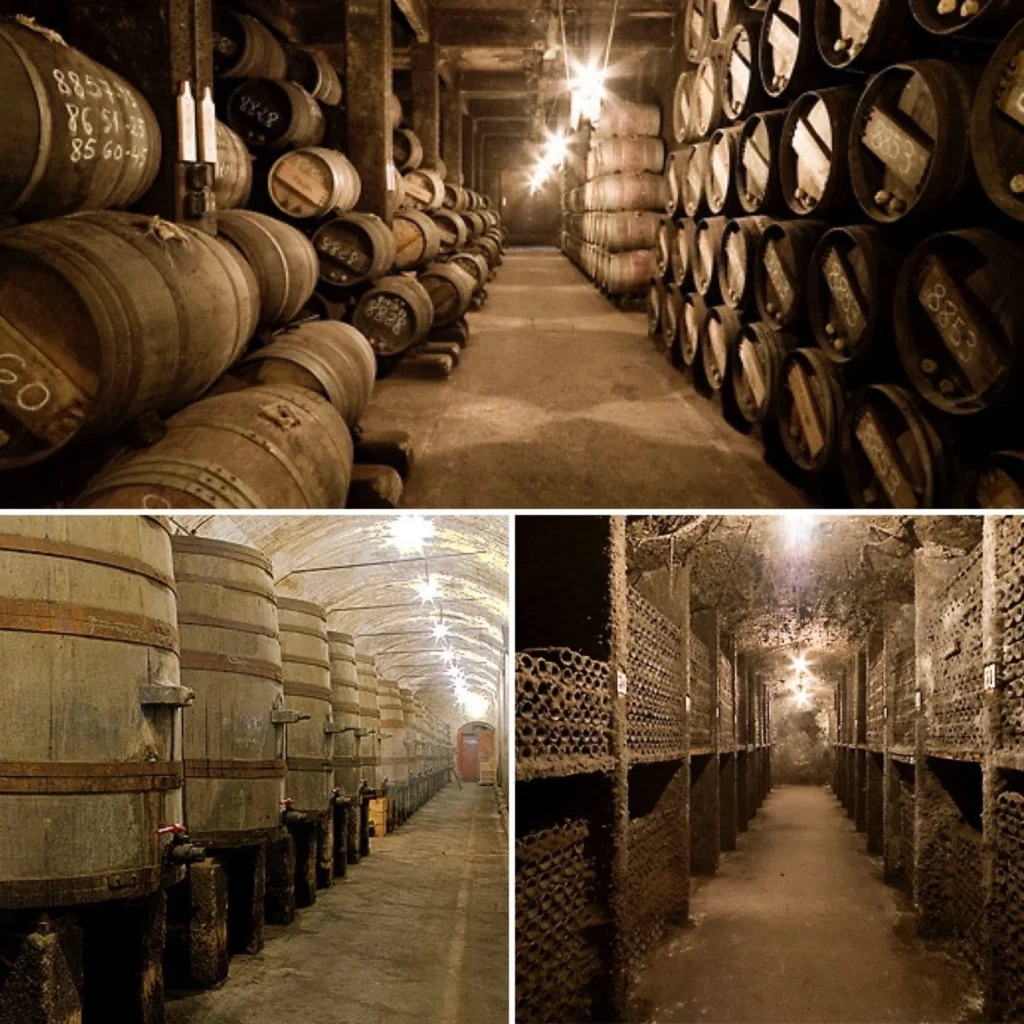
Long ageing, old oak, developed tertiary aromas, a firm acid backbone and a deliberately cultivated relationship with oxidative development. These are wines that do not try to keep up with time. They simply outlive it.
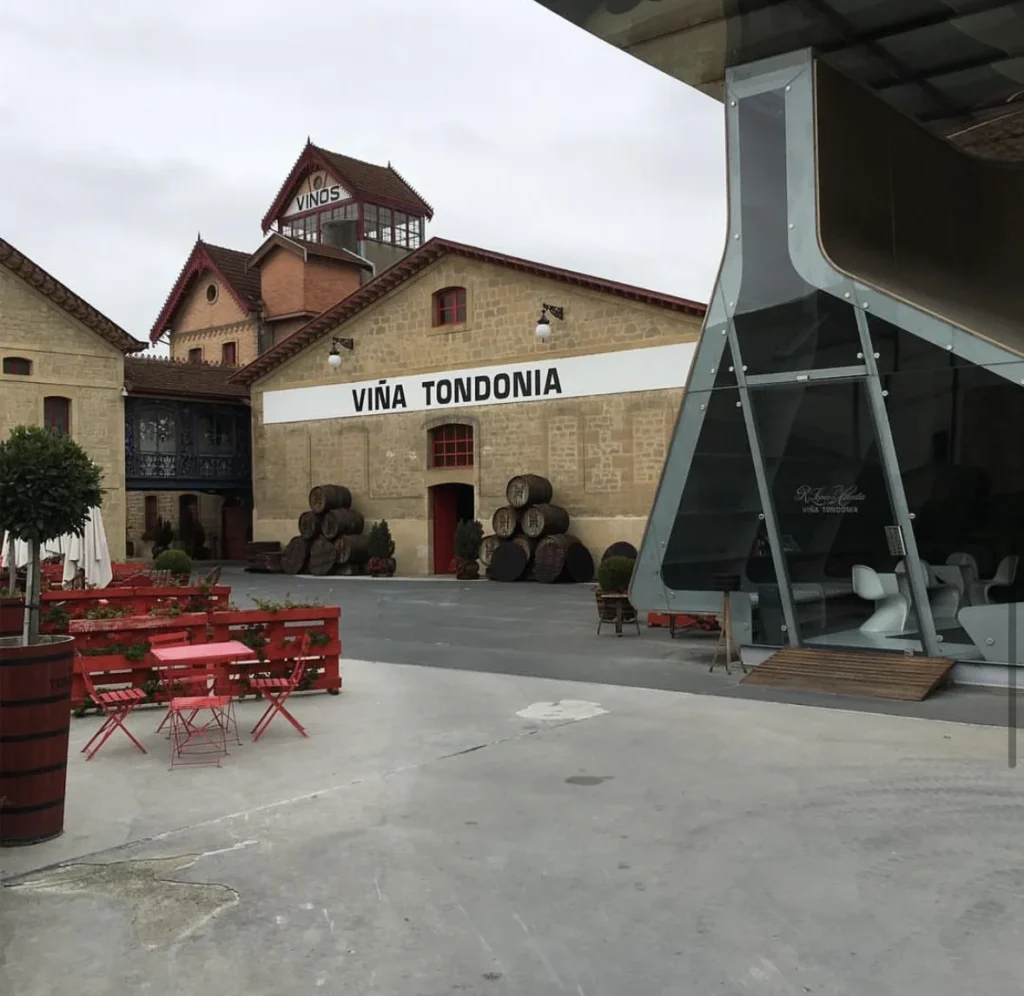
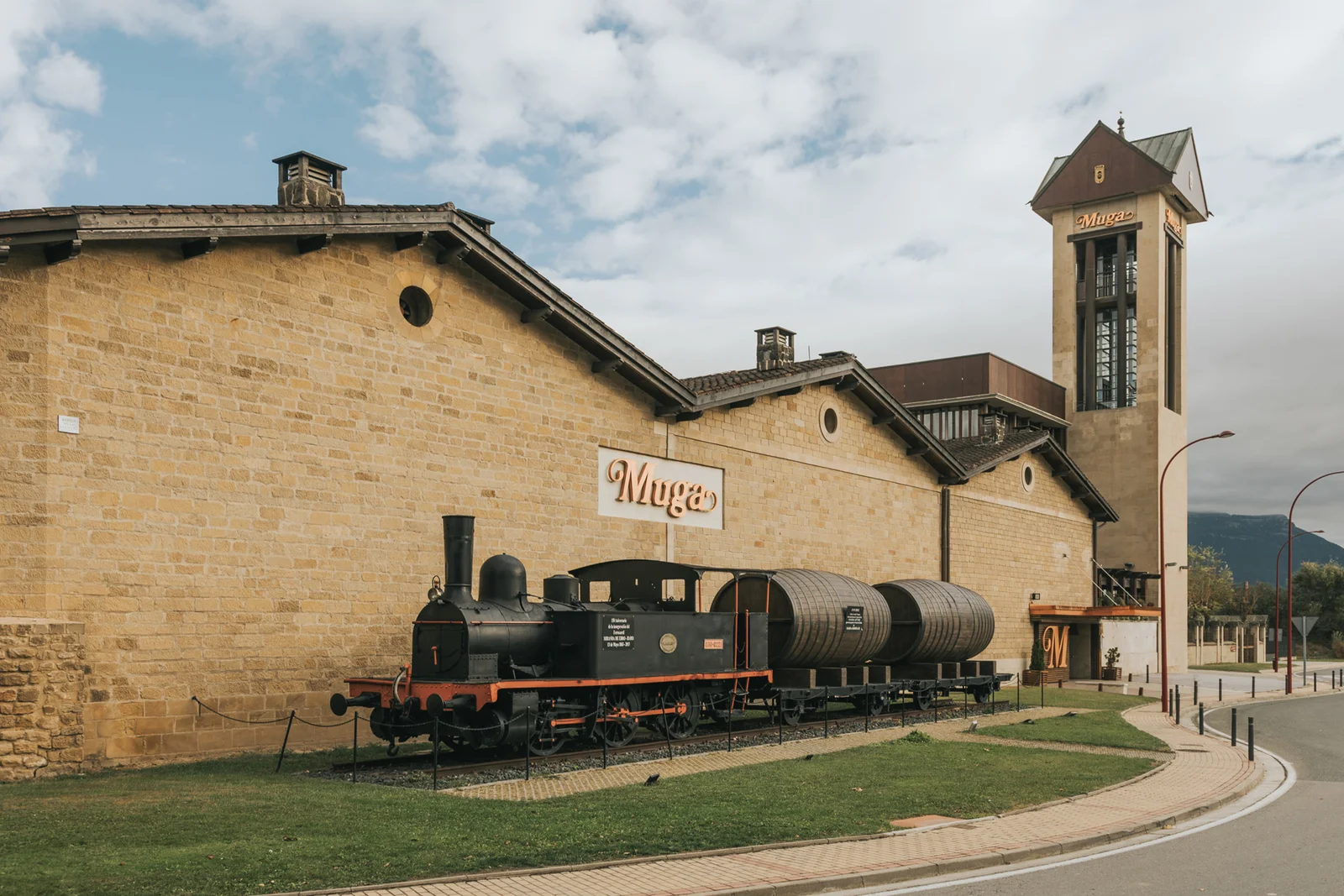
The golden mean: Muga
A convincing balance of ripe fruit, finely integrated oak, structure and elegance. Enough traditional charm to be recognisably Rioja, but also enough purity and contemporary precision for the wines to make sense from the first sip.
The modern wave: Pujanza
An emphasis on site, freshness, tension and minerality, with a more restrained and less intrusive impression of oak. Wines that do not reject tradition, but view it through the lens of the single vineyard and a contemporary understanding of terroir.
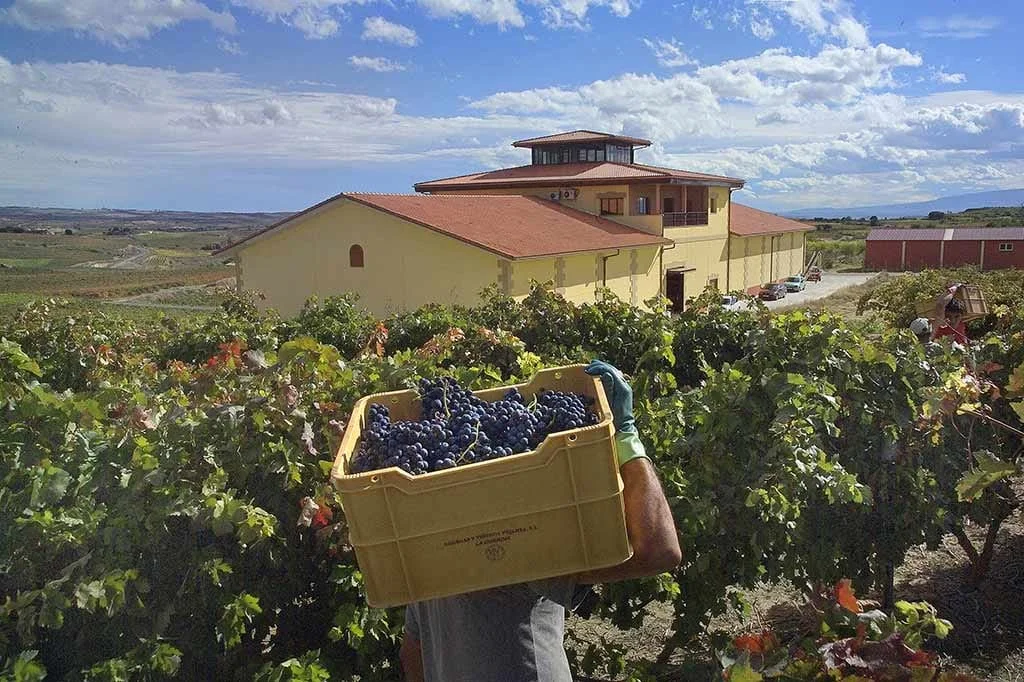
The table split
As the glasses went round, the table split.
For some of the tasters, Pujanza was too great a departure from what they considered “typical Rioja”. Its directness, freshness and strong focus on site did not suit everyone.
On the other hand, López de Heredia, with its cult, almost mystical Gravonia and Bosconia, earned the deep respect of the wine purists. These are wines for tasters who appreciate tertiary aromas, wax, nuts, leather and a sense of history in the glass. They do not try to win you over at first sip. They demand time, attention and a certain readiness to meet a wine that does not follow contemporary expectations.
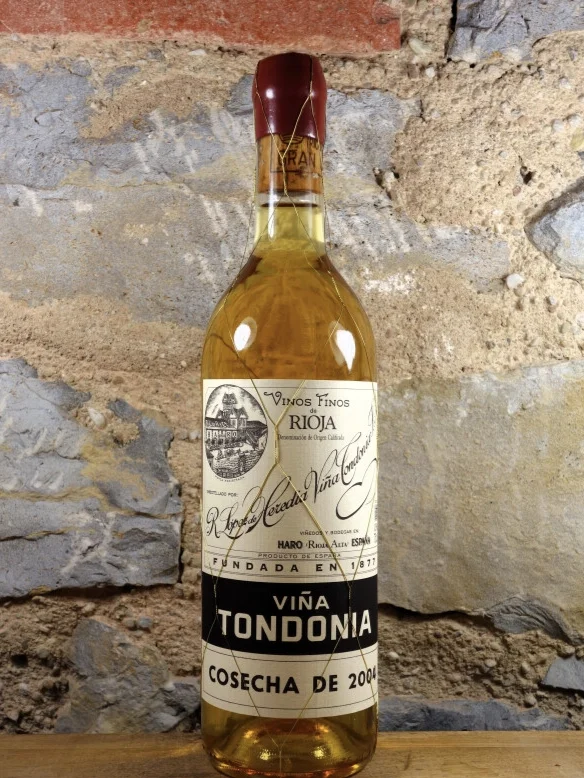
The broadest consensus at the table, however, went to Muga.
The opulent, creamy Flor de Muga Blanco and the grand Prado Enea showed why this house is a kind of bridge between the different faces of the region. In its wines the traditional character of Rioja meets the clean, precise fruit of contemporary expression. The result is wines with depth and seriousness that do not build a wall between themselves and the taster.
My personal winner
My personal winner, however, was Pujanza Añadas Frías 2023.
It is a wine made from 100 percent Viura from part of the San Juan de Anteportalatina vineyard, which lies at 600 metres above sea level. The Añadas Frías concept is tied to cooler years with a longer ripening of the grapes, when the wine shows pronounced acidity and particularly good ageing potential. The 2023 vintage fermented spontaneously and was aged for 12 months in 500-litre barrels and a concrete vessel.
It was the freshest and most tense wine of the evening: precise, saline and almost electric, with an acidity that did not feel severe, but gave the wine rhythm and length.
For me it was the most convincing proof of how serious, complex and long-lived a white wine can be made in the highest parts of Rioja. But that is exactly the beauty of blind tasting: my winner did not have to be the winner of the table.
The future lies in the harmony of differences
Looking ahead raises an inevitable question: will one of these styles prevail in the future?
Probably not, and that is precisely the greatest value of today’s Rioja.
The old conflict between tradition and modernism is no longer destructive. Instead of one current pushing out the other, they drive each other towards excellence. Traditionalists pay ever more attention to the purity and definition of fruit, while modernists are rediscovering the importance of elegance, time and the natural freshness offered by the best sites at higher altitudes.
Buyers and wine enthusiasts are not looking for a completely uniform region. The richness of Rioja lies precisely in the fact that, in a relatively small area, it can offer a developed classic that defies time, a balanced wine that connects different generations of tasters, and a precise, contemporary expression of a single site.
But even that does not exhaust the range of Rioja.
A natural rebellion on the edge of tradition
Beyond our blind tasting, yet another, more rebellious expression of the region is developing. These are winemakers who are moving away from the dominant patterns and turning to responsible viticulture, spontaneous fermentations and a minimal-intervention approach in the cellar.
A great example of this direction is Alonso & Pedrajo, a winery located in the cooler, hilly part of Villalba de Rioja.
Their Suañé line shows a different, less polished but exceptionally lively side of the region. Spontaneous fermentations with naturally present yeasts, moderate use of sulphur and ageing on the lees, in a combination of French oak and concrete vessels, create wines of pronounced texture, energy and freshness.
These are not wines that deny Rioja’s past. They simply refuse the idea that its future has to look like its past.
It is precisely with the emergence of such winemakers that Rioja confirms it is not a rigid museum exhibit, but a living organism. The region embraces contemporary ecological and minimal-intervention trends, but translates them into its own language.
Today, under the same name on the label, almost completely different wine worlds can live side by side: the historical depth of López de Heredia, the balanced opulence of Muga, the modern precision of Pujanza and the unconventional energy of new, rebellious producers.
Perhaps that is exactly why the question is not which style will win.
The real question is how many more faces Rioja can show while remaining unmistakably itself.
And tasted blind, it leaves no one indifferent.