

 Written by: Krešimir Kožić, Vinski klub
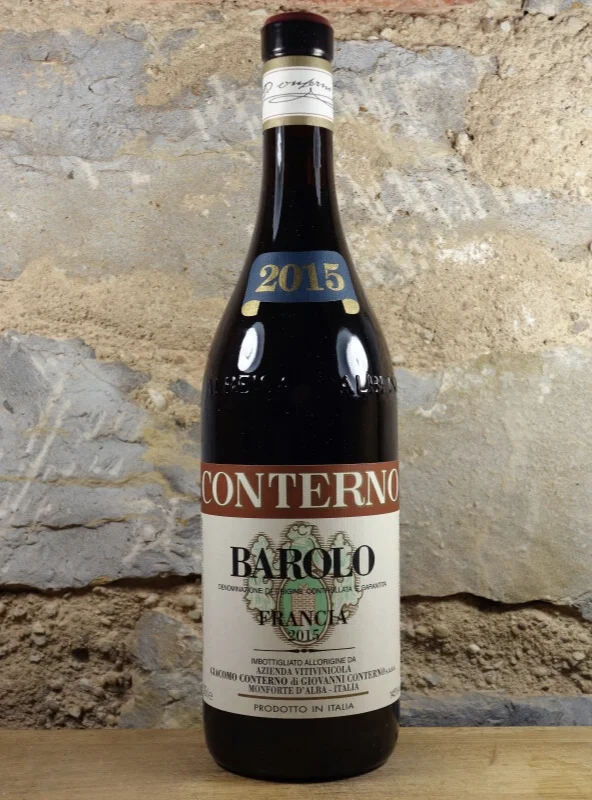
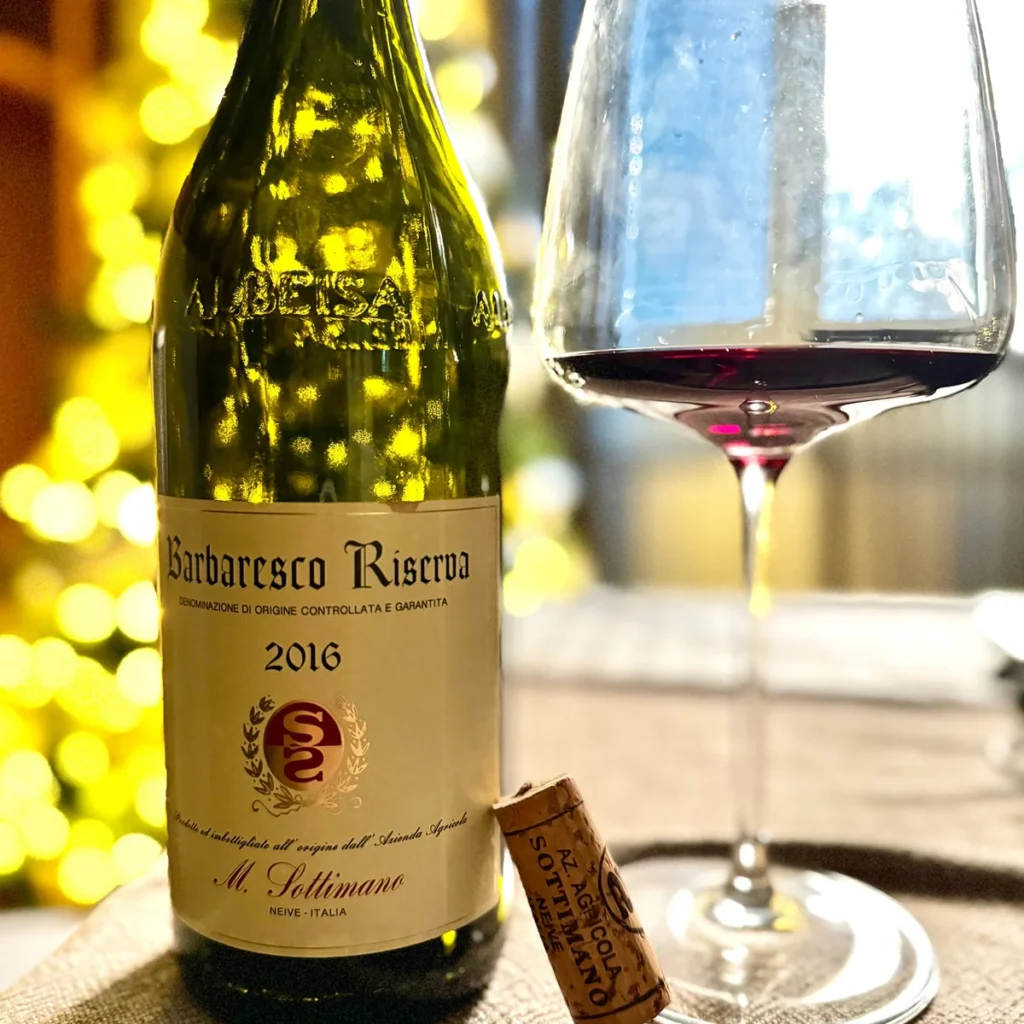
Sometime in the early autumn of last year I organised a blind tasting of great red wines. Among the six bottles were some of the most resounding names on the world wine scene: California’s Inglenook Rubicon 2019, the opulent Right Bank Troplong Mondot 2018, the powerful southern Rhône Clos des Papes 2018 and the legendary Tuscan Sassicaia 2018. Standing between these opaque, deep, dark giants were two “pale reds”: Giacomo Conterno Barolo Francia 2015 and Sottimano Barbaresco Riserva 2016, probably my two favourite wines from Piedmont’s native Nebbiolo grape.
The reactions in the room made for a fascinating socio-vinous experiment. A handful of the more experienced palates immediately recognised the signature of Nebbiolo and surrendered to sheer pleasure. Others, however, grumbled suspiciously about the “thinner” colour and the unusual aromas reminiscent of tar and dried flowers. The biggest surprise came with the first sip: they were shocked by the strength of the powerful, yet perfectly polymerised and silky tannins that flooded the mouth. The two wines left some of those present indifferent, even disappointed, while others were absolutely thrilled. But nobody in the room could dispute one thing: these wines possess an exceptional, uncompromising character.
It confirmed once again a long-held belief of mine: Barolo and Barbaresco really are not for every wine lover. To understand why, we have to go back to the hills of Piedmont, where it all began.
Fog, hills and the birth of two legends
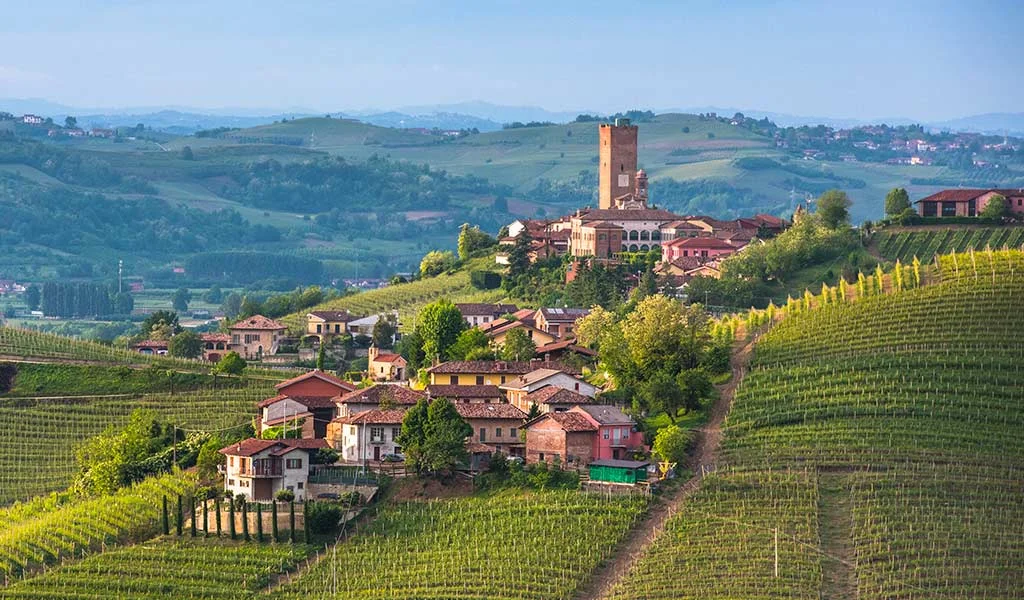
In north-western Italy, in the Langhe, Nebbiolo reigns. According to the most widespread explanation, it takes its name from the word nebbia (Italian for fog), which in autumn blankets the local vineyards at the time of the late harvest. Another explanation links it to the misty bloom on the ripe berries. It is out of this fog, the steep hills and a complex mosaic of soils that two historic appellations are born, barely ten kilometres apart and yet so different.
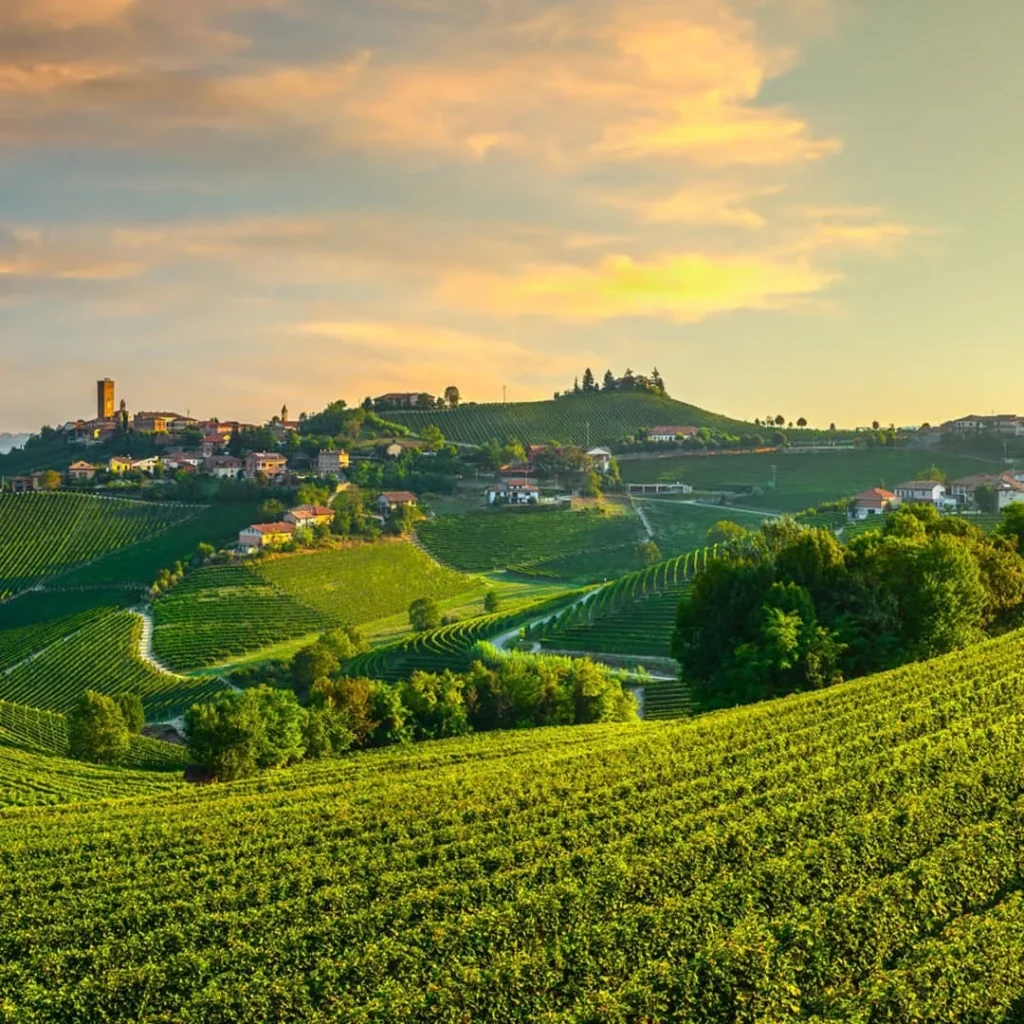
Barolo has historically been known as “the wine of kings and the king of wines”. Its modern rise is usually associated with the 19th century, the Turin nobility and the statesman Camillo Benso di Cavour, as well as the arrival of new oenological knowledge. According to oft-repeated wine lore, this was when the hitherto sweetish and unstable wines were gradually transformed into the dry, powerful and long-lived style we associate with Barolo today. Although its sites differ considerably in geological terms, the vineyards rest on layers of limestone, clay and marl, and from this diversity the best wines draw monumental structure, firm tannins and an ageing potential measured in decades.
Barbaresco, on the other hand, long remained in the shadow of its more powerful neighbour. Its independent identity began to take clearer shape in 1894 thanks to Domizio Cavazza, director of the local oenological school, while its global fame in the 20th century came courtesy of the visionary Gaja family. Lower altitude, the proximity of the Tanaro river and a somewhat warmer microclimate generally allow Nebbiolo to ripen earlier. Although the differences between individual sites cannot be reduced to a simple formula, Barbaresco more often shows a finer tannin texture and earlier approachability, Barolo a more powerful structure and a sterner longevity. If Barolo is the king, Barbaresco is without doubt the queen of Piedmont.
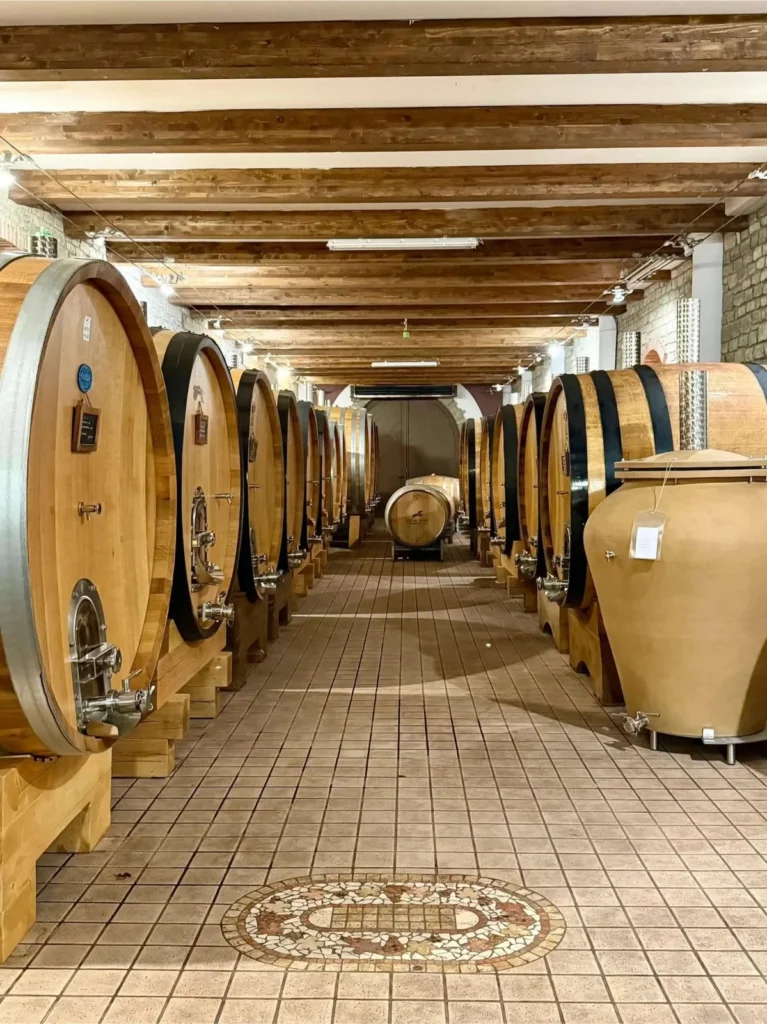
Piedmontese icons you must taste (and why you don’t have to go bankrupt)
If you want to explore this region and put your own palate to the test, it is best to start with wineries that, each in its own way, strike a balance between tradition and contemporary precision. It is a great misconception that Piedmont demands only deep pockets. Cult names such as Gaja or Bartolo Mascarello command high prices for good reason, but the real magic of the Langhe often hides on family estates that offer exceptional value. Of course, “affordable” is a relative term in the world of Barolo and Barbaresco: some of the recommendations below are reference icons, others a convincing way into the top league without total financial ruin.
Here are my personal favourites that you really must explore:
- Giacomo Conterno: the absolute bastion and living monument of tradition. The Barolo from the Francia vineyard represents the uncompromising pinnacle of what Nebbiolo can offer: depth, austerity, intellectual structure and an almost frightening longevity. This is not an easy starting point, but a point of reference.
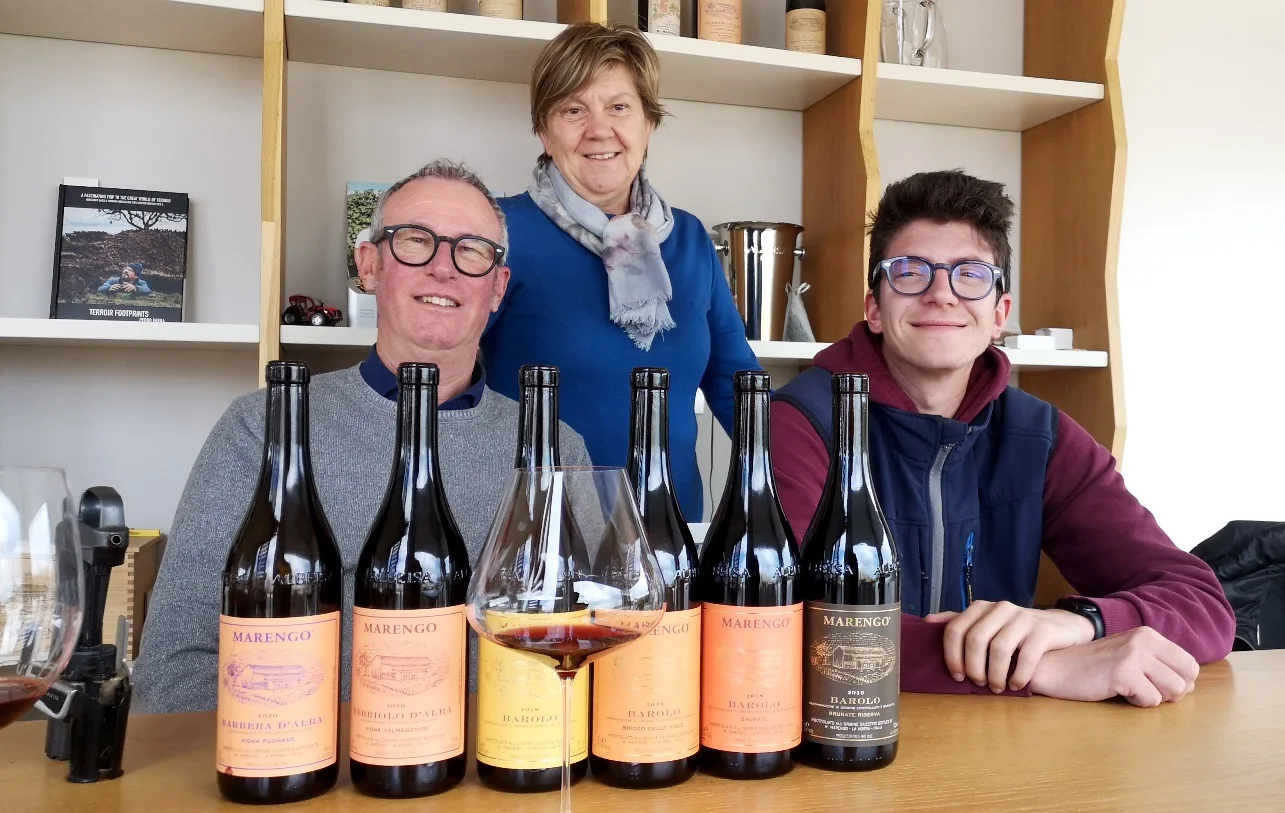
- Mario Marengo: a winery from La Morra doing sensational work. Their Barolo Brunate is pure poetry: vibrant and elegant, with silky tannins and a precision that fascinates vintage after vintage. An excellent choice for those who want to understand the more refined side of Barolo.
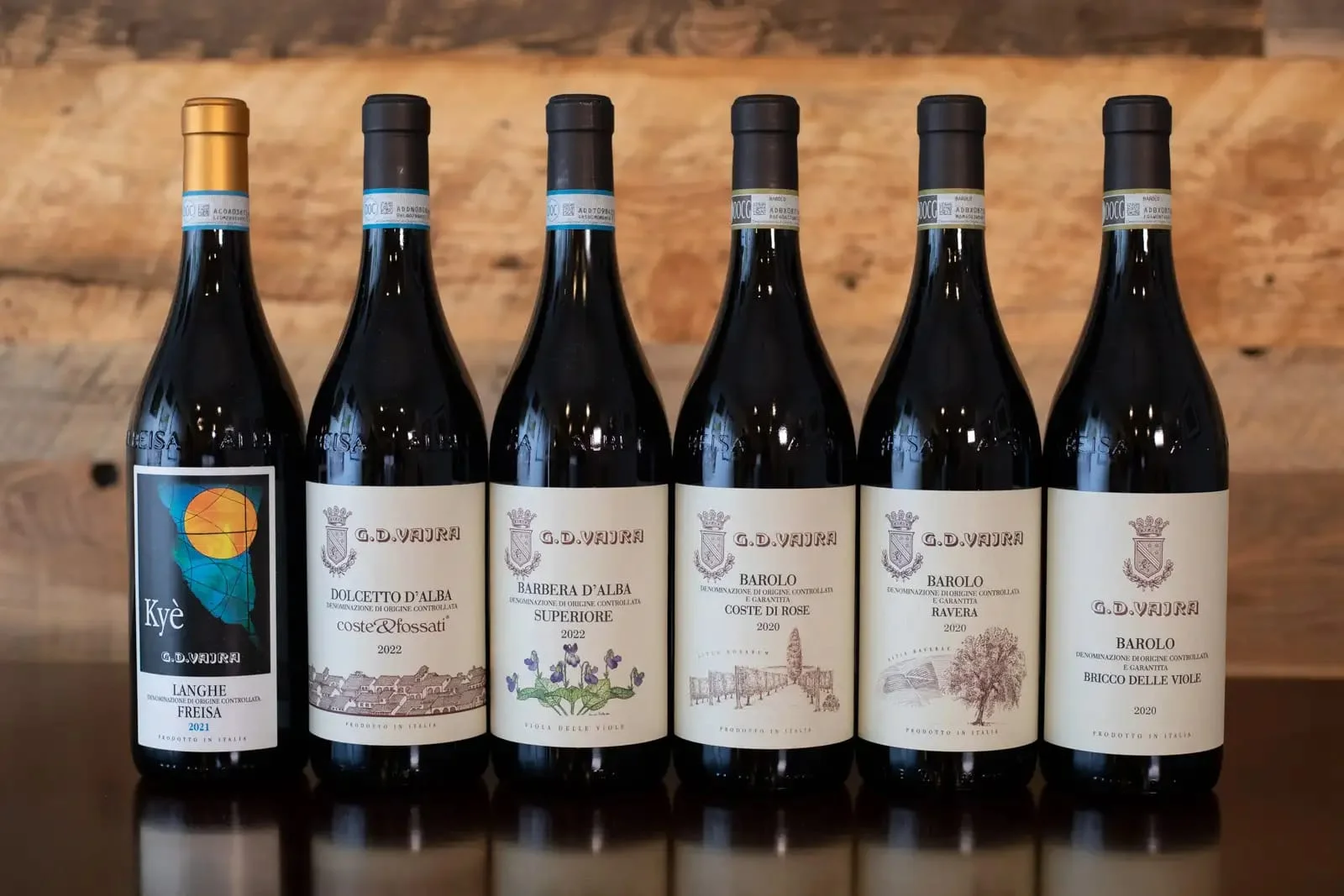
- G. D. Vajra: one of the most charming and reliable names in Barolo. The approach is deeply honest and refined, whether you reach for the Barolo Albe or the Bricco delle Viole. Vajra is perfect proof that top Barolo can be more reasonably priced while remaining layered, elegant and exciting.
- Sottimano: a family winery from Barbaresco that strikes a brilliant balance between natural methods in the vineyard and precise work in the cellar. Their single-cru wines, including the Riserva from our tasting, burst with energy, minerality and vivid power. For me they are among the best proof of how serious and long-lived Barbaresco can be.
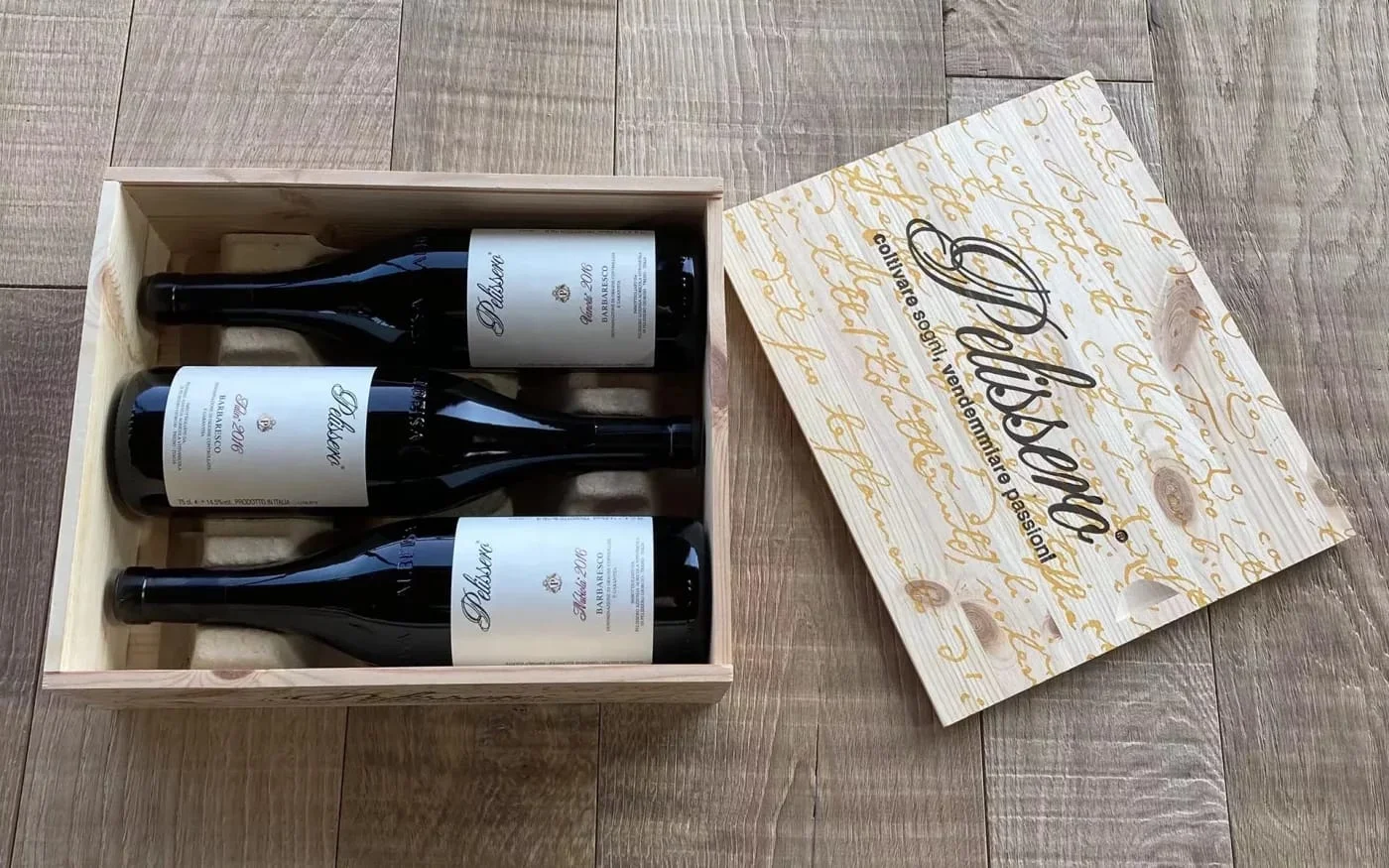
- Pelissero: a big name in the Barbaresco appellation. Wines such as Nubiola or the Vanotu cru are more modern in approach, rich, concentrated and structured, showing all the power and opulence of the variety. A good choice for those who look for a fuller, more expressive style in Nebbiolo.
- Cà del Baio: a wonderful family story carried on today by three sisters. Their Barbarescos from the Asili and Pora vineyards offer the honest, traditional elegance of Piedmont at prices that will put a smile on any wine lover’s face. An excellent way into the appellation without giving up character and authenticity.
The great paradox of a misunderstood wine
So why, after all these hymns of praise, do Barolo and Barbaresco remain misunderstood by the wider public? The answer lies in a visual and structural paradox that easily confuses a modern palate used to quick, immediate pleasure.
The average consumer has learned that a top, expensive red wine must be opaque, dense, dark and rich in berry fruit, like modern Cabernet Sauvignons, Syrahs or Amarones. When you pour Barolo or Barbaresco into the glass, you are greeted by a pale, translucent wine, often with a brick or orange tinge at the rim. At first sight the uninitiated taster will file it among the “light” wines, perhaps even underestimate it, equating its translucency with simplicity.
And then comes the sensory shock.
Already on the nose there is no sweet blackberry jam; instead, complex, tertiary, at times almost ascetic aromas of dried rose, forest floor, truffle and leather open up, together with that famous, intriguing scent of tar: tar and roses. When you finally taste it, instead of the expected softness you meet an acidity that lifts the edges of the lips and tannins that instantly dry the gums. Nebbiolo possesses a monumental structure hidden behind a delicate, pale appearance.
To love Barolo and Barbaresco, you have to give up the search for commercial, sweet, fruity pleasure. These wines pander to no one. They demand time, in the cellar, the decanter and the glass, and the right gastronomic context: a fattier cut of meat, a rich risotto or pasta with white truffle, dishes that can keep up with their acidity and tame their firm tannins.
That is why you have to try them. Not to drink merely a “pleasant” wine over casual conversation, but to experience its intellectual depth and uncompromising character. Barolo and Barbaresco are lessons in patience and proof that the greatest elegance sometimes comes dressed in the most powerful armour. Once you crack that code, there is no going back.