

 Written by: Krešimir Kožić, Vinski klub
For decades burdened with a reputation as a simple local wine, Frankovka is showing today that it can offer what is hardest to achieve among great red wines: depth without weight, power without heaviness and character without exaggeration.
When the masks come off, so do the prejudices
There were serious labels on the table. When you sit in a circle of experienced tasters and the bottles are hidden in opaque sleeves, the subconscious automatically starts building profiles. You expect the usual suspects: opulent, extract-rich Bordeaux or ethereal, refined top-class Pinot Noir. In short, the wines people most often reach for when they want a great red wine.
And then something else arrived in the glasses.
A wine of deep ruby colour, with a garnet glint at the rim. The very first sniff showed that this was not another of the expected favourites.
Instead of the sweetish influence of new oak, the glass gave off aromas of fresh wild blackberry, blackcurrant and pepper. They were followed by layers of pine needles, thyme, freshly ground coffee and a discreet, almost iodine-like salinity.
On the palate the wine was taut and alive. A vibrant acidity ran through a rich structure, with serious but exceptionally polished tannins. It had depth and weight, but did not feel heavy. On the contrary, it slipped across the palate almost effortlessly.
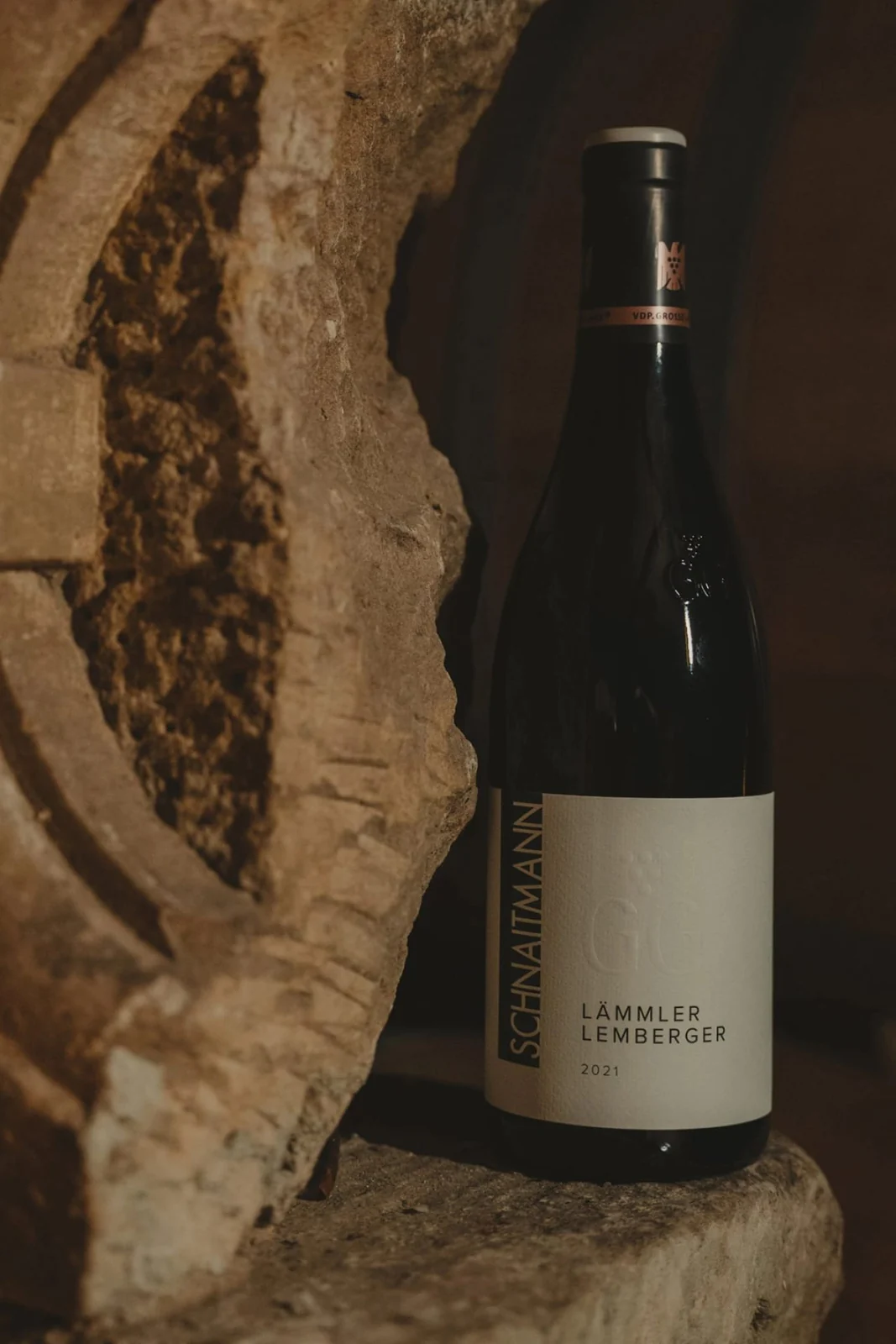
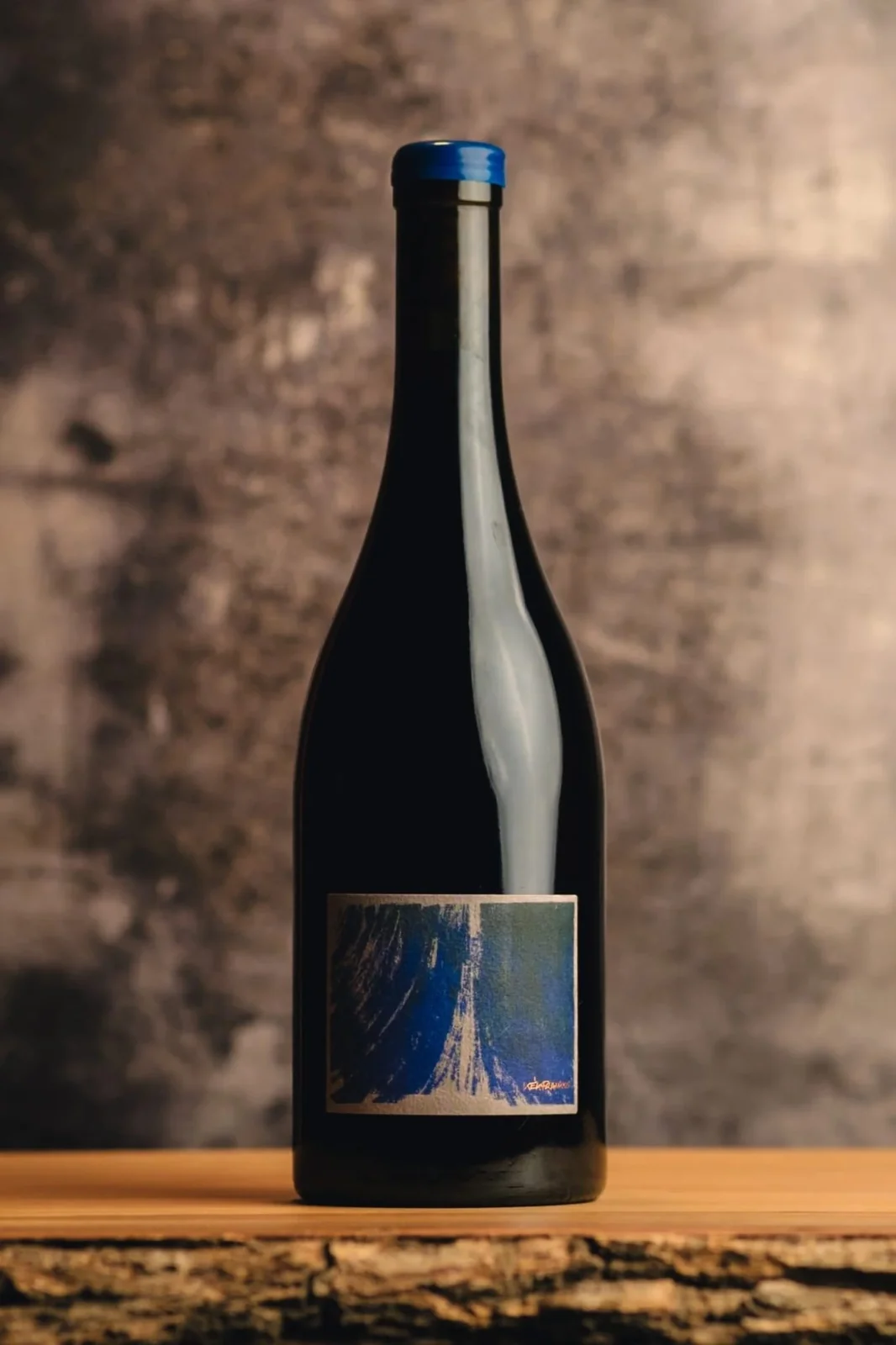
Under the sleeve was Weingut Schnaitmann Fellbach Lämmler Lemberger GG 2020. The surprise at the table was complete. Germany? Lemberger? The wine did not fit any of the drawers prepared in advance. That evening it did not just hold its own against the big names. It showed that Frankovka, when it comes from the right site and from the hands of a winemaker who understands its nature, belongs in the same conversation.
A Central European noble from the shadows
What Germany calls Lemberger is Blaufränkisch in Austria, Kékfrankos in Hungary, Modra Frankinja in Slovenia and Frankovka in Croatia. Behind the different names hides the same old Central European variety, whose origins are linked to the area of today’s Austria and Slovenia.
Genetic research has established that it is a cross between white Heunisch and an old variety known as Blaue Zimmettraube, or Sbulzina. For centuries the name Fränkisch itself carried a positive connotation of value. It was used for higher-quality varieties, as opposed to the varieties of the Heunisch group, associated with more abundant production of wine for everyday drinking.
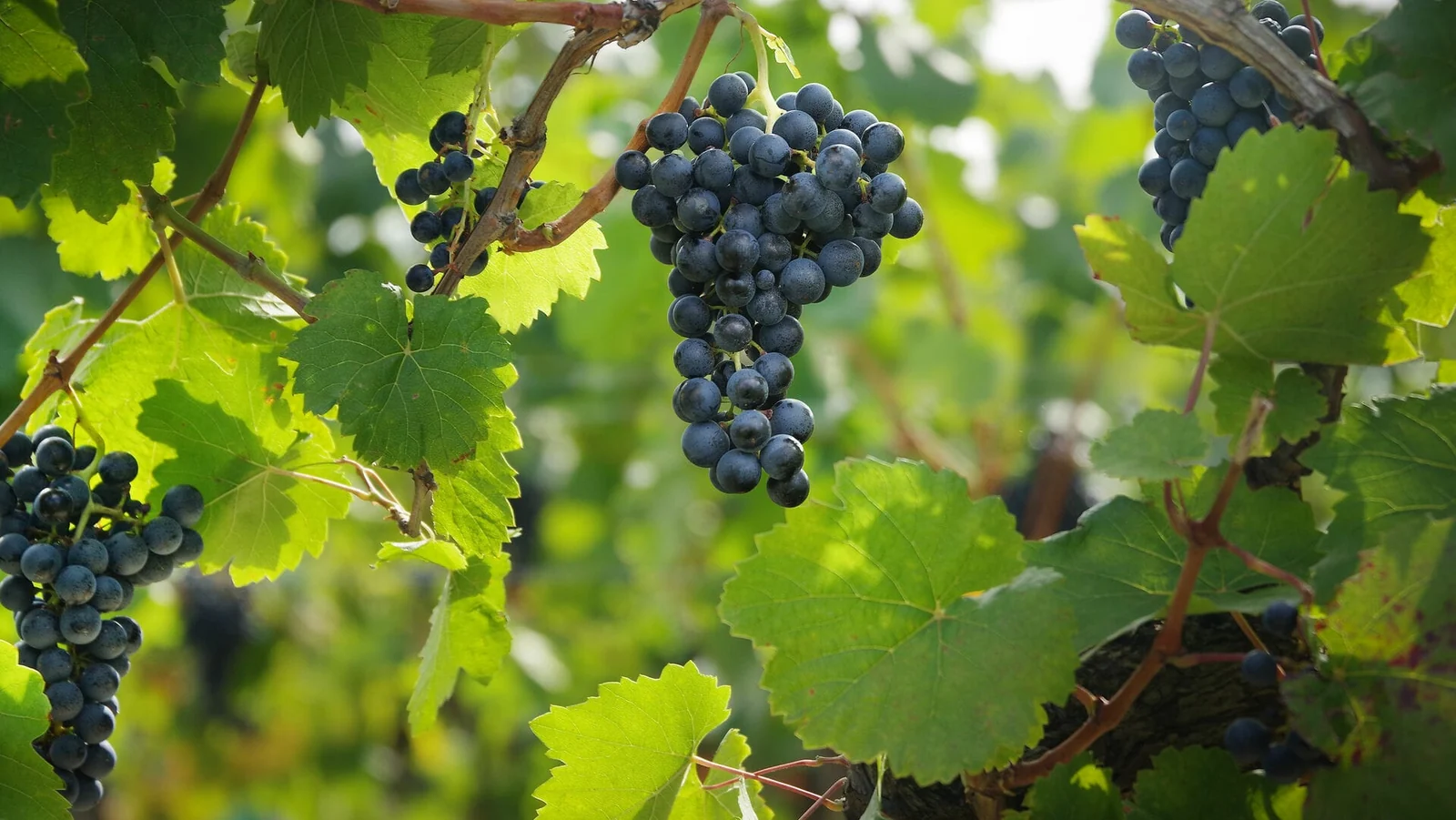
Frankovka is a late-ripening variety that gives intensely coloured wines with pronounced acidity and a firm tannic structure. It achieves its best results on sites that allow it full phenolic ripeness without losing freshness.
Its naturally high acidity is precisely its greatest asset. It lets Frankovka keep its tension even in warmer years, and in serious interpretations it becomes the foundation of its longevity.
Frankovka is also an extremely sensitive translator of the place where it grows. On limestone soils it can show precision, minerality and an almost floating elegance. On clay, schist or warmer sites it takes on a darker character, deeper fruit and a more pronounced spicy signature.
Its greatest quality is not just power, but the ability to carry that power without losing freshness.
Why is Frankovka not a global star?
If Frankovka can give such serious and long-lived wines, why does its name not yet carry the weight of Cabernet Sauvignon, Merlot, Syrah or Pinot Noir on the world market?
Part of the answer lies in an identity crisis.
Blaufränkisch, Lemberger, Kékfrankos, Modra Frankinja and Frankovka are different names for the same variety. Such linguistic diversity reflects its Central European history well, but it makes building a single global identity harder. It is difficult for the average consumer to develop recognition of and loyalty to a variety when it appears in different markets under completely different names.
The second problem is the burden of history.
For decades, in many parts of Central Europe, Frankovka was treated mainly as raw material for mass production. It gave thin, sharply acidic and rustic wines meant for everyday drinking, and in our parts it was often associated with red gemišt, the wine and soda spritzer.
Such wines were not necessarily bad in the context in which they were made, but they did not show the full potential of the variety. Frankovka demands discipline in the vineyard, the right site, limited yields and full ripeness of the grapes. In the cellar it demands an equally thoughtful approach: careful extraction and restrained use of oak that will not smother its freshness, spiciness and recognisable character.
Only a new generation of winemakers began to see Frankovka not as a reliable workhorse variety, but as one of the most important red varieties of Central Europe.
Power without weight
The potential of Frankovka is best understood when we see it as a bridge between two seemingly distant stylistic worlds.
On one side it can have the freshness, precision, airiness and finesse of Pinot Noir. On the other it brings the firmer tannic structure, dark berry fruit and spicy depth we associate with more serious Cabernets.
This is not about copying one variety or the other. Frankovka has its own identity: lively acidity, peppery spiciness, dark fruit and the ability to keep its tension even when it is concentrated and fully ripe.
Its power does not come from overripeness, high alcohol or aggressive extraction. The best Frankovkas can be deep without weight, structured without coarseness and layered without any need to show off.
For drinkers who look for complexity and ageing potential but want to avoid heavy, jammy and over-extracted wines, Frankovka offers a rarely convincing answer.
Power without weight.
Where does the heart of modern Frankovka beat?
To understand the full reach of the variety, one has to get to know the regions that have given it different stylistic imprints. Frankovka is not the same everywhere. Quite the opposite, its greatest value is its ability to speak the language of the site where it grows.
Germany: the precision of Württemberg
In Germany’s Württemberg, Frankovka appears under the name Lemberger. It is traditionally important for the region, but its best modern interpretations go well beyond the old image of a simple, rustic red wine.
Here it can give strikingly fresh and precise wines with pronounced minerality, dark fruit and a cooler herbal and spicy character.
Among the key producers is Weingut Rainer Schnaitmann, whose Lämmler Lemberger GG shows how refined, layered and long-lived the German interpretation of the variety can be. The 2020 vintage was aged in used wooden casks, and its aromatic profile is led by blackberry, blackcurrant, sour cherry, pine needles, thyme, coffee and a discreet salinity. Lively acidity and ripe tannins give it tension, firmness and length.
In such wines Lemberger does not try to imitate Bordeaux or Burgundy. It speaks its own language: dark, spicy and a little wild, yet at the same time precise and refined.
Austria: the epicentre of the revolution
If one country leads the international recognition of Frankovka today, it is Austria, above all Burgenland.
There the variety takes on a whole range of stylistic expressions, from the warmer, more opulent and powerfully structured wines of Mittelburgenland to the tauter and more mineral interpretations from the slopes of the Leithaberg and Eisenberg.
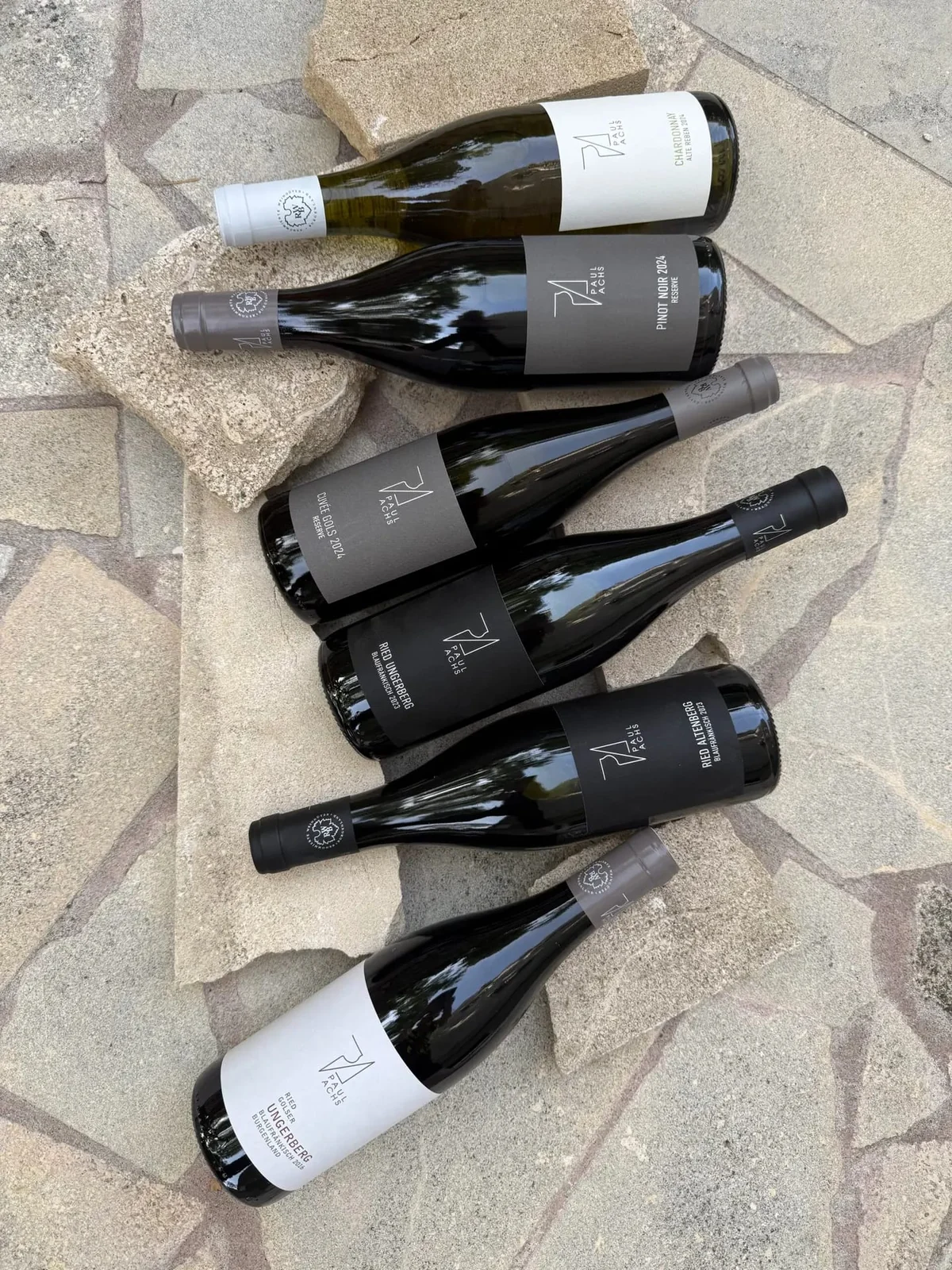
Among the most important modern names is Paul Achs from Gols. His single-site wines, such as Ungerberg and Altenberg, show how convincingly Frankovka can combine ripeness, depth, lively acidity and elegance. Altenberg lies on a warm site facing south and south-west, while the combination of clay soil and a limestone component gives the wine fullness, freshness and mineral precision.
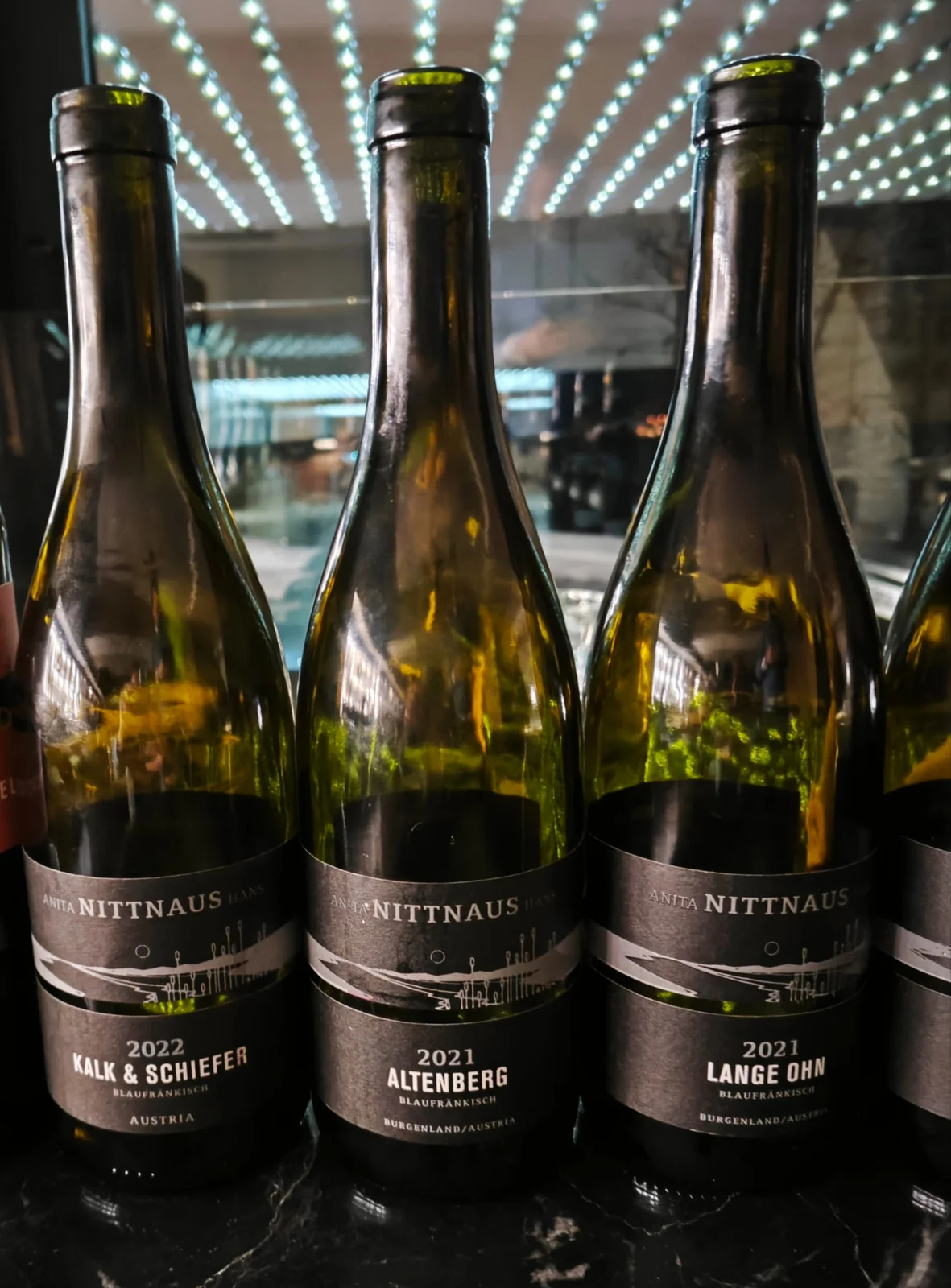
An important place also belongs to the Anita und Hans Nittnaus winery, whose wines from the Leithaberg reveal the more mineral and refined side of the variety, and to the J. Heinrich winery, that is Silvia Heinrich, who shapes deep and structurally serious interpretations of Frankovka in Mittelburgenland.
Austria has shown what happens when Frankovka stops being seen as a regional curiosity and starts being treated as a great variety.
Slovenia: the renaissance of Modra Frankinja
In Slovenia, especially in Posavje, Modra Frankinja is going through a strong renaissance in quality. In the best interpretations the wines keep their freshness and pronounced fruit, while gaining more serious structure, precision and ageing potential.
Producers such as the Kozlinc winery show the modern, ambitious face of the variety, while Klet Krško, with its selected lines, confirms how structured and serious Modra Frankinja can be in the Slovenian context.
For Slovenia, Frankovka is not just another local red variety. It is becoming an important part of the modern wine identity of the country’s continental part.
Croatia: a potential still to be fully discovered
In Croatia, Frankovka is most firmly linked with Slavonia and the Croatian Danube region. Warmer continental sites allow it fuller ripeness and a more pronounced dark-fruit character, but the best wines must keep exactly what makes the variety special: freshness and tension.
PP Orahovica has for decades preserved the continuity of Frankovka in the Orahovica wine-growing area. Its wines mostly show ripe dark fruit, spicy notes and a balance between acidity and tannins, while ageing in large oak casks and smaller barriques contributes to their more traditional, rounded expression.
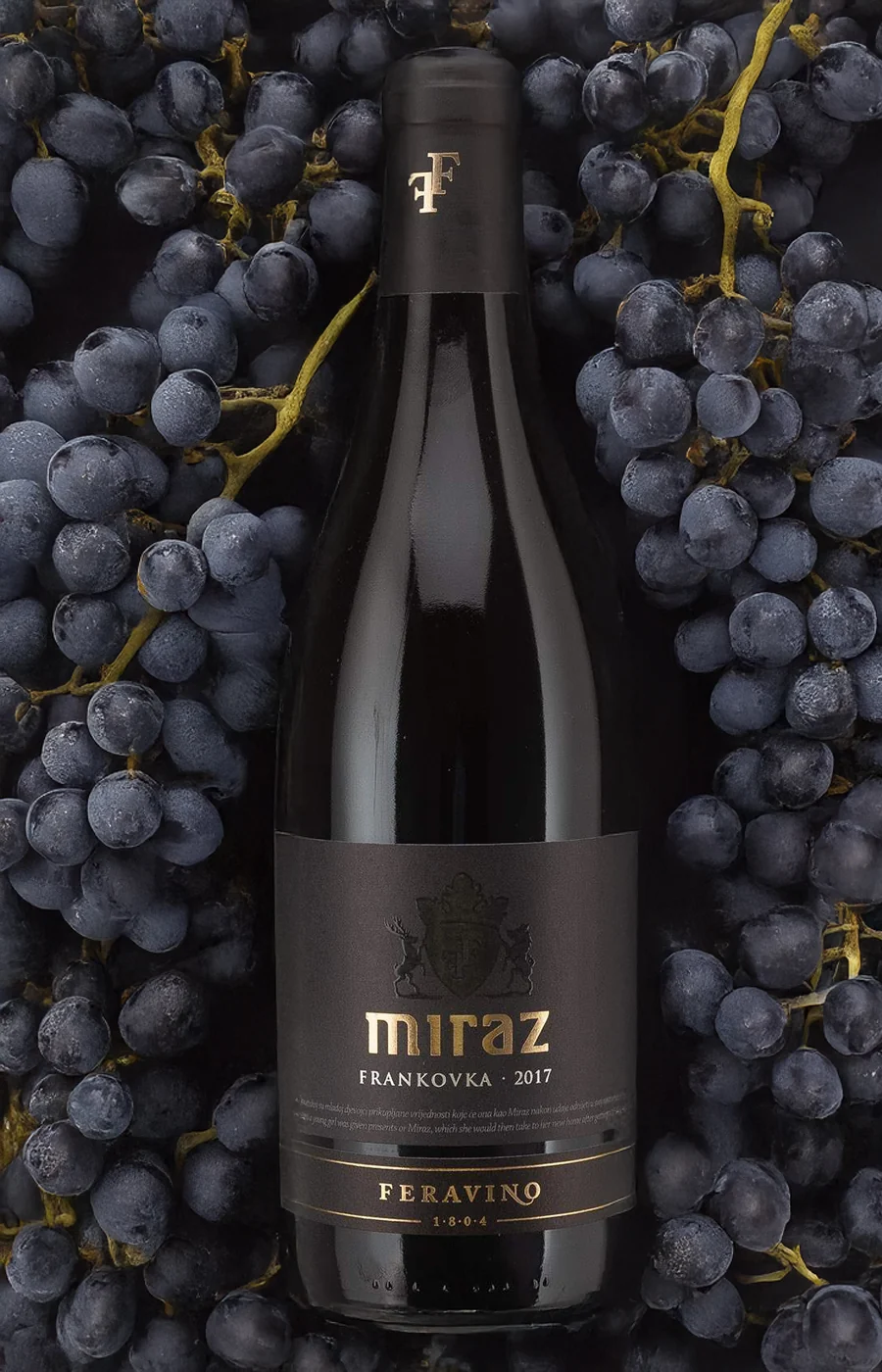
Feravino, today Enosophia, shows with its Miraz line the fuller, more opulent and more modern side of the variety. It is a style built on ripeness and concentration, but also proof that Croatian Frankovka can aspire to the category of serious continental red wines.
The domestic potential has not yet been fully exploited. Croatia has the tradition, the right sites and a growing number of winemakers ready to approach the variety more seriously. What is still missing is a stronger shared identity for Croatian Frankovka and a clearer definition of the styles that would make it recognisable beyond the local market.
Time for a different view of Frankovka
It is time to stop seeing Frankovka only as a local variety for simple everyday wines.
Schnaitmann’s Lämmler at our blind tasting was not an anomaly, but convincing proof of what this variety can achieve on the right site, with controlled yields and precise work in the cellar.
Frankovka may not have the global recognition of Cabernet Sauvignon or the cult status of Pinot Noir. It does not even have a single name under which the whole world could easily remember it. But precisely behind that fragmentation hides one of the most exciting wine stories of Central Europe.
The next time you automatically reach for familiar labels from Bordeaux or Burgundy, step off the beaten track. Look for a serious Blaufränkisch, Lemberger, Kékfrankos, Modra Frankinja or Frankovka.
You may discover that between the finesse of Pinot Noir and the structure of Cabernet Sauvignon there has long been a third way.
We just too often failed to notice it.
Frankovka does not ask us to forgive its past. It only asks that we taste it again without prejudice.