

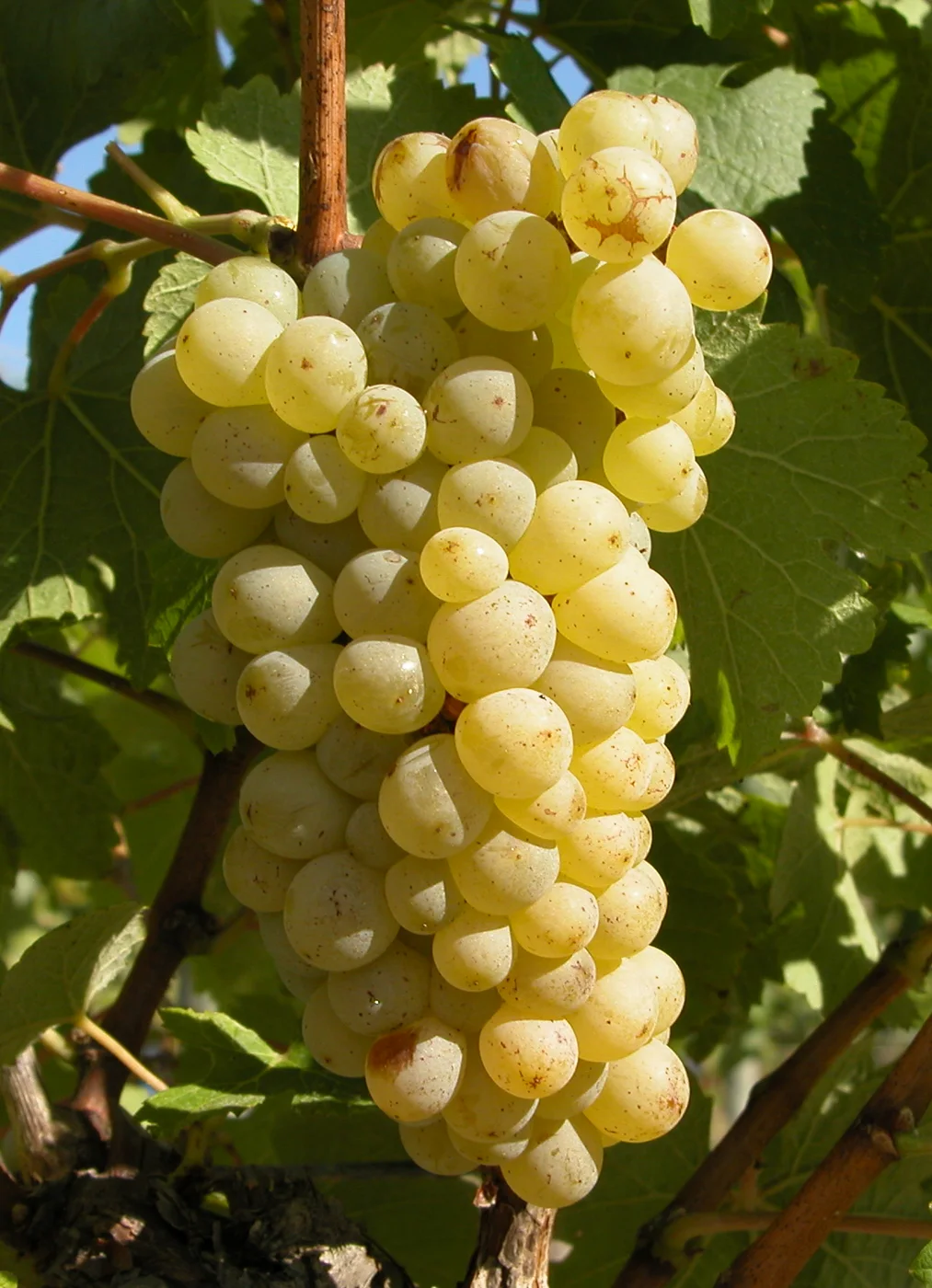
 Written by: Krešimir Kožić, Vinski klub
To love Chenin Blanc or not? The answer is, of course, subjective. Yet few varieties provoke such unanimous enthusiasm among wine professionals and, at the same time, such indifference among the wider public.
Objectively, however, this is one of the most versatile wine varieties in the world. It can give everything, from bone-dry sparkling wines to great sweet wines from selected harvests. It almost always retains high acidity and very often conveys, with precision, the character of the terroir it comes from.
It is no surprise, then, that among wine professionals it enjoys an almost cult status.
Some ten years ago I asked a group of wine professionals which variety was their guilty pleasure. The answer was Chenin Blanc. A few years later I put the same question to another group of experts. The answer was the same again.
Why?
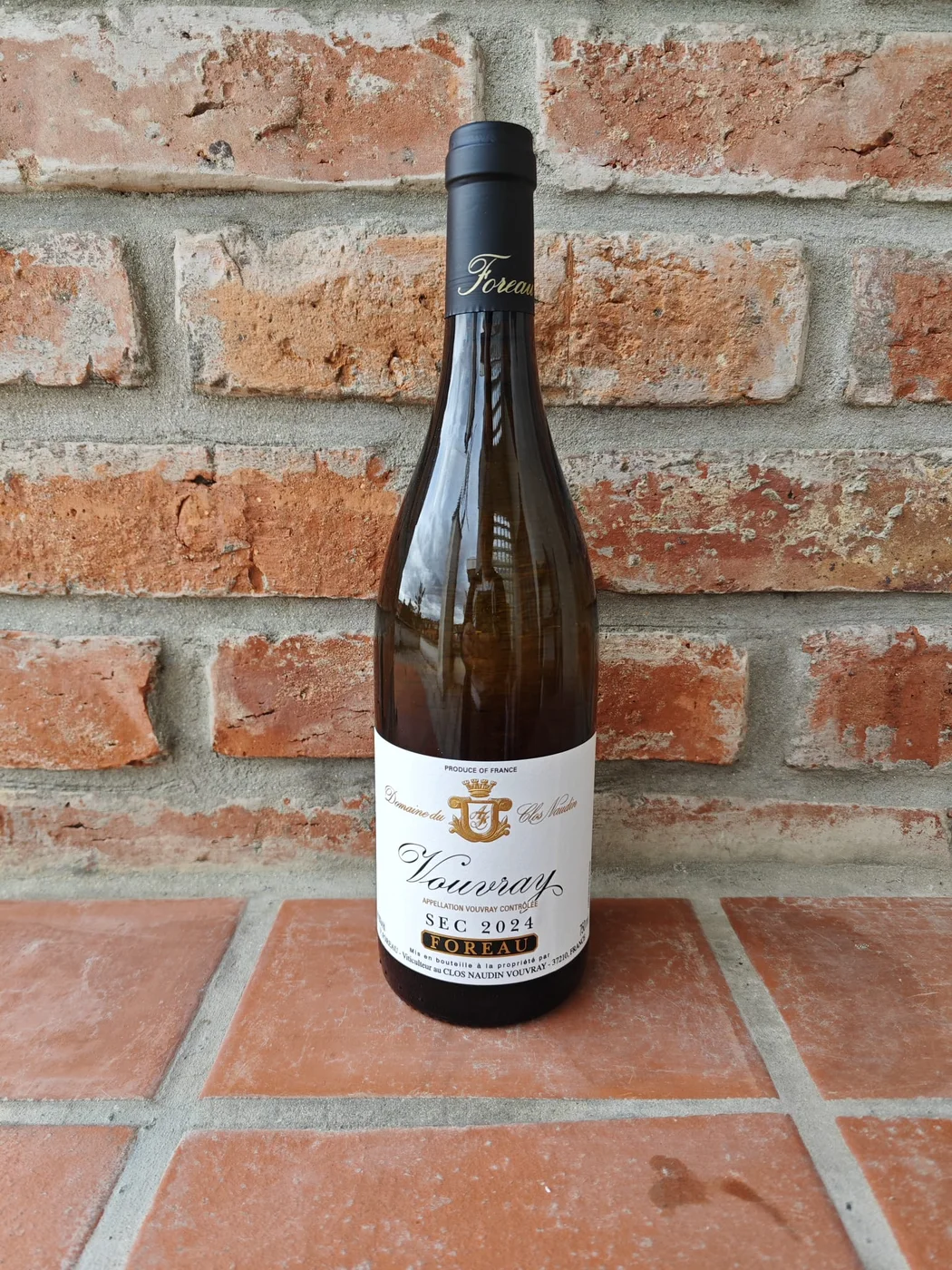
Some call it the king of food and wine pairing. Others point to its exceptional ratio of price and quality. Others still emphasise its ageing potential, particularly in appellations such as Savennières and Vouvray.
But when the conversation goes a step further, the enthusiasm often becomes more nuanced.
Some experts hold against it precisely what others adore: the absence of a single style. Chenin Blanc can be almost anything. On top of that, its high acidity is not always an ally of relaxed enjoyment in a glass of wine.
Which brings us to the key question.
If it has so many qualities and so many advocates among experts, why has it never achieved the global success attained by Sauvignon Blanc, Chardonnay or Pinot Grigio?
One of the reasons could lie precisely in its complexity.
The average wine lover generally seeks recognisability. With Sauvignon we expect citrus and herbal notes. With Pinot Grigio we expect a light and drinkable wine. Chenin Blanc offers no such certainty. Even when it comes from different regions, it often shows aromas that many consider unusual: baked apple, banana, wax, honey or notes reminiscent of chestnut honey.
In other words, it is not always a wine that appeals at the first sip.
Will that change?
Probably not.
My assessment is that Chenin Blanc will remain a favourite of the wine profession rather than a global market hit. The paradox is that the very qualities for which professionals adore it are the same ones that prevent it from becoming a commercial success.
High acidity. An unconventional aromatic profile. Great stylistic diversity. Its appeal among natural wine producers. A resistance to uniformity. All of that delights connoisseurs, but rarely wins over the mass market.
There is also a psychological dimension.
Is it possible that part of the love for Chenin Blanc stems precisely from the fact that not everyone loves it?
It sounds paradoxical, but its limited popularity could be one of the reasons for its reputation.
The wine world, like many other circles of interest, likes things that signal belonging to a particular group. To order Savennières instead of Sancerre, or Vouvray Sec instead of Riesling, is sometimes not only a matter of taste. It can also be a message about one’s own wine knowledge.
There is nothing wrong with that. But it is worth noticing.
And here we come to an anecdote I have always found telling.
At the beginning I mentioned how much wine professionals praise Chenin Blanc. That is precisely why the answers to another question intrigued me so much. When you ask them how many bottles of great Chenin they have in their own cellars, the answers are often surprising. One or two. Sometimes none.
What does that tell us?
Perhaps it tells us that Chenin Blanc is a wine experts adore recommending, but not always the wine they most often buy for themselves.
Of course, this is not a criticism of Chenin Blanc as a variety. Quite the opposite.
Perhaps the point is that the wine world has turned it into a kind of intellectual wine. A wine that is sometimes more interesting to talk about than to drink.
And it would be a shame if that were so.
Because a well-made Chenin Blanc can offer an extraordinary experience. It is a superb partner at the table, it ages beautifully and it offers a range of styles few varieties can match. It can be sharp and precise like a laser beam, as with Domaine Thibaut Boudignon, but also opulent, layered and deep, as with Domaine Huet, one of the best-known producers of Vouvray.
Personally, I would recommend producers who sit somewhere in the middle of that stylistic spectrum.
France:
- Arnaud Lambert
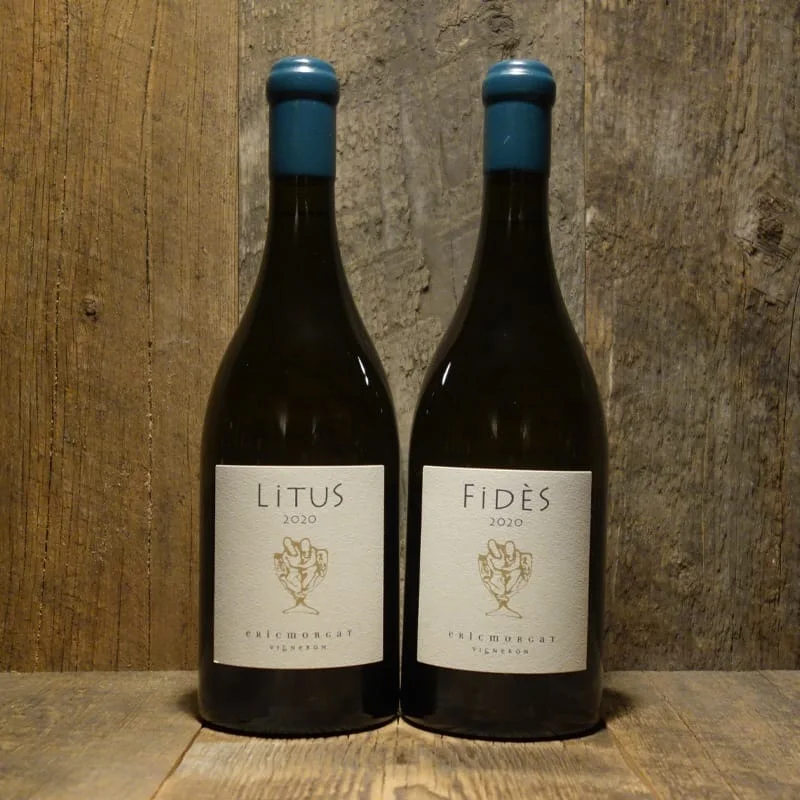
- Eric Morgat
- Domaine du Clos Naudin
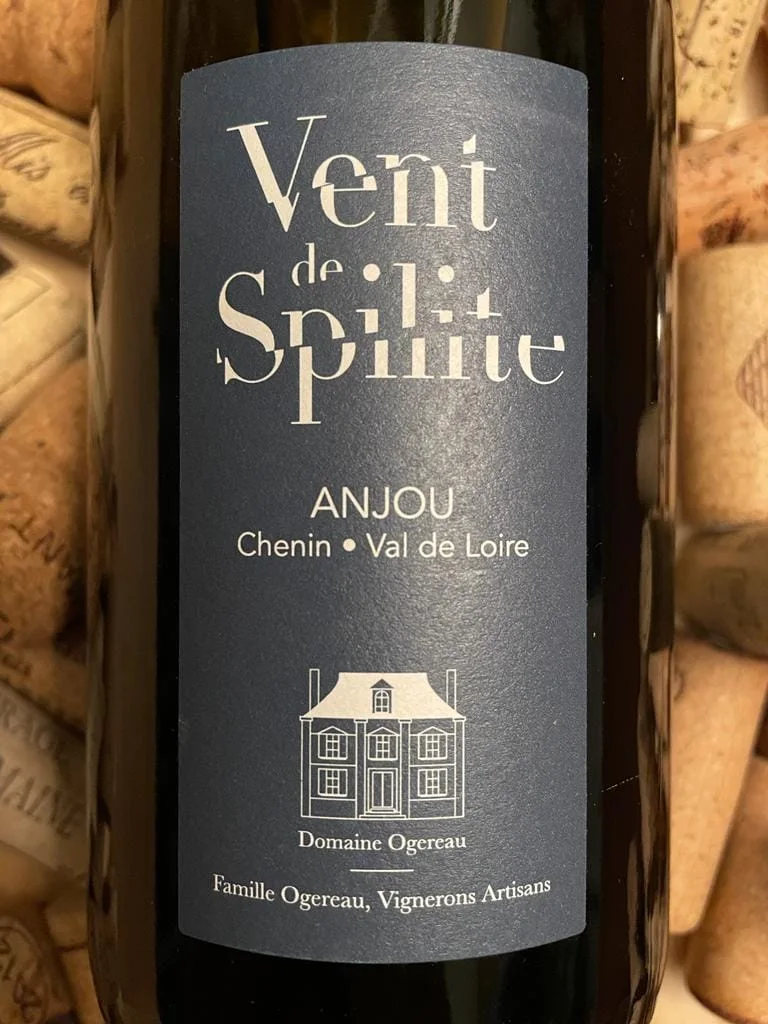
- Domaine Ogereau
South Africa:
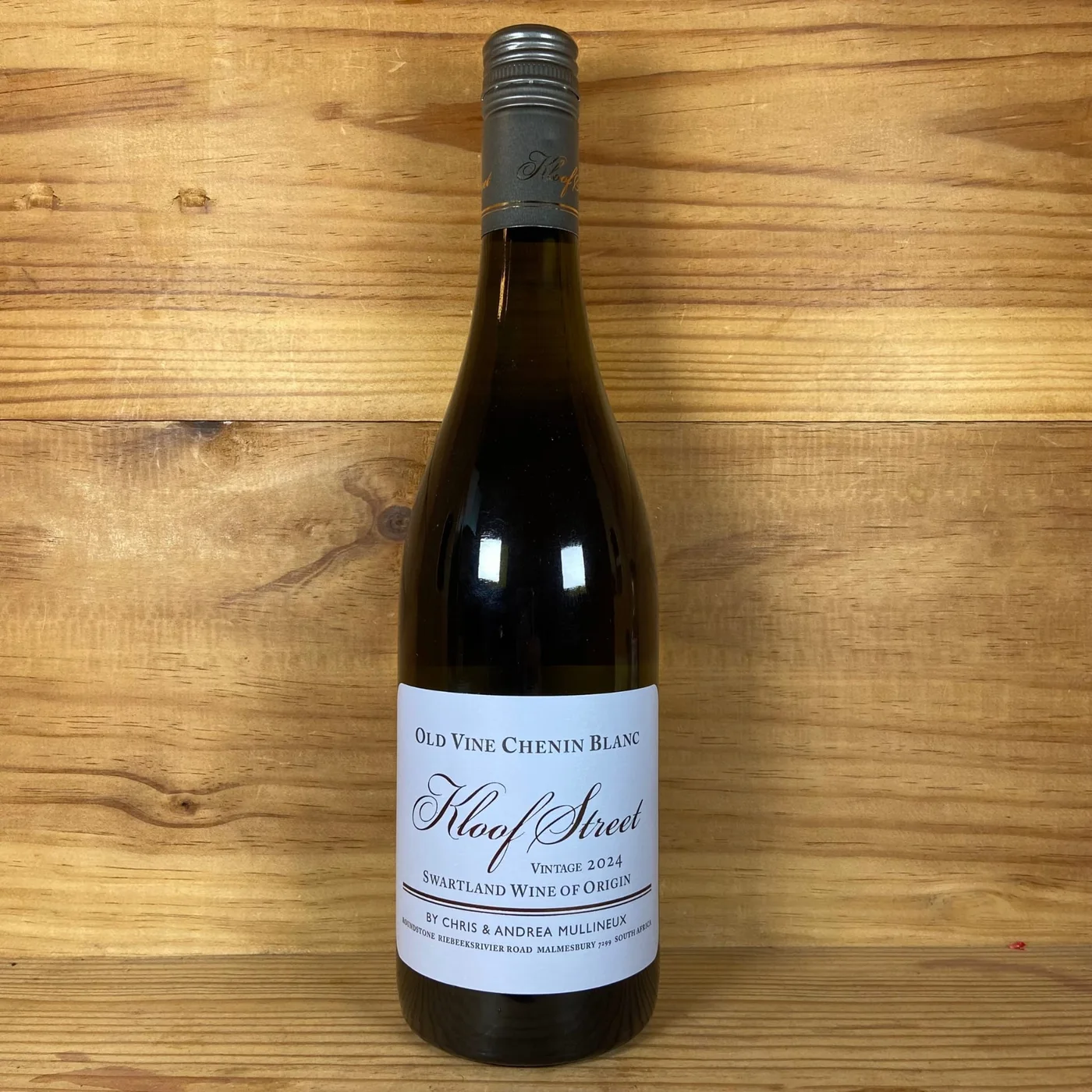
- Mullineux & Leeu Family Wines
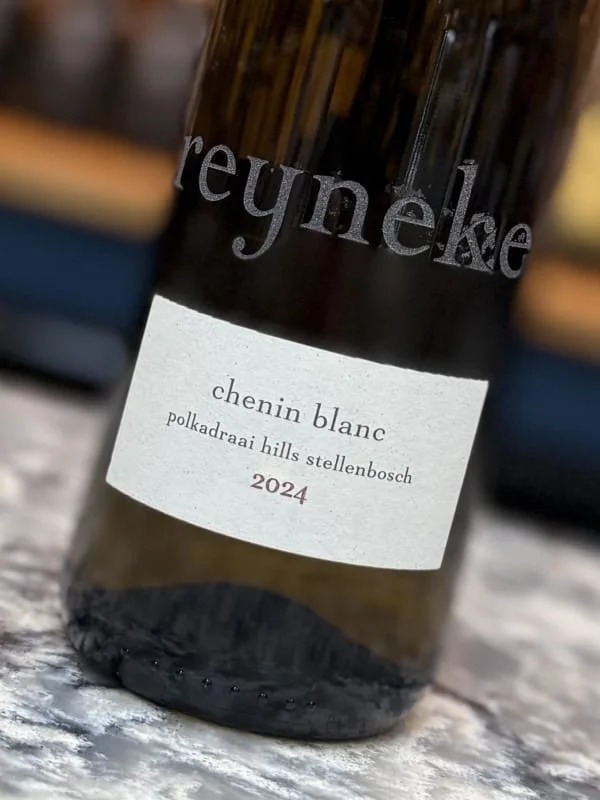
- Reyneke
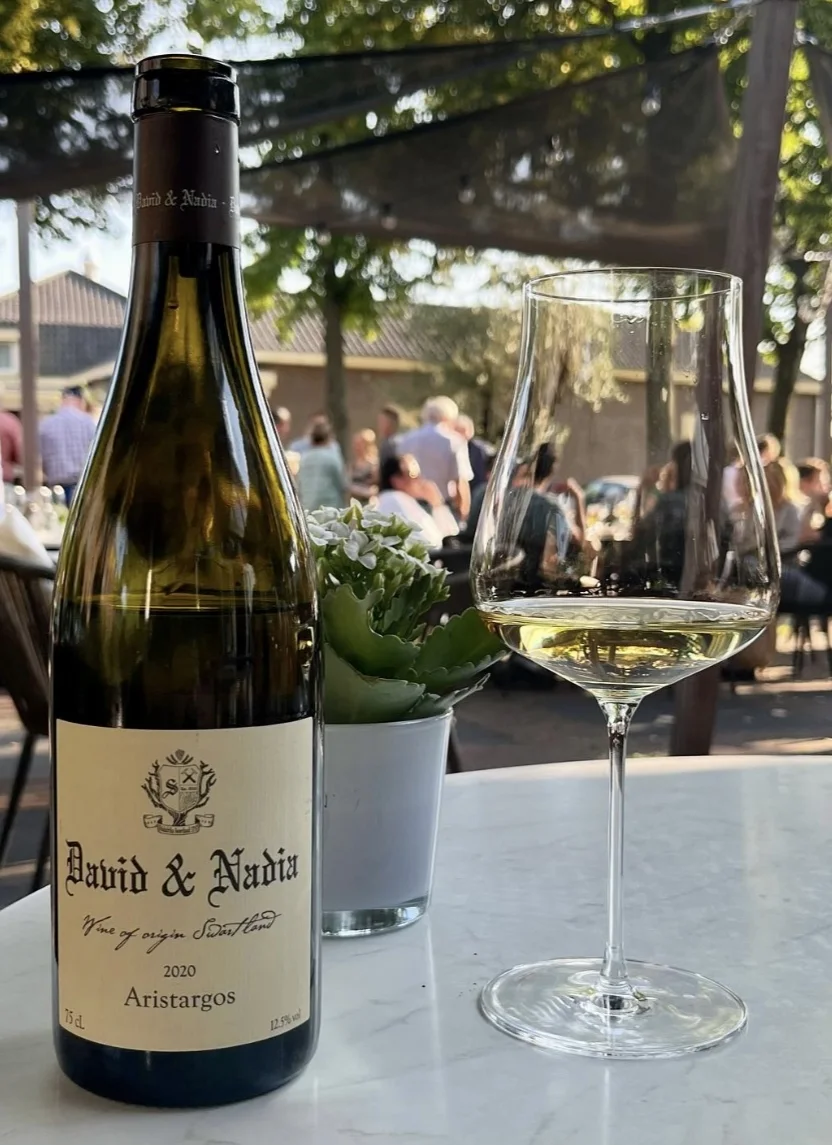
- David & Nadia
Excellent examples of Chenin Blanc can today also be found in the state of Washington, in Argentina and in Australia.
In the end, the intention of this text was not to diminish the value of Chenin Blanc, but to question its almost mythical status in wine circles.
Chenin Blanc is unquestionably a great wine. The only question is how much of its mythical status has been built in the glass, and how much in the conversations held about it.
And the answer will not be found in wine debates, but in our own glass.
Because good wines were not created for wine professionals alone.