

 Written by: Krešimir Kožić, Vinski klub
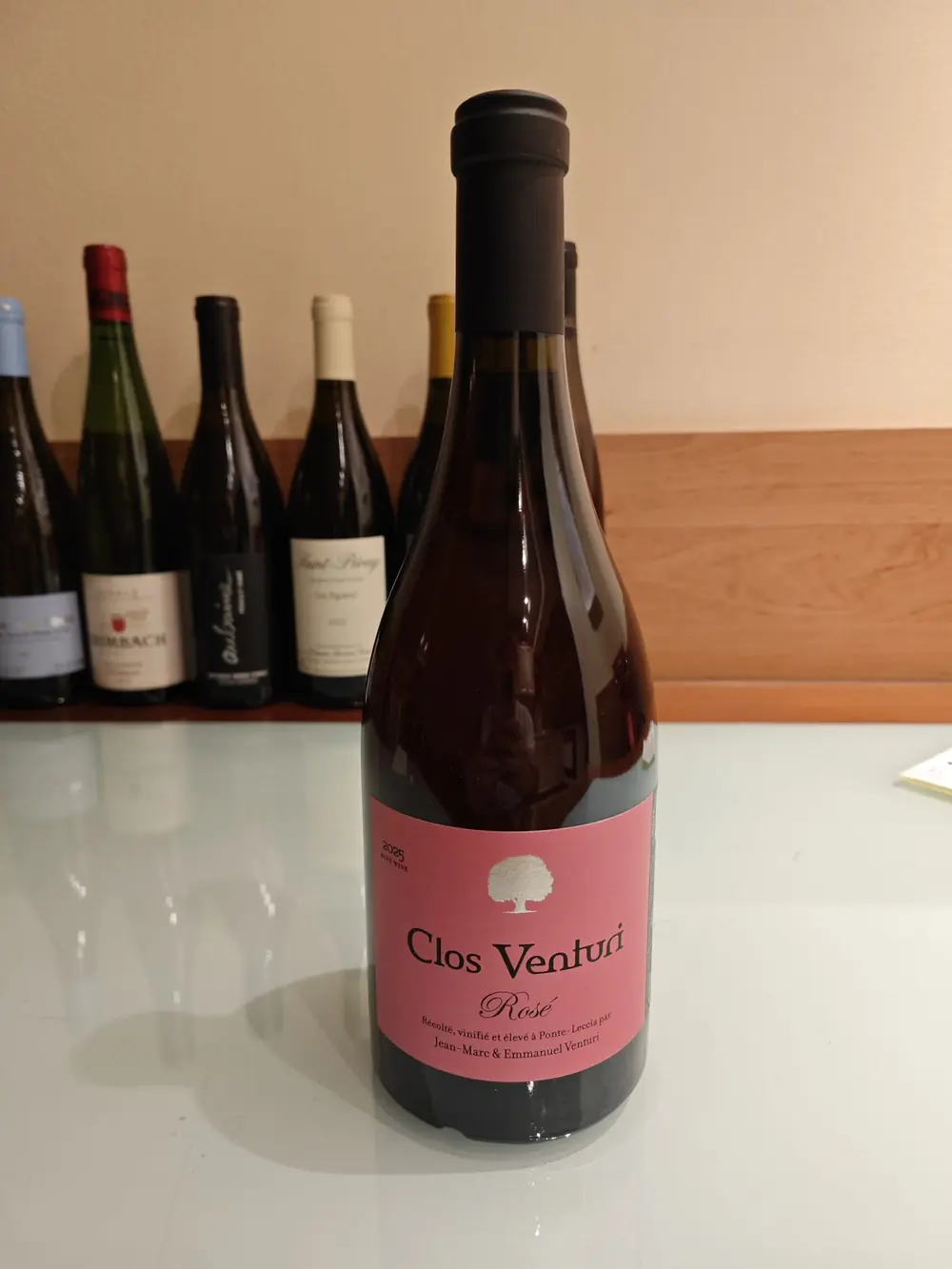
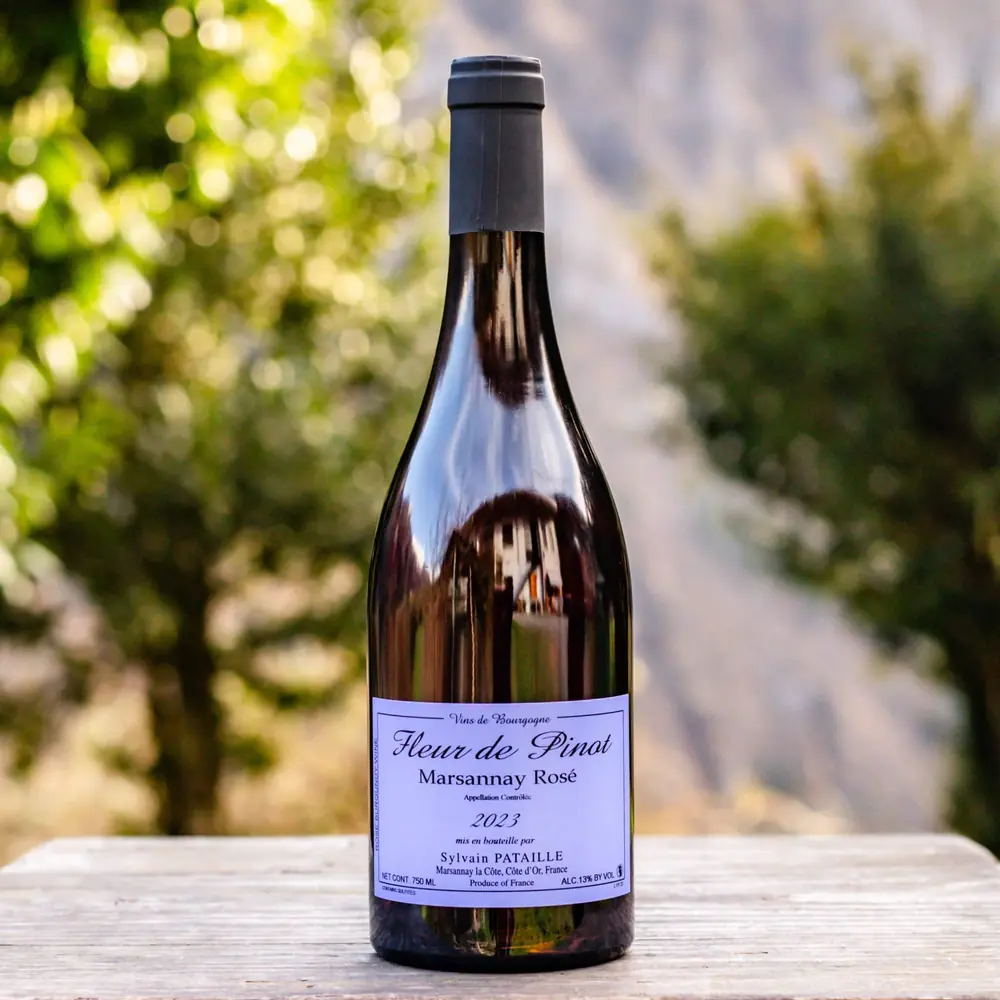
Rosé is a wine that rarely leaves anyone indifferent. Some consider it a banal summer refresher, while others adore it. For a long time I was somewhere in between myself — until a handful of great wines convinced me that rosé can be much more than a seasonal wine for the terrace.
Two different tastings persuaded me that rosé can also be a serious wine.
The first such moment was a tasting of several rosé styles just before the COVID-19 pandemic, which convinced me that rosé in certain styles, such as Tavel, can be exceptional.
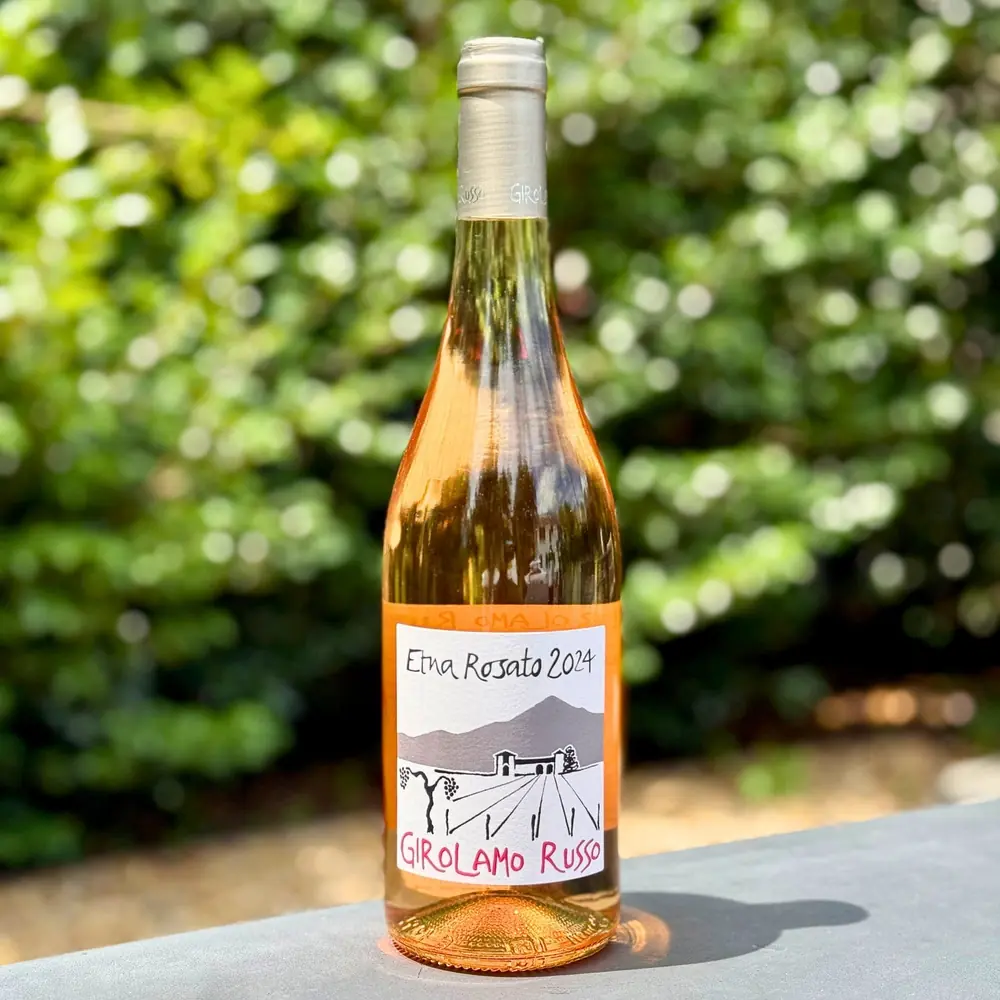
The second experience came considerably later. A few months ago, at a dinner of our wine circle, an Etna Rosato left a powerful impression. My highly esteemed colleague even concluded that it was one of the finest rosés he had ever tasted.
The greatest misconception about rosé is that it represents a compromise between white and red wine. The best examples in the world show precisely the opposite — it is a distinct category of wine with its own styles, traditions and great gastronomic potential.
Over the past few decades rosé has gained meteoric popularity worldwide, primarily in the dry, refreshing style. In this article we will mostly discuss rosé as a still wine and will not touch on sparkling rosés.
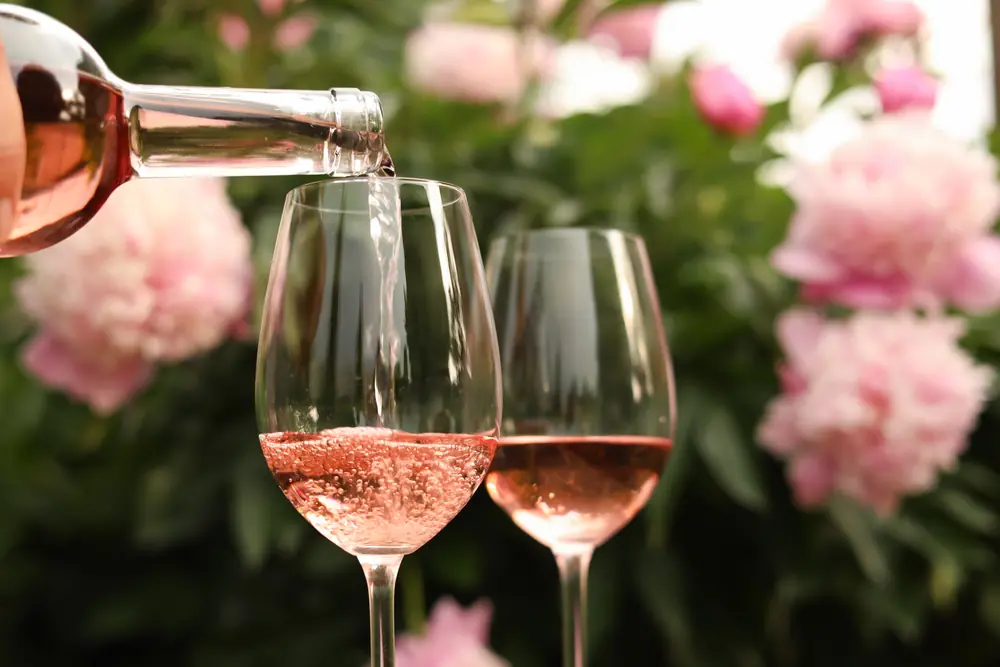
There are three ways to produce rosé:
- Short maceration – the grapes ferment on the skins for a relatively short time to extract colour and texture. This process lasts from a few hours to a few days, depending on the effect the winemaker wants to achieve.
- Saignée – French for ‘to bleed’; it is essentially the drawing off of the ‘lighter’ portion of the must during red-wine production, from which the rosé is then made.
- Blending red and white wine – this method is not permitted under Croatian regulations, but exists in many countries. Rioja Rosado, for example, is quite often a blend of Tempranillo and Viura in Spain.
Where is the finest rosé produced?
France, Spain and Italy are generally considered the best countries for rosé production, although you will find excellent wines elsewhere too.
The French regions that produce rosé are Provence, Bandol, Tavel, Sancerre and Languedoc-Roussillon.
Provence is the world’s most famous rosé region. The wines are most often pale salmon in colour, with pronounced berry notes, high but pleasant acidity and exceptional drinkability. They usually age in stainless steel. The main varieties are Grenache, Cinsault, Syrah and Mourvèdre.
The Bandol region gives a fuller, more rounded style, deeper in colour and with somewhat higher alcohol. This is a gastronomic rosé that can last several years. The main variety is Mourvèdre.
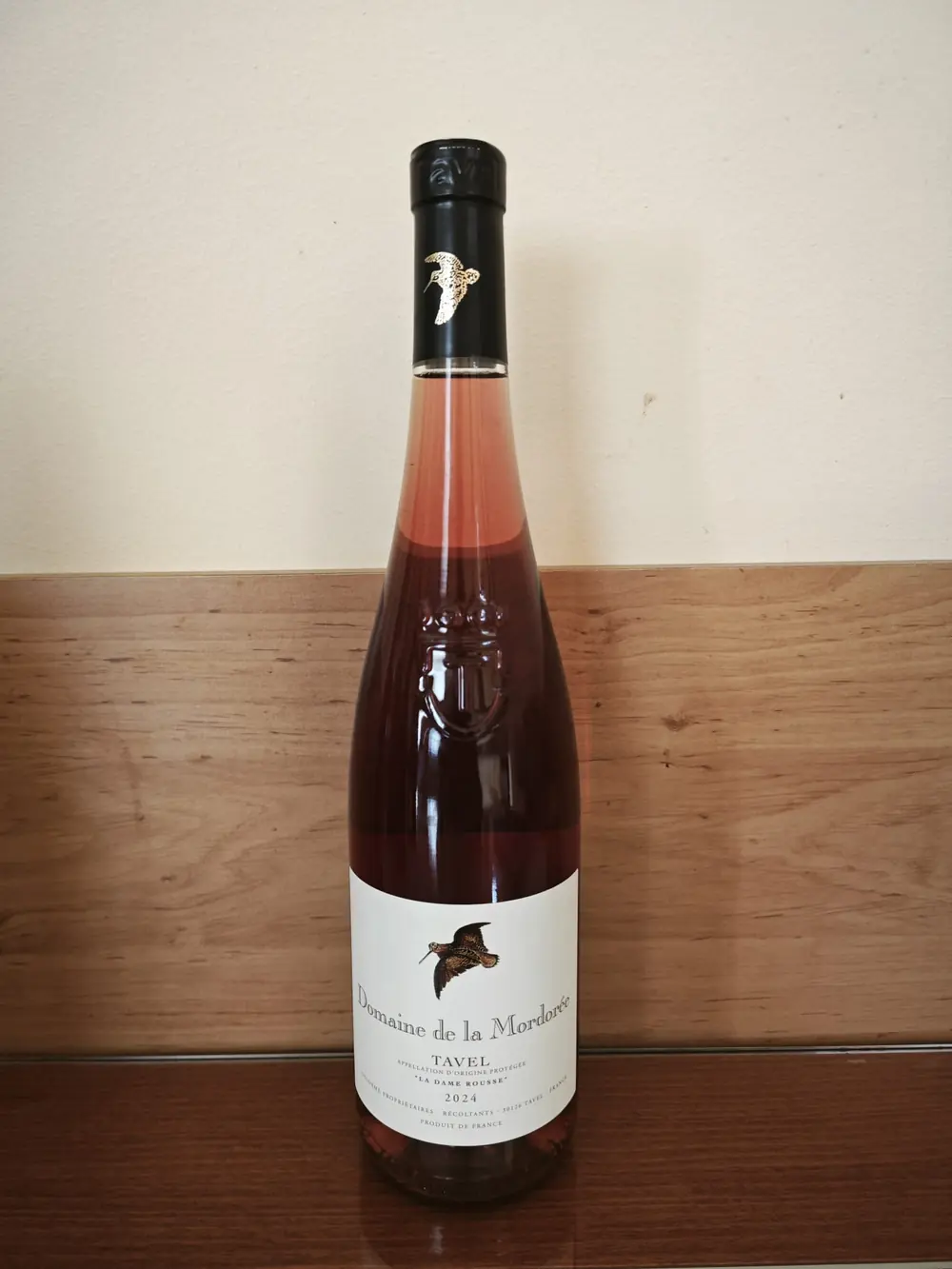
Tavel, from the southern Rhône, means an even fuller, more colour-rich style with high alcohol. The main varieties are the same as in Provence.
Sancerre, from the Loire, is mostly a medium-bodied rosé, lighter in colour. It is always dry and food-friendly. The only variety is Pinot Noir.
Rosés from Languedoc-Roussillon sit stylistically between the lighter Provençal wines and the fuller Bandol wines. The grape selection is also very similar, but the wines are as a rule noticeably more affordable.
The most important Spanish regions for rosé are Navarra and Rioja.
Navarra Rosado is produced mainly by the Saignée method. Stylistically it ranges from light, everyday wines to fuller examples of more intense colour. The main varieties are Tempranillo and Grenache, with the addition of Cabernet Sauvignon and Merlot.
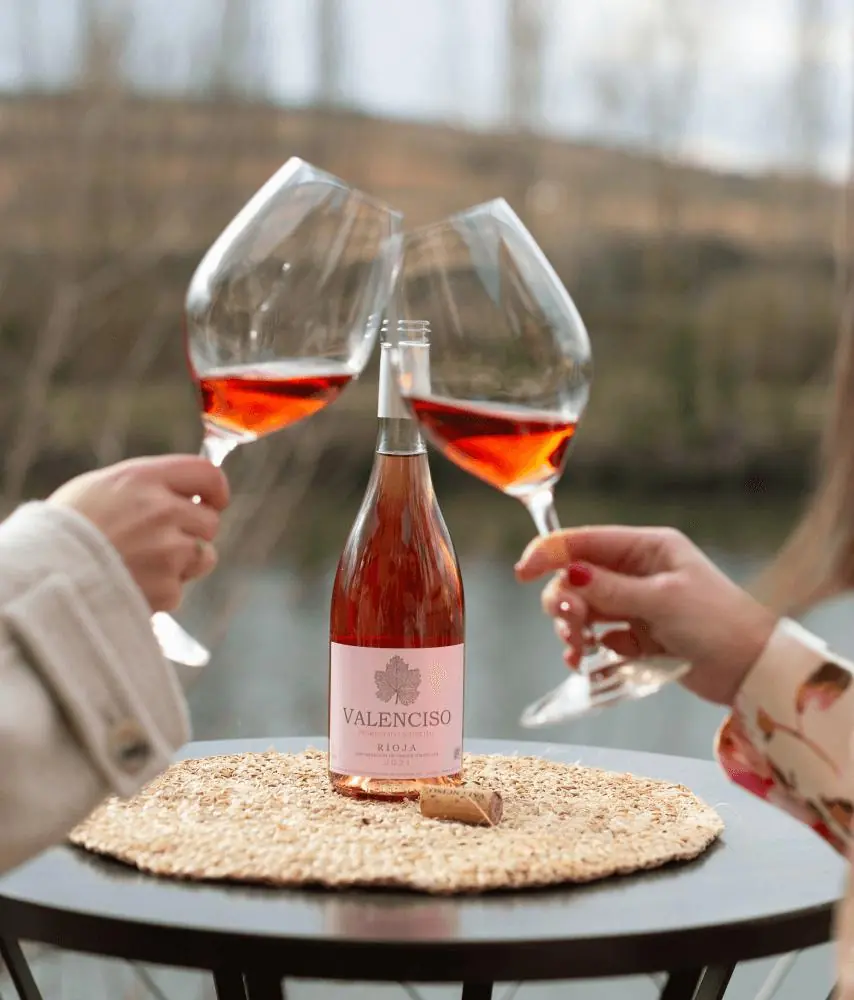
Rioja Rosado also uses the Saignée method as its most common route. The main varieties are Tempranillo, Grenache and the white variety Viura. As a particular feature, the separate Reserva category is worth noting, in which the wines age additionally in wooden barrels.
The main Italian regions for rosé are Friuli (Ramato), Cerasuolo d’Abruzzo, Puglia and Sicily.
Ramato is essentially a macerated Pinot Grigio. Its colour sits between orange and pink hues, and stylistically it can vary considerably — from light everyday wines to exceptionally firm, structured ones.
Cerasuolo d’Abruzzo is in fact vinified as a light red wine. On the palate it is one of the fullest rosés and carries most of the aromas of a true red. The variety is Montepulciano.
In Puglia the best rosés come from Negroamaro, while in Sicily the finest arrive as Etna Rosato from Nerello Mascalese, along with rosés from Nero d’Avola.
What is rosé like here in Croatia?
Very varied in style. We always recommend rosé from our indigenous varieties such as Teran, Plavina and Plavac Mali.
Croatian rosés are generally fruitier and more intensely coloured than their Provençal models. Particularly good results come from Teran in Istria and from Plavina and Plavac Mali in Dalmatia, with styles ranging from light summer wines to more serious gastronomic interpretations.
About a decade ago we witnessed a significant rise in the popularity of rosé in Croatia, but over the past year or two interest on the domestic market seems to be waning. By contrast, in most important markets rosé still retains very high popularity.
Today rosé encompasses an impressive range of styles – from light, refreshing wines for summer gatherings to serious gastronomic labels that can worthily accompany complex dishes. That is precisely why it would be a mistake to view it as a passing trend or simply a beach wine.
If you are among the sceptics, give it another chance. Perhaps in a Tavel, a Bandol or an Etna Rosato you will discover a wine that changes your mind about rosé.