

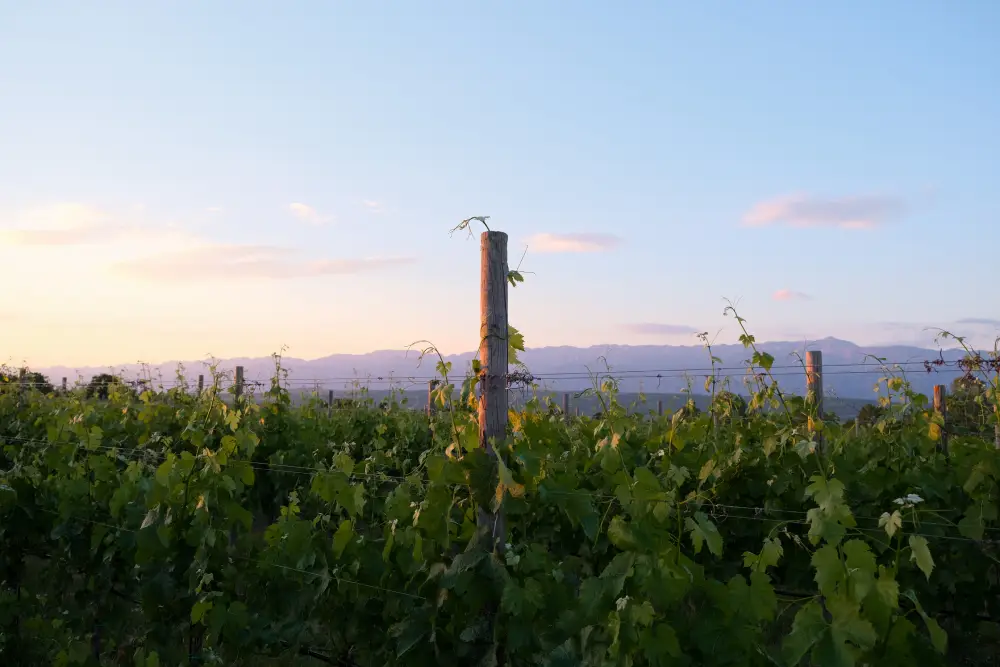
In Podgradina, beneath the Velebit massif that is regarded here with awe, on the ground where Ravni Kotari meets the Novigrad Sea, the authentic, terroir-driven wines of the Bora winery are born. It is precisely the bora — as the locals call the fierce north-easterly wind — that shapes the landscape, influences daily life, sets the “rules” in the vineyard and leaves its signature on every harvest. The name Bora was not chosen for its ring, but as a reminder of where the wine comes from and what character it carries.
Behind the winery stands the Žuža family, who did not set out to make wine seeking a livelihood, quick profit, or because it has become fashionable, but out of pure love for wine and their home region. A successful business outside the wine sector gave them access to winemaking without any compromise, holding to the conviction that great wines are made not in the cellar but in the vineyard — that in the cellar one must only preserve what nature has given, and that what is missed in the vineyard cannot be made up for.
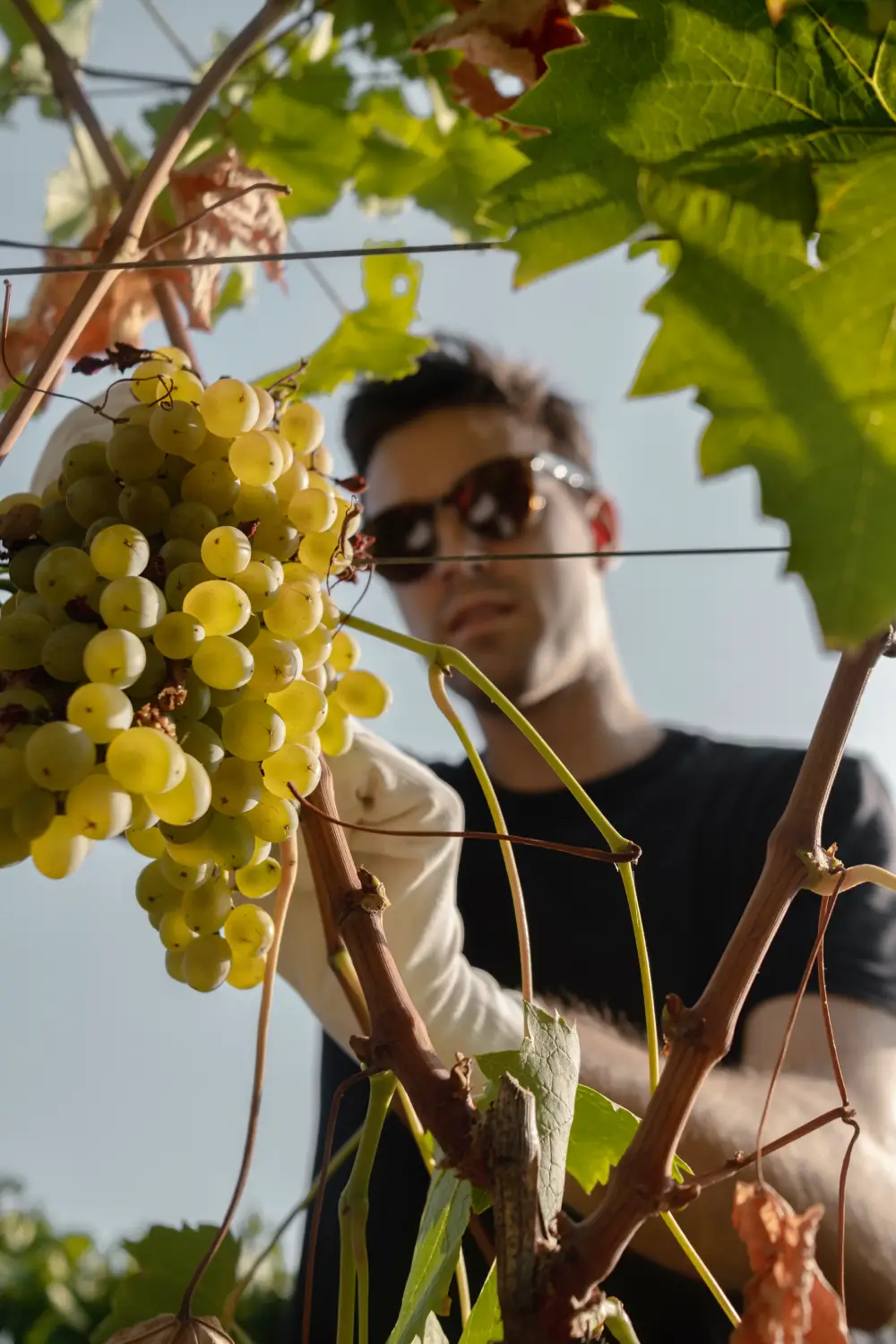
Northern Dalmatia has in recent years experienced a kind of wine renaissance. Lovers of Dalmatian wine once most often travelled towards Pelješac and the islands, while the Zadar hinterland remained off the main wine routes. Today that picture is changing, and the Bora winery is becoming one of the leading protagonists and a driver of the rise of the Zadar wine district, which is slowly but surely building a reputation as a premium wine destination.
All the wines carry a firm imprint of terroir and are a faithful reflection of the climatic and soil conditions in the vineyard. Cooler summer nights, airy vineyards with frequent wind and plenty of sun are ideal conditions for producing powerful wines of typical Mediterranean ripeness that nonetheless exude elegance. It is precisely this synergy of power and elegance — the balance of alcohol, extract and pronounced mineral acidity, and the overall harmony — that defines the wines and makes them special.
It is worth emphasising that the owners devote great attention to varieties neglected for decades, such as Plavina, Maraština and especially Svrdlovina, for whose revival the Žuža family deserves the greatest credit. Room was also found here for what is probably the northernmost Pošip, yet Bora has not closed the door on international varieties either — with them they have shown how the same terroir can speak in different wine languages.
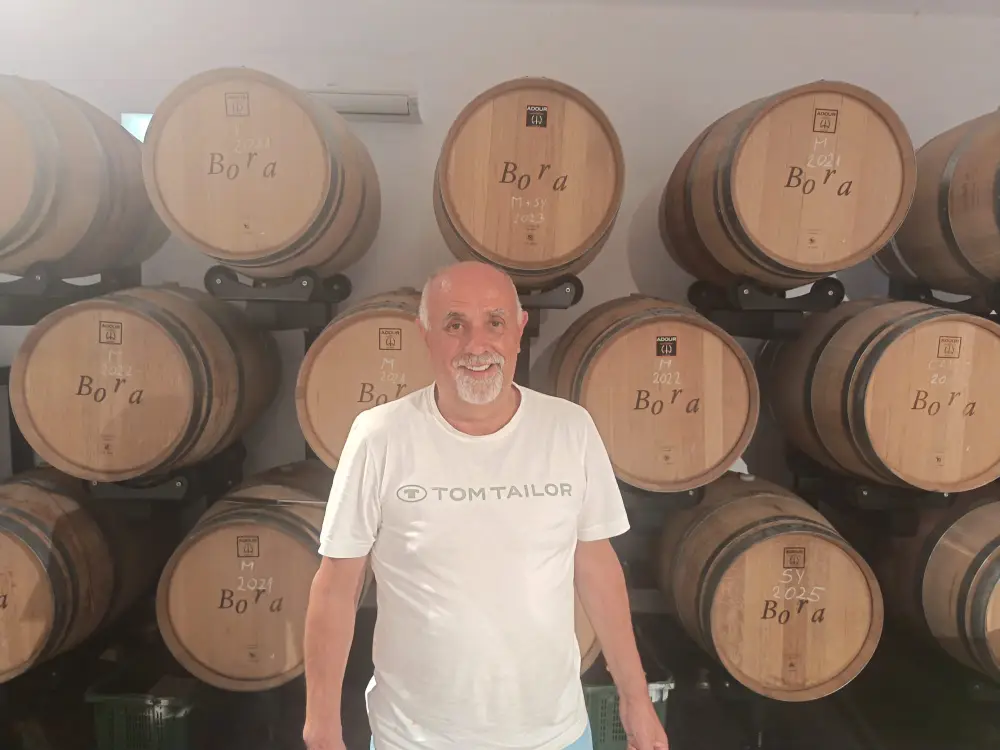
I particularly want to highlight an excellent white Sauvignon of a kind very rarely found on the southern side of Velebit; also planted are Cabernet Sauvignon, Merlot, Syrah and Grenache. Behind all the wines, alongside the Žuža family, stands their long-time oenologist, who from vintage to vintage confirms her talent and refined sense for the finesse that makes the difference. They approach the wines with respect, taking care to bring out the terroir specifics and the character of each variety to the full, guiding it carefully with minimal intervention.
Over the excellent seafood specialities prepared by our hosts Zdravko and Nada Žuža, it soon became clear that wine here is part of everyday life and a reason for family and friends to gather. Perhaps that is exactly why get-togethers at Bora have no rigid form or rehearsed presentation formalities; instead, the stories that arise spontaneously over a glass of wine prevail.
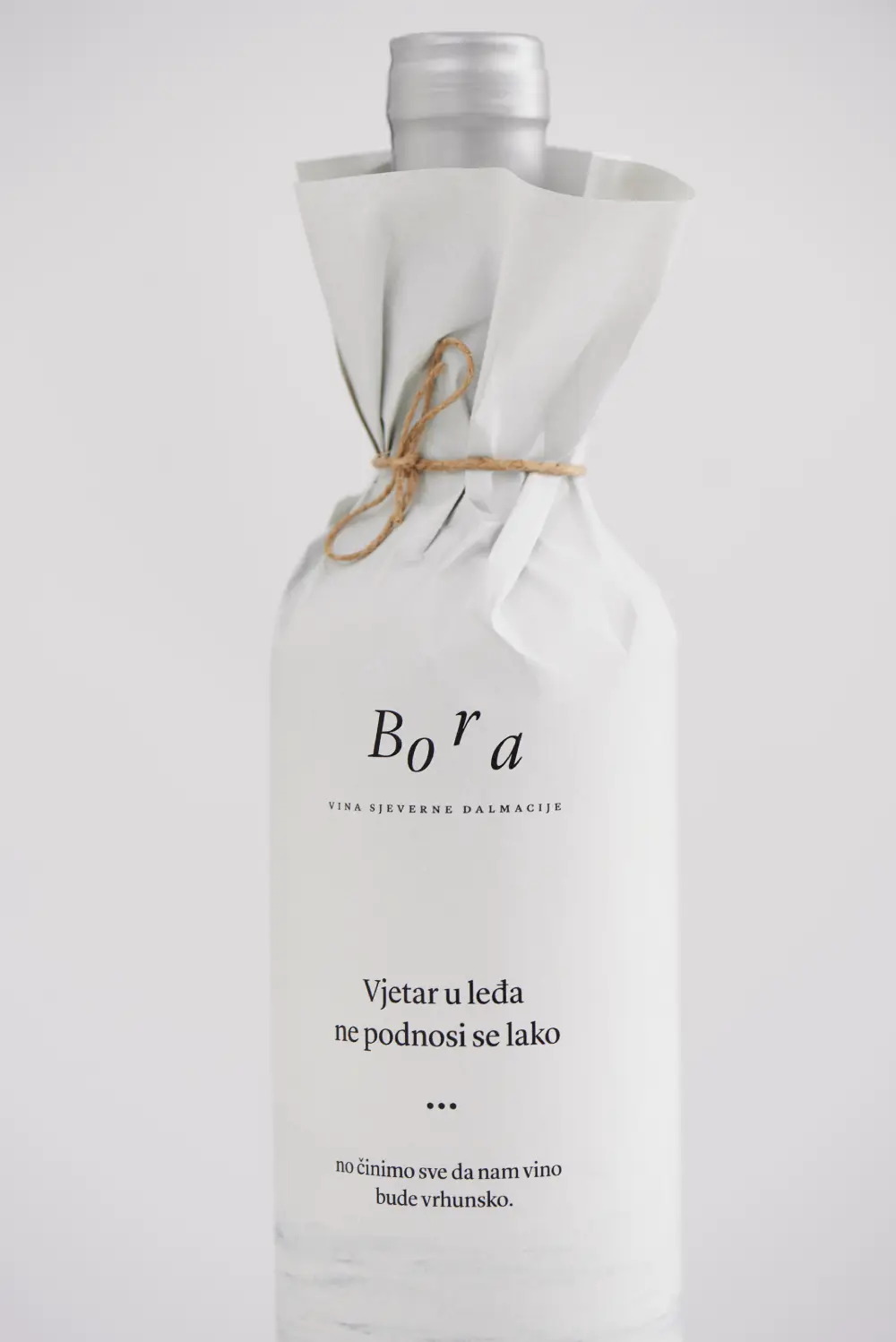
Numerous international and domestic awards consistently confirm the quality that our wine public has recognised too, so Bora’s wines are becoming ever more esteemed and sought after on our market.
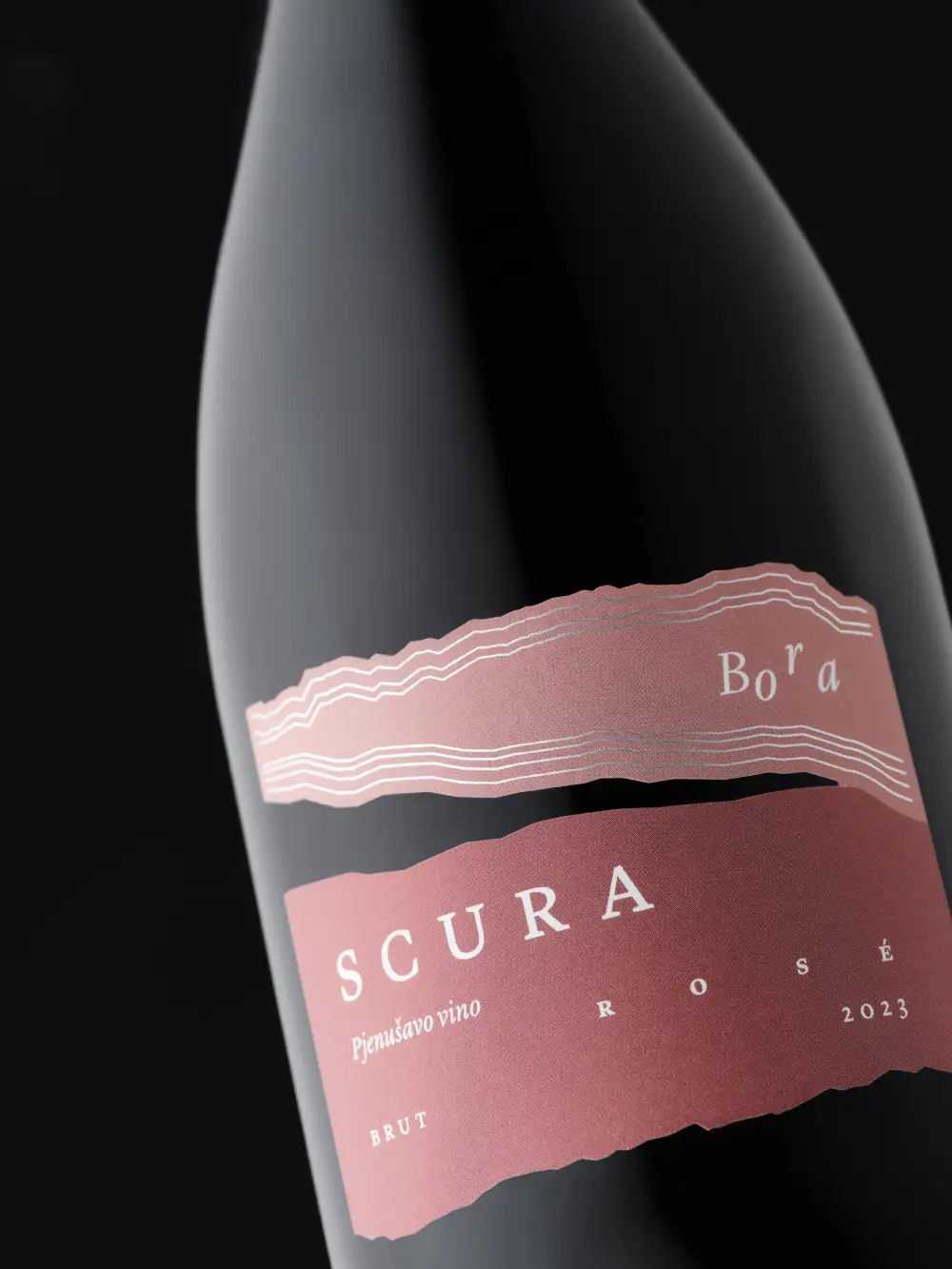
We began the gathering, as befits the occasion, with the sparkling wine Scura, made by the classic method in a blanc de noirs version from Plavina, Syrah and Grenache. It rested two years on the lees and is defined by fine aromas of white fruit and discreet bready notes. Medium-bodied and highly fresh, it works as an aperitif but also as a fine companion to many dishes — raw fish, shellfish, small crustaceans and various mollusc salads. The impression is that time is working in its favour and that it will reach its peak in four to six months. It is remarkable that such a fresh, precise sparkling wine can be produced in Dalmatia, and I believe most esteemed sommelier colleagues would place it, in a blind tasting, in one of our northern wine districts — which is absolutely to the winery’s credit.
Next we tasted a new addition to the range, the cuvée Bianco in a blanc de noirs form of very interesting composition. Merlot, Grenache and Plavina are carefully blended, without any hint of tannin or astringency. Cuvée Bianco is a white wine of a kind Dalmatia lacks — of expressive yet unobtrusive aromatics, slender to medium-bodied and highly fresh. A little atypical, but very interesting. A good idea and an even better execution, showing in the best possible way how a quality white wine can be made from red grapes.

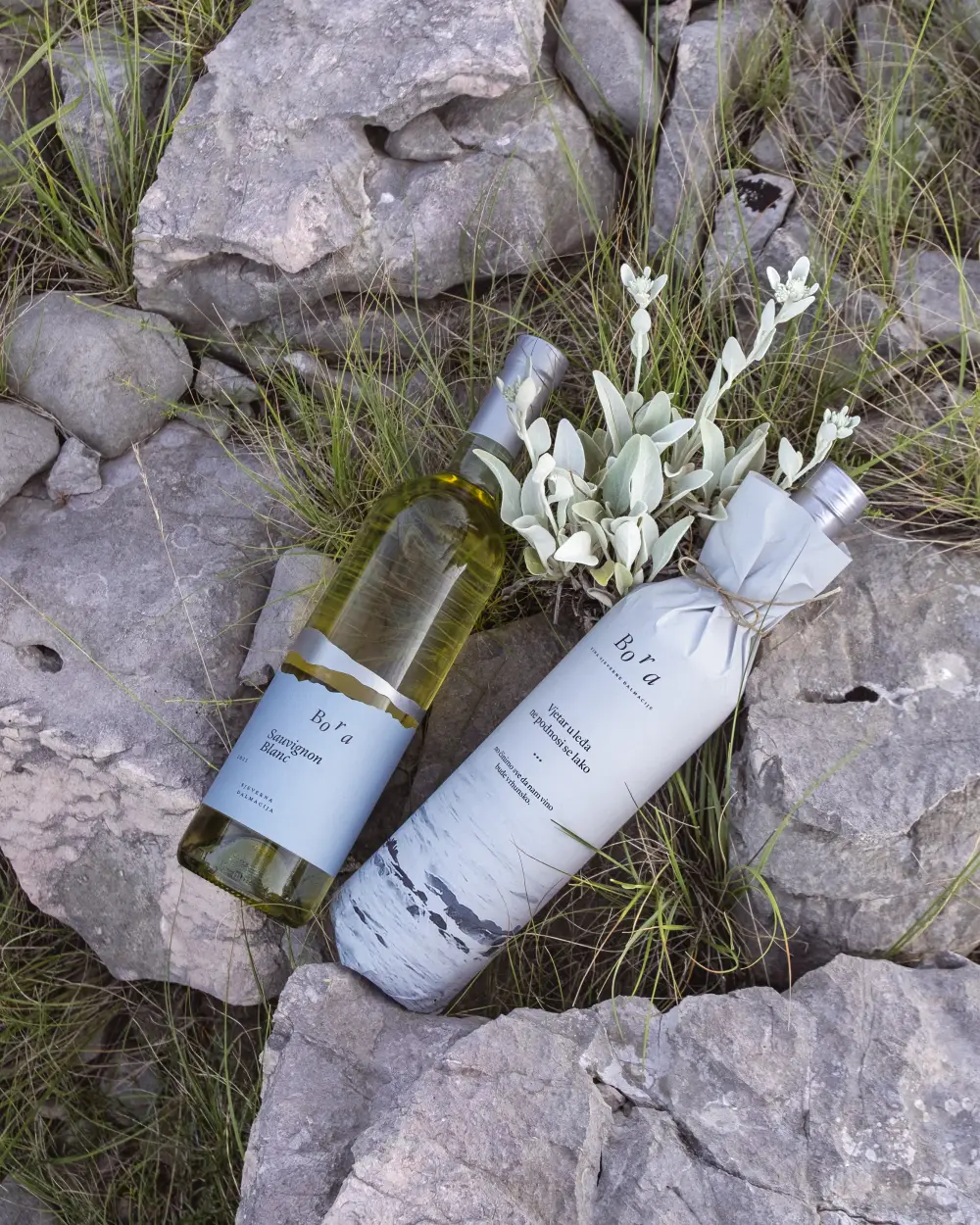
Sauvignon is a special story that shatters all prejudices, because it is truly a rarity that in Dalmatia this great variety can give such an expressive wine — of high energy, pronounced varietal aromas and exceptional mineral freshness. Its broad aromatic spectrum is defined by floral-spicy tones, framed by a touch of pyrazine just as a reminder of the varietal typicity of cooler districts. The grapes were picked fully ripe and healthy at the moment when the sugar-to-acid ratio was ideal, and the result is 13% of superbly integrated alcohol that lends the wine strength and seriousness, high extract that gives depth, and vibrant acidity that brings a juicy, mouth-watering freshness which calls for the next sip.
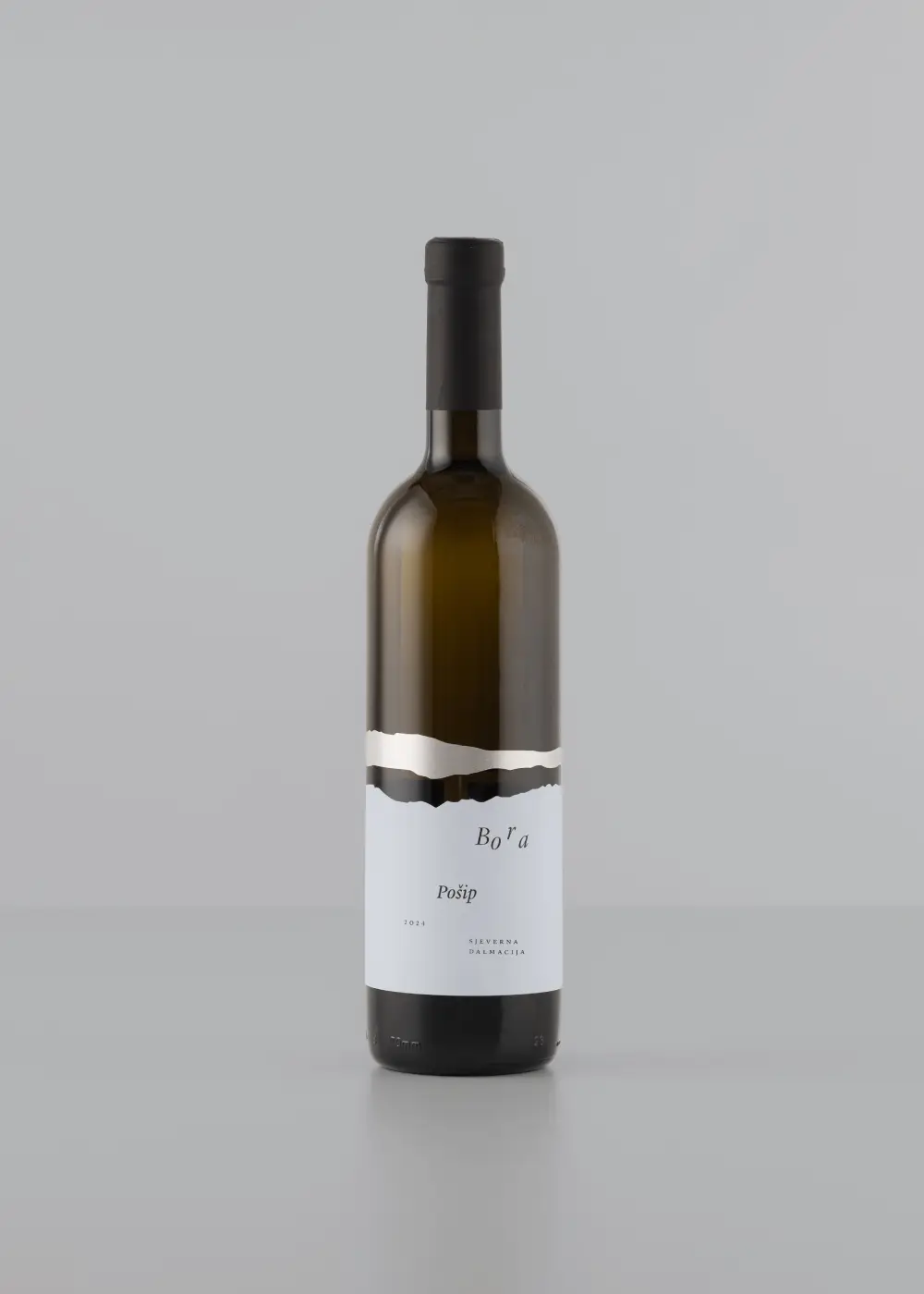
Pošip is probably the northernmost serious wine from our great Korčula variety, in which one notices at first taste that it is “planted” differently. The wine has pronounced varietal character and serious structure, but a particularly marked elegance and freshness to which we are not accustomed in the original, southern Pošips. It certainly ranks among the best recent wines from this variety, distinguished by complete harmony, perfect balance across its breadth and a depth that reflects energy and character. Expressive, homogeneous, delicious and juicy. Long and memorable on the palate. A great wine for great moments.
We finished with Svrdlovina, which enjoys special treatment at the winery. A variety many wine lovers have never heard of, yet exceptionally special, singular and exciting. At a time when the wine world is turning increasingly towards preserving indigenous cultivars, varieties like this become a precious reminder of how diverse Croatian wine heritage is and what treasures it still conceals. The Žuža family therefore deserves praise for recognising Svrdlovina’s potential and investing great effort to revitalise the variety and position it where it belongs. Because of its low yields it was in the past pushed aside by Plavina, which is far more generous and economically more important; but today, with growing pressure on quality, high-extract, high-sugar and high-acid varieties are sought once again — and these are the very hallmarks of Svrdlovina.
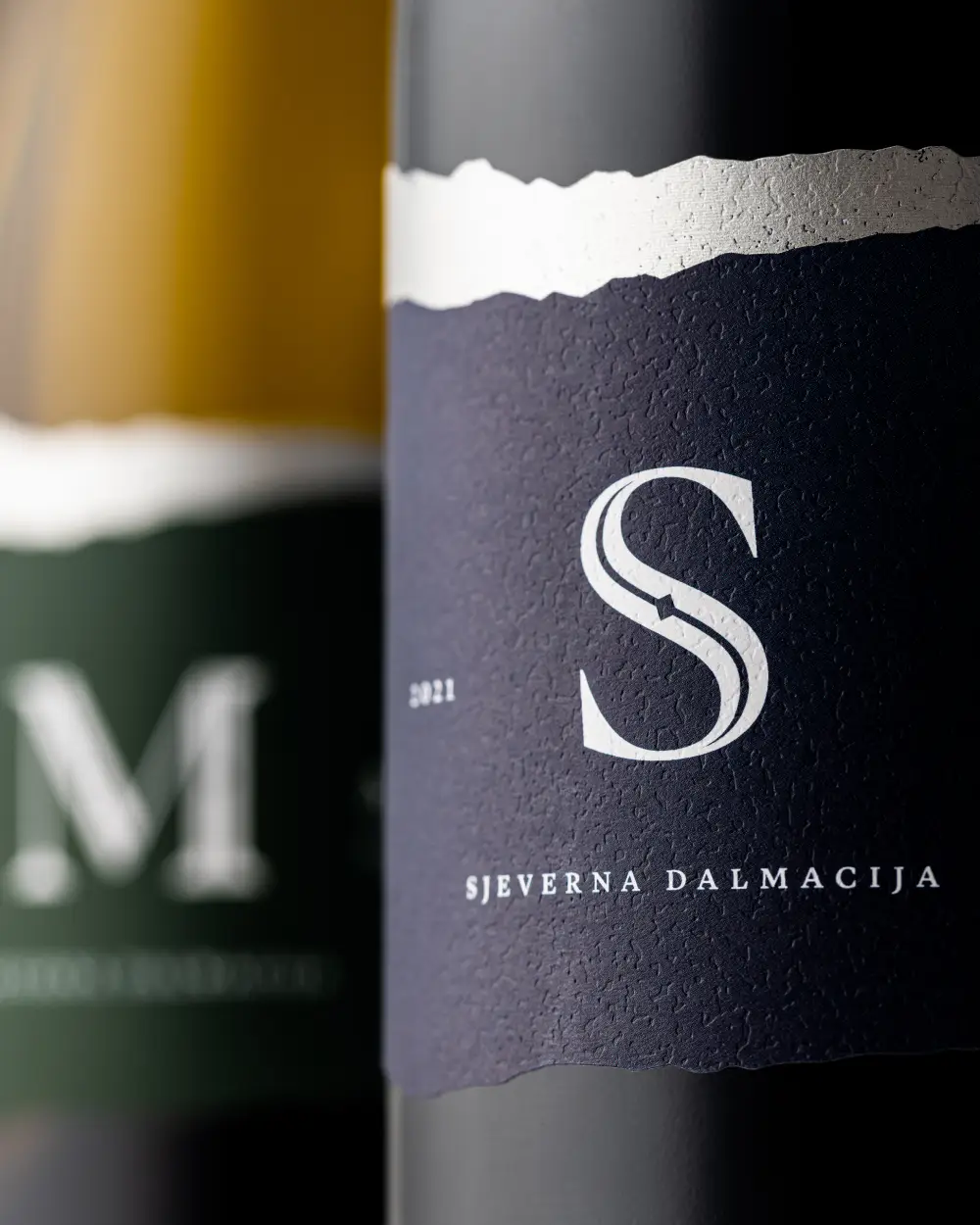
We tasted the 2021 vintage, which opens slowly, so it is especially exciting to watch the wine develop in a large Burgundy glass. It smells of ripe cherry, sour cherry, redcurrant and plum, with discreet notes of sage and heather. All the aromatic sensations descend, traceably, into the flavour, with the addition of bitter orange. Polished tannins and high freshness make a fine contrast to the soft side of the spectrum, and once again that important relationship of power and elegance — the main hallmark of all Bora’s wines — must be emphasised.
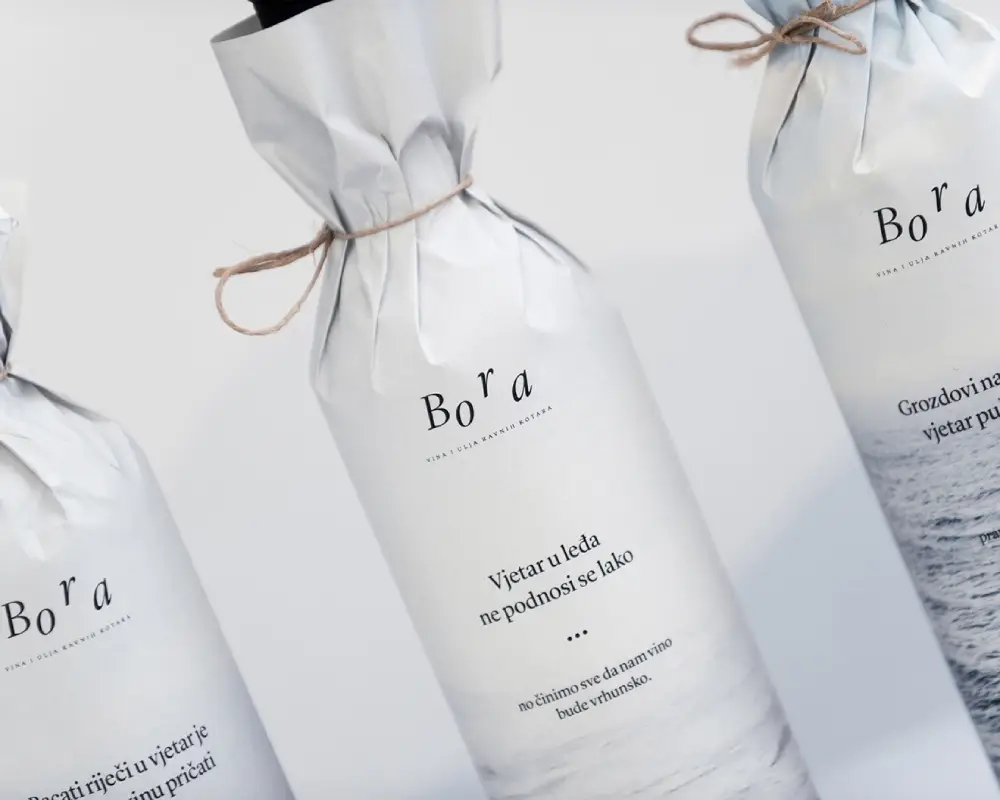
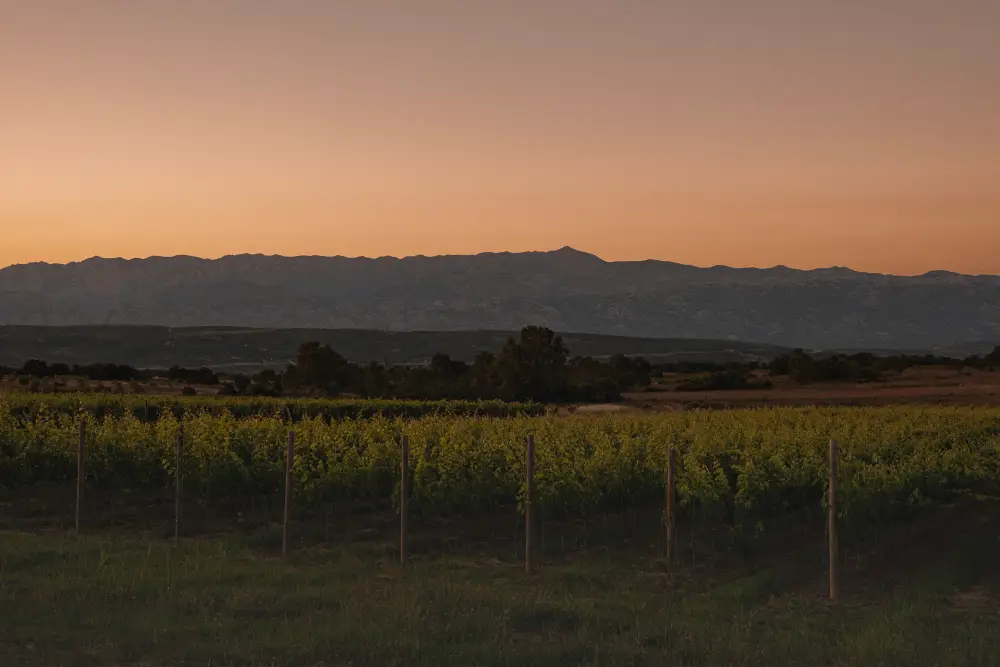

Photo by: Željka Molnar, Nikola Zelmanović and Vinski klub.