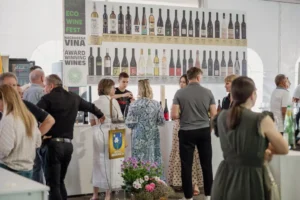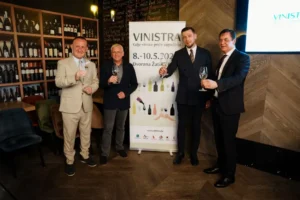



The fifth presentation of the finest Serbian wines in Croatia, jointly organised by Vino.rs, Vinski Klub and WineRi, was held this year as part of the Rijeka wine festival, before wine experts and members of the press. It is an annual selection of the best Serbian wines, organised by Vino.rs, which has become one of the most relevant overviews of the Serbian wine scene, and not only for its list of winners, but for the way the selection is conceived.
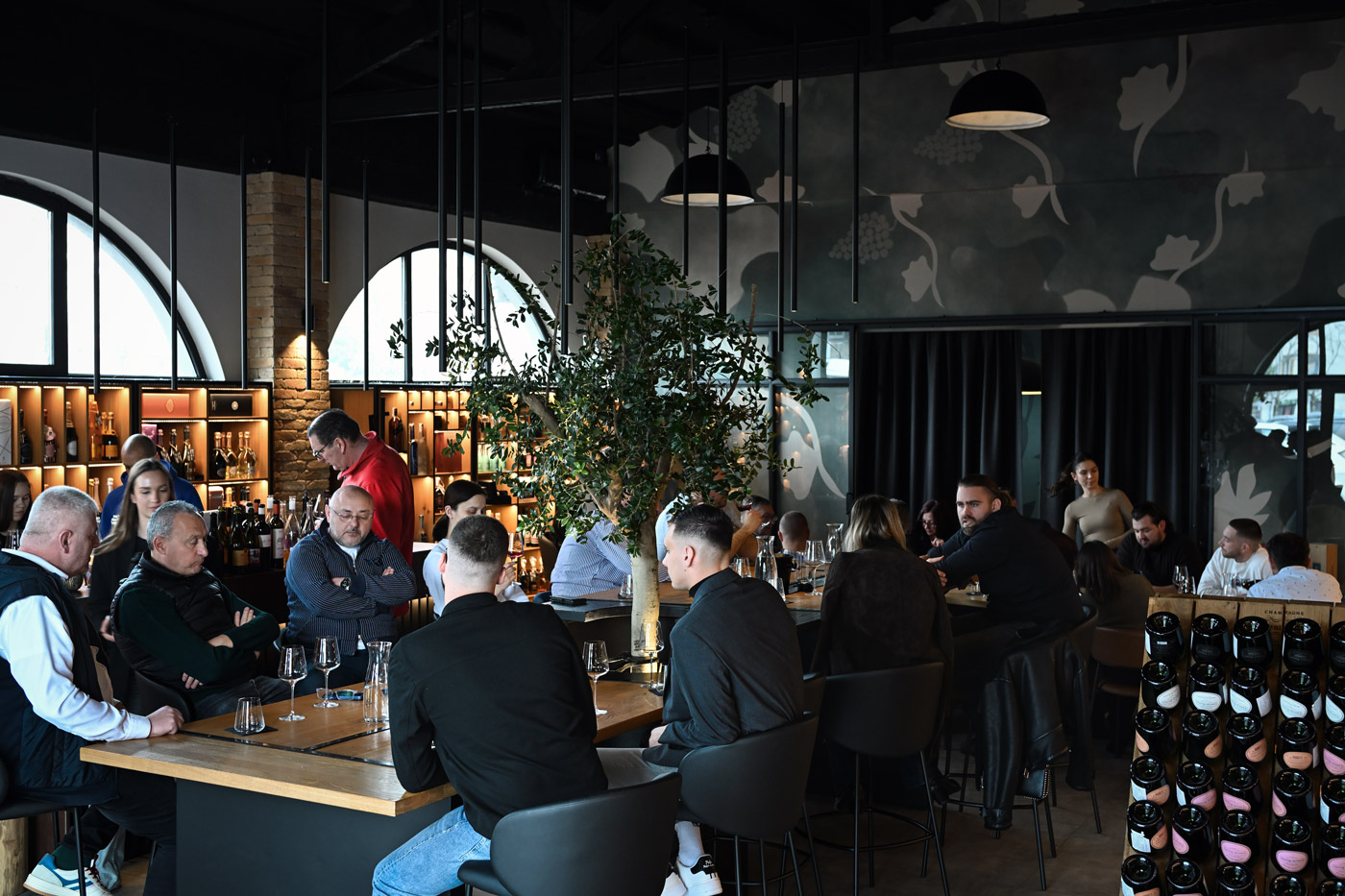
Unlike many judgings that are often specialised by variety or style, this selection seeks to encompass the entire spectrum of wine production. Wines are judged across several categories, red, white, rose, sparkling, orange and dessert, but with additional divisions into conventional and organic wines, as well as international and indigenous varieties. Such an approach allows a more realistic insight into the state of the scene, as it does not place in direct competition wines built on entirely different philosophies and styles.
Ultimately, the value of this selection lies not in offering a definitive list of the best, but in taking a current cross-section of styles and differing philosophies, and in answering the still-legitimate question of the identity of Serbian winemaking, which is still in the making.
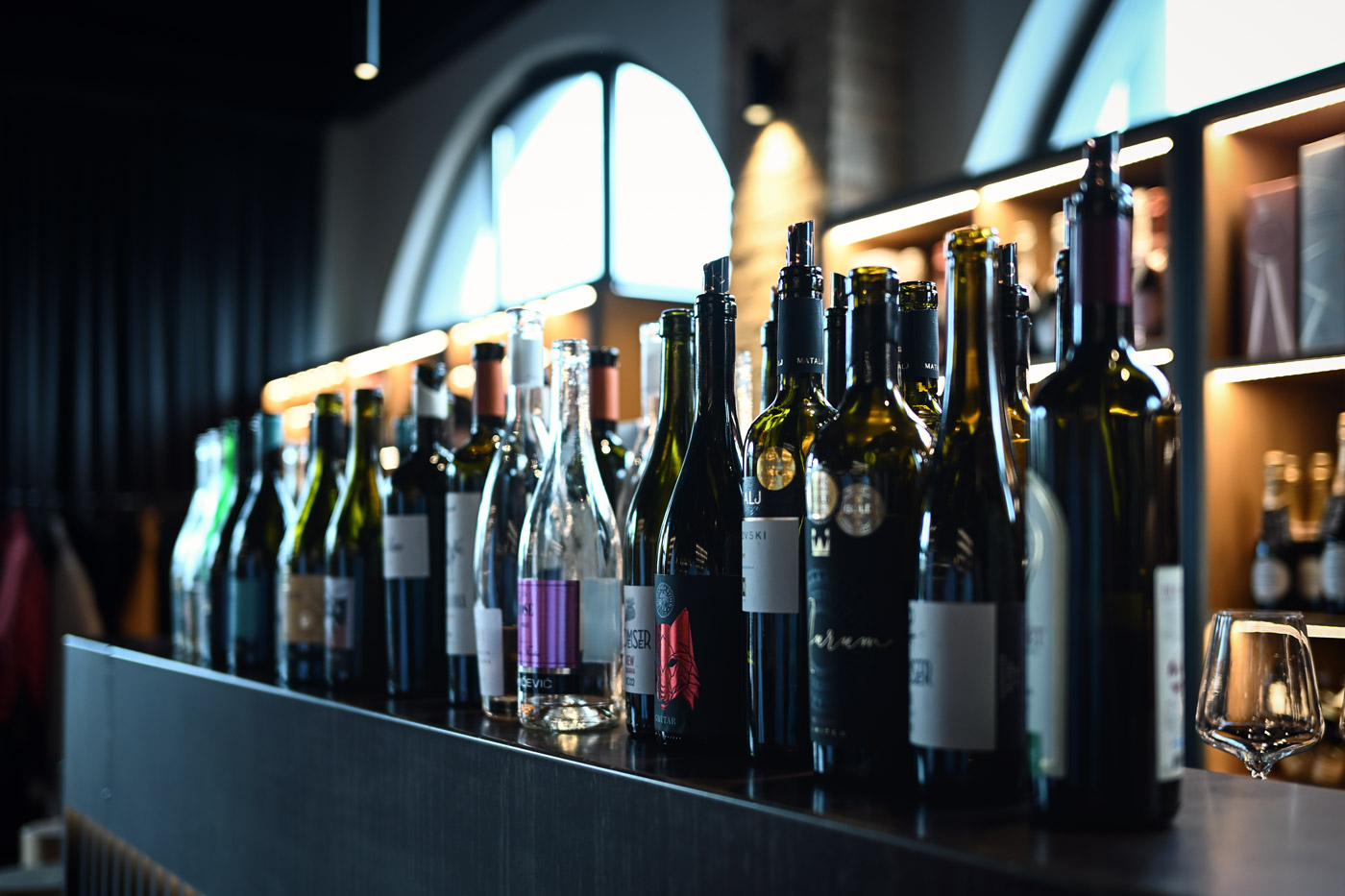
The tasting opened with an exceptionally precise pet-nat, Ra Ra from the Ralevic winery, made from Tamjanika, an aromatic indigenous variety. Pronounced aromatic intensity of a fruity-floral character, high freshness and a slender body are ideal traits for this style of wine. Vulgar fermentative notes were successfully avoided, so the lovely aromatics came fully to the fore.
A second pet-nat, this one from organic production, was made by the popular wine “maverick” Djordje Bikicki from sauvignon blanc, under the name Viktor. For this style it is a seriously structured wine, defined by precise lines, varietal recognisability, medium body and high freshness. A light residual sugar makes it accessible to a wider audience, yet passionate wine lovers will enjoy it too.
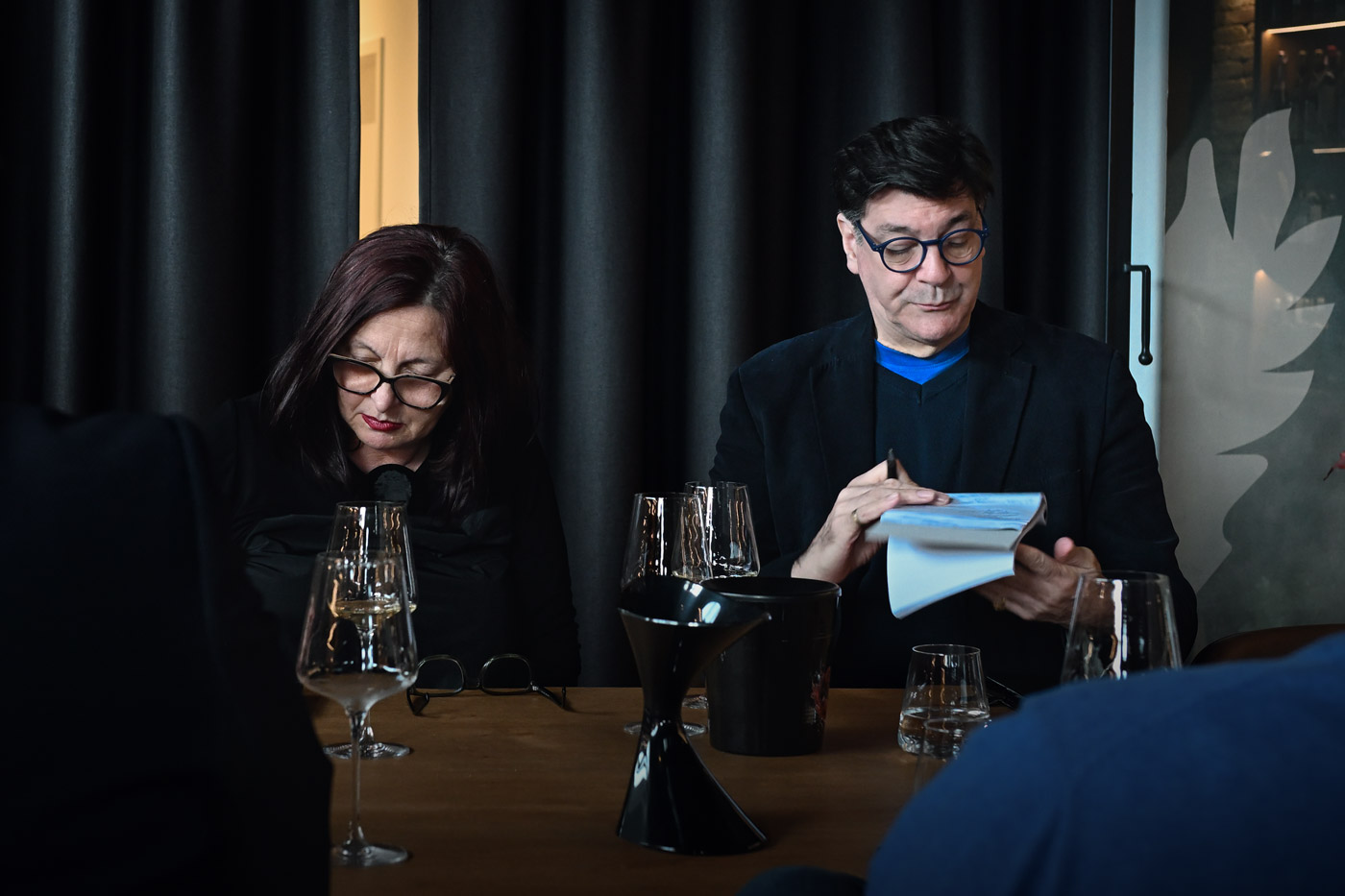
A blanc de blancs sparkler made by the traditional method, The, from the Fruska Gora winery Deuric, showed itself in the best light and proved that the vineyards of Fruska Gora most certainly have the credentials to produce top-class sparkling wines. A modern wine bursting with energy and freshness. On the nose, aromas of white fruit interweave with discreet bready notes, and chardonnay has given it enough structure and fullness for a serious wine, while remaining highly drinkable and enjoyable. It will serve equally well as an aperitif or as a companion to many dishes.
A French-owned winery from Rogljevo near Negotin presented itself with the organic sparkling wine BRUT C, made by the classic method. This chardonnay spent a full three years ageing on the lees in bottle, which contributed to layered aromatics, a rich palate and serious structure. A gastronomic sparkler, better served with food than as an aperitif.
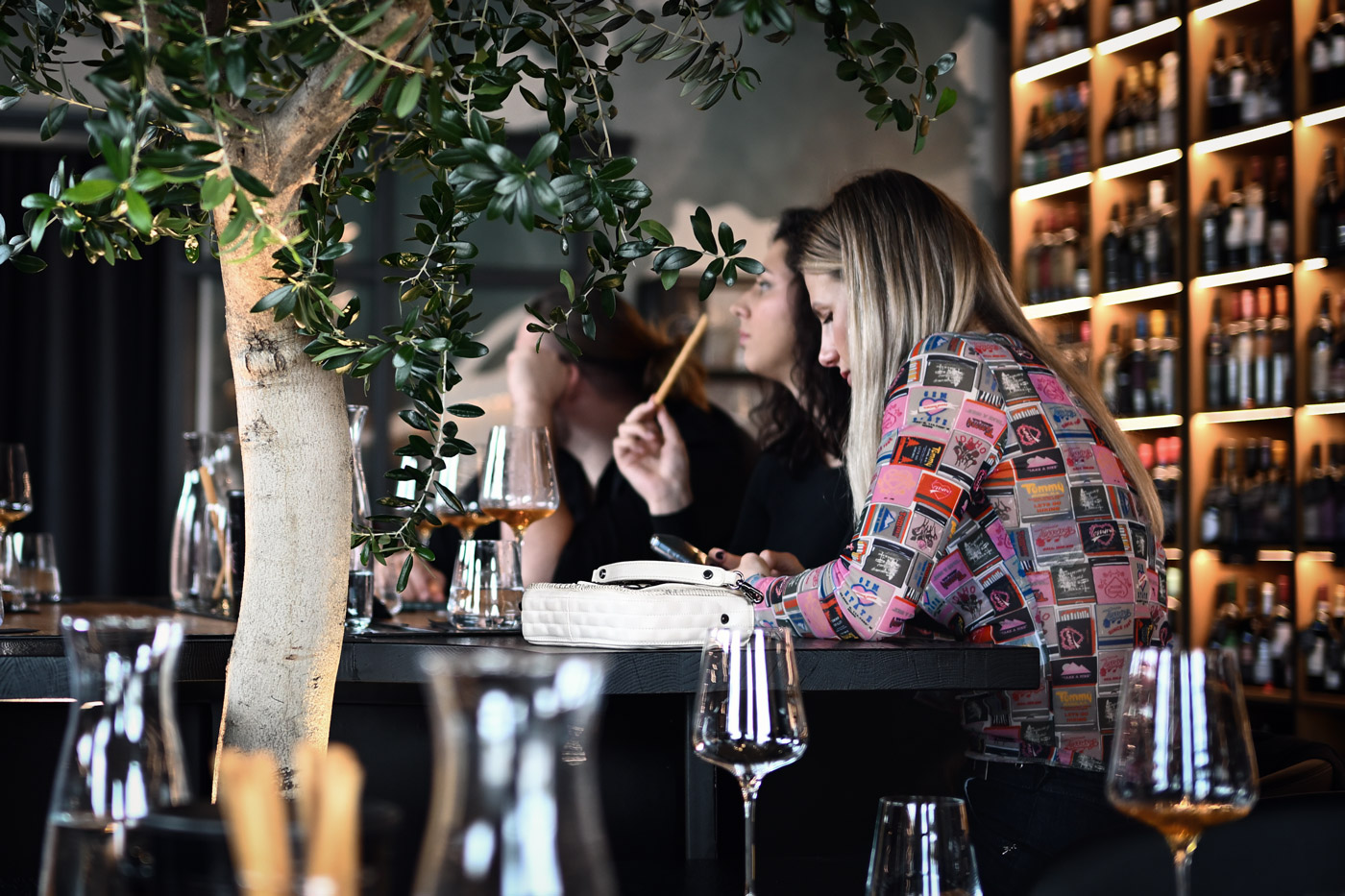
After the sparkling wines came the whites, of which two sauvignons absolutely delighted everyone present and were perhaps the most exciting part of the entire tasting. First was the 2022 Parus from the Lakicevic winery, made from organically grown grapes harvested in vineyards at over 500 metres above sea level, so the wine simply bursts with freshness and energy. Probably no other wine carries as powerful an imprint of terroir as Lakicevic’s Parus, which has breadth and depth, character and an excellent interplay between the soft and firm sides of the flavour spectrum. Varietally typical yet aromatically restrained and layered, with a memorable, lingering finish.
The second sauvignon, from conventional production and named Sovinoa Fume Blanc 2023 by Darko Matijasevic, is entirely different in style and almost incomparable to any other wine of this variety in Serbia. Free of banal pyrazine aromas, it is irresistibly reminiscent of the great wines of the Loire Valley; ripe fruit aromas mingle with understated floral and vegetal notes. On the palate it is rich, succulent, creamy and saline, refined by fine oak that lends it added depth.
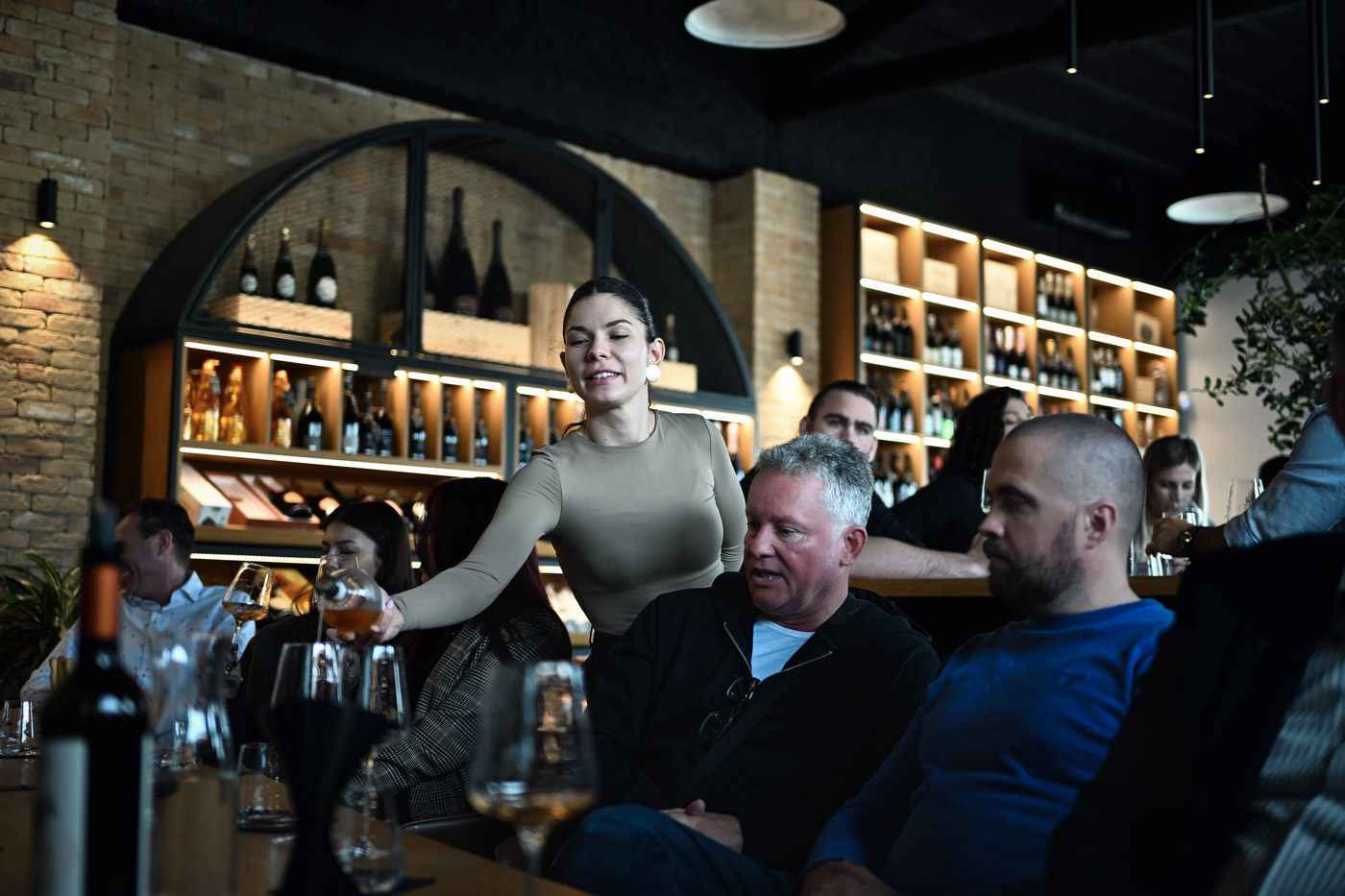
The whites from local varieties aroused great interest, as they were largely unknown even to the expert audience. First served was Morava La Rem 2023 from the Deuric winery, vinified in amphora. A wholly clear wine, made without wandering from idea to execution. Maceration gave it firmness, not hardness; the amphora gave it depth; and the variety gave it character.
The second wine in this category was made by the charismatic Oskar Maurer from organically grown grapes from 2023, under the name Karom. It is a composition of rare Vojvodina varieties that Maurer is rescuing from oblivion. Medenac Bijeli, Bakator and Sremska Zelenika are the main protagonists of this exciting wine, which is very cohesive and homogeneous. Created in amphora, unfiltered and made without any compromise, it is graced by fine aromas of citrus peel, mandarin, orange and white tea. On the palate it is fine, warm and sufficiently soft, given its present but polished tannins.

In the orange wine category, Doajen 2023 by Marko was served. After a full seven months of maceration in amphora, the Tamjanika was drawn off and placed in small oak barrels to age. This almost extreme maceration did no harm to this aromatic and delicate variety. The tannins have softened, the alcohol is low and the acidity high, so it drinks easily and makes a good introduction for newcomers to the orange style.
In an organic version, Tamjanika Oranz 2024 by Kostic was presented. A super-modern macerated wine created through a very delicate vinification process. After nine days of maceration and ten months of ageing in oak and acacia barrels, the wine was bottled unfiltered. Everything was done with measure and feeling. The wine is intense and very layered in aroma; scents of jasmine, eucalyptus, acacia, orange blossom, citrus peel and white tea intertwine. On the palate it is succulent and juicy, the tannins ripe and supple, with good freshness, and its high extract easily carries 13.2% alcohol. The impression is that this wine sits at the upper limit of quality, that its maker has touched the ultimate reach of the variety, and it is probably the finest Tamjanika I have had the chance to taste.
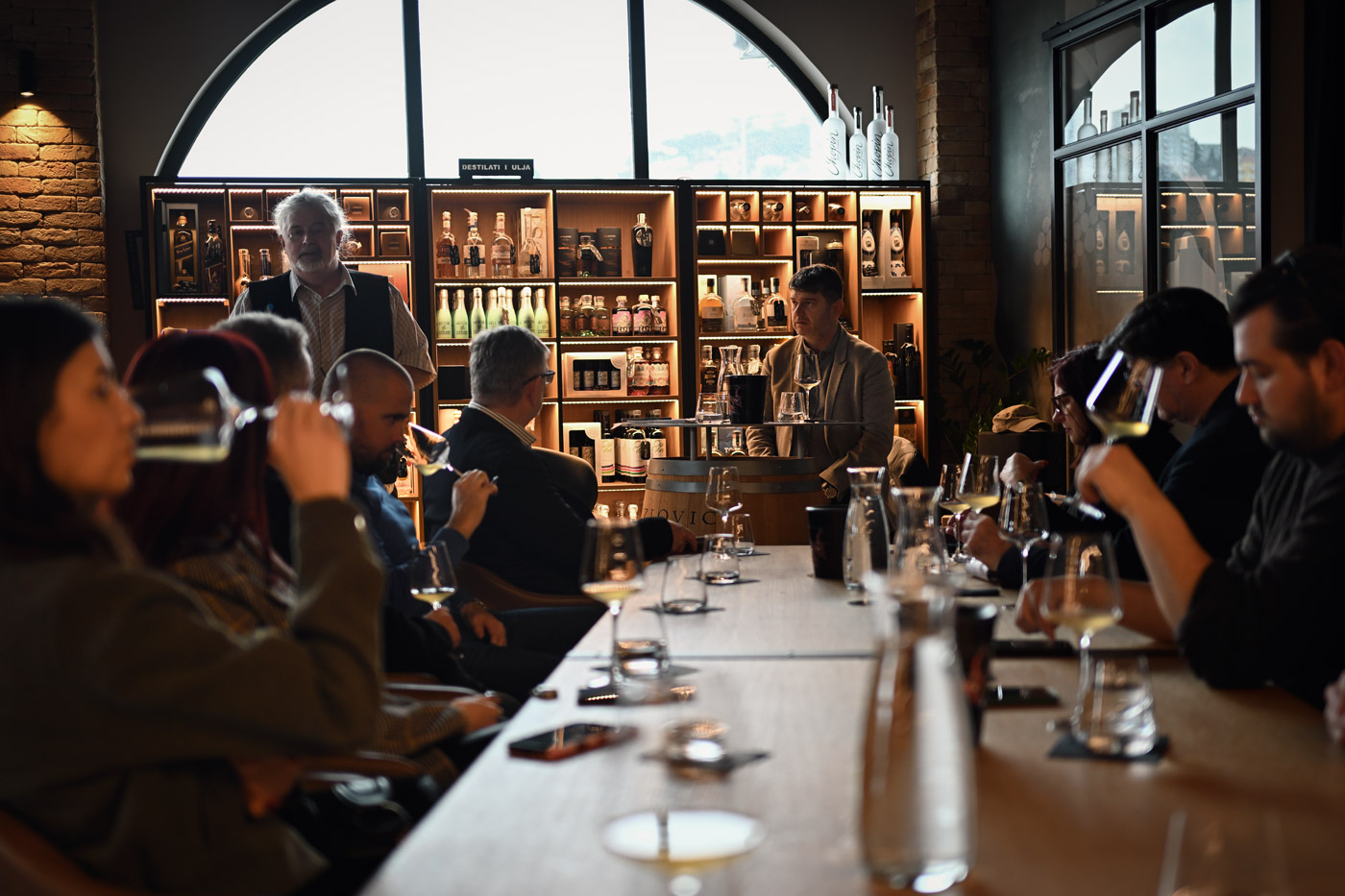
In the rose category, two wholly opposite wines were presented. First served was Roze 100 ZENA from 2024, made from merlot with a clear vision and technically flawless. Penetrating, powerful, assertive. It smells of red fruit, chiefly raspberries and strawberries. Full-flavoured and seriously structured, it is best served with food, as it is too dominant as an aperitif.
Roze Syrah 2024 by Lakicevic is the prototype of a modern rose, moderately aromatic, fresh, elegant, slender-bodied, low in alcohol, yet serious and characterful enough. This Lakicevic wine too firmly bears the stamp of terroir, authenticity and an artisan’s signature. Ideal for warm summer days, but also as an entry wine at the most demanding tables.

Reds are traditionally the strongest suit of Serbian wine, and an excellent example of how, alongside powerful, structured heavy reds, there are also superb elegant wines, was shown by the master of organic production Erne Sagmeister with his Kadarka KEW 2022. A charming, modern take on red wine that brings originality and elegance. The wine is defined by variety, climate and soil composition, formed in the vineyard, with its maker knowingly standing behind rather than in front of the wine, quietly guiding it in the calm of the cellar with minimal intervention. The nose is expressive, fruity in character, and the palate followingly fine. It is warm and soft, with ripe tannins and good acidity, and its excellent balance is undisturbed by 13.5% perfectly integrated alcohol. Bravo, maestro!
Aurum 2020 by Ralevic is a classic Bordeaux blend. Cabernet sauvignon, merlot and cabernet franc are skilfully blended. The wine has reached full maturity, but with great ageing potential. It is best defined by two words: power and elegance. The aromatic profile is fruity-spicy, dominated by black berries and white pepper. It has been shaped in good part by the noblest oak, which does not weigh it down but lends it added complexity. It is fine, warm and soft, suffused with ripe, almost sweet tannins and good freshness. A long and memorable finish.
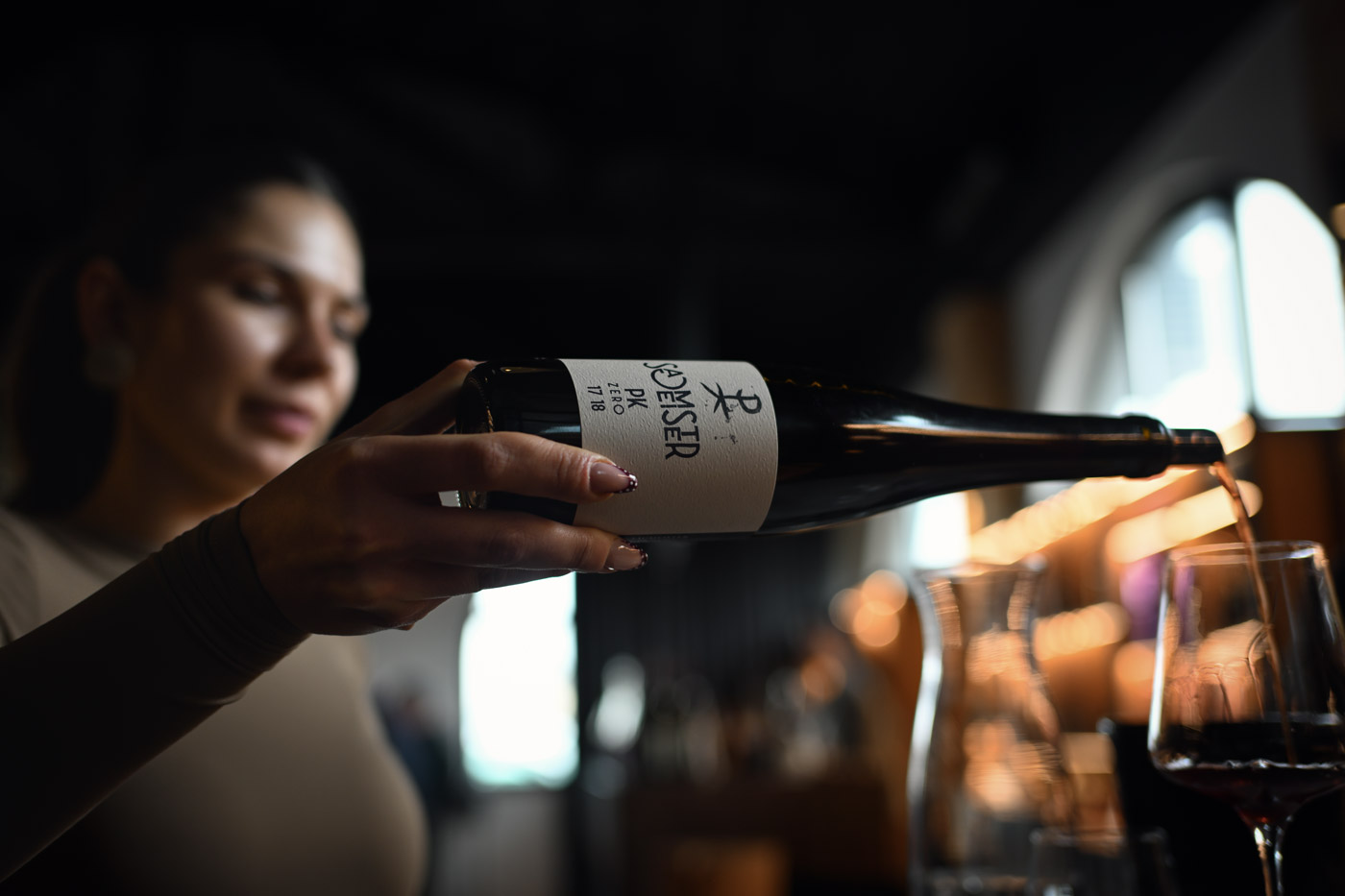
Bukovski Cuvee 2021 by Matalj is an interesting composition of three indigenous varieties, Prokupac, Zacinak and Kadarka, knowingly blended, so that beyond authenticity the wine also has high quality. Very elegant yet expressive, entirely free of any banality. An excellent example of a modern red wine of the sort the market lacks. Pronounced fruit aromas settle onto the palate as flavour components; the tannins are ripe, and the pleasant acids, which are also the backbone of this wine, round it out.
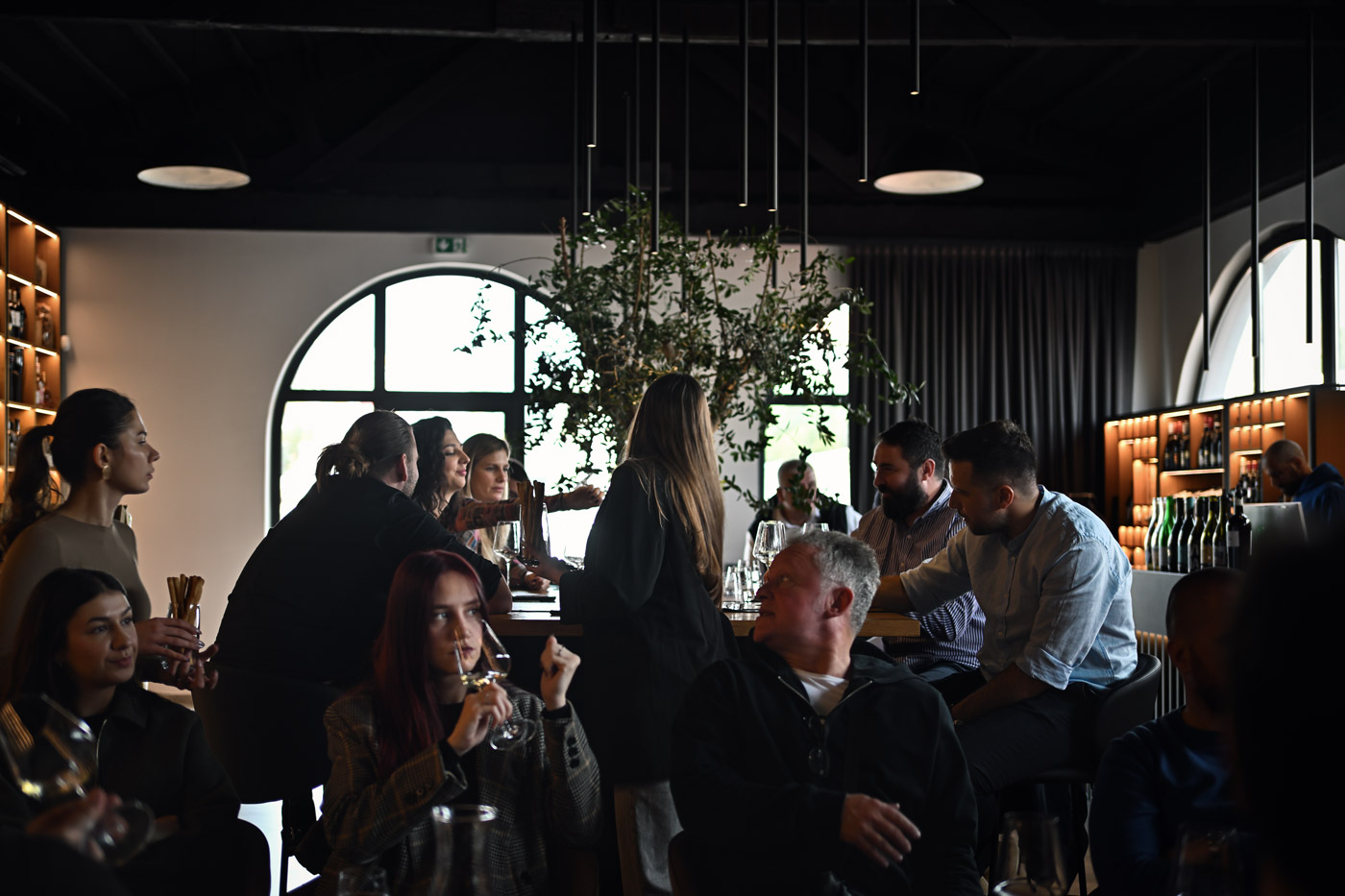
The dessert wine arrived in a red version. Sagmeister PK ZERO 2017/2018 is made from Pinot Noir from a delayed harvest, with 163 grams of residual sugar and 14% alcohol. A wholly special and unique wine, with pronounced aromas and a full palate. The impression is that a slightly lesser oak influence and somewhat higher acidity would contribute to complete balance and make it even more exciting.
Finally, Bermet Crveni 2023/2024 by Kis was served, its aromatic and flavour profile fully defined by Christmas tones of clove, cinnamon, gingerbread, orange and sour cherry. Its 17% alcohol suits it very well, and high acidity keeps it in good balance.
Photo: Slobodan Vidovic