


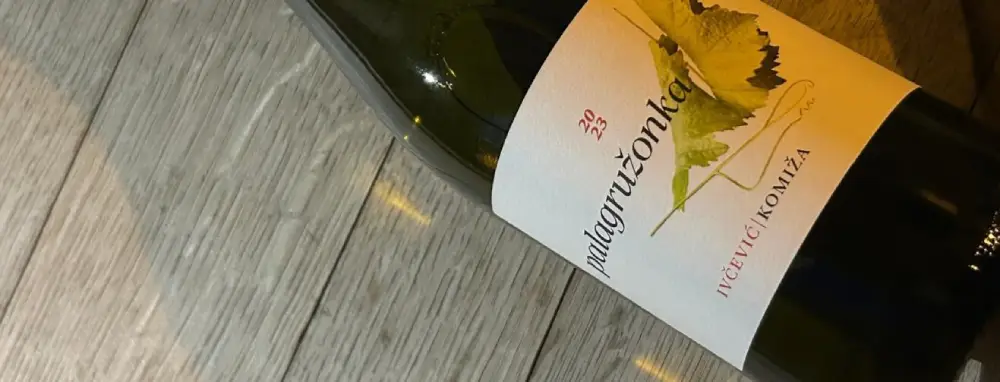
When a variety becomes critically endangered and the total area under vine does not exceed a single hectare, the reasons are most often low yields per vine, poor resistance to fungal disease, problems with acids and sugars, or wine quality that does not justify the effort of growing it. In the case of Palagružanka none of this applies, which makes it hard to understand why it vanished from the vineyards of Vis and why it is absent from the neighbouring islands.
Today this white variety is cultivated exclusively on the island of Vis, thanks to the dedicated work of the Ivčević family from Komiža, who some fifteen years ago decided to rescue Palagružanka from oblivion. They launched the revival of the variety on their own, in their vineyard not far from Komiža.
The last vine
They call it palagružonka. They grafted budwood brought from the single surviving vine on the island of Palagruža and so established a small vineyard, which they plan to expand further.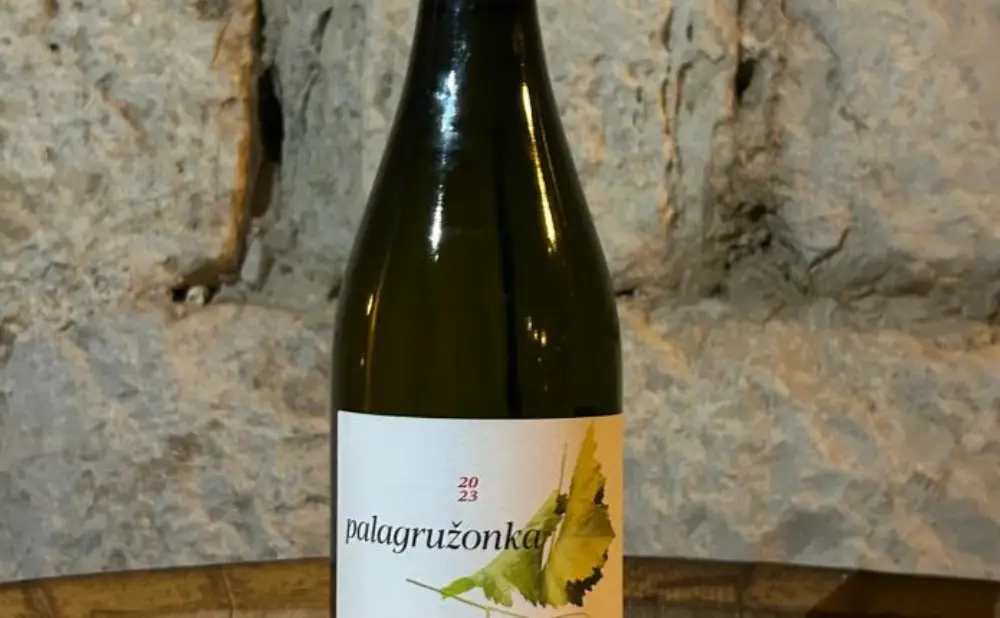

The variety is very generous, crops well, and its grapes are rich in precious tartaric acids and marked by pronounced aromatics, which is not often the case in our southern winegrowing districts. At the Vis Story of Wine tavern in Komiža I tasted the 2023 vintage, of which only about ten bottles remained, along with the young 2024.
A fruity, juicy wine
In both wines the fruitiness is pronounced. Citrus aromas of kumquat, mandarin and grapefruit carry seamlessly through onto the palate, so the wine is fruity and juicy.
It shows pronounced freshness, low alcohol and a lean body, ideal for warm summer days but also as an accompaniment to the many seafood salads and to raw fish served as carpaccio or tartare. Dalmatia is short of white wines with such qualities.
A bright future, if…
The price is 25 euros. Palagružanka could have a bright future, if the growers on Vis and the neighbouring islands come to grasp the value of this exciting, neglected variety. Nor is it a small matter that it is highly resistant to high temperatures and drought, so even global warming will pose it no problems.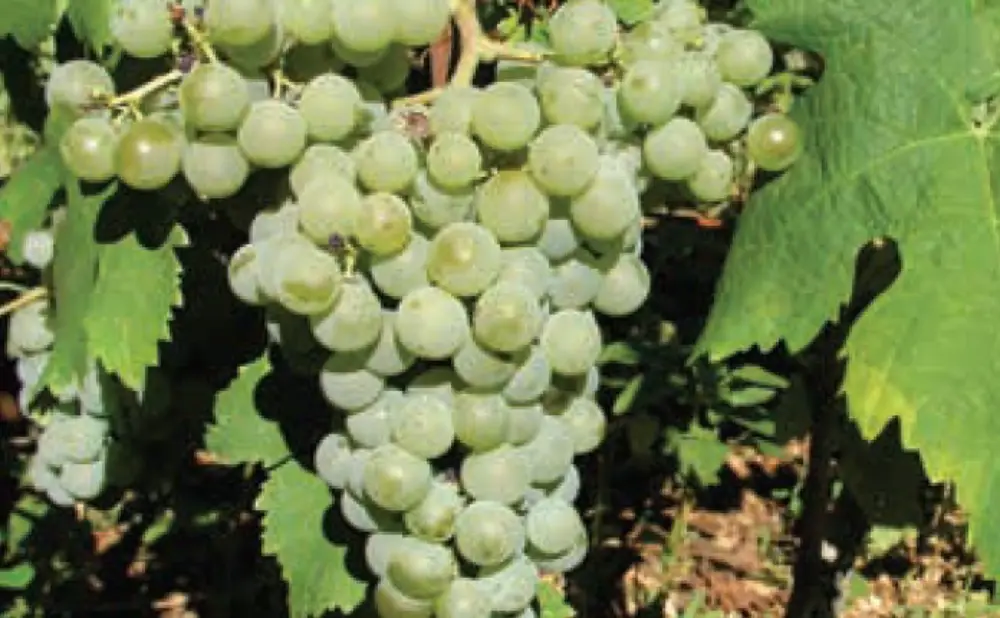
The variety was found on the island of Palagruža, hence its name, write the authors of the Green Book of Croatian Native Grapevine Varieties (2015 – Edi Maletić, Jasminka Karoglan Kontić, Ivana Ilijaš). Other names are palagružonka, nastriženica and ostriženica. There is a hypothesis that it was brought and cultivated there by the Benedictines; however, the more likely theory is that it sprang up on Palagruža from seed. This is above all because a very old, large vine, a probable seedling, still stands there and would in that case be the original (mother) plant from which the population of the variety was propagated. The seed could have originated on Vis, from some local variety, given that Palagruža served as a refuge for the fishermen of Komiža, or else it came from the droppings of one of the many bird species that can be encountered on the island. It is very sparsely distributed and can be found exclusively on the island of Vis, in only a few plantings in the area of Komiža. (Photograph: Edi Maletić)
28 April 2025