

 Written by: Krešimir Kožić, Vinski klub
Grüner Veltliner is not merely Austria’s most important white variety. It is one of the most original white grapes in the world — a variety of unmistakable character that reveals, from the very first taste, why it became the national symbol of Austrian winemaking. Its aromatics of white pepper, fresh herbs, stone fruit and minerality are almost impossible to confuse with any other variety.
Today many of the world’s leading critics and sommeliers consider it one of Europe’s most important white varieties, above all for its ability to produce, with equal success, wines for everyday enjoyment and great wines destined for long ageing.
Personally, I count it among my three favourite white varieties, alongside Riesling and Chardonnay.
A few years ago I accepted a challenge from a colleague in the wine trade: to bring to a wine gathering a bottle that could stand shoulder to shoulder with the finest Chardonnays of Burgundy and the great German Rieslings of the Grosses Gewächs (GG) classification. The only condition was that all the wines had to be from the 2018 vintage.
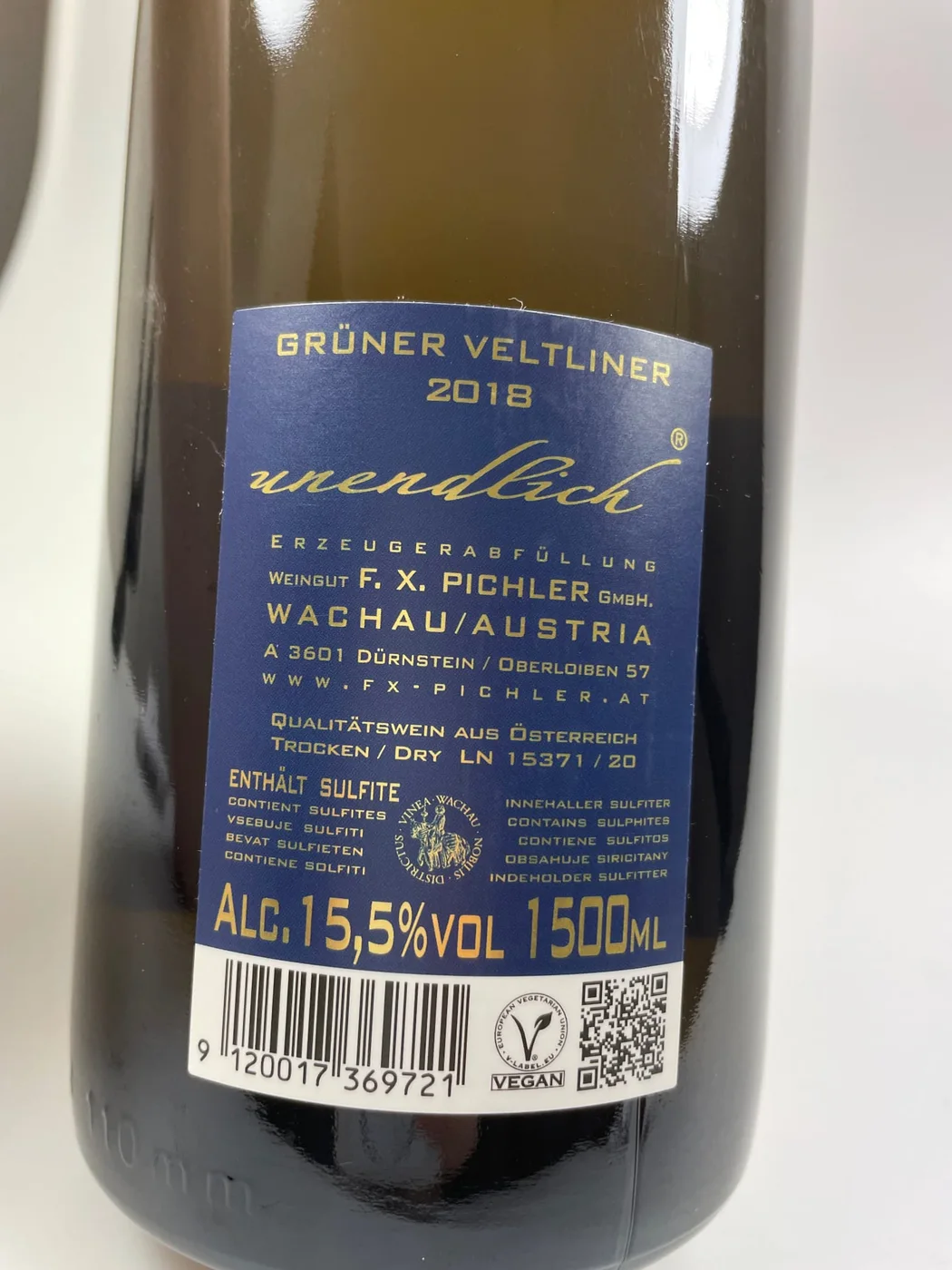
My choice fell on FX Pichler Grüner Veltliner Ried Kellerberg 2018. Although I had long held it in the highest regard, even I was surprised by the tasters’ reaction.
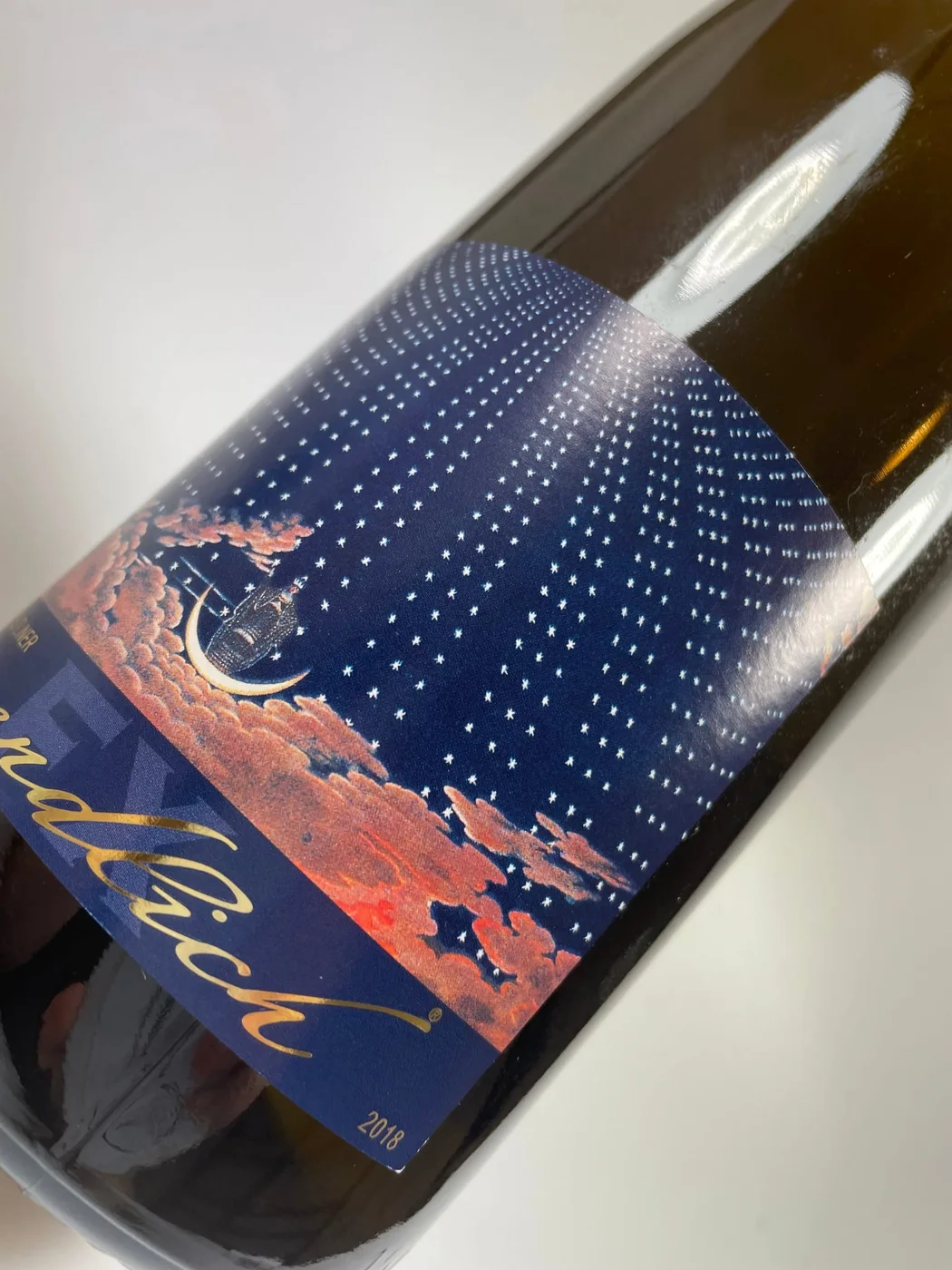
The wine showed exceptional complexity, a full body and rich aromatics, with notes of pineapple and dried papaya, the characteristic green tones reminiscent of vegetable stock, and the variety’s signature notes of horseradish and white pepper.
Not only could it hold its own against great Chardonnays and Rieslings — it stood fully shoulder to shoulder with them, and in the opinion of some of the tasters may even have outshone them that evening. Everyone present was delighted. After the tasting, one participant spontaneously exclaimed: “A star is born!”
My answer was simple: the star had been there all along — too few people had been paying attention to its shine.
Grüner Veltliner is unquestionably an Austrian variety, most likely originating in the area between Burgenland and Lower Austria. With more than 14,000 hectares planted, it is by far the most widely grown variety in Austria, covering roughly a third of the country’s total vineyard area.
The main Austrian production regions are the Wachau, Kamptal and Weinviertel.
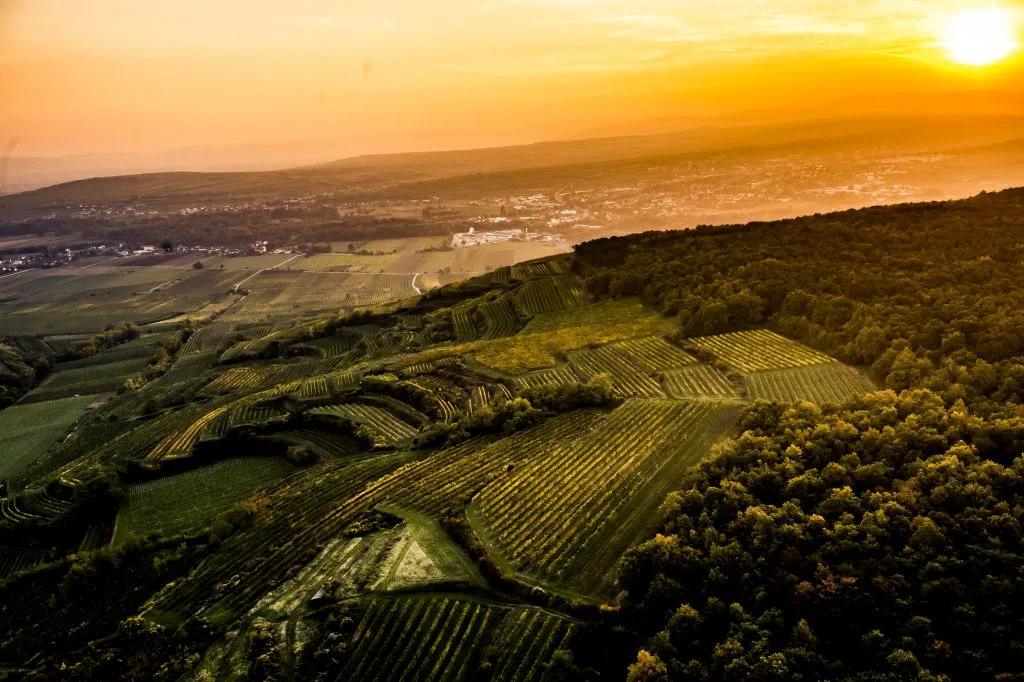
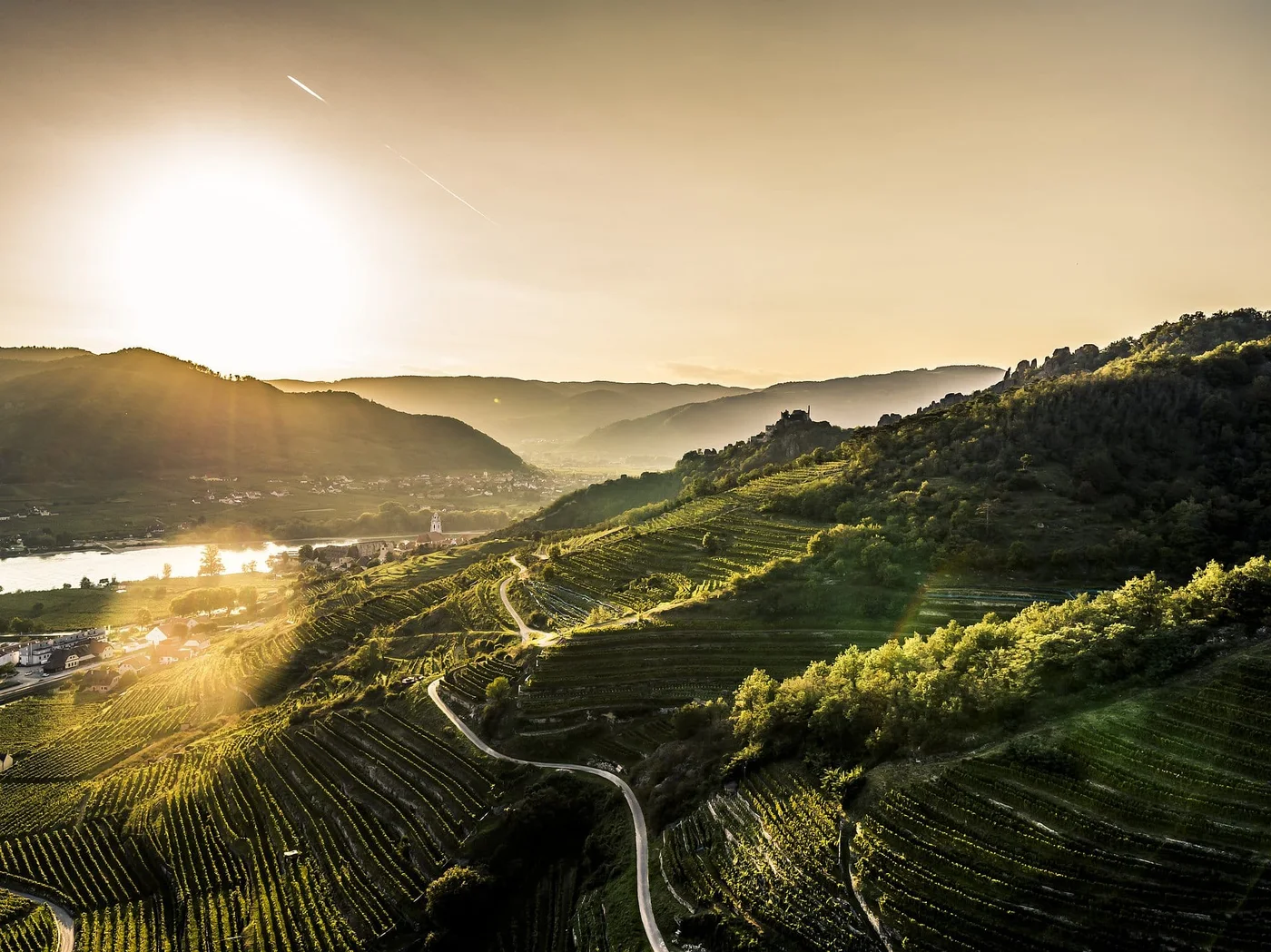
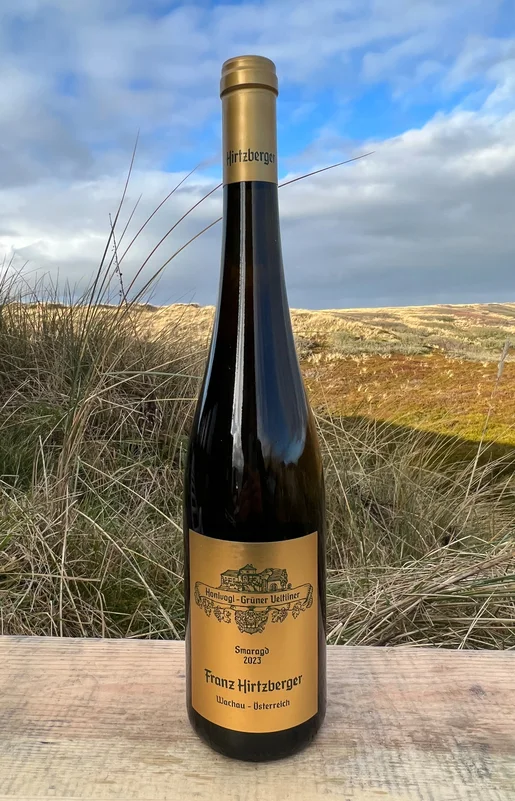
The Wachau produces the most ambitious and longest-lived interpretations of the variety, and some of the most celebrated Grüner Veltliners in the world come precisely from this region. Steep terraced vineyards on primary rock create wines of great concentration, layering and ageing potential. Alongside the typical notes of white pepper and stone fruit, nuances of white peach, Mediterranean herbs and wet stone often appear. The most prestigious wines carry the Smaragd designation.
Kamptal is known for more elegant, slender interpretations of the variety, almost always bone dry, with pronounced notes of white pepper and lime.
Weinviertel produces wines of somewhat lighter body, marked freshness and a very approachable, drinkable character.
In recent years, excellent examples can also be found in Kremstal and Traisental, regions whose style recalls the wines of the Wachau.
Outside Austria, more significant plantings are found in Slovakia and the Czech Republic, where the variety mostly yields fresh wines intended for earlier drinking. Interesting plantings can also be found in Alto Adige in northern Italy, where the variety occasionally produces wines reminiscent of serious Austrian models.
Beyond Europe, notable plantings exist in the United States, Australia and New Zealand, where the variety has shown very good results in recent decades.
Grüner Veltliner is distinctive in its ability to produce an exceptionally broad spectrum of dry wines, from light, drinkable and immediate to full-bodied wines that can develop successfully for ten years and more.
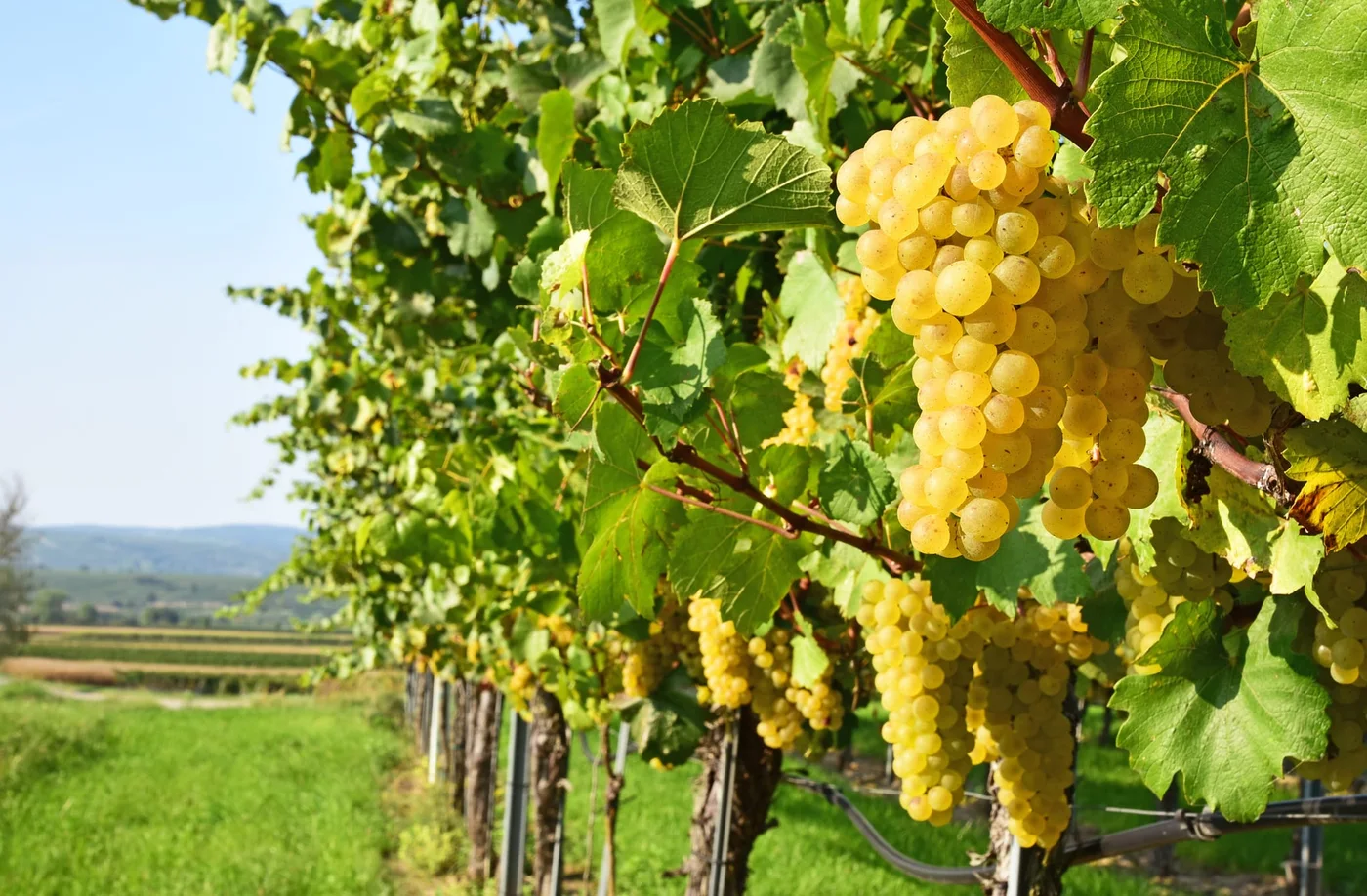
The variety favours a dry, continental climate. It is naturally productive, so the quality of the best wines is achieved by limiting yields through careful work in the vineyard. It performs best on poorer, stony soils — especially granite, gneiss and other primary rock.
Many leading producers rely on spontaneous fermentation, believing it contributes greater aromatic complexity and a more pronounced sense of origin. Fermentation with selected yeasts, on the other hand, often emphasises fruitiness and varietal typicity.
Some producers have also experimented with extended maceration, which in certain cases has resulted in highly interesting interpretations of the variety.
Thanks to its vibrant acidity and its unique aromatic and flavour profile, Grüner Veltliner is an exceptionally versatile partner at the table. It is the classic companion to Wiener schnitzel, but works equally well with fish, seafood, Asian and many North African dishes. The most serious, aged interpretations pair beautifully with cheeses such as Gruyère.
Interestingly, the characteristic white-pepper notes in Grüner Veltliner come from rotundone, a sesquiterpene compound. The same compound is found in Syrah, where it is responsible for that variety’s recognisable black-pepper aromas.
It should be stressed that Grüner Veltliner is in no way related to the Austrian variety Roter Veltliner.
In Croatia, Grüner Veltliner can be found sporadically, primarily in the vineyards of Plešivica, and in traces in Hrvatsko Zagorje and Zelina. Because of the very small areas planted, it rarely appears as a stand-alone label and most often ends up in traditional white field blends. Before the Second World War there were considerably more plantings in these Croatian regions, but since then the area under the variety has shrunk significantly.
Producers I recommend:
- Alzinger
- Bründlmayer
- Hirsch
- Markus Huber
- Loimer
- FX Pichler
- Rudi Pichler
- Prager
Over the years, across countless tastings, I have noticed that Grüner Veltliner wins over experienced tasters and newcomers to wine with equal ease. Lovers of freshness and elegance appreciate its precision, while connoisseurs of great white wines savour the layering and ageing potential of the finest examples.
Therein lies its distinction. Grüner Veltliner is one of the few varieties in the world that can deliver, with equal conviction, a light everyday wine and a great wine for the cellar. In its best interpretations it combines freshness, precision, complexity and gastronomic potential in a way few white varieties can match.
If you have not yet explored it seriously, perhaps now is exactly the right time to discover why so many wine lovers consider it one of the greatest jewels of Austrian winemaking.