

 Written by: Krešimir Kožić, Vinski klub
Why is a table never unanimous about Pinot Noir?
The evening a Charmes-Chambertin split the table
The table was set for six, and in front of us stood a line-up that would stir any serious wine lover. The idea was simple and yet monumental: to compare six great red wines from the world’s most respected regions, all from the exceptional, powerful 2019 vintage.
They were, in order, the familiar heavyweights: the aristocratic Château Palmer from Margaux in Bordeaux, the powerful and peppery Guigal Côte-Rôtie La Landonne from the northern Rhône, the opulent Poggio di Sotto Brunello di Montalcino and the austere but elegant Sottimano Barbaresco Currà from Italy, the Californian Inglenook Rubicon, and the monumental Catena Zapata Adrianna Vineyard River from Argentina.
Among those giants of raw power and generous tannin I had hidden a small surprise: a Pinot Noir. And not just any Pinot, but Dugat-Py Charmes-Chambertin Grand Cru.
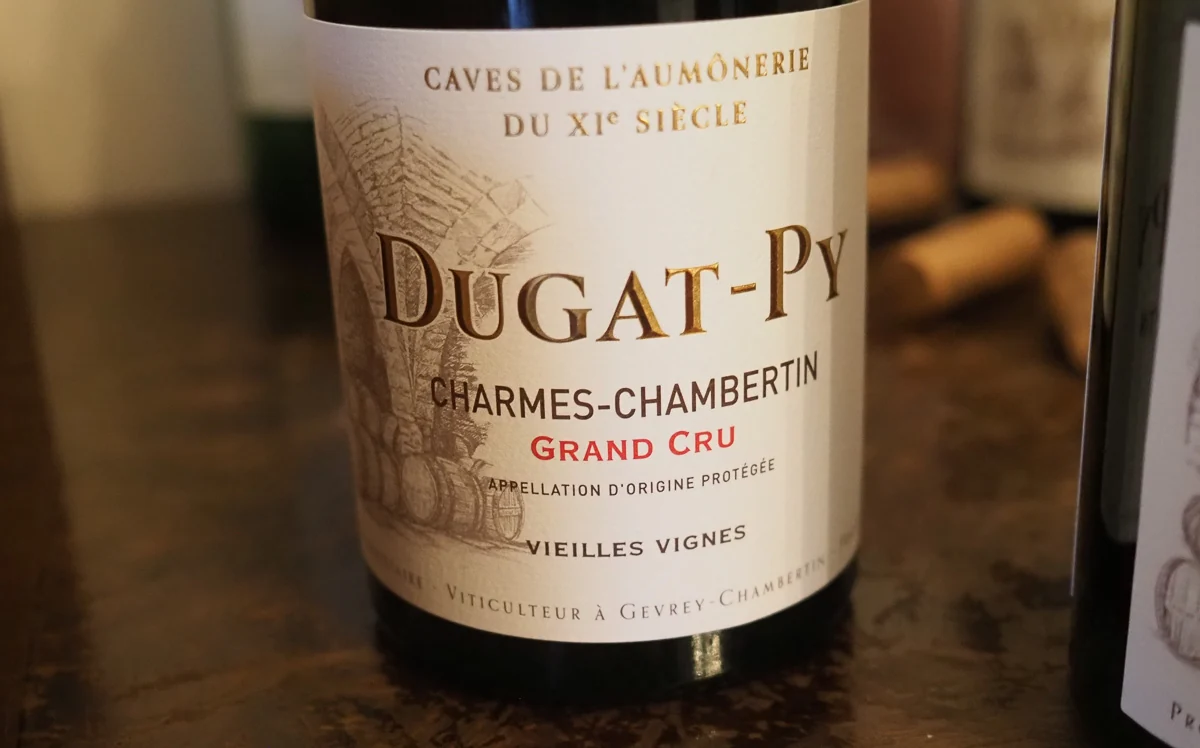
When that wine reached the glasses there was silence, and then a sharp divide that captured the eternal schism in wine perfectly.
Four of us were completely captivated. In the glass was pure elegance, the essence of wild strawberry, damp moss and subtle spice, carried by a silken texture that glided across the palate and a remarkably deep, lingering finish.
The other two tasters, however, remained indifferent at best. Their verdict was clear and unforgiving: “It lacks tannin, there isn’t enough power for me, it is too pale.” They were looking for serious prose where poetry had been offered. Looking at that half-empty glass of Burgundy, I wondered whether this is the inevitable fate of Pinot Noir. Will the variety, even in its finest Grand Cru form, remain forever an “intellectual” wine reserved for particular palates? Is it its destiny to be misunderstood by a wider audience that looks in it for something it was never going to be?
Roots of a royal line: a history laced with mystique
To understand why the Dugat-Py caused such disagreement that evening, we have to go back to the beginning. Pinot Noir is not merely a grape variety; it is a living monument of wine history. It is one of the oldest cultivated varieties in the world, with records reaching back to ancient Rome, while Cabernet Sauvignon only appeared in the 17th century through a spontaneous crossing of Cabernet Franc and Sauvignon Blanc.
Its true homeland and cradle is Burgundy. The decisive role in shaping the variety was played by Benedictine and Cistercian monks during the Middle Ages. With a precision worthy of modern scientists, they spent centuries observing every parcel of land, and came to understand that Pinot Noir registers the smallest change in the soil like a seismograph. That is how the idea of terroir was born, the realisation that Pinot from a site only a few metres away can have an entirely different character.
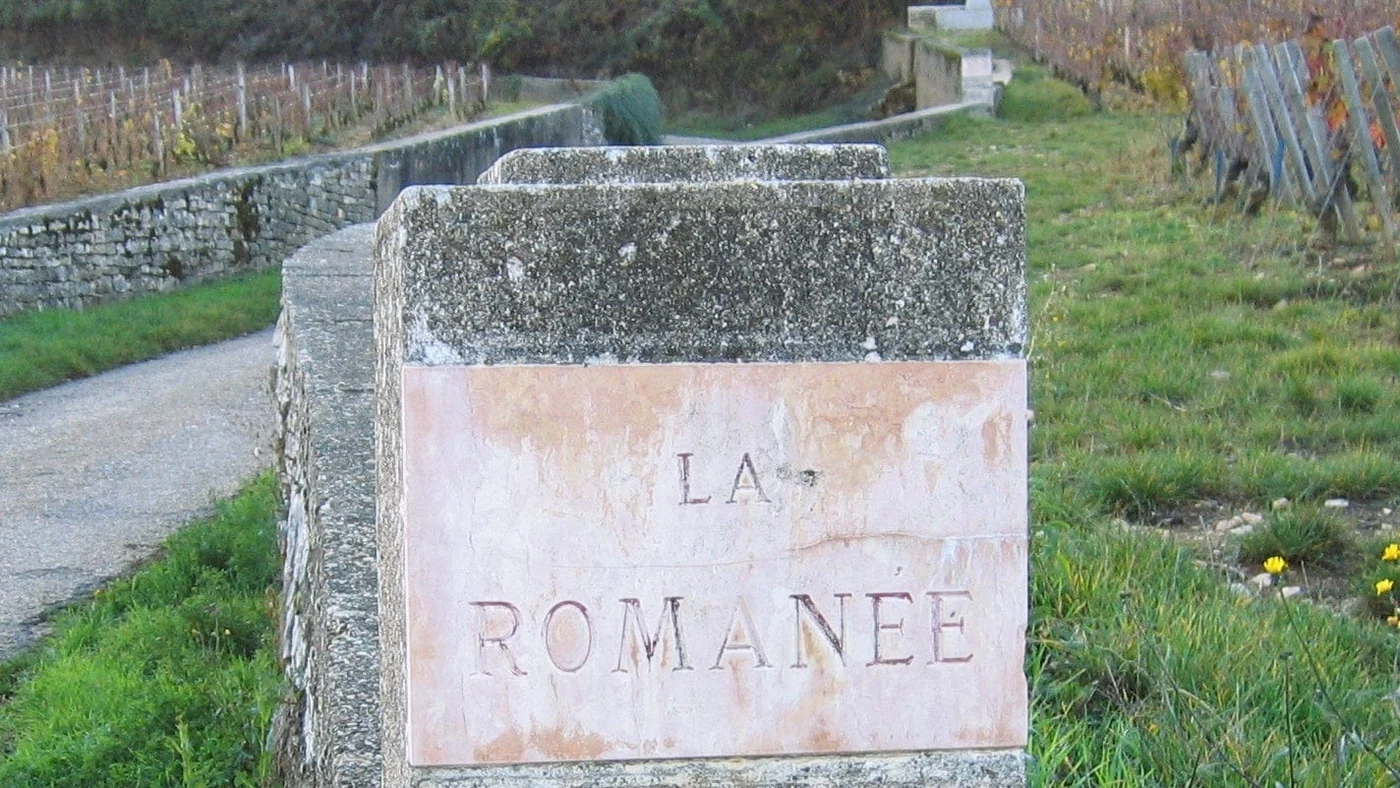
Pinot Noir acquired aristocratic standing early on and was, over the centuries, a regular guest at the tables of the French nobility, the higher clergy and the royal courts.
The global expedition: where has Pinot Noir found a new home?
Today Pinot Noir has found a home far beyond Burgundy. Oregon has become its most successful American expression, Central Otago in New Zealand a byword for intensity and purity of fruit, while German Spätburgunder is enjoying a renaissance that increasingly puts it in the company of serious Burgundy. Interesting interpretations also come from Tasmania, Chile, South Africa and the high sites of Argentina’s Mendoza.
A collector’s guide: the Pinot Noir icons you should taste
If you want to understand the full potential of this variety and all of its nuances, these are the addresses I would recommend.
Burgundy
- Domaine Dugat-Py (Gevrey-Chambertin): a true icon with three Michelin grapes. Known for wines from exceptionally old vines. These are wines of remarkable depth, concentration and structure.
- Domaine Marquis d’Angerville (Volnay): the archetype of pure, ethereal elegance and silken texture. Proof that a wine can be profound without a trace of heavy, raw power.
- Domaine Comte Georges de Vogüé (Chambolle-Musigny): a legendary estate. Their wines embody the notion of an iron fist in a velvet glove, perfumed on the nose, powerful and long-lived on the palate.
- Domaine Hudelot-Noëllat (Vougeot): under Charles Van Canneyt it produces some of the purest and most precise expressions of the variety, with beautifully integrated oak.
- Domaine Henri Felettig (Chambolle-Musigny): a fine family estate whose wines are remarkably charming in youth, full of vivid red fruit, yet with serious structure for ageing.
Germany
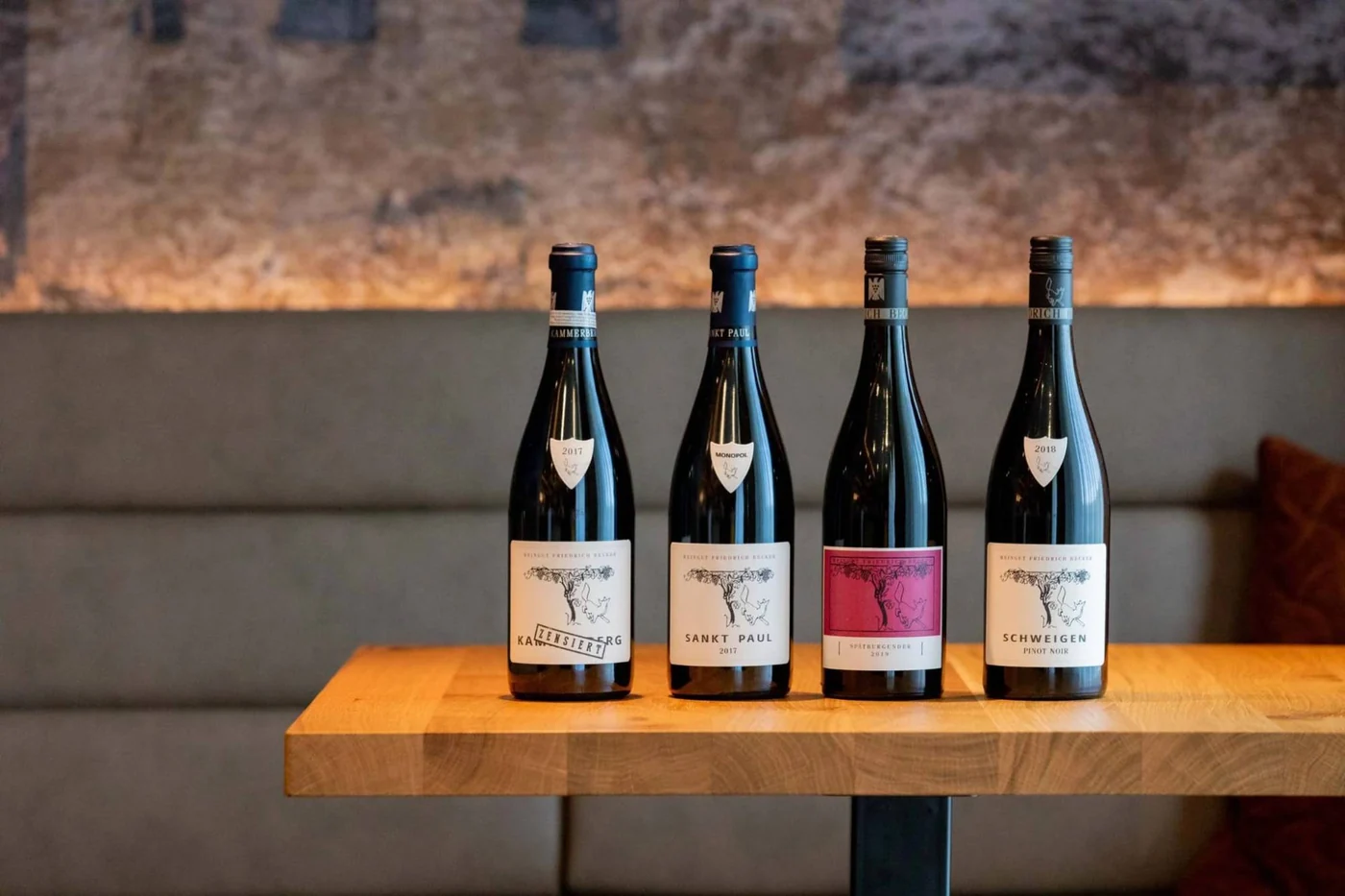
- Friedrich Becker (Pfalz): a byword for the German Pinot Noir revolution. The wines are strikingly mineral and fresh, with notes of cold smoke and wild berries.
- Bernhard Huber (Baden): the late Bernhard Huber was called the king of Spätburgunder, and today his son Julian makes precise wines that regularly beat expensive Burgundies in blind tastings.
United States
- Beaux Frères: set in the heart of the Willamette Valley, this estate makes Pinots that are a perfect bridge between the New World and Burgundy. Known for rich texture and complex aromas of ripe berries, forest floor and spice.
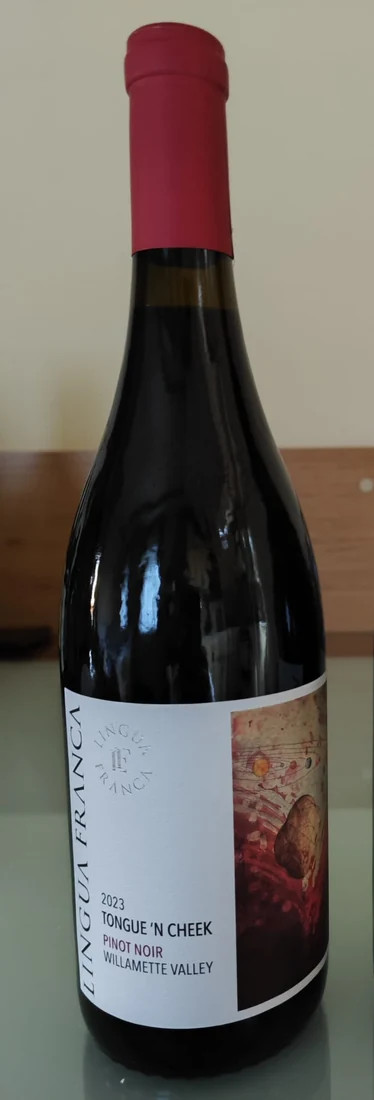
- Lingua Franca: a project co-founded by the legendary sommelier Larry Stone, with winemaking consultancy from Burgundy’s Dominique Lafon. The wines are marked by exceptional tension, vivid acidity, pronounced minerality and remarkable precision.
New Zealand
- Felton Road (Central Otago): pioneers of biodynamics. Their Pinots from Block 3 or Block 5 are intense, full of dark fruit and distinctive spice.
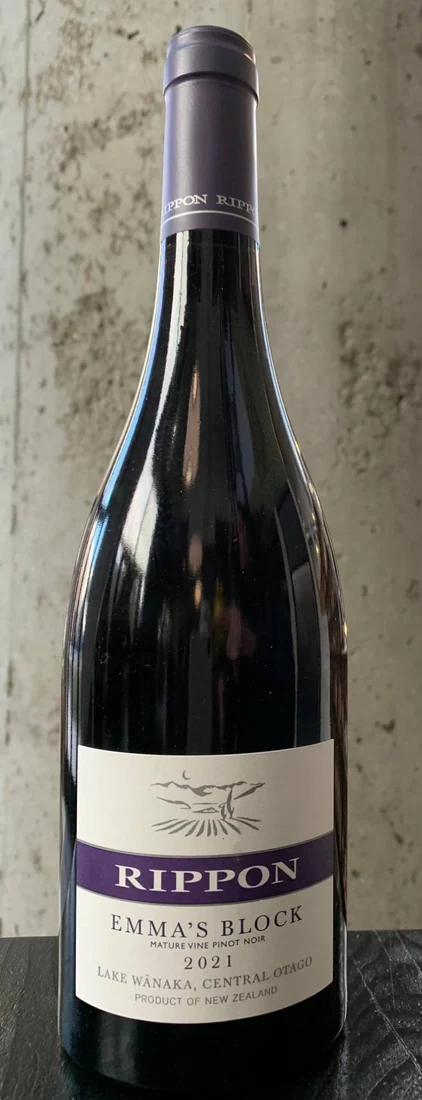
- Rippon (Central Otago): on the shores of Lake Wanaka, making Pinots that are a pure reflection of schist, long-lived, concentrated and deeply mineral.
Australia
- By Farr (Geelong, Victoria): father and son, Gary and Nick Farr, have built a cult following with wines of a markedly Burgundian sensibility and generous use of whole bunches.
- Tolpuddle Vineyard (Coal River Valley, Tasmania): in cool Tasmania they make Pinots of remarkable precision, combining ripe red fruit, notes of shiitake mushroom and a firm tannic frame.
Argentina
- Domaine Nico (Mendoza): Laura Catena’s project devoted to Pinot at extreme altitudes above 1,100 metres. These Pinots are fresh, floral and vibrant, and they overturn the assumptions about heavy Argentine styling.
In Croatia the variety’s natural home is Plešivica, where Korak, Tomac, Šember and Kolarić Coletti have in recent years been making wines that are increasingly mentioned beyond national borders. Worthwhile interpretations also come from Kutjevo, where Krauthaker and Kutjevo d.d. show how Pinot Noir can adapt to a somewhat warmer continental climate.
The paradox in the glass: why is Pinot Noir so misunderstood?
Let us return to the tasters who were left unmoved at the start of this story. Their reaction is not the exception, it is the rule. Pinot Noir is probably the most misunderstood wine in the world, because it refuses to play by the rules of modern wine marketing.
We live in an age in which many palates have been calibrated to the “dense, black liquids” drawn from varieties such as Cabernet Sauvignon or Syrah. Those wines assault the senses: they are opaque, high in tannin and full in body. They communicate by force.
Pinot Noir communicates in a whisper. Cabernet Sauvignon wins through power. Syrah wins through intensity. Nebbiolo wins through structure. Pinot Noir rarely wins on the first sip. Its charisma arrives later. In layers. In nuance. In the moment you realise that, ten minutes in, you have returned to that same glass more often than to any other on the table.
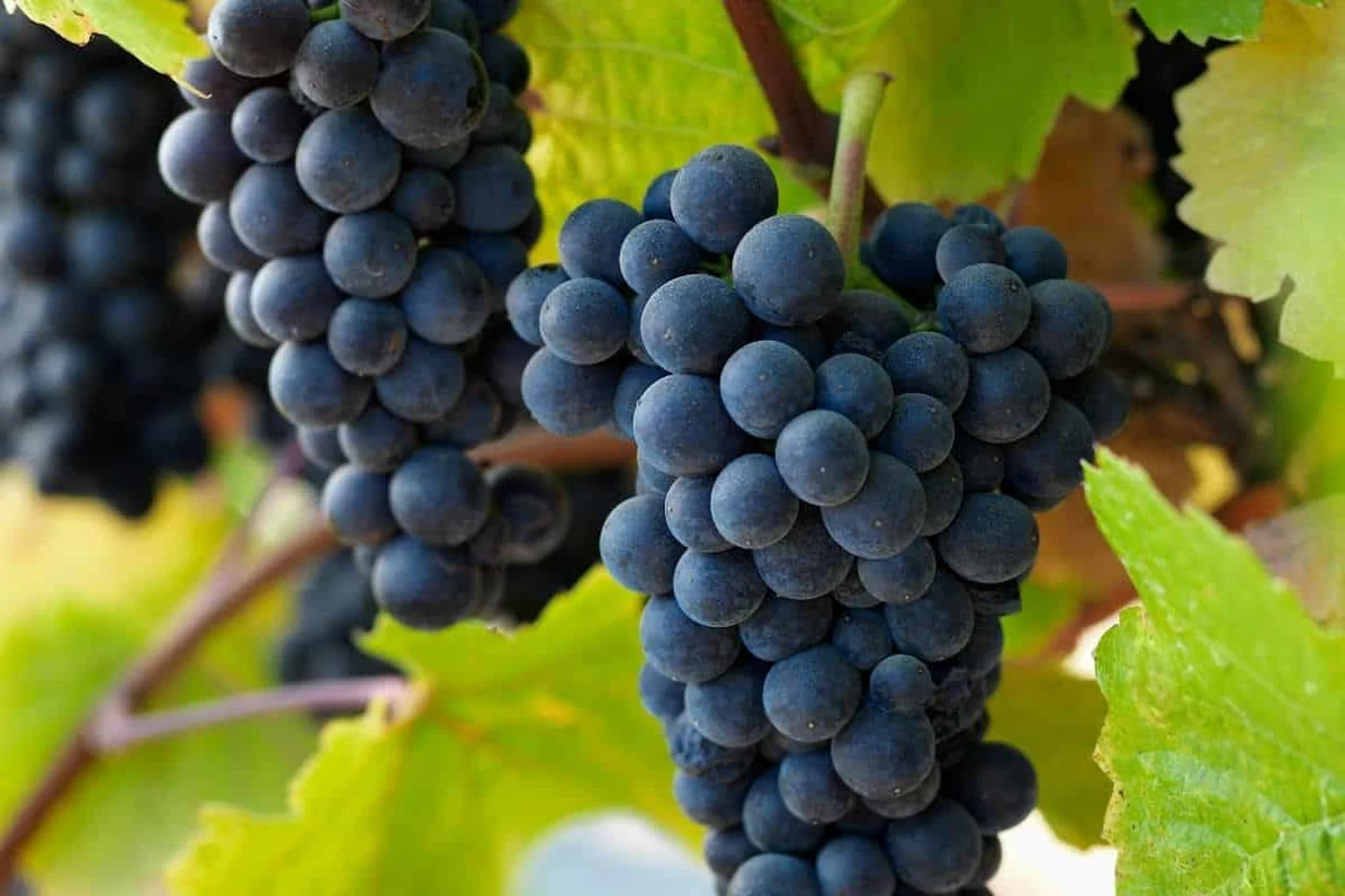
Because of its thin skin it naturally has dramatically less pigment and less coarse tannin. Poured out, it is a translucent, lighter ruby liquid. To someone expecting muscle, Pinot looks anaemic. But that is its greatest trap. Pinot Noir is an intellectual wine. It does not ask to be consumed, it asks to be listened to. Its strength lies not in weight on the tongue but in the explosion of aromas that unfold in the glass. Anyone looking in it for Cabernet will forever be denied the beauty of Pinot.
Burgundy’s new era: how global warming is rewriting the genetics of style
The question takes on a new dimension, however, when we look at what is happening in the vineyards today. The fate of Pinot Noir is changing under the influence of climate change.
Burgundy, which has historically balanced on the edge of climatic viability, now faces extreme heatwaves. The 2019 vintage, the source of our Dugat-Py, is a perfect example of that new reality. The style is being dramatically transformed: skins are thicker, wines take on deeper colour, tannins are firmer, and alcohol levels, which once rarely passed 12.5 per cent, now regularly climb above 14 per cent.
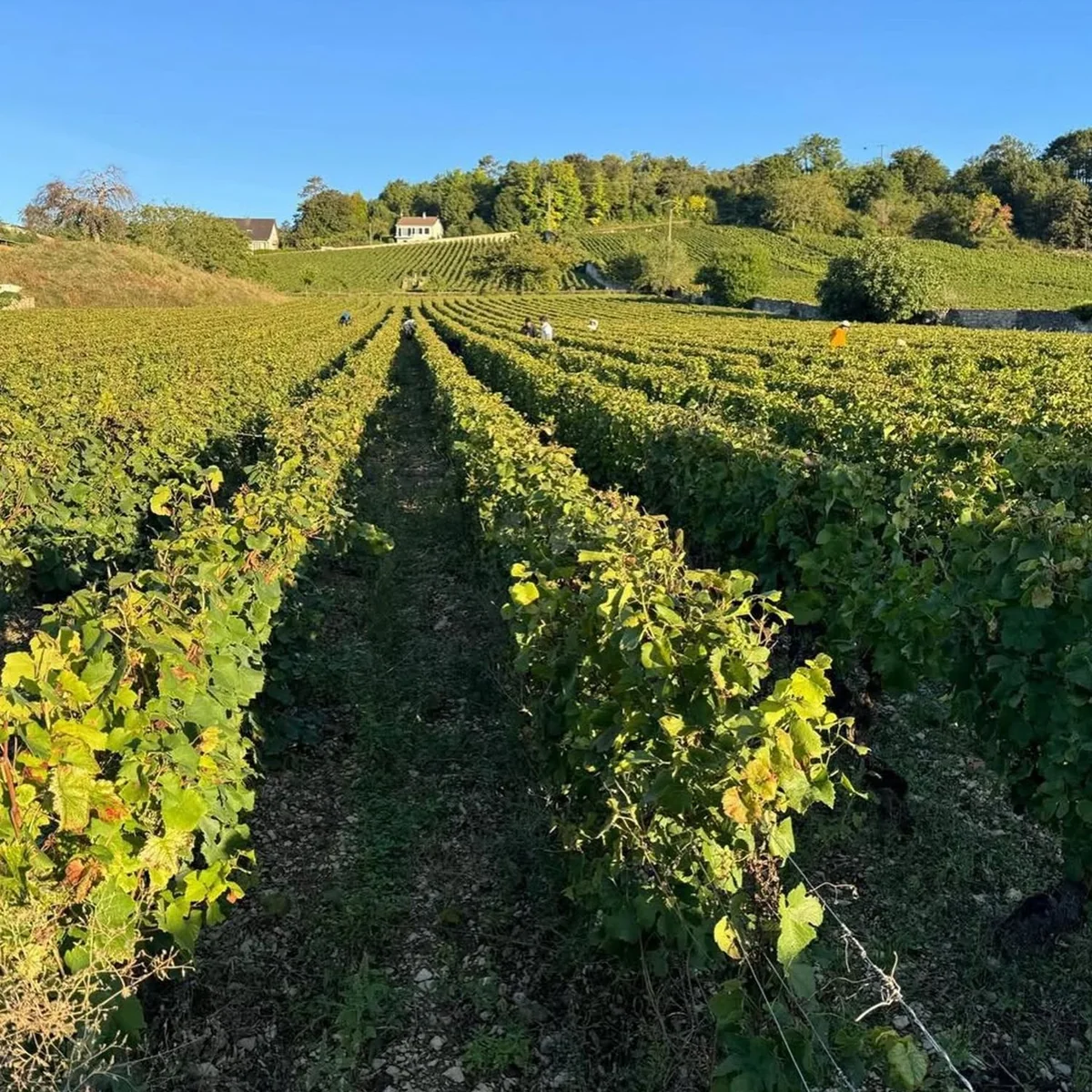
The wines are becoming jammier, moving closer to what a wider audience considers a “serious red wine”. Climate change is thus slowly solving the problem of those tasters who faulted Pinot for a lack of power. But at what price? Will Pinot Noir lose its silken soul?
Darwinism in the vineyard: Michelin grapes and a new selection
This climatic transformation imposes a harsh natural selection on the slopes of the Côte d’Or. In that new order, the gap between the wine elite and the rest of the region will grow deeper than ever.
It is telling that even the new Michelin guide to wine destinations singles out Burgundian estates, yet their standing was not created by guides or scores. It was built over centuries of consistency and by generations of growers who drew from the same parcels something the rest of the world is still trying to reproduce.
Instead of stars, Michelin grapes were awarded, and only nine elite estates earned the maximum three grapes, among them, as expected, Domaine Dugat-Py.
The growers at the very top, those keepers of tradition with three Michelin grapes, will survive and hold their positions. They have the resources, old vines with deep roots and the knowledge that allows them an almost obsessive control over every detail in the vineyard. For the rest, a painful reshuffle lies ahead.
Those who fail to adapt their viticulture will make wines that lose their recognisable Burgundian identity.
My view: Burgundy as the eternal, untouchable benchmark
Looking at the wider picture, the question is often raised: if the rest of the world makes such fantastic Pinot Noir, is Burgundy overrated?
My firm position is no. Unlike Chardonnay, which has been thoroughly democratised and whose finest versions, from Burgundian replicas to styles of their own, can be found from California to Australia, with Pinot Noir the story is different.
Yes, the rest of Europe and the New World are closer today than ever. Germany is technically brilliant, and New Zealand offers a fascinating purity of fruit.
And yet Burgundy remains the only benchmark for Pinot Noir. It possesses that elusive third dimension, the mystique of terroir, a translucent elegance and the capacity to develop, across decades of ageing, aromas that cannot be replicated anywhere else.
All the other Pinot Noirs of the world, however brilliant, are in the end measured against it. It is the reference point of the wine world, the origin from which everything begins.
Conclusion: back to the table
When I think back today to that bottle of Dugat-Py Charmes-Chambertin 2019, it no longer matters which wine formally won the tasting. What remains in memory is only the debate it provoked.
And that is precisely its greatness.
Great wines do not have to win over everyone at the table. They make you pause, think and take a side. Pinot Noir will never have the darkest colour, the fullest body or the most tannin. But when it is great, it can convey a sense of place, of vintage and of the moment with a precision few varieties can reach.
That is why I believe tables will never be unanimous about Pinot Noir. And I hope they never will be. Because in a world that keeps getting louder, perhaps its whisper is exactly what deserves the most careful listening.