


 Written by: Tomo Jakopović
The first thing that comes to mind with Dalmatian cooking is light Mediterranean food, while the first association with Dalmatian white wine is Pošip: big, powerful, structured and often high in alcohol, so the question of how to reconcile the two, or rather how to pair them, is a fair one. And just when things start to look complicated as far as pairing goes, it is enough to recall all the other native Dalmatian varieties, which offer remarkable diversity and richness in the glass, for us to conclude with plenty of argument that these wines suit Mediterranean food perfectly. The real problem is that some of those varieties have been unfairly forgotten and are in the process of revival, so the quantities of wine on the market are still limited, although with a little effort they can be found. Choosing the right varieties in the vineyard ought to be one of the most important decisions for every winemaker, and while there was a good deal of wandering in the past, current trends show that Dalmatia has fewer and fewer introduced, non-native varieties, which are slowly but surely giving up their place to native cultivars. Winemakers’ awareness that, by growing native varieties, they are the guardians of Croatian heritage, along with at least a superficial understanding on the part of institutions that this really is national treasure, is changing the picture of wine Dalmatia. Add to that the fact that native wines can spark greater consumer interest and create added value, and it is entirely clear why the trends are shifting in favour of native varieties. A large role and responsibility in popularising Dalmatia’s native varieties should also be taken on by restaurateurs, who must give priority in their offer to authentic wines, regardless of the easier availability and more affordable prices of imported wines or wines made from imported varieties. And to return to the subject, the usefulness of Dalmatian white varieties in gastronomy, it is very easy to conclude that our wines fully suit Mediterranean cuisine, because in their diversity they cover almost every Dalmatian dish that calls for white wine.
Vislander’s Kuč is rich in acidity, with gentle and unpretentious aromas, and freshness is its main asset, just like the Cetinka of the Korčula winery Dine, so it will go well with light opening dishes such as salted anchovies, young cow’s milk cheeses or chicken and vegetable salads with a lemon dressing. Bibić’s Debit has a somewhat fuller body and therefore a somewhat wider use at the table, so it is good served with prosciutto and young to medium-aged cheeses, fried picarel or mussels buzara. Similar food will also be matched by the Vlaška of the Kaštela winery Matela, which has shown that besides the stainless steel version it gives very good results in wooden barrels too.
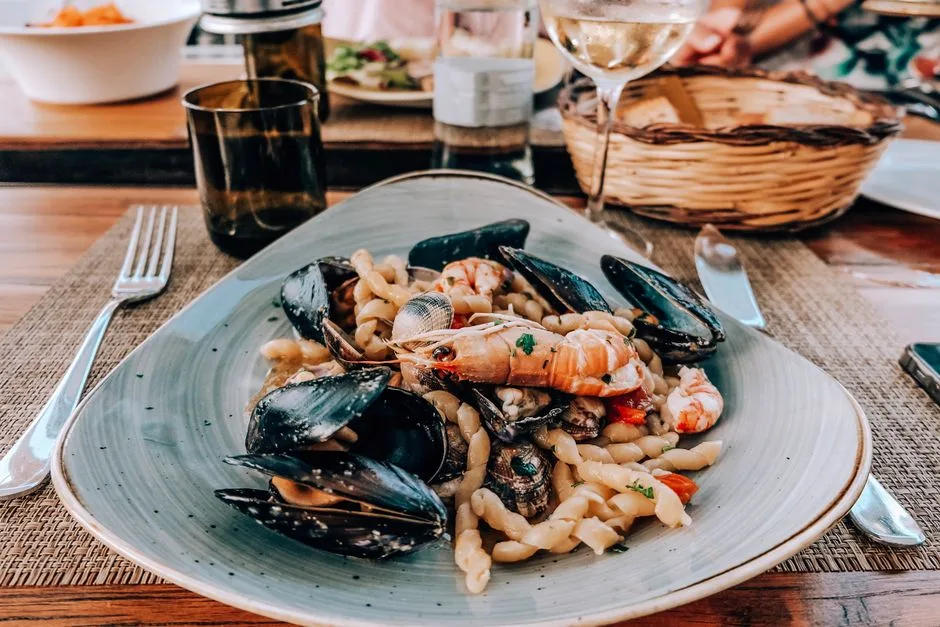
The Prč of the Vujnović family from Hvar is reputed to be an exciting aromatic wine of lower structure and acidity, and it should be viewed through that prism; it finds its place alongside young goat’s cheeses, pasta with prawns and lighter grilled meats with vegetables.
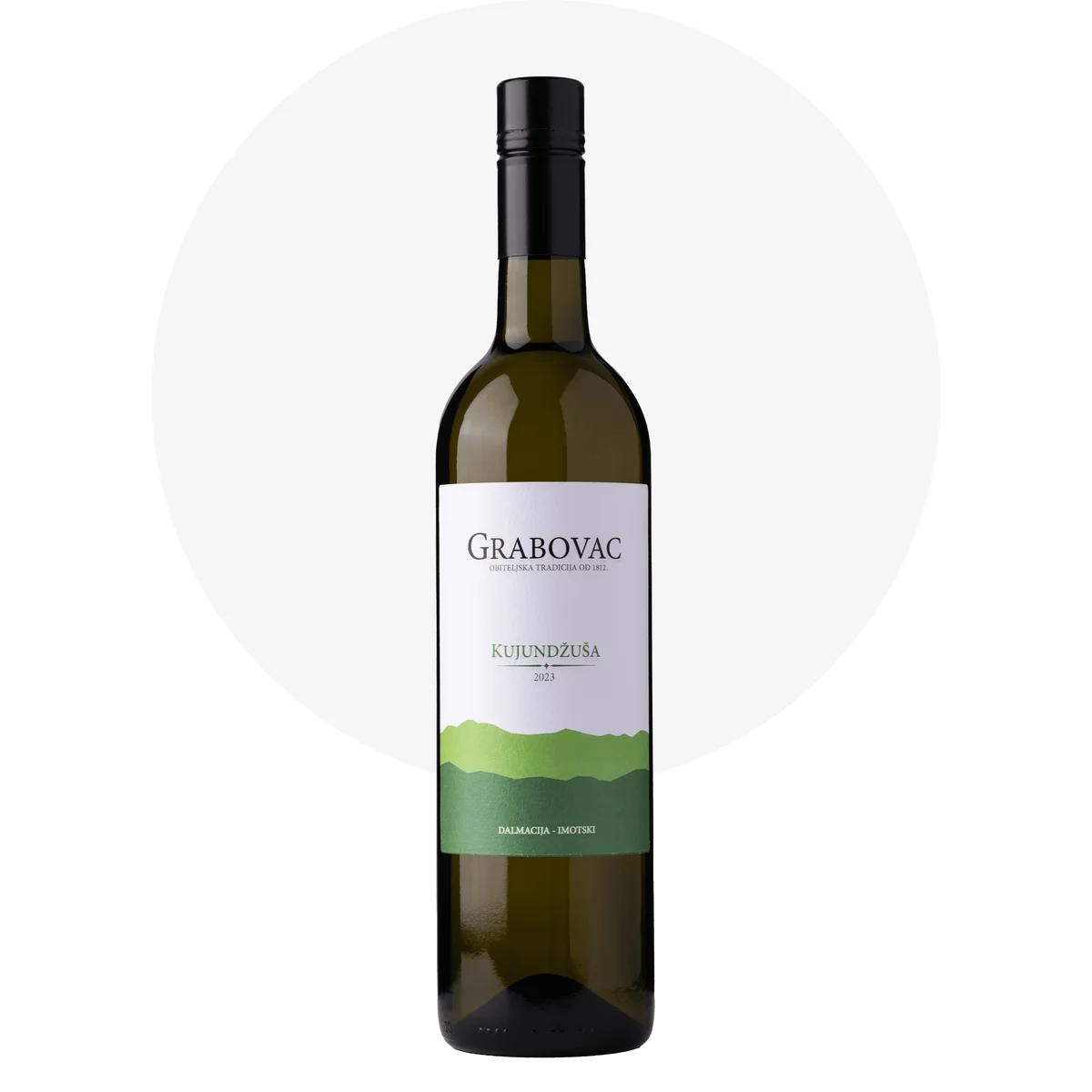
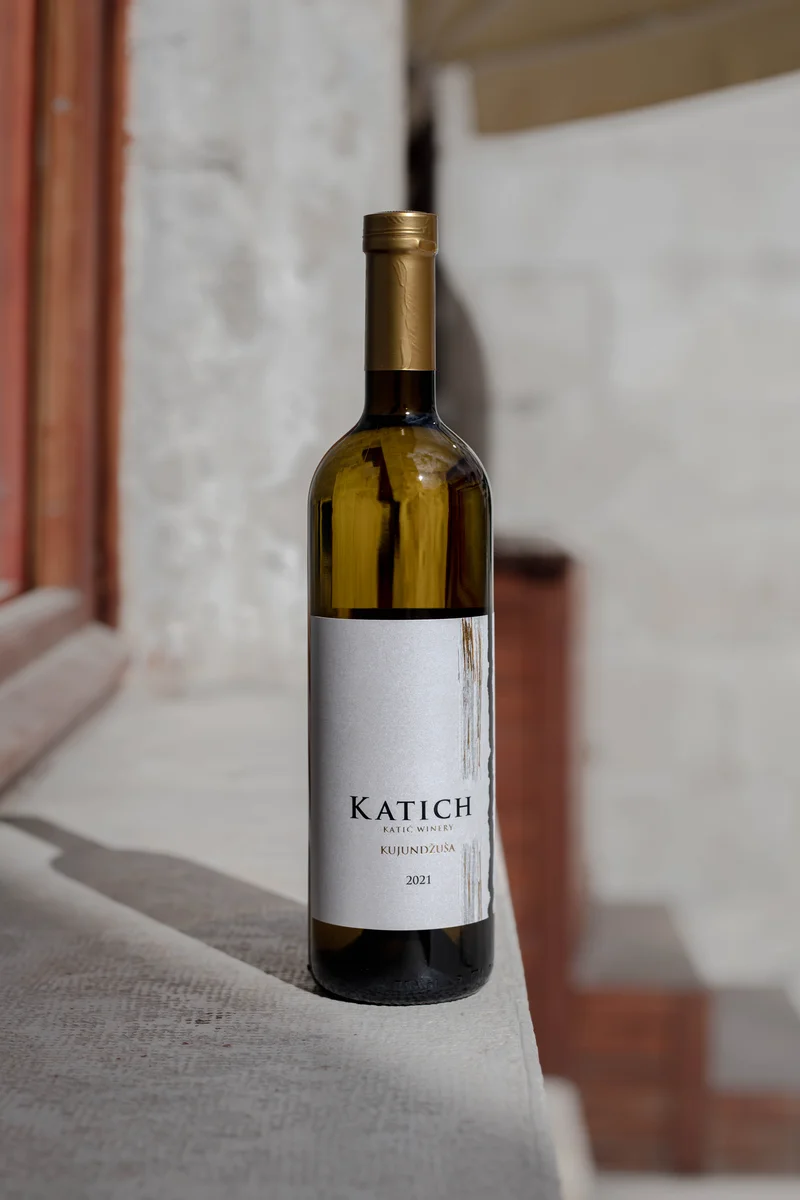
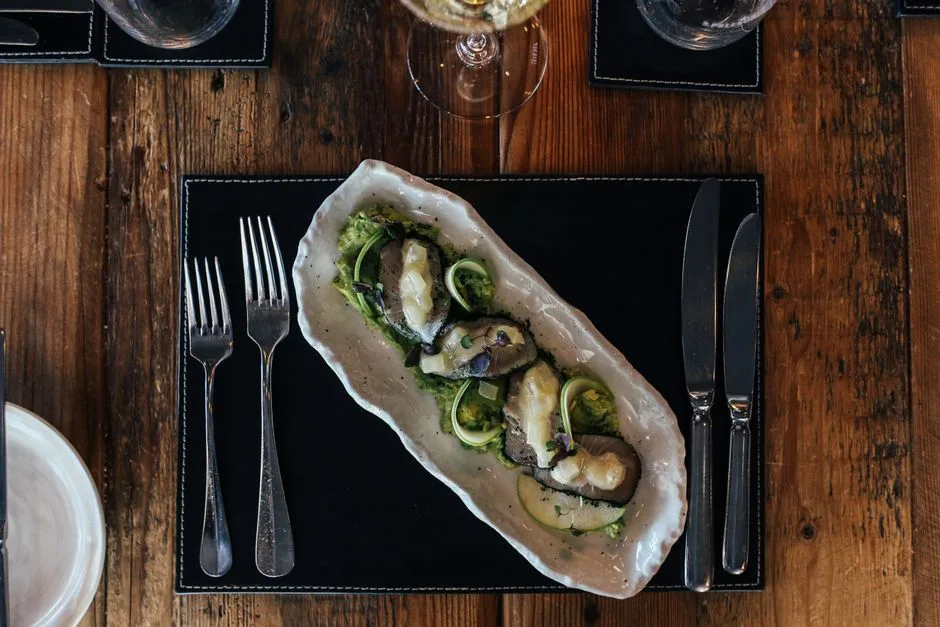
Kujundžuša is shedding the stigma of a mass-produced, cheap wine thanks to the Grabovac and Katich wineries, which have turned it into a top wine with broad gastronomic use, and it is best served with young, soft cheeses, fish carpaccio and tartare, poached fish, chicken and turkey.
The Vrgorac Medna of Ivica Radalj is a wine that is aromatically, in flavour and in structure ready to follow slightly bolder dishes such as octopus salad, white sea fish, lighter poultry dishes, pasta and risotto with seafood, and besides the simple, fresh version it also gives good wines from barriques.

The Zlatarica of the great wine enthusiast Dario Gašpar is charming and challenging, and gastronomically it is as versatile as Medna, with the addition that it goes perfectly with raw oysters and a few drops of lemon.
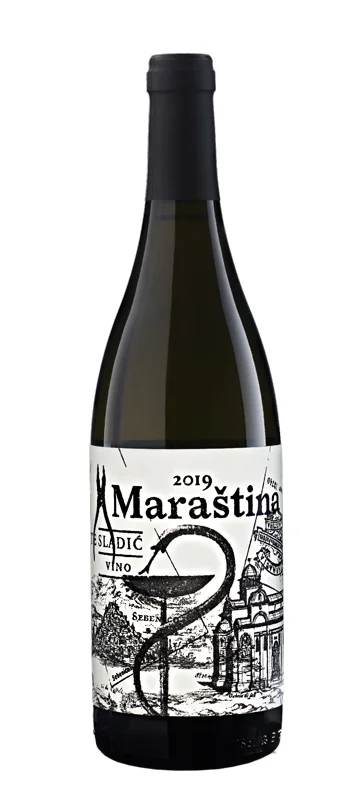
Bartulović’s Rukatac, and especially the Maraština of Ante Sladić, will go well with shellfish and smaller crustaceans, poultry with rich sauces, poached lamb or veal, and also those same cuts prepared under the bell. Although it is the same variety, the wines are different: Rukatac, as it is called on Pelješac and the islands, often has more alcohol, lower aromatic intensity and lower acidity, unlike the Maraština from the Šibenik hinterland, which is fresher, more aromatic and somewhat lower in alcohol.
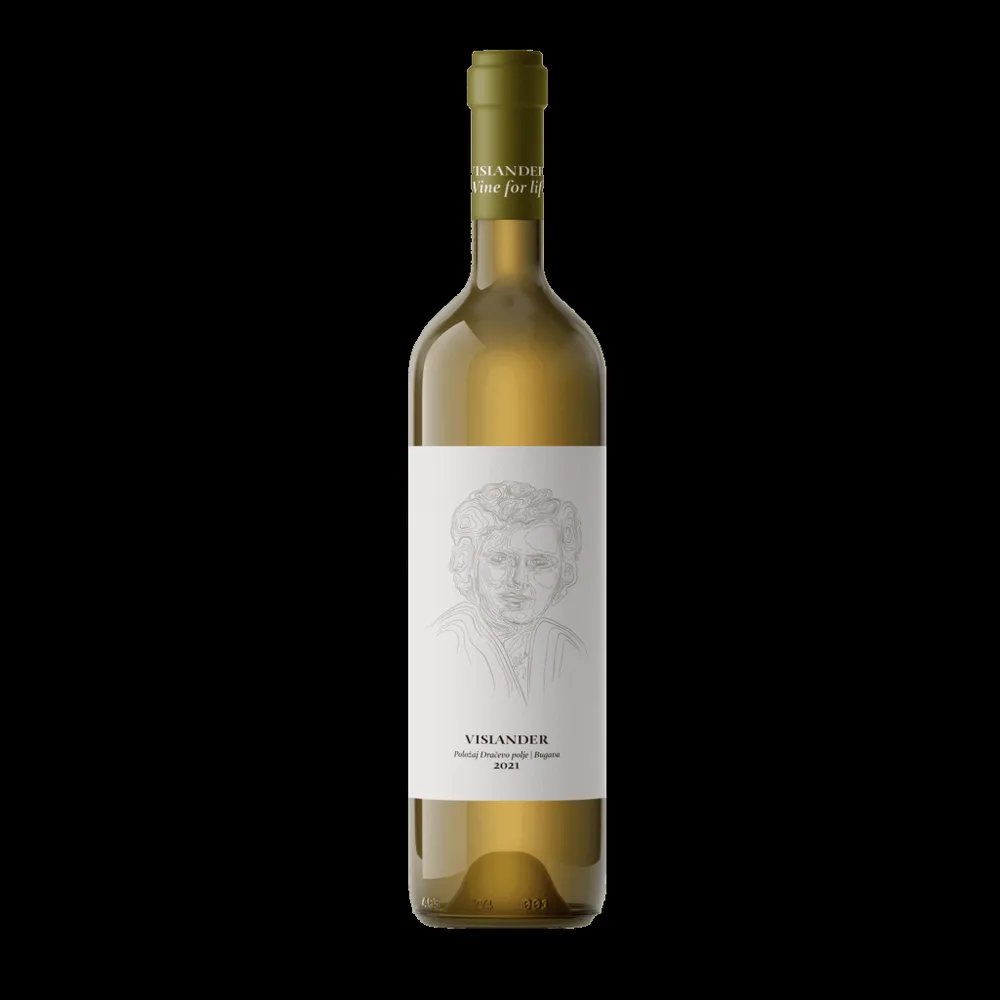
The Vugava of the Vis winery Vislander is marked by a layered, moderately intense nose, serious structure and a rich palate, so it will go well with large grilled fish, oily fish, grilled squid, and veal and lamb under the bell, and one should not shy away from steak tartare either, with which it is proven to cope well.
Almost all of those dishes will be matched equally well by the Grk of Bire or Zure. Along with Vugava and Pošip, Grk is among the most potent Dalmatian varieties, and it allows by far the widest range of stylistic interpretations, from sparkling wine through young, fresh and aged wine all the way to prošek, and its use in gastronomy is just as broad.
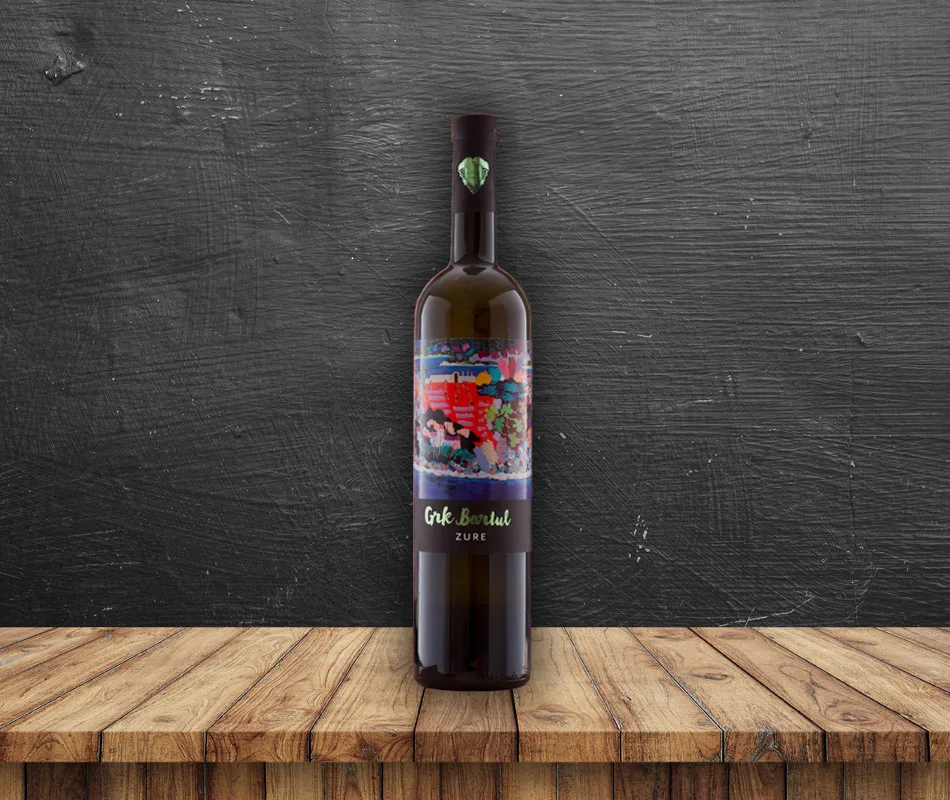
Finally Pošip, which in economic terms is the most important white variety of Dalmatia, is just as important as a companion to Dalmatian cooking. Depending on the style of the wine and the vision of the winemaker it covers an enormous gastronomic range, and one of the best, Sveti Ivan of the Šain-Marelić winery, can accompany raw shellfish, large grilled fish, large crustaceans, oily fish, various meats and above all veal and lamb, a classic barbecue and a great many other dishes.
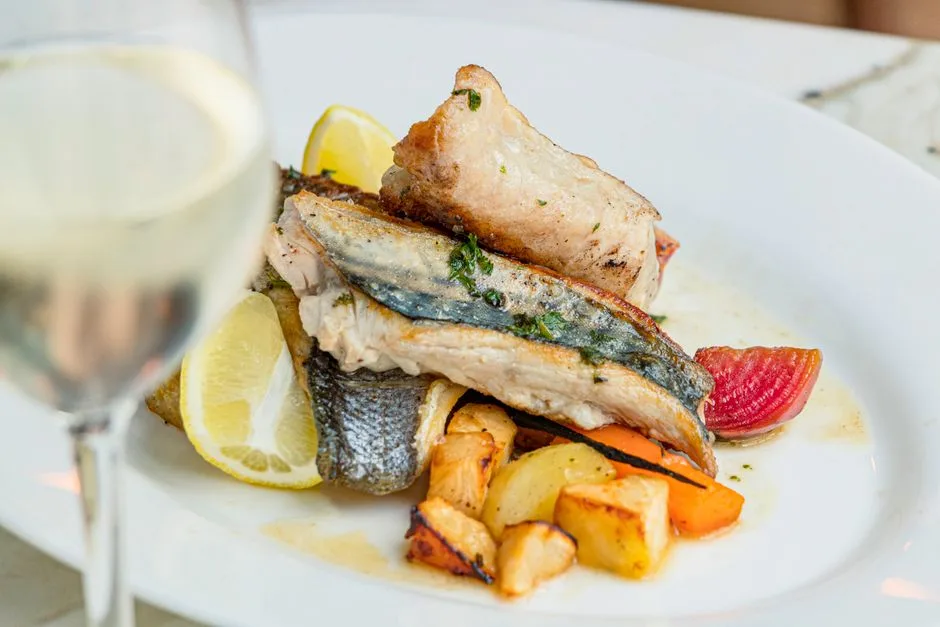
And now, when we look at all these wines and their characteristics, it is not hard to conclude that Dalmatia has the answer for its cuisine in its own wines. All it takes is a little knowledge and faith to put together a gastronomic story worthy of the greatest tables.