

 Written by: Krešimir Kožić, Vinski klub
Margaret River is one of the most isolated wine regions in the world. It lies about a three-hour drive south of Perth, on the west coast of Australia. A few facts best illustrate the scale of that isolation: to the west, it is almost 8,000 kilometres from the African coast, while to the south some 3,500 kilometres of the Southern Ocean separate it from Antarctica. Reaching Sydney requires a road journey of more than 4,000 kilometres.
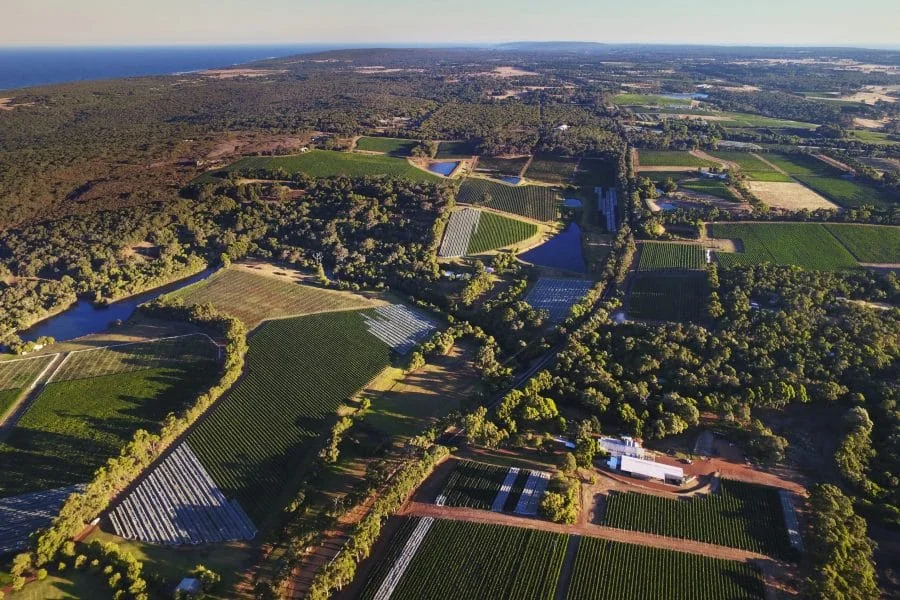
The region is in fact a peninsula surrounded by ocean to the north, west and south. It is precisely this unique position between the Indian and Southern Oceans that decisively shapes its climate and winegrowing identity.
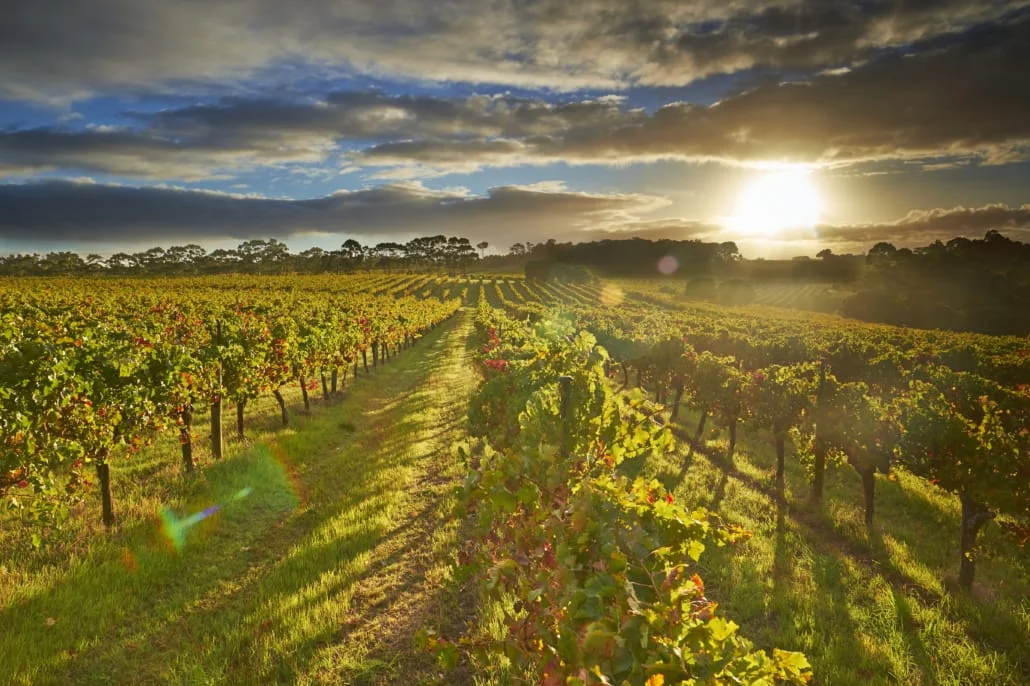
Margaret River is not a large wine region. It stretches roughly 110 kilometres from north to south and a mere 27 kilometres from east to west. Yet within this relatively small area some of the world’s finest Cabernet Sauvignons and Chardonnays are made. The region’s reputation rests on a unique combination of isolated geography, ocean currents, a moderate Mediterranean climate and Australia’s very ancient soils.
The history of viticulture here is relatively short compared with Europe’s wine regions. The first modern vineyards were planted only in 1967. Today vines cover approximately 5,840 hectares, while it is estimated that more than 200,000 hectares of land have the potential for growing grapes. That figure best illustrates how selective the region’s development has been — focused on quality, not quantity.
One of the region’s distinctive features is the so-called Forest Grove soil, an iron-rich gravelly earth that provides excellent drainage and favours even ripening of the grapes.
Margaret River is also one of the few important wine regions in the world never to have been struck by phylloxera. The highest vineyards sit at around 230 metres above sea level, and harvest usually begins in February and lasts until the end of April, depending on variety and site.
The most widely planted varieties are Cabernet Sauvignon, Chardonnay, Sauvignon Blanc and Semillon, with Malbec and Riesling found on a smaller scale.
Why are the wines of Margaret River so highly regarded?
Many years ago I encountered the wines of Margaret River for the first time. At the time I was rather sceptical about New World wines. However, one of the first wines that truly impressed me was Cape Mentelle Cabernet Sauvignon 2013. It made such an impression that I put several bottles away in my own archive.
An even stronger impression came from a blind tasting dedicated to Bordeaux and Bordeaux-style blends. Among famous names such as Château Brane-Cantenac, Château Palmer and several distinguished Super Tuscans, the Australian representative from Margaret River simply shone. Many participants were surprised when they discovered its origin and age — and even more so its exceptional ratio of quality to price.
An equally powerful impression came from an encounter with Chardonnays of the 2022 vintage, when Vasse Felix Heytesbury Chardonnay shared first place with Catena Zapata White Bones Chardonnay. Several respected Burgundian Premier Cru wines finished behind them, despite their many times higher price.
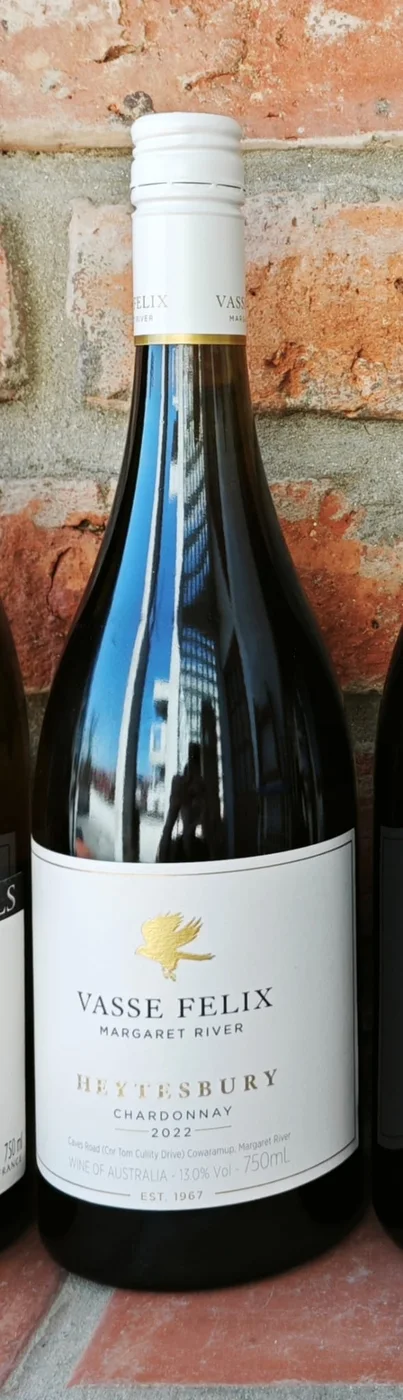
Chardonnay as the region’s signature
What does a top Margaret River Chardonnay call to mind?
In my opinion, it is a fascinating union of the finest Grand Cru Chablis and the great Chardonnays of the Côte d’Or, whether Premier Cru or Grand Cru. And yet Margaret River brings its own recognisable signature: pronounced freshness, precision and a power that never tips into heaviness.
Such wines are characterised by firm structure, vibrant acidity and impressive balance. The aromatic profile often reveals notes of white peach, citrus and wet stone, along with the recognisable flinty, reductive nuances that further underline their complexity.
From pioneers to a world reputation
At the beginning of the 1970s the region had a mere 13 wineries — the producers we today consider the pioneers of Margaret River. Now there are more than 200, which speaks volumes about the region’s success and about the vision of the winemakers and oenologists who believed in the potential of this sparsely populated corner of Australia from the very beginning.
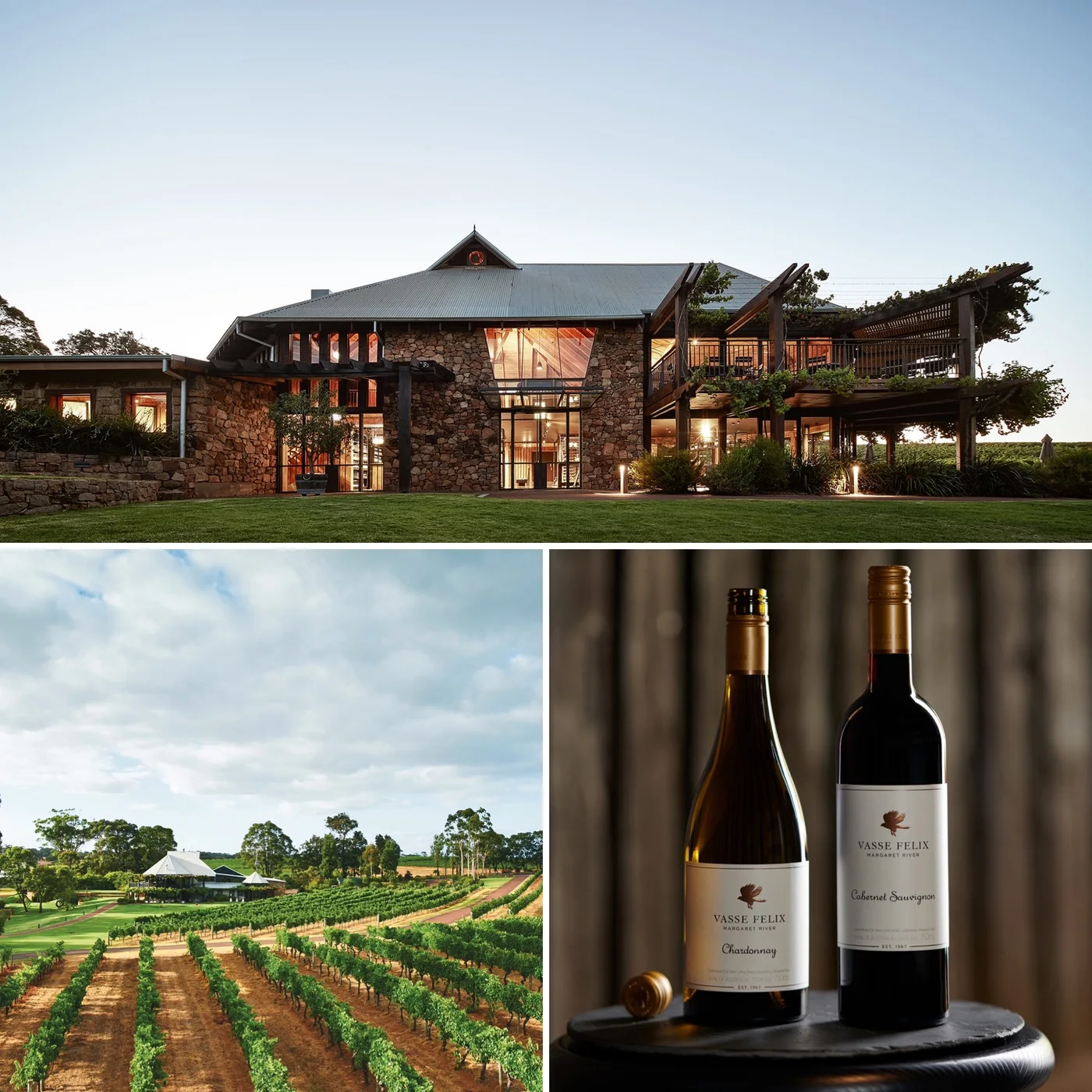
Margaret River is not known for wine alone. The region stands out for its exceptional biodiversity: an estimated 80% of its native plant species are endemic.
The Big Three of Margaret River
The three historically most important wineries of the region are:
- Cullen
- Leeuwin Estate
- Vasse Felix
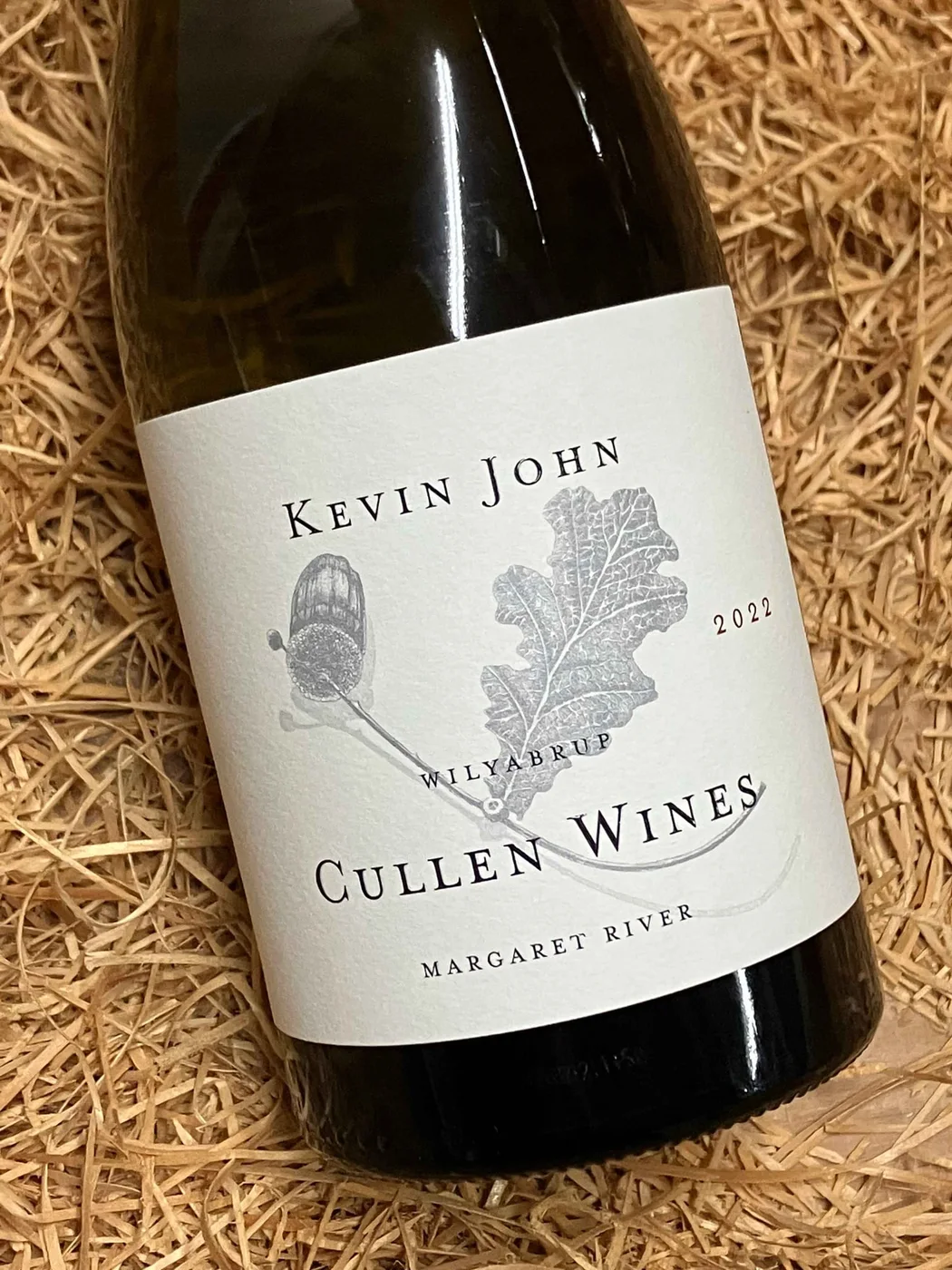
Recommendations for Chardonnay:
- Cullen Kevin John Chardonnay
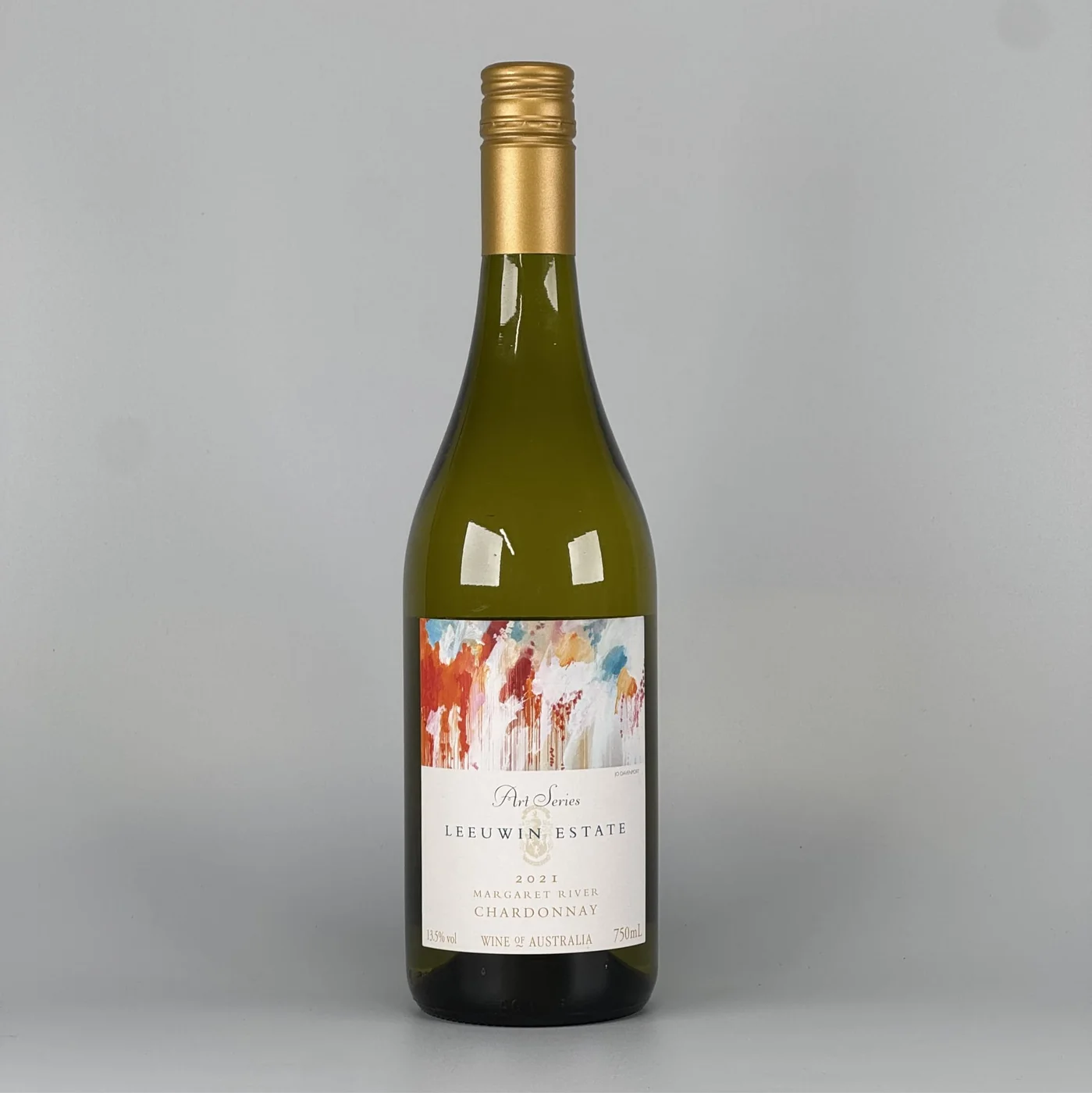
- Leeuwin Estate Art Series Chardonnay
- Vasse Felix Heytesbury Chardonnay
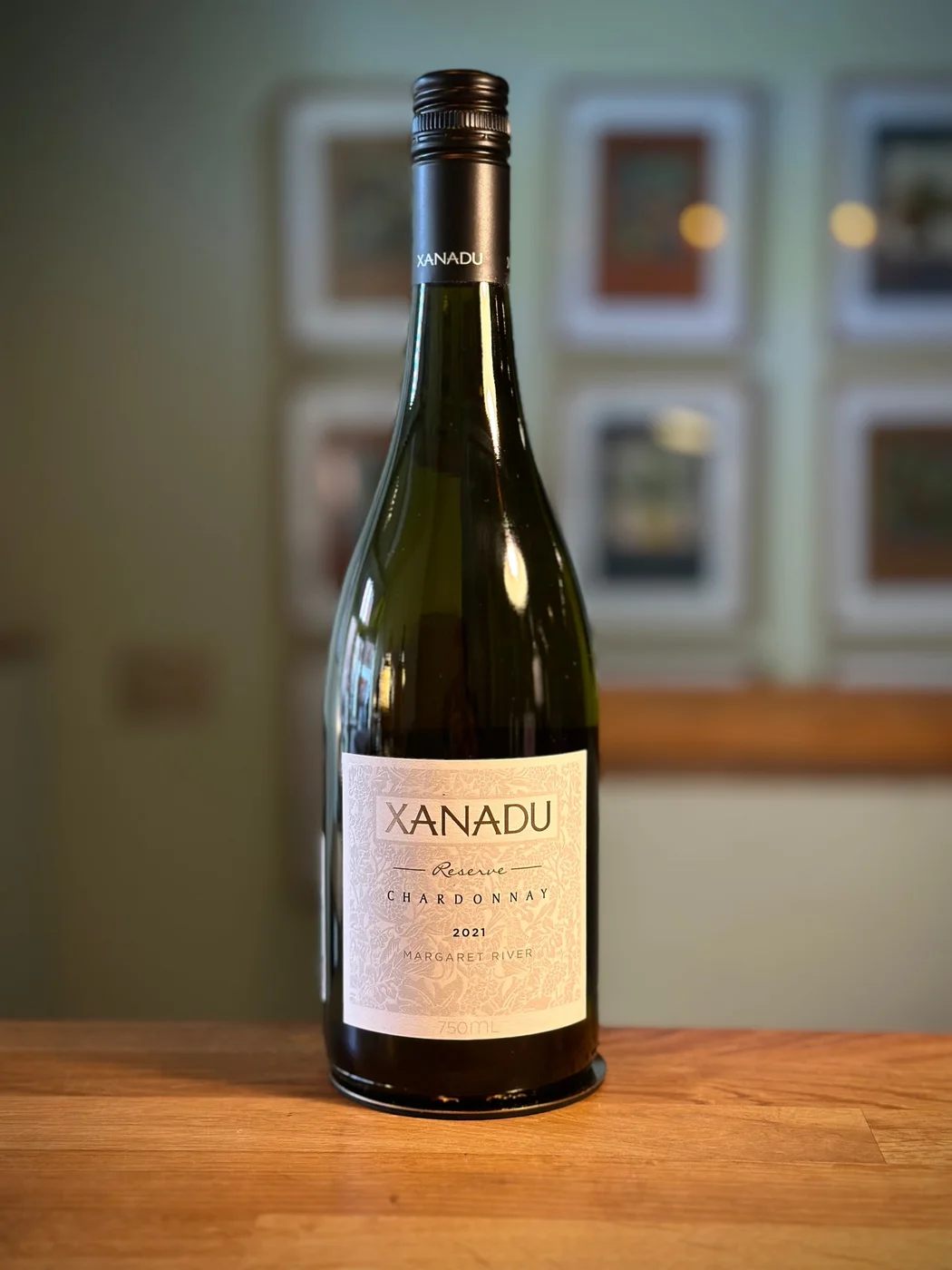
- Xanadu Reserve Chardonnay
Recommendations for Cabernet Sauvignon:
- Leeuwin Estate Art Series Cabernet Sauvignon
- Moss Wood Cabernet Sauvignon (Wilyabrup)
- Vasse Felix Tom Cullity
- Xanadu Cabernet Sauvignon
Lovers of aromatic white wines should certainly also seek out the Sauvignon Blanc labels of Vasse Felix, Domaine Naturaliste and Leeuwin Estate, as well as several very accomplished interpretations of Riesling.
If you love great white Burgundy, serious Bordeaux Cabernets, elegant Sauvignon Blancs or refined Rieslings, Margaret River is one of the wine regions you should make a point of getting to know. There are few places in the world that so convincingly unite the power of the New World with the elegance, freshness and refinement of the Old.
That is precisely why Margaret River today rightfully belongs to the narrow circle of the world’s most esteemed wine regions — one of the most exciting sources of wine for every serious wine lover.