

 Written by: Tomo Jakopović
Are new troubles threatening winegrowers?
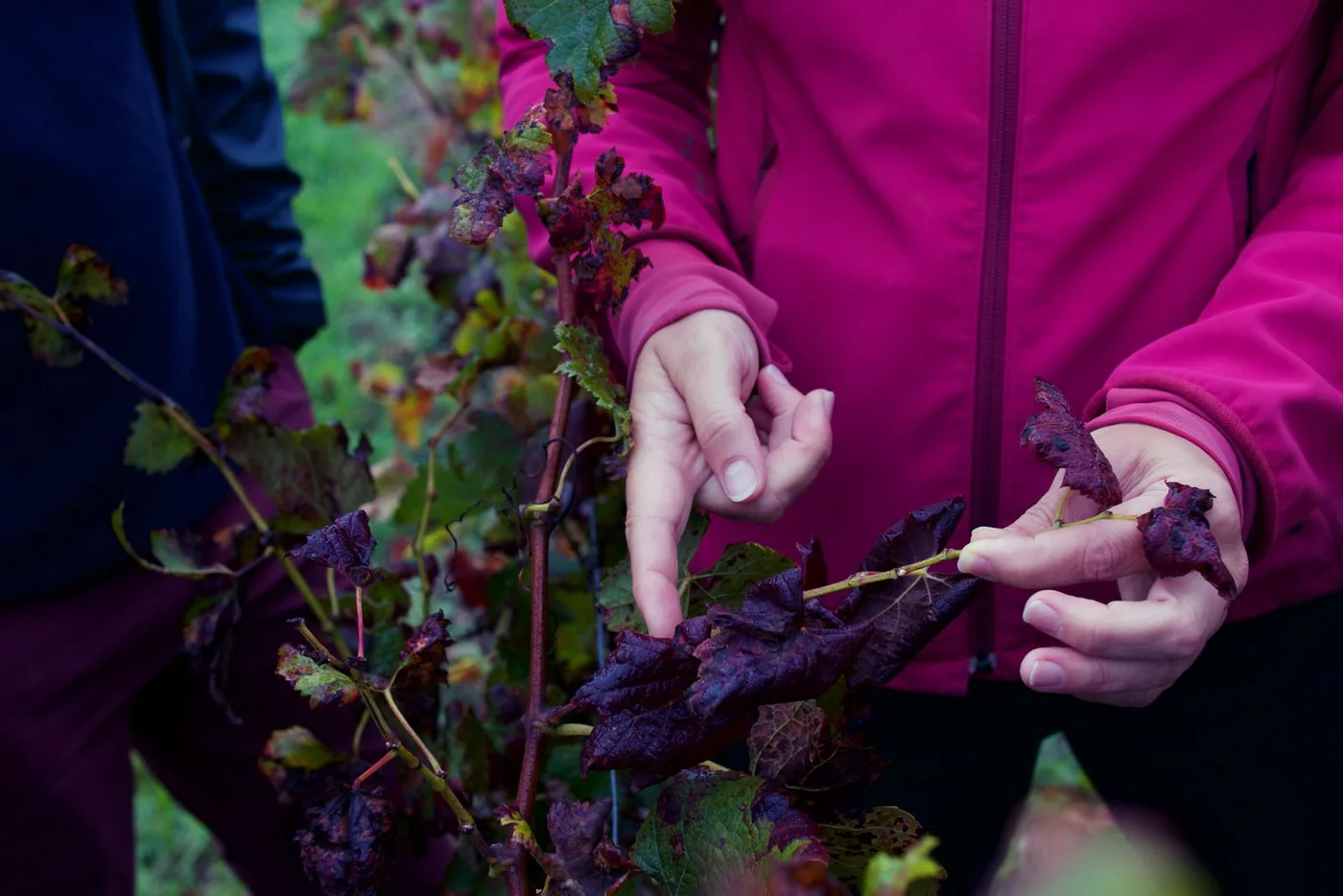
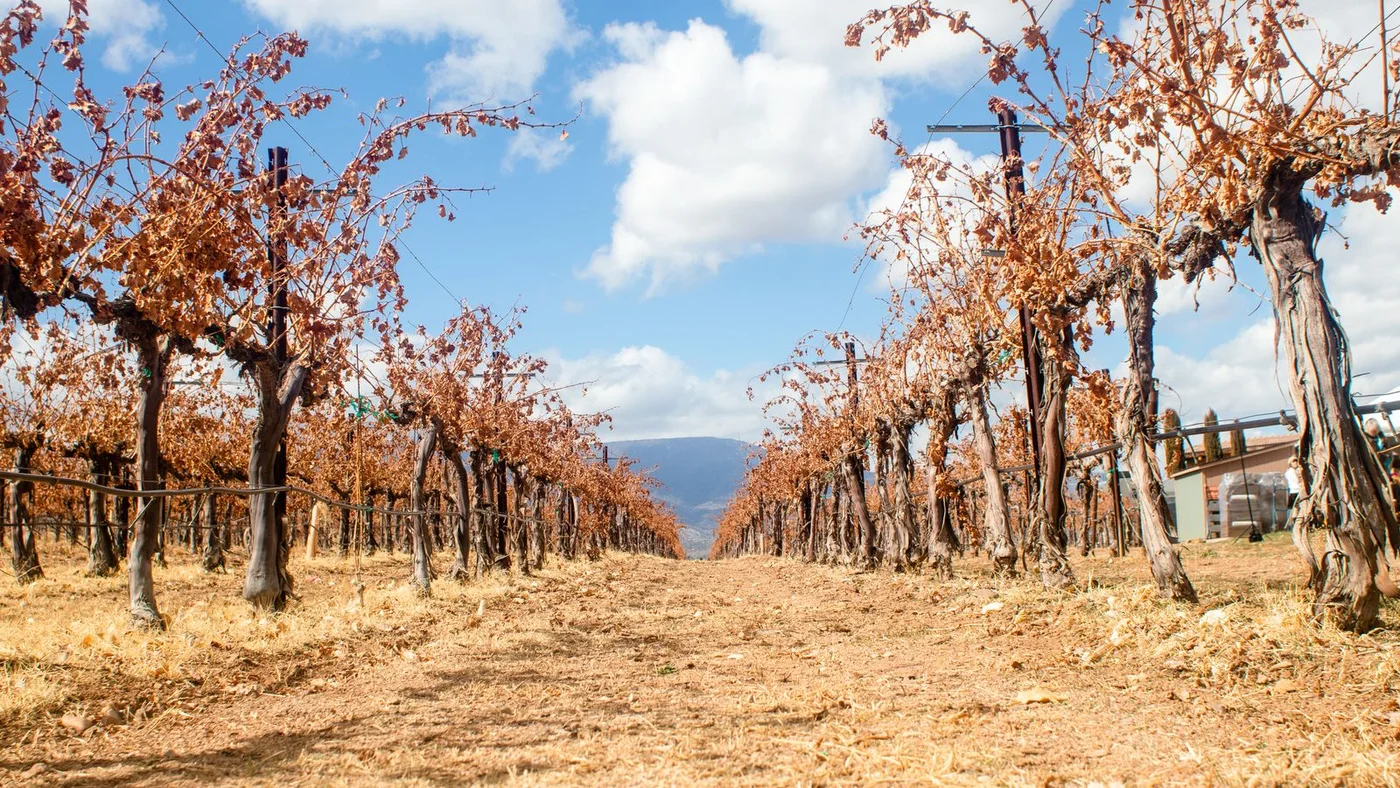
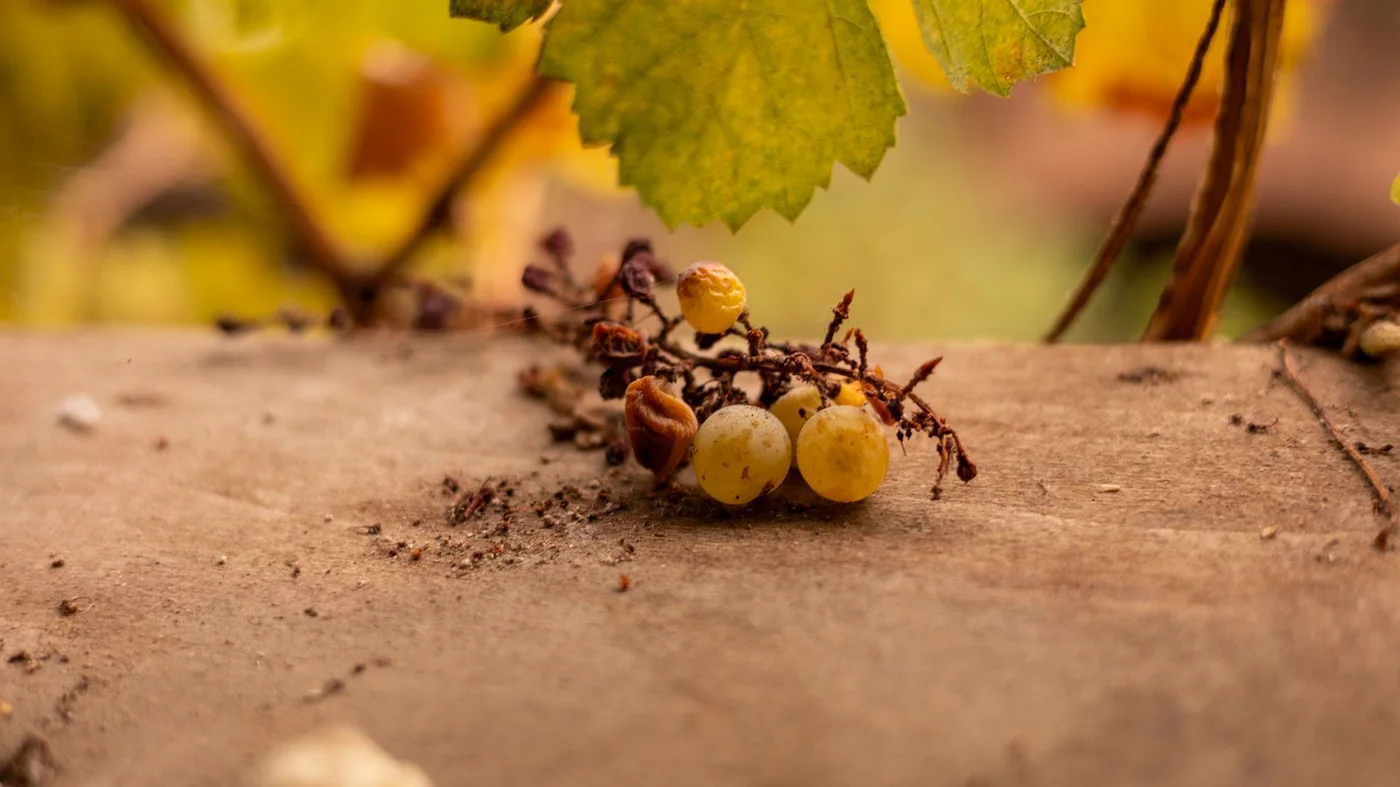
While European viticulture wrestles with the climate, a warning arrives from the west about a disease that could become the next major problem. Pierce’s disease, caused by the bacterium Xylella fastidiosa, blocks the movement of water through the vine, so the infected plant dies of dehydration and the leaves look scorched.
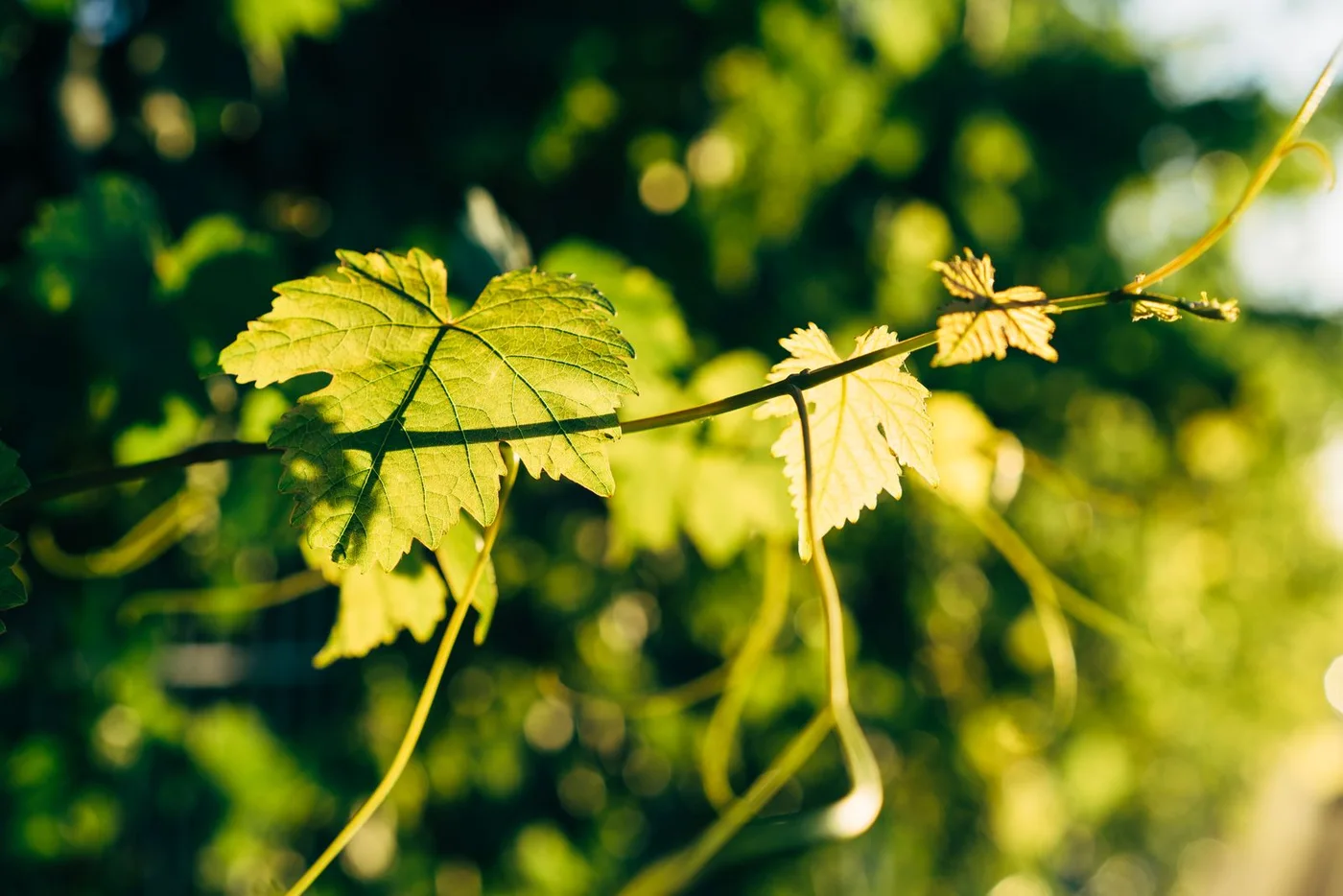
The bacterium is nothing new in Europe. In Italy it was detected on olive trees in 2013, on Mallorca it was confirmed on the grapevine in 2016, and in 2023 it was found in mainland Portugal as well. What is changing is the climate: milder winters suit both the bacterium and its vectors, so the risk zone is spreading northwards.
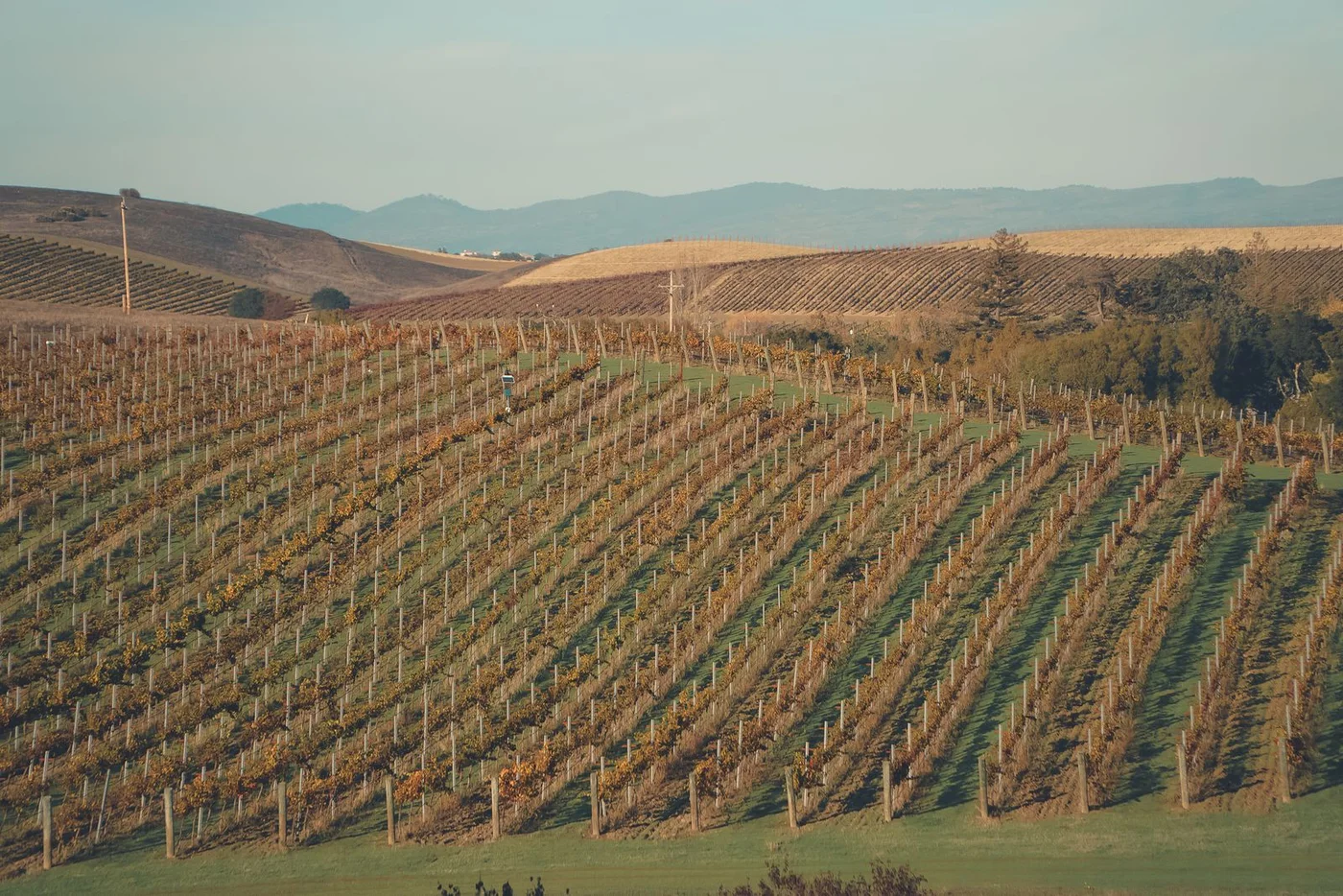
According to research from 2025, 41.2 percent of European vineyards lie within a climatically risky zone, and plantings along rivers and in valleys are particularly vulnerable, because such corridors connect otherwise separated areas. Estimates of possible losses for European viticulture run up to 5.5 billion euros, while California loses more than 48 million dollars a year to this disease.
The Californian school of control
Researchers are therefore turning to Californian experience, where the disease is fought through early detection, control of the vector and the planting of resistant crossings. At the University of California, Davis, the varieties Ambulo Blanc, Caminante Blanc and Paseante Noir were developed, carrying resistance to Pierce’s disease, although it is hard to expect that European countries, conservative in wine matters, will plant these cultivars on any serious scale.
For Croatian winegrowers this is a familiar pattern. The vectors of the disease are leafhoppers and related species, as with flavescence dorée, and the measures follow the same logic: early recognition of symptoms, control of the vector and discipline in reporting suspicious vines. A healthy vineyard remains the first condition of good wine.