

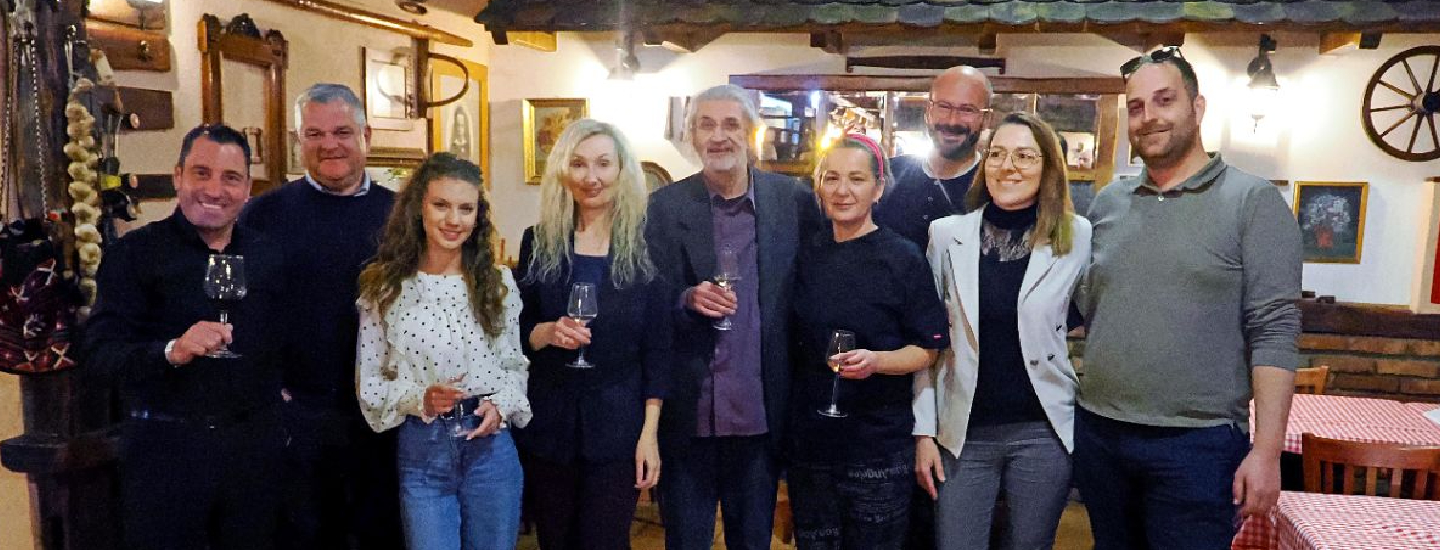
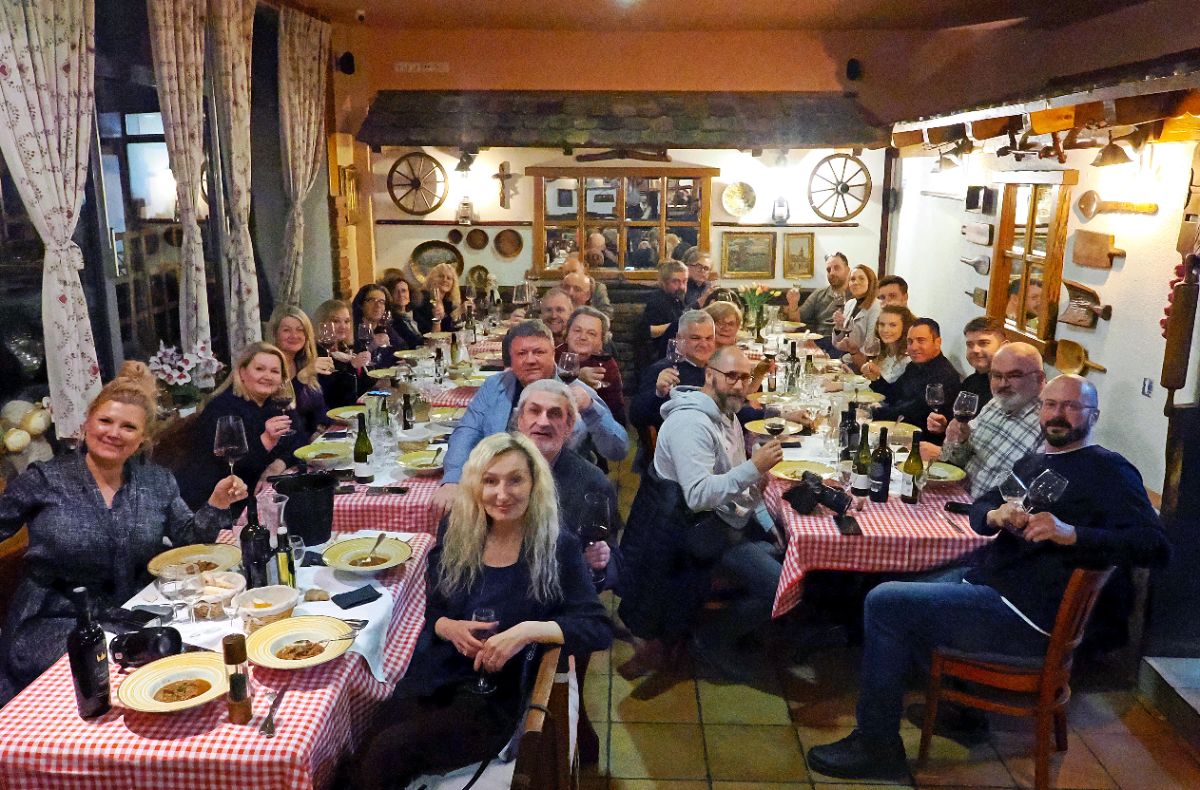
The thirty-first edition of the eno-gastro project Wine by the Spoon (Vino uz žlicu) was held in Zagreb, at the bistro Gableraj Poma, whose owner is Anita Letica.
This Zagreb bistro, opened four months ago, is becoming ever more recognised among lovers of good food for its relaxed atmosphere, creative cuisine and emphasis on seasonal ingredients. “We try to cook the way our mothers and grandmothers did,” says Ms Letica. Gableraj Poma cultivates a modern bistro style in which home flavours are interpreted in a contemporary way, while the pleasant interior and informal atmosphere create an ideal space for gastronomic gatherings such as this. Special attention is paid to quality ingredients and thoughtful food-and-wine combinations, which fits perfectly into the concept of the Wine by the Spoon project.
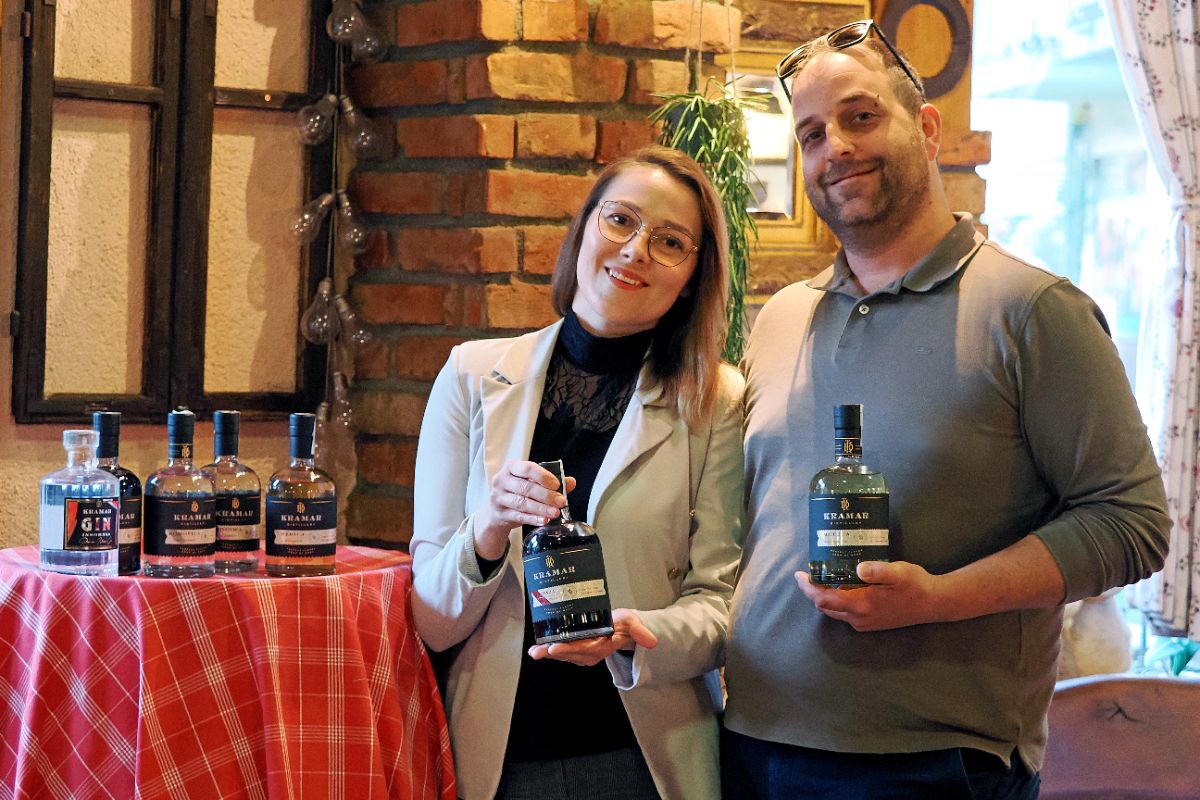
Before the start of the 31st Wine by the Spoon, an eno-gastro project run by Renata Cisar and Mustafa Topčagić, the guests’ appetites were opened by selected rakijas and a gin from the Kramar distillery in the village of Kramari near Motovun. The distillery owners, Valter and Danijela Kramar, have for eight years nurtured a tradition of producing top-quality distillates with an emphasis on natural ingredients and authentic flavours. Danijela Kramar presented the rakijas Medica (very honeyed, containing as much as 35% honey), Višnja (sweetish and full-flavoured), Komovica (a grape marc made from Teran and Malvazija Istarska), and Šljiva (atypical for Istria but much sought after, made from the Čačanka and Stanley plum varieties). In producing their rakijas, of which they have nine labels in total, they use a specially guarded recipe from their grandparents. Over the past year they have also been making a Gin whose dominant flavour is juniper (brinj) – aromatic, citrusy and fresh – which, they say, has been exceptionally well received. These distillates were an ideal introduction to the eno-gastronomic evening, as their aromas awaken the palate and prepare it for the sequence of dishes and wines.
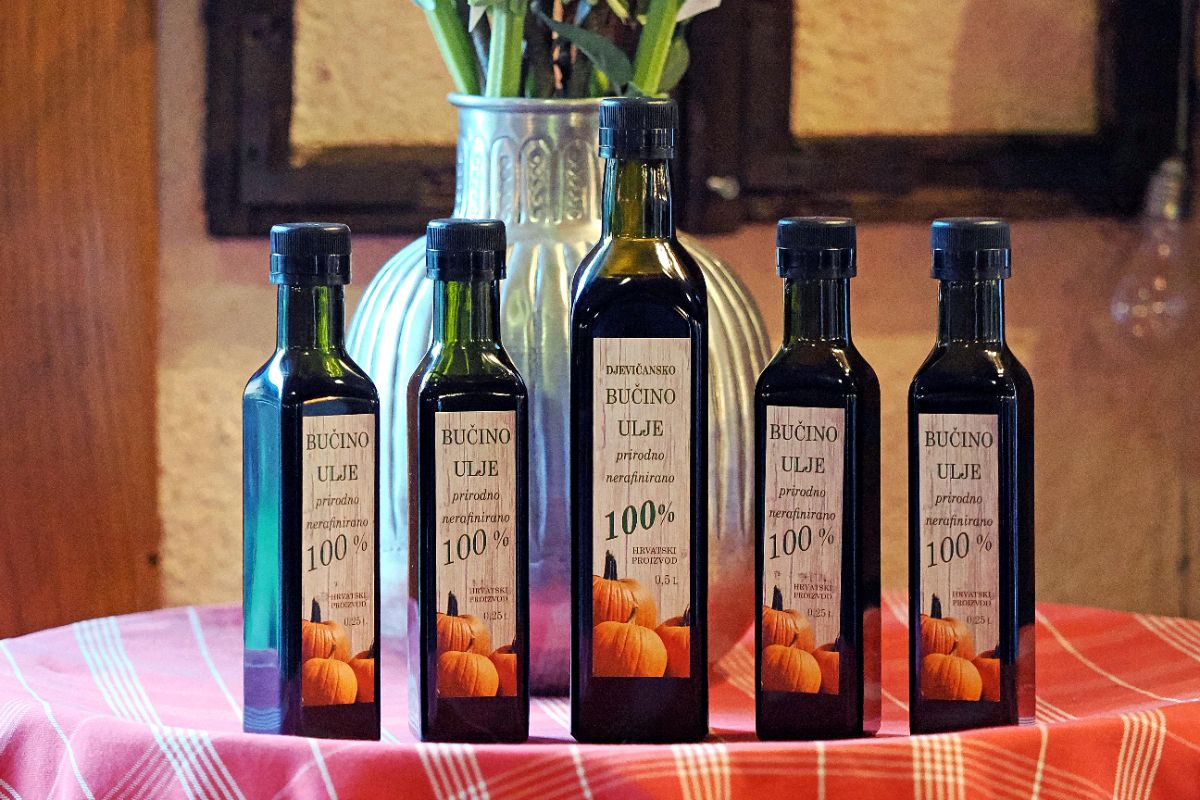
Alongside fine morsels of homemade bread rolls, guests also tasted a 100% natural and pure pumpkin-seed oil produced by OPG Janja Kišić from Satnica Đakovačka near Đakovo. On their farm, which spans 51 hectares, the Kišić family grows more than ten different crops. Each year, on roughly 10 hectares, they produce the pumpkin seeds from which they make their pumpkin-seed oil. Quality has always been their priority, and their oil was awarded quality champion in 2025 at the fair in Novi Sad, and that same year they also won a gold medal at the international pumpkin-seed oil exhibition in Varaždin. The beneficial effect of pumpkin-seed oil on health is widely known – it is rich in minerals and vitamins and is prized as a natural remedy. The outstanding quality of this pumpkin-seed oil from the very heart of Slavonia is attested by its extraordinary aroma, taste and colour, as well as by satisfied customers who keep coming back.
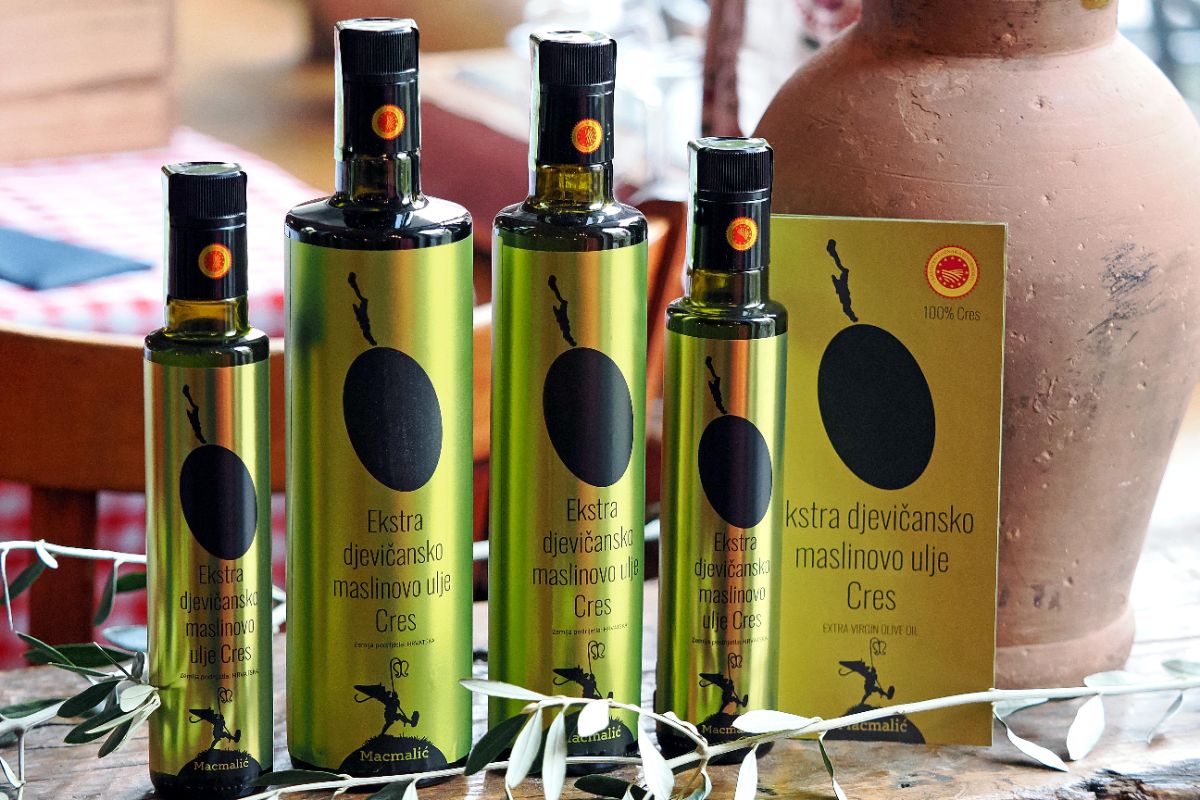
Guests also tasted the Cres extra-virgin olive oil which, under the Macmalić brand is produced by the Salković family and has just won a silver medal at the prestigious world competition in New York, of which they are immensely proud. This exceptional olive oil was presented by Daniele Surdić, who stressed that it is the first Croatian olive oil to hold a protected designation of origin within the EU, since 2013. Macmalić is in fact the name of a little forest elf with which grandmothers and grandfathers once used to frighten mischievous children. The oil is made from the island of Cres’s indigenous variety – slivnjača (šimjaca) – and is produced in the first days of harvest, which is why it contains higher levels of polyphenols that give it a more complex and intense taste and aroma. This method extends its shelf life and enriches its therapeutic properties. The oil is fresh and fruity, with a harmonious balance of bitterness and pungency and an aroma of freshly mown grass, making it perfect for the start of this gastronomic evening, as it highlights simplicity and purity of flavour.
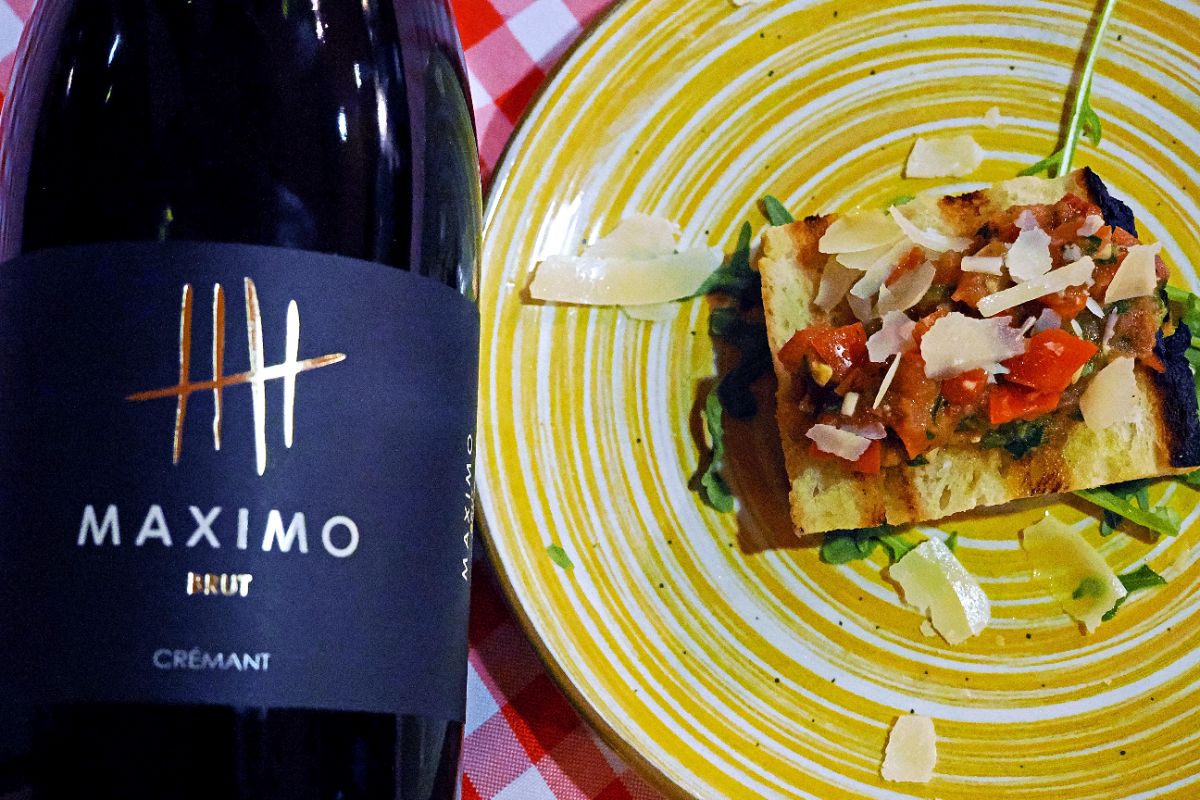
The evening began with a light bite – Poma Bruschetta, served with the sparkling wine Maximo Brut from the Kutjevo winery, whose continuity of winemaking has run uninterrupted since 1232. Produced by the classic Champagne method, it was presented by Davor Grivić from the sales and marketing team of Kutjevo d.d., also a sommelier by profession. The freshness and fine bead of this sparkling wine blended superbly with the aromatic bruschetta, creating a light and elegant opening to the evening. Maximo Brut is known for its freshness, lively acidity and refined citrus and fruit notes of ripe apple and acacia, which makes it an ideal aperitif and an excellent partner for the first bites. It is the first Croatian sparkling wine made exclusively from Grasevina (Kutjevo’s signature white variety), with an ice-harvest Grasevina added as the expedition liqueur (dosage).
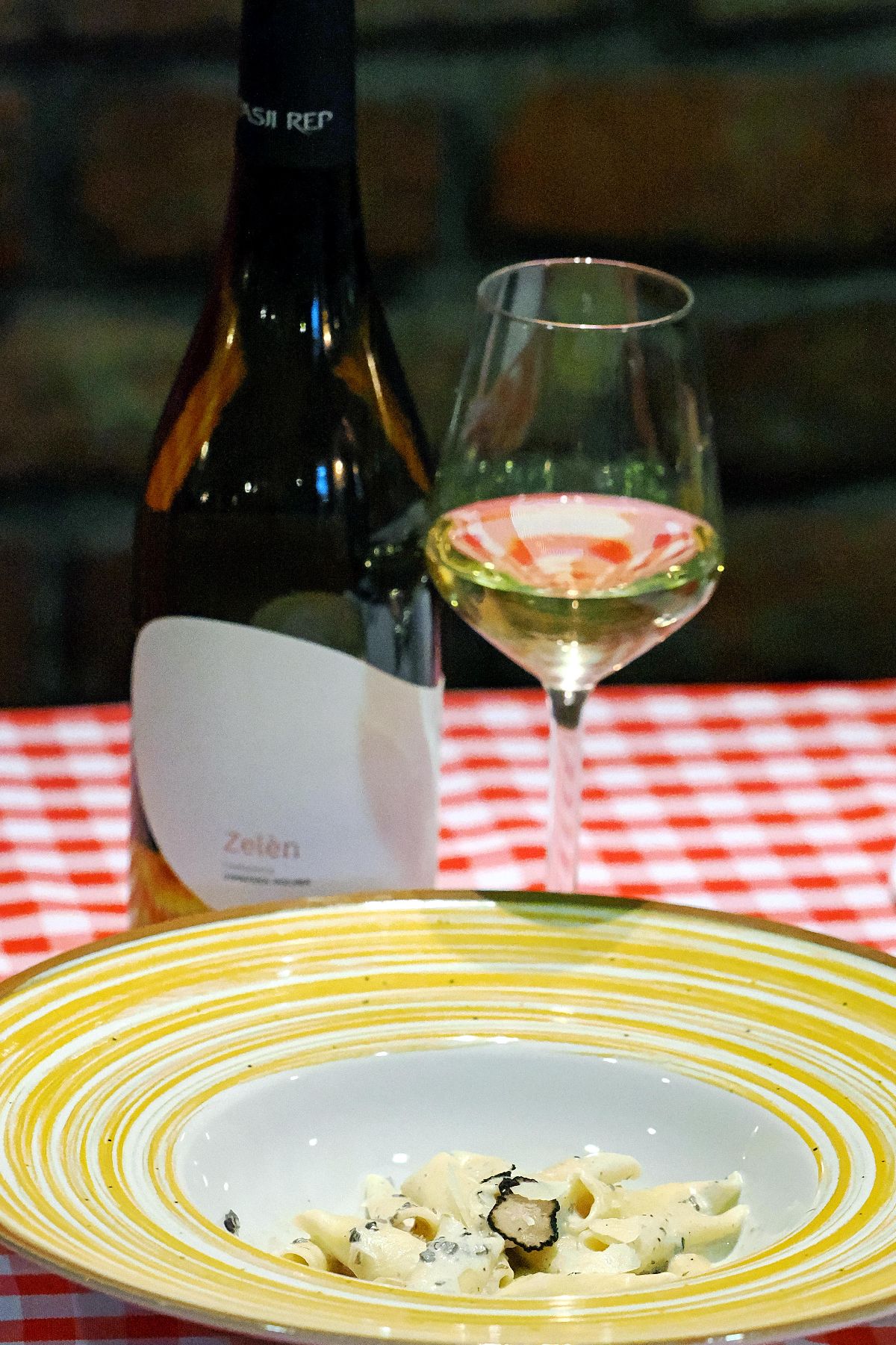
Next came Fuži with truffles, one of those dishes that always sparks special interest among food lovers. This aromatic speciality was served with Zelen 2024 from the Slovenian winery Pasji rep. Zelen is an intriguing indigenous variety from the Vipava Valley that yields fresh, mineral and elegant wines. Precisely this kind of structure superbly accompanies the rich aroma of truffles, underlining the dish’s complexity without overpowering it. It was presented by Nenad Trifunović on behalf of the company Brza distribucija, which imports and distributes Zelen in Croatia. The popular Vinopija, as his wine blog is also called, presented Zelen as a drinkable wine yet full of character and substance – one you can almost chew. It comes from a vineyard site in the Vipava Valley with a distinctive microclimate. That lends the grapes their singularity, but the final result also depends on superb winemaking, for which the young winemaker Samo Premrn deserves credit. Add to this that Zelen holds the Demeter biodynamic certificate, meaning it is produced according to the most rigorous rules of so-called natural wines.
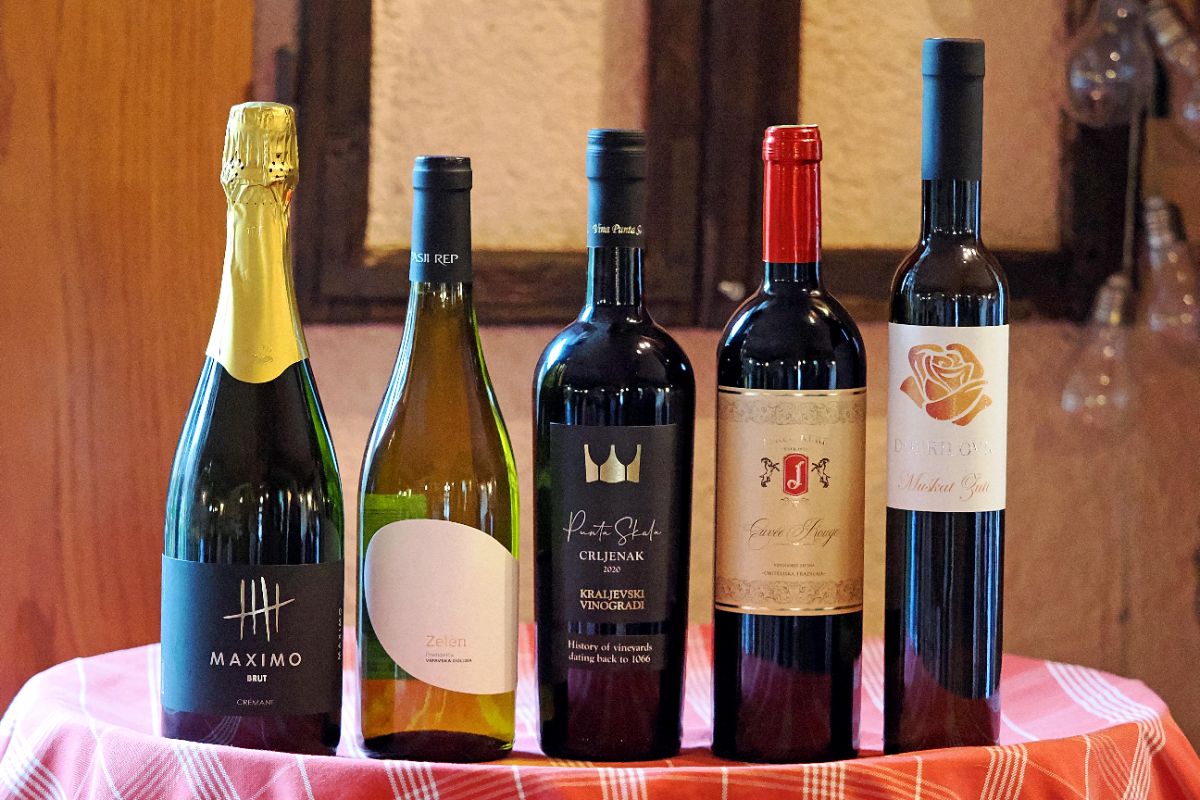
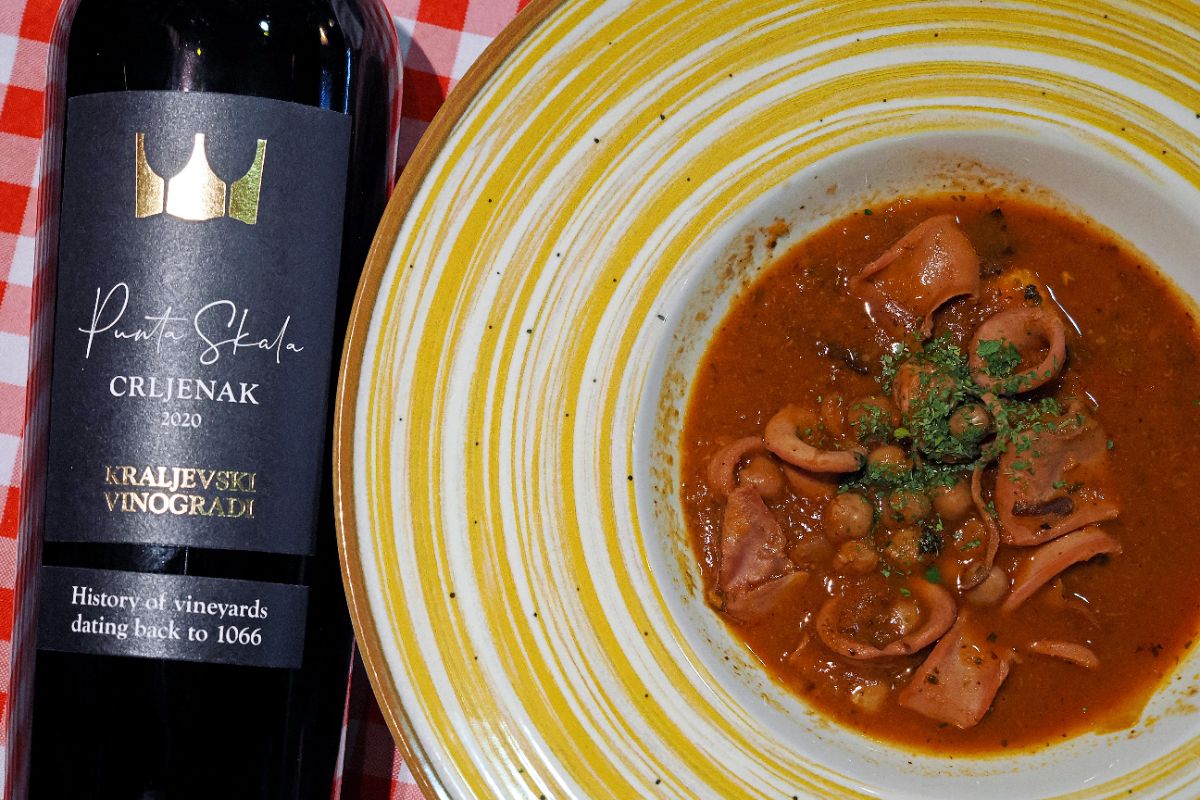
The third course brought Squid Goulash with chickpeas and polenta, a dish that unites the sea with the continental tradition of spoon cooking. It was served with Crljenak 2020 from the Kraljevski vinogradi winery in Petrčane. This variety, known as the original ancestor of Zinfandel, yields powerful, characterful wines that pair excellently with more intense dishes. Its structure and fruitiness finely accompanied the aromatic squid and the fullness of the dish. Crljenak was an almost extinct variety here, and interest in it was rekindled by the global popularity of Californian Zinfandel – known in Croatia also as Crljenak Kaštelanski, Tribidrag and Pribidrag, in Italy as Primitivo, and in Montenegro and Macedonia as Kratošija. Punta Skala is among the finest vineyard sites in northern Dalmatia, and the history of Kraljevski vinogradi stretches across almost an entire millennium. It all began with the Croatian king Petar Krešimir IV, who by charter granted the Benedictine convent of St Mary in Zadar a large estate above Petrčane, on which vineyards were planted. In more recent times the winery was modernised by the great wine enthusiast Zoran Pantalon.
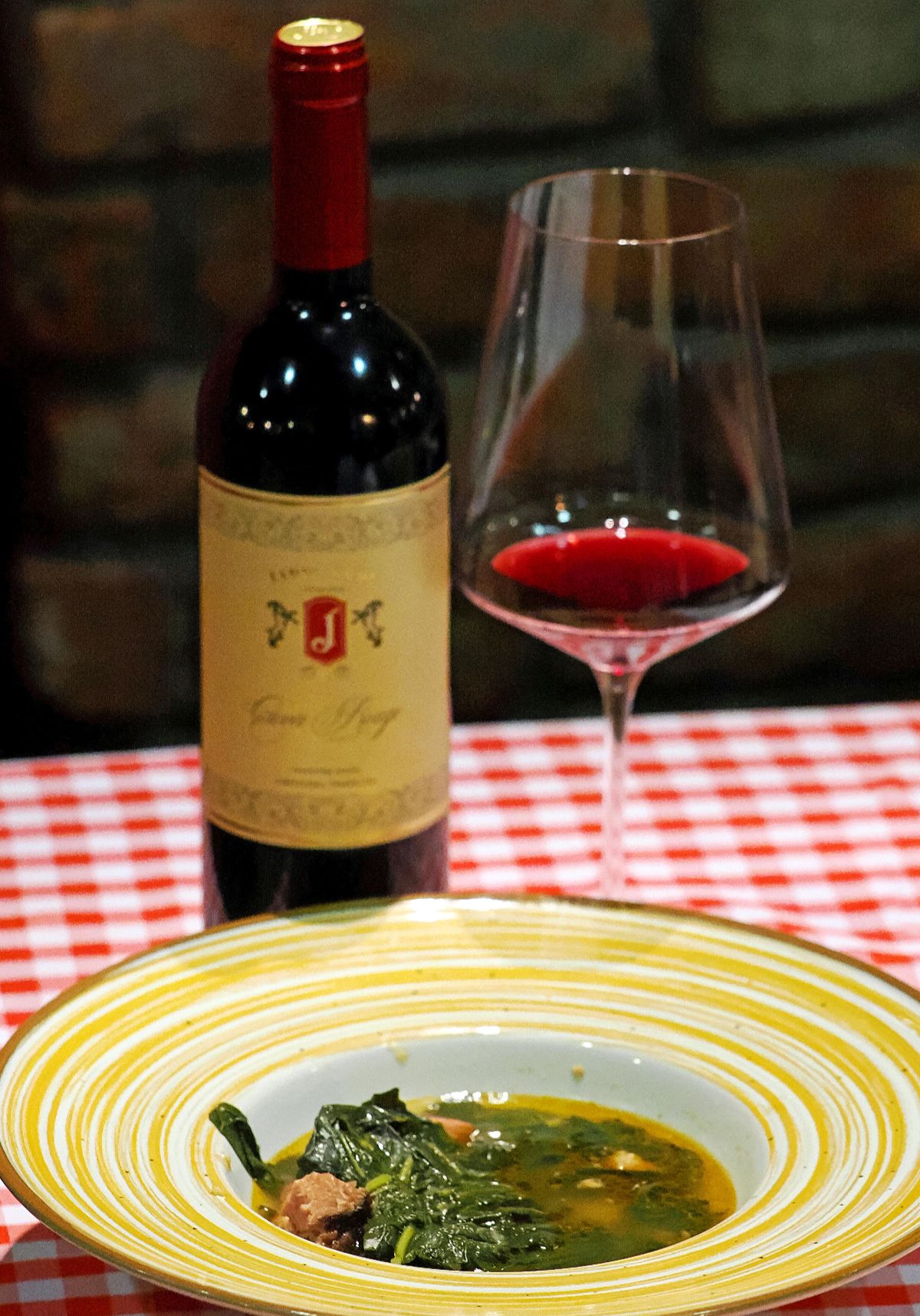
Almost every self-respecting Dalmatian or Herzegovinian in Zagreb who has the chance grows raštika (collard greens) in their garden. Yet this healthy and tasty leafy vegetable is slowly but surely making its way onto Zagreb’s gablec (brunch) tables. Raštika with cured meat, a traditional dish of bold flavours, was paired with Cuvée Rouge 2024 from the Jarec-Kure winery from the Zelina wine district. This is a red blend that offers freshness, fruitiness and balanced tannins gained from ageing in wooden barrels, so it pairs very nicely with rich, aromatic dishes such as this one. It was not without reason proclaimed the best pairing of this exciting evening. Otherwise, the Jarec-Kure winery is best known for its Pinot Blanc, and they are mostly oriented towards wines from white varieties – Kraljevina, Manzoni and Chardonnay. The Zelina area is not especially known for red wines, so the Jarec-Kure winemaking family proved very bold in cultivating Pinot Noir and Syrah – and the result, as the Cuvée Rouge showed, did not disappoint.
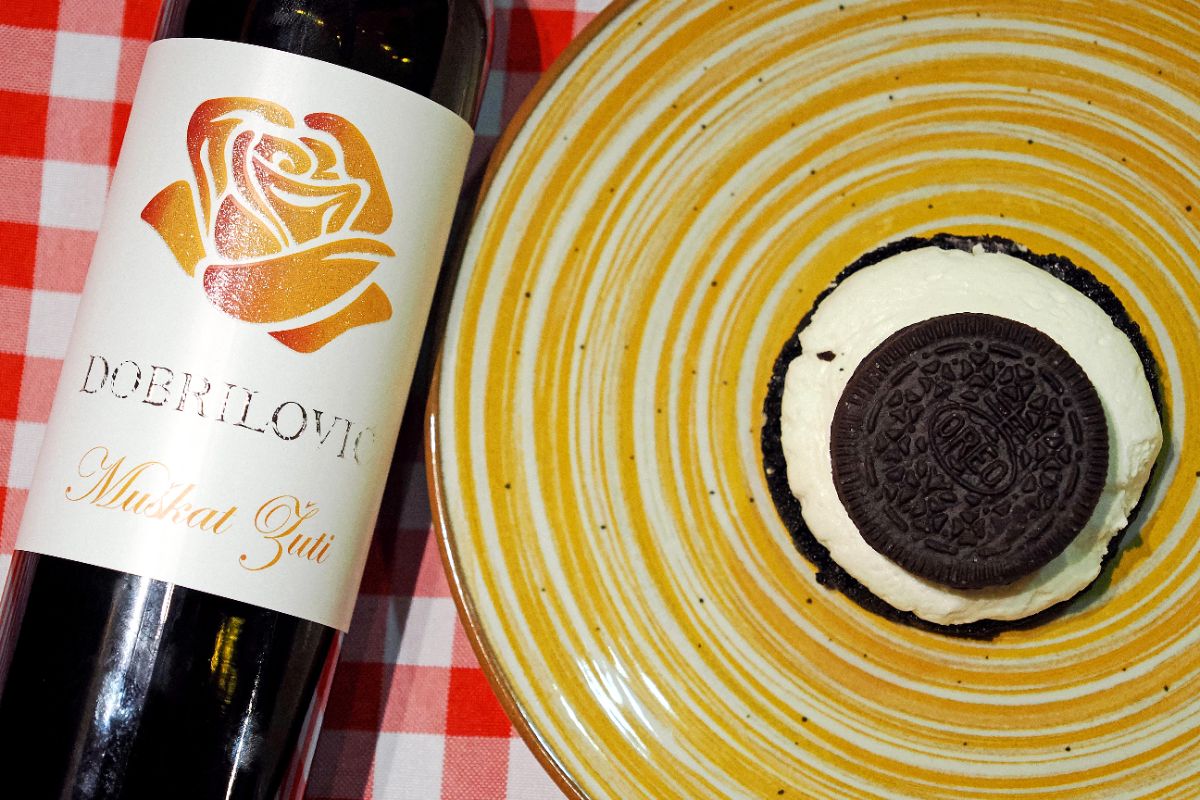
At the end of the meal a dessert was served – Oreo Cheesecake with the wine Muškat žuti 2024 (Yellow Muscat) from the Dobrilović winery from Umag. This aromatic dessert wine, with its aromas of flowers and ripe fruit such as apricot and pear alongside notes of meadow honey, perfectly complemented the sweetness and creamy texture of the dessert. The wine is medium-sweet, medium-full-bodied and pleasantly fresh, which makes it an ideal partner for desserts. Muškat žuti is one of a total of six wine labels of which the Dobrilović family is very proud; they are also successful in producing distillates and extra-virgin olive oil. Their six-hectare vineyards are set on the slopes above Lake Butoniga, in the small village of Ukotići, where Mladen Dobrilović and his family run the estate, continuing to nurture the path of his father and grandfather and to develop their winemaking story through a blend of tradition and modern production methods.
Yet another edition of the Wine by the Spoon project thus once again brought together top gastronomy, intriguing wine labels and the producers behind them, confirming that good food, wine and good company remain the finest way to discover new flavours and stories from the world of eno-gastronomy.
Photo: Nikola Zoko
23 March 2026
Written by: VinskiKlub.hr