

 Written by: Krešimir Kožić, Vinski klub
Residual sugar in white wine has lately become almost a taboo subject, even among wine professionals. As an example I will cite an event from last year, when I was invited to a test dinner at an excellent Zagreb Asian restaurant where we were to explore food-and-wine pairings. One of the examples was pairing a barely heat-treated prawn with a chilli emulsion and a brutally dry German Riesling. The wine was from a famous German winery and truly excellent, yet it was a very poor partner for the prawn.
The pronounced heat of the prawn with chilli was, in fact, accentuated by the Riesling’s very high acidity. I was the first to voice my lack of enthusiasm for this pairing and asked the sommelier whether it might be possible to try a Kabinett or Auslese Riesling instead of the one proposed. The sommelier soon brought an excellent Kabinett Riesling from the Mosel with 9% alcohol, over 20 grams of residual sugar and total acidity of over 8. And now our pairing ‘sang’! All the participants expressed their approval of this small correction.
But looking at things more broadly, that correction was not small. It was, in fact, significant.
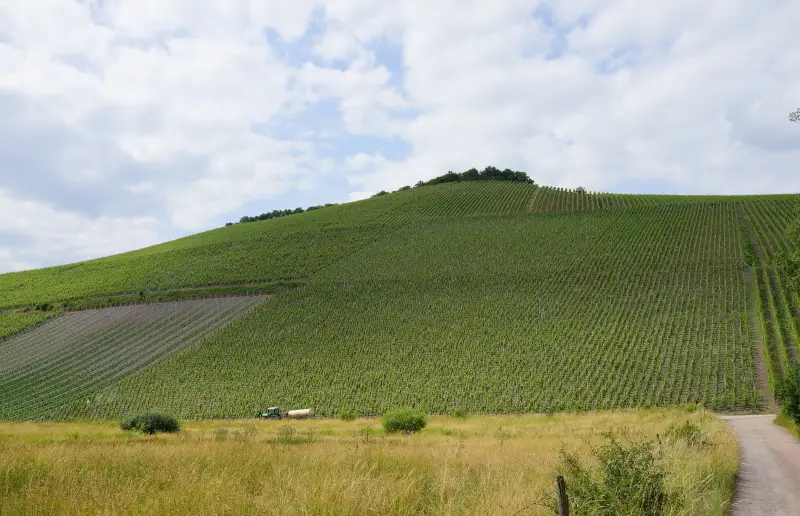
Several thousand years ago, the winemakers of the time learned how to halt fermentation, which results in a residue of unfermented sugar. Residual sugar in wine denotes the remainder of natural grape sugars that have not fully fermented, but in this context we are speaking of wines in which that sweetness is a deliberate stylistic choice, not a technological failing. Such wines retain part of their sugar in order to emphasise the aromatics, fullness and a harmonious sweetness. In stylistically shaped wines, residual sugar becomes the winemaker’s conscious tool for achieving balance and a recognisable character.
Of course, the question now follows as to why the general wine-drinking public rather shies away from a higher content of residual sugar in wine. Here we are talking about so-called off-dry to medium-sweet wines, and not about the separate category of sweet wines.
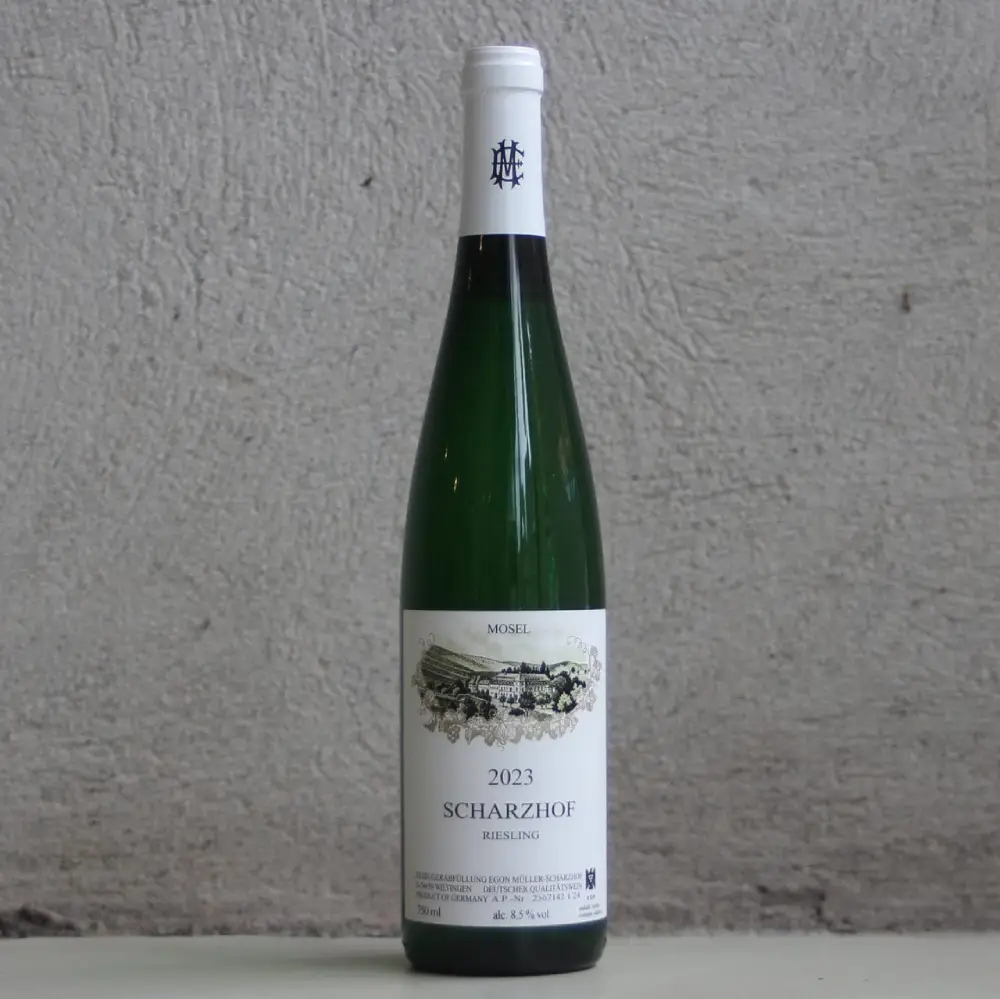
Certain varieties have particular advantages if vinified with a somewhat more significant residue of unfermented sugar, because we obtain a much better balance of flavour. For instance, Riesling, Chenin Blanc, Pinot Gris (especially as Pinot Gris from Alsace), Furmint and a few other white varieties produce excellent off-dry to medium-sweet wines of exceptional character, very rewarding in gastronomy, particularly with exotic South American, Asian and North African cuisine.
So why are these wines not more popular in Croatia? There are, as always, several reasons. The first is, of course, SUGAR. The moment someone hears the word sugar, even residual sugar, the connotation is negative. Mythology of the ‘you will get diabetes from drinking such wines’ type unfortunately still persists. The second reason is, to me, somewhat bizarre, as it concerns the perception of wines with a higher share of residual sugar as so-called women’s wines and wines for softies. A parallel is drawn here with certain rosé wines very popular in Croatia that carry too much residual sugar and literally taste of sweet chewing gum. The third reason is very interesting because it is present across a wide range of generations, from baby boomers to Generation Z. It concerns a marketing-political view of sugar as something unacceptable, which differs from the first reason, which is exclusively tied to a health consequence. All the reasons are actually trivial if any wine is enjoyed in moderation and responsibly.

Many wines with a more significant share of sugar, such as Kabinett-category Riesling, are exceptionally enjoyable and gastronomically rewarding. We should not shy away from the ‘off-dry’ or ‘medium-sweet’ designation on the label, because in the right context these wines can offer us an unforgettable experience.
As an example, I can name a few labels that I certainly recommend to the readers of Vinski klub.
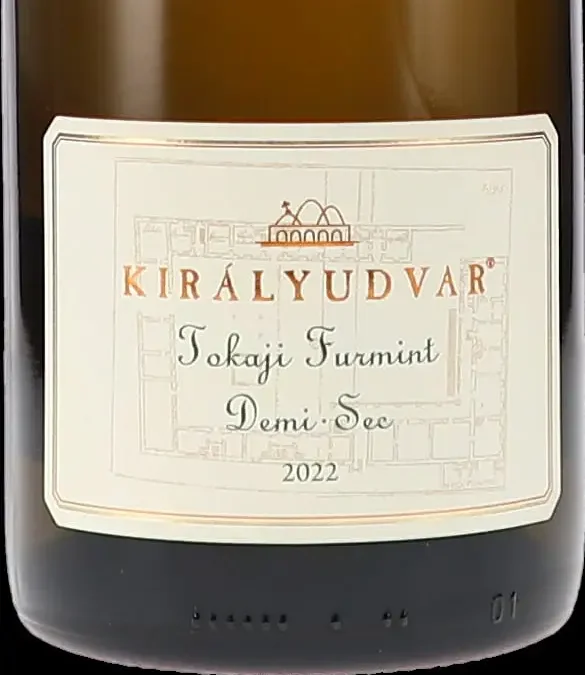
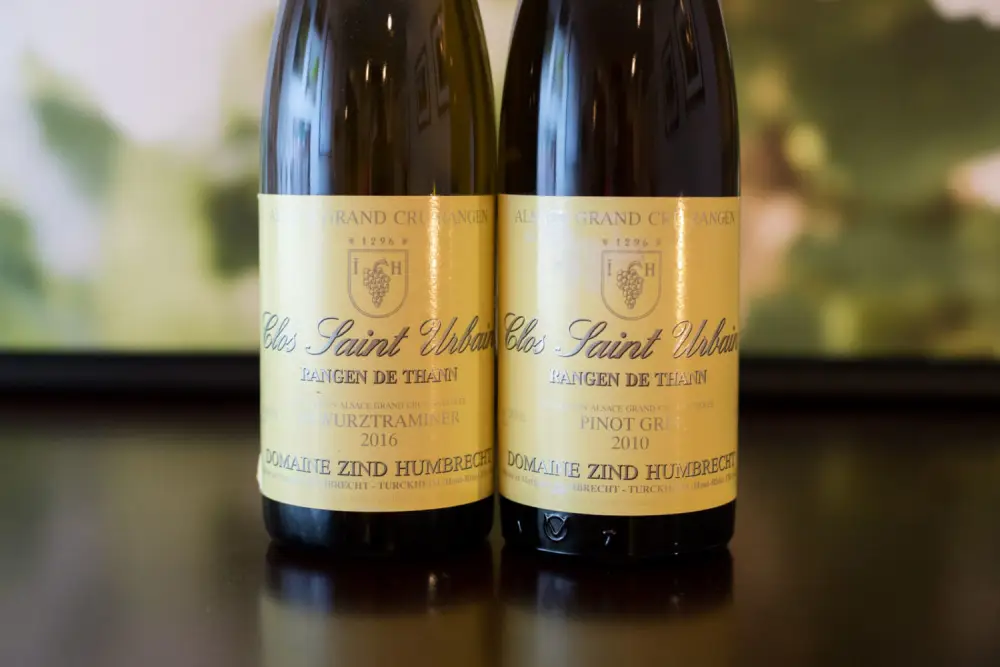
Egon Müller Scharzhof Riesling QbA, Domaine du Clos Naudin Vouvray demi-sec, Királyudvar Tokaji Furmint demi-sec, Domaine Zind-Humbrecht Pinot Gris Grand Cru Rangen de Thann, and any good Graševina with a more significant share of residual sugar (off-dry or medium-sweet on the label).
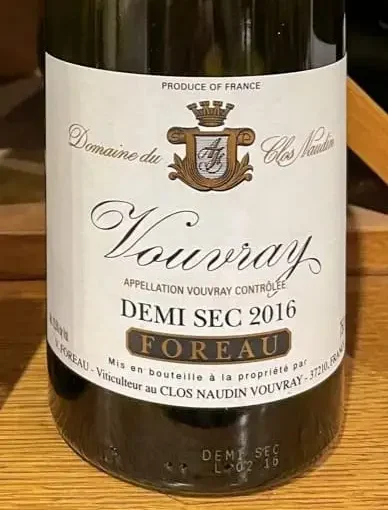
These are just some of the wines I recommend for entering the world of white wines with more pronounced sugar. Take your loved one to a good Asian restaurant and, in consultation with the sommelier, order a wine of the kind we have written about in this article.
It is time we stopped demonising sugar in wine and began to understand its role. Residual sugar is not a sign of weakness, but the tool of a master who knows what they are doing. And when it is paired with the right dish, the result is a phenomenal experience.
And so, just as at that dinner with prawns and chilli, sometimes a little openness is all it takes for the wine to finally ‘sing’. Residual sugar is not a mistake, but a nuance. And in wine, as in life, it is the nuances that make the difference.